Rechargeable solar battery found to outperform lithium-ion batteries in new research study
Published on Mar 04, 2026 at 7:51 AM (UTC-5)
by Daisy Edwards
Last updated on Mar 17, 2026 at 4:57 AM (UTC-4)
Edited by
Mason Jones


Rechargeable solar battery tech has just taken a big step forward, with scientists revealing a new way of storing sunlight that could beat even the ever-reliable lithium-ion batteries.
Instead of storing electricity like the batteries in your phone or EV, this clever system captures sunshine and saves the energy for later.
When it is needed, the stored energy can be released as heat.
It is basically a way of bottling sunshine and using it whenever you want.
EXPLORE SBX CARS – Supercar auctions starting soon powered by Supercar Blondie
Rechargeable solar battery found to outperform lithium-ion batteries
The research and tech team behind this project has developed a special molecule that acts a bit like a rechargeable solar sponge.

When sunlight hits it, the molecule absorbs the energy and changes shape, effectively ‘charging’ itself.
The impressive part is just how much energy it can hold.

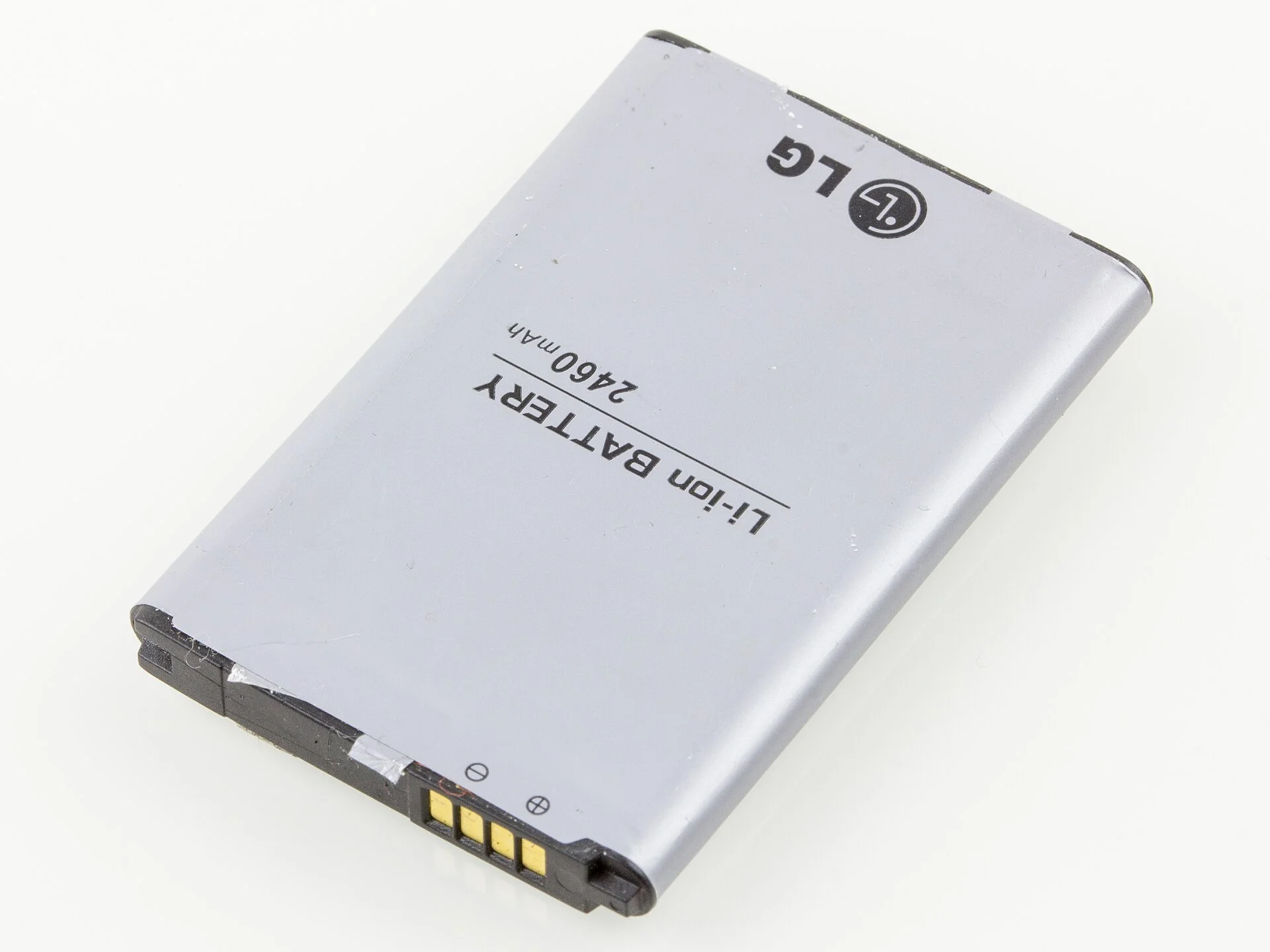
The team says it can store more than 1.6 megajoules per kilogram, which is significantly higher than the roughly 0.9 megajoules per kilogram found in typical lithium-ion batteries.
Think of it like photochromic sunglasses that darken in sunlight, except this material is storing energy instead of changing color.
Once it has soaked up the sun’s energy, it can stay in that charged state until it is triggered to release the stored heat.
Click the star icon next to supercarblondie.com in Google Search to stay ahead of the curve on the latest and greatest supercars, hypercars, and ground-breaking technology
How the energy can be used
To show how powerful the stored energy is, the researchers were able to release enough heat from the system to boil water under normal conditions.
That might not sound flashy at first, but it is actually a big milestone for this type of solar storage technology.
In the future, systems like this could be used to heat water at home, store solar energy during the day, or even power off-grid setups where electricity is harder to come by.
Another bonus is that the material can be reused again and again, meaning it could keep charging in the sun and releasing energy whenever it is needed.
If scientists can scale this up, the solar setup of the future might not rely entirely on bulky battery packs.
Instead, we could be storing sunshine in clever materials that hold onto the energy until the moment we need it.
Daisy is a technology and automotive journalist covering artificial intelligence, consumer tech, Apple news, cryptocurrency, emerging technologies, and transportation innovation. Since joining the team in 2025, she has reported on everything from AI-powered startups and major iOS updates to viral car stories and the latest developments shaping transportation and the digital economy. Drawing on her background in automotive journalism and a degree in History and Journalism from Goldsmiths, University of London, Daisy specializes in breaking down complex topics into clear, engaging reporting for a global audience. Her work spans cutting-edge technology, innovative vehicles, and the people driving change across both industries. Daisy has gained first-hand access to some of the world's most talked-about technologies and innovators, including meeting Tesla's Optimus humanoid robot during its first European appearance in London. She has also discussed the future of space exploration with an astronaut, bringing unique insights and real-world perspectives to her coverage of emerging technology.




