This is how much every Tesla car has depreciated over the years and which one has lost the most value
Published on Aug 01, 2026 at 5:20 PM (UTC-4)
by Ben Thompson
Last updated on Aug 01, 2026 at 5:20 PM (UTC-4)
Edited by
Kate Bain
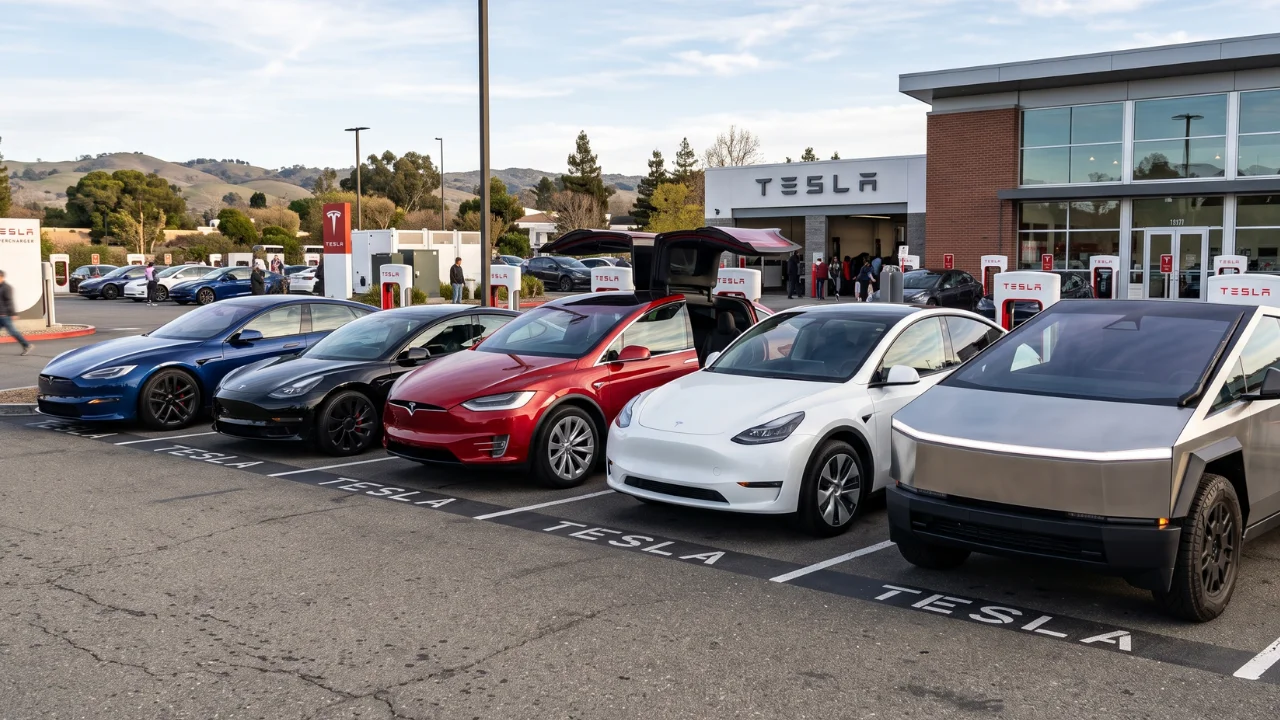

Have you ever wondered how much each Tesla car has depreciated over the years?
Most EV owners will experience depreciation to some extent if they own their cars for a certain number of years.
But some experience it more severely than others.
But which of the Tesla cars get it the worst?
Depreciation is a word no Tesla owner wants to hear
When people invest a lot of money in a car, there is a hope that its value won’t plummet, at least not for a while.
But unless it’s a super rare hypercar, depreciation is a reality for almost all car owners.
Nobody likes the idea of buying a car that will be bleeding them money – just look at this Porsche Taycan owner for an example of that.
And electric cars are unfortunately more vulnerable to depreciation, as confirmed by a depreciation expert Supercar Blondie spoke to recently.
On the plus side, this means some used EVs have become a total bargain to buy.
But if you’re a owner, you don’t have as much cause for celebration.
Regardless of how you feel about it, it’s worth knowing the facts.
Here is how much each of the Tesla cars has depreciated in recent years, according to FindMyElectric.
Related


Model S
Since its launch in 2012, the Model S has served as a flagship car for the American carmaker.
But time is cruel to us all, and in the years since, there’s been a noticeable slump.
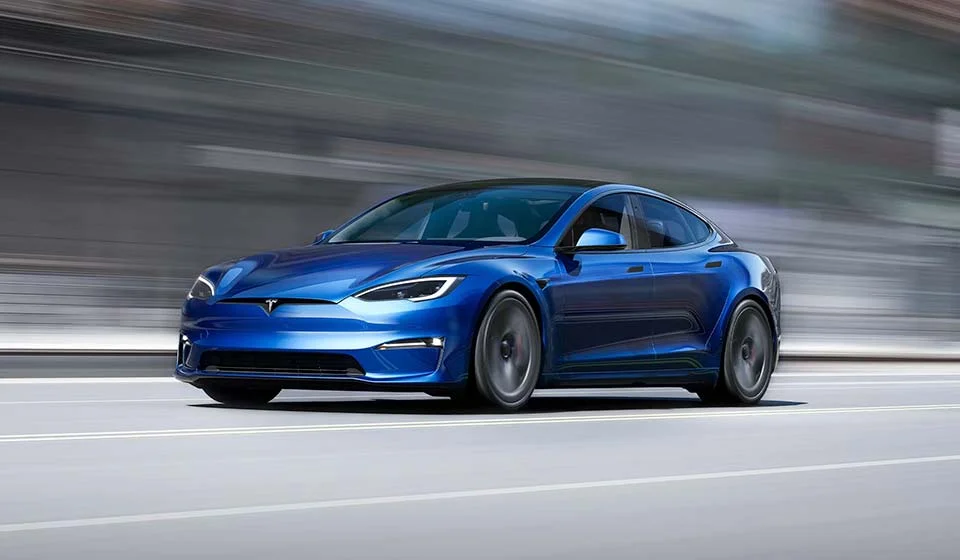
In the first three years, its value dipped by between 30 and 40 percent.
Between five and seven years of ownership, it hovered between 50 and 60 percent of its original value.
Model 3
The Model 3 fared slightly better, only seeing a 25 to 35 percent dip in the first three years.
By the six to seven year mark, the car had settled at the 50 percent mark.
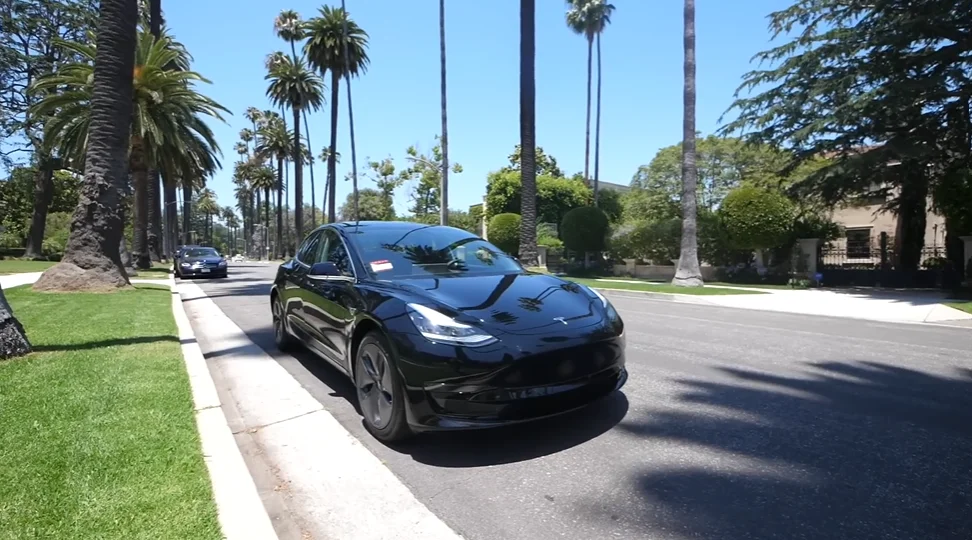
“One of the reasons the Model 3 holds its value well is the sustained high demand in both new and used markets,” FindMyElectric noted.
“However, as more Model 3s are produced and enter the market, there is a risk of market saturation, which could potentially accelerate depreciation in the future.”
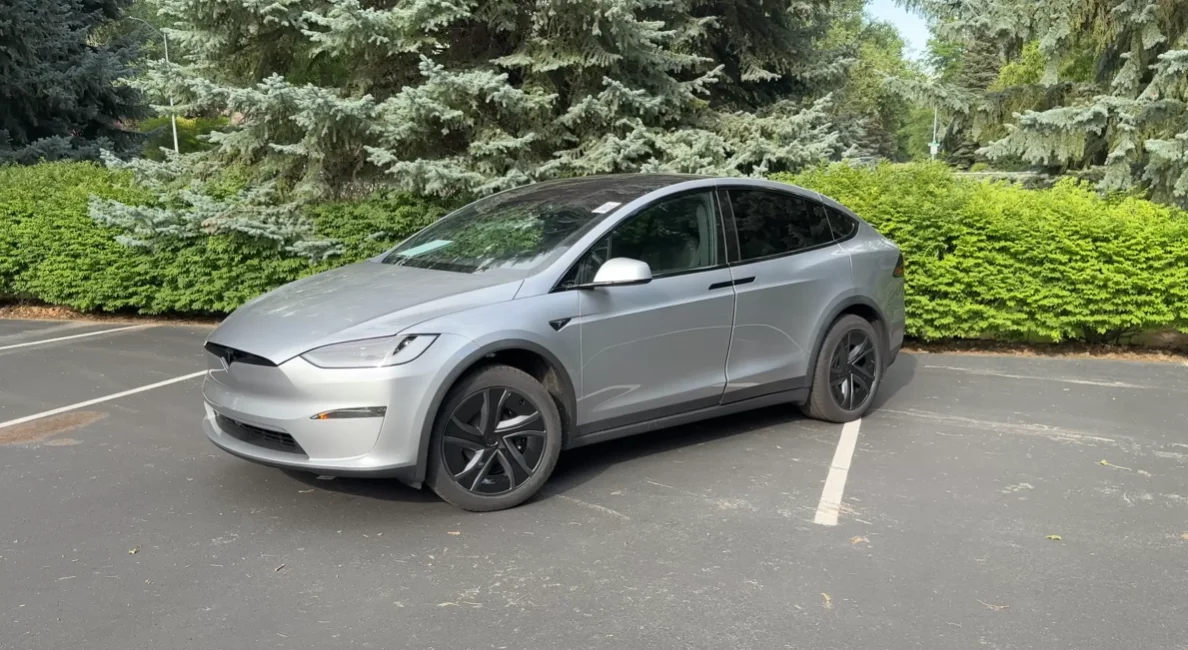
Model X
The first three years of the Model X could see its value dip by between 35 to 50 percent.
After that point, things aren’t looking quite so severe, with prices sitting north of 40 percent of original value by the seven-year mark.
Why does it have such a sharp dip at the start?
This is put down to the introduction of newer and more advanced models, and a general tendency of luxury vehicles to lose value more quickly than their non-luxury counterparts.
Model Y
The Model Y lost between 20 and 35 percent of its value within the first three years, before settling at around 50 percent of its original value at the seven-year mark.
FindMyElectric puts this slower rate of depreciation down to the high demand that comes with the vehicle, and its appeal as an SUV.
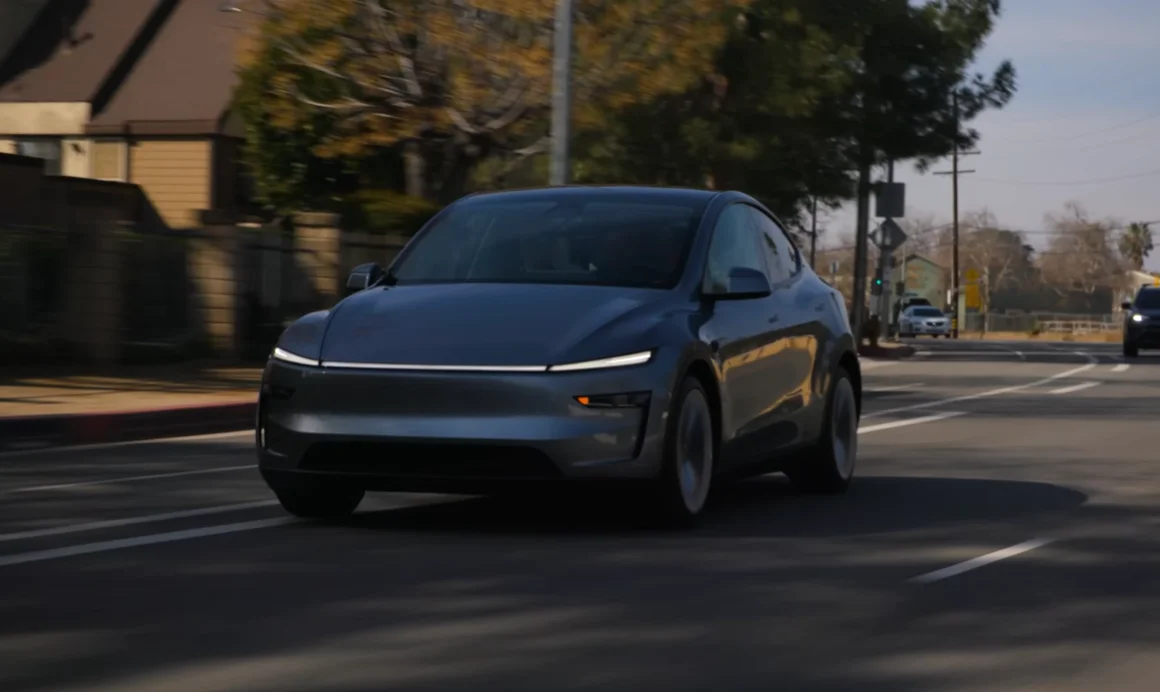
It’s consistently been touted among the top sellers, whether that’s in California or Norway.
And last but not least, there is the Tesla Cybertruck
Now, here’s a Tesla vehicle with a difference.
And we’re not talking about its unusual design, for once.
In the few years it’s been on the market, the Cybertruck has had something of a rebound when it comes to value.
At the 1.5 year point, the value reached its lowest point in the mid $60k region, just north of 60 percent of its original value.
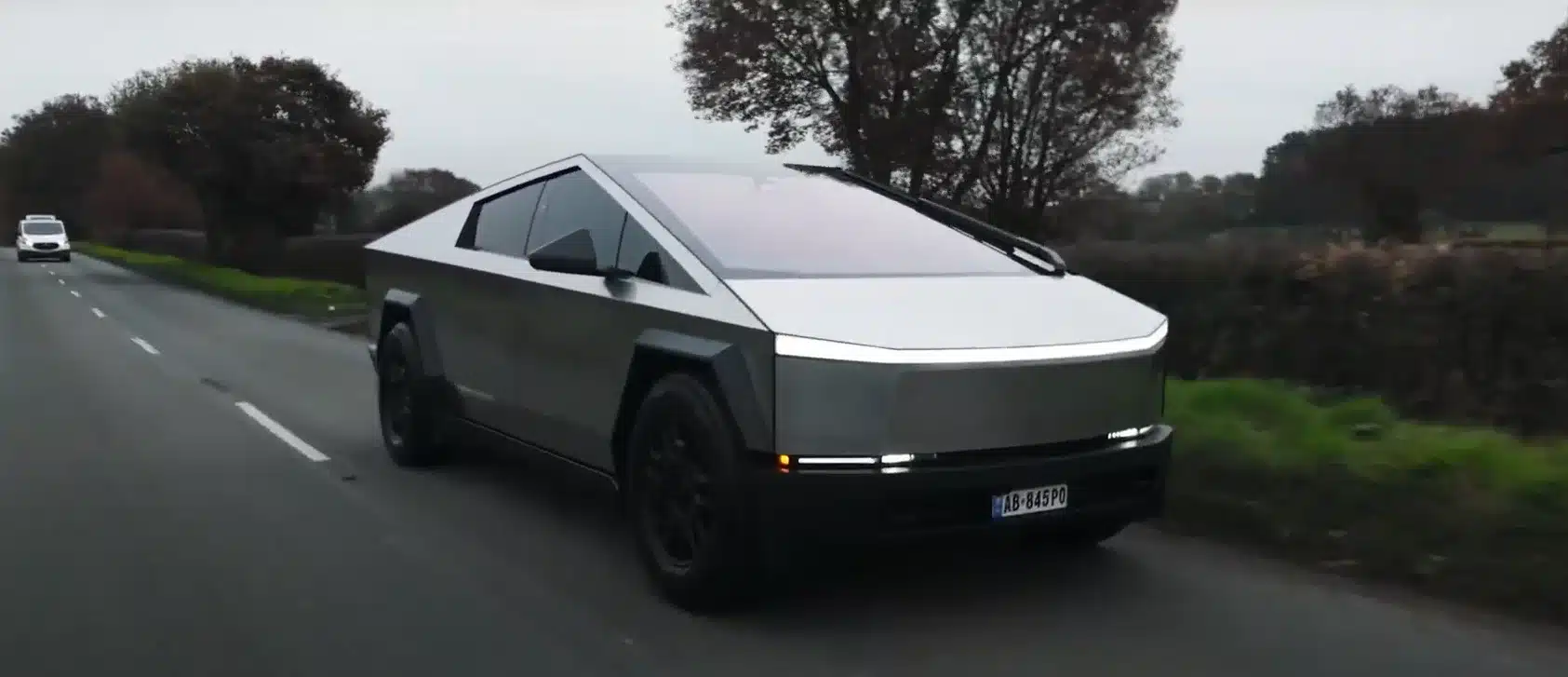
Since then, its value has been on the rise, and it’s set to be worth between $70,000 and $75,000.
What does FindMyElectric put this down to?
“The tax credit disappeared, Tesla did not immediately respond with a major price cut, paid-in-full FSD went away as a purchase option, and available inventory tightened,” the site explained.
“Around the same time, Tesla briefly launched a lower-priced AWD Cybertruck before moving pricing back up. Suddenly, used Foundation Series Cybertrucks that already existed and were available for immediate purchase started looking more attractive.”
Want to minimize depreciation on your Tesla? Here’s what you need to know
If you’re already a Tesla owner, here’s what you need to know about maintaining your EV’s value.
Firstly, it’s important to make use of local incentives and federal tax incentives to reduce the initial purchase price.
While the Federal EV tax credit is a thing of the past, EVs can still be factored into Sector 179 deductions.
Other suggestions on the site include paying for a FSD subscription rather than buying it outright.
It was judged that ‘its value on the used market is significantly lower than its upfront costs’.
Ben joined Supercar Blondie in February 2025 after being published by international organizations including LADbible, The Sun, the New York Post, and the Daily Mail. He covers supercars, rare and collectible vehicles, aviation, luxury assets, and the fascinating people behind them. His reporting has explored everything from seven-figure supercars and historic Ferrari collections to unusual aircraft adventures and extraordinary automotive discoveries from around the world. Ben has also gained first-hand insight into vehicle craftsmanship and customization, including visiting specialist workshops to see bespoke vehicles up close.