The gap between the monthly cost of charging a Tesla Cybertruck vs filling a Toyota Tacoma in the US is genuinely wild
Published on Aug 29, 2026 at 3:52 AM (UTC-4)
by Alessandro Renesis
Last updated on Aug 29, 2026 at 3:52 AM (UTC-4)
Edited by
Mason Jones
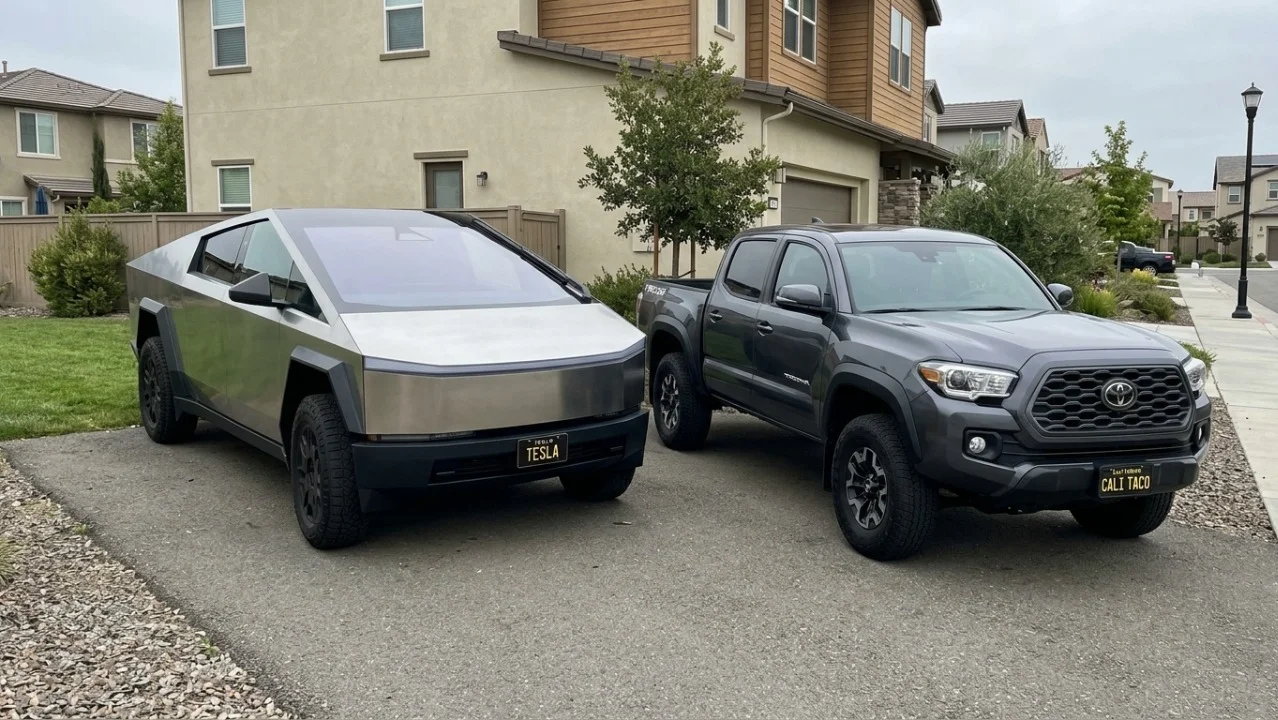

The difference between filling up a Toyota Tacoma and charging a Tesla Cybertruck is pretty wild.
People love these comparisons because they, ironically, bang the drum for both causes.
Depending on the way you look at it, you can say buying an EV makes more sense, but you can also say the exact opposite.
Let’s take a look at the monthly costs of running them.
The Toyota is much cheaper to buy
We have to address the elephant in the room: the Toyota Tacoma is much cheaper to buy.
The entry-level Tesla Cybertruck starts at $69,990, while the Toyota Tacoma starts at around $32,000.
So basically you can buy two Tacomas for the price of a Cybertruck.
They aren’t exactly in the same category, though.
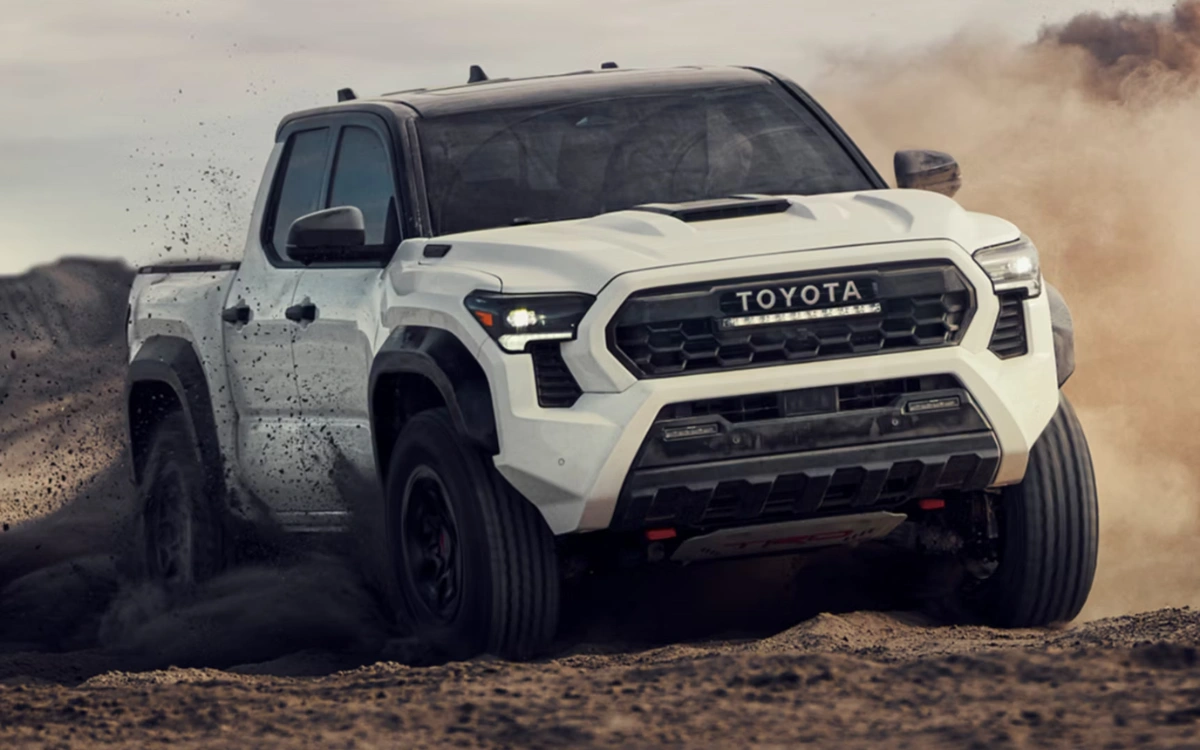
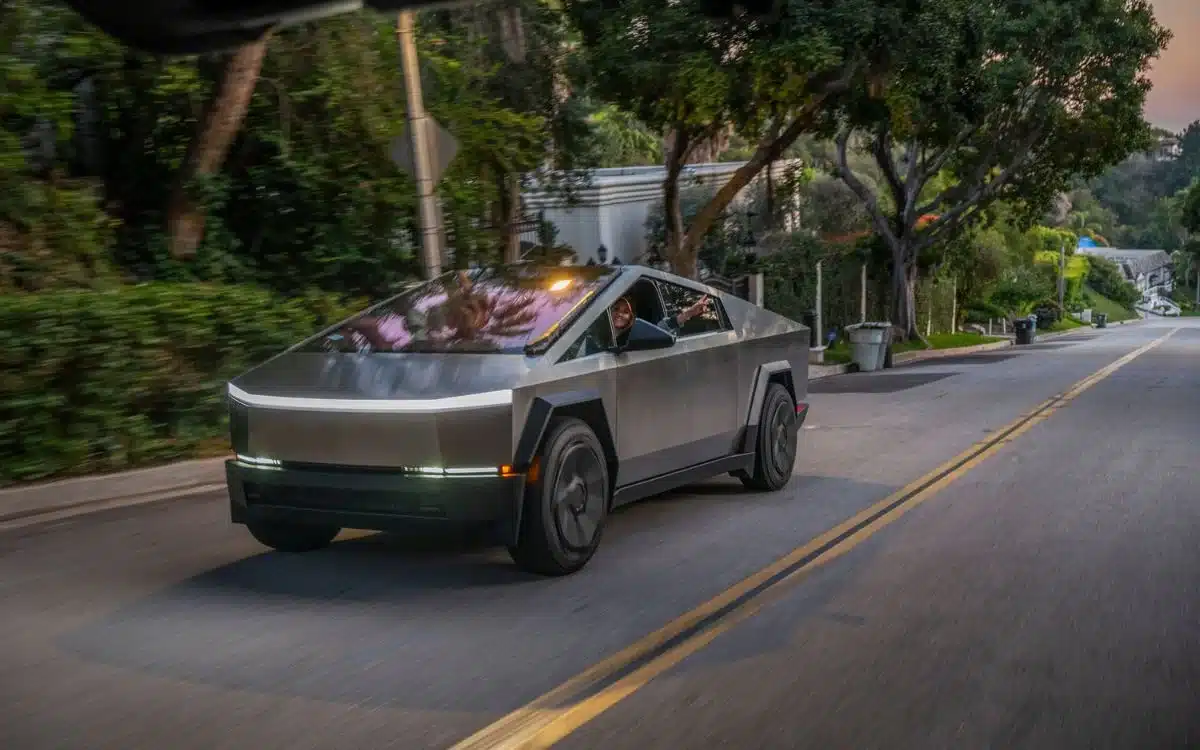
It’s true that they’re both trucks, but the Cybertruck is also a statement vehicle.
Or we can also call it a ‘lifestyle’ vehicle, if we wanted to use a marketing term.
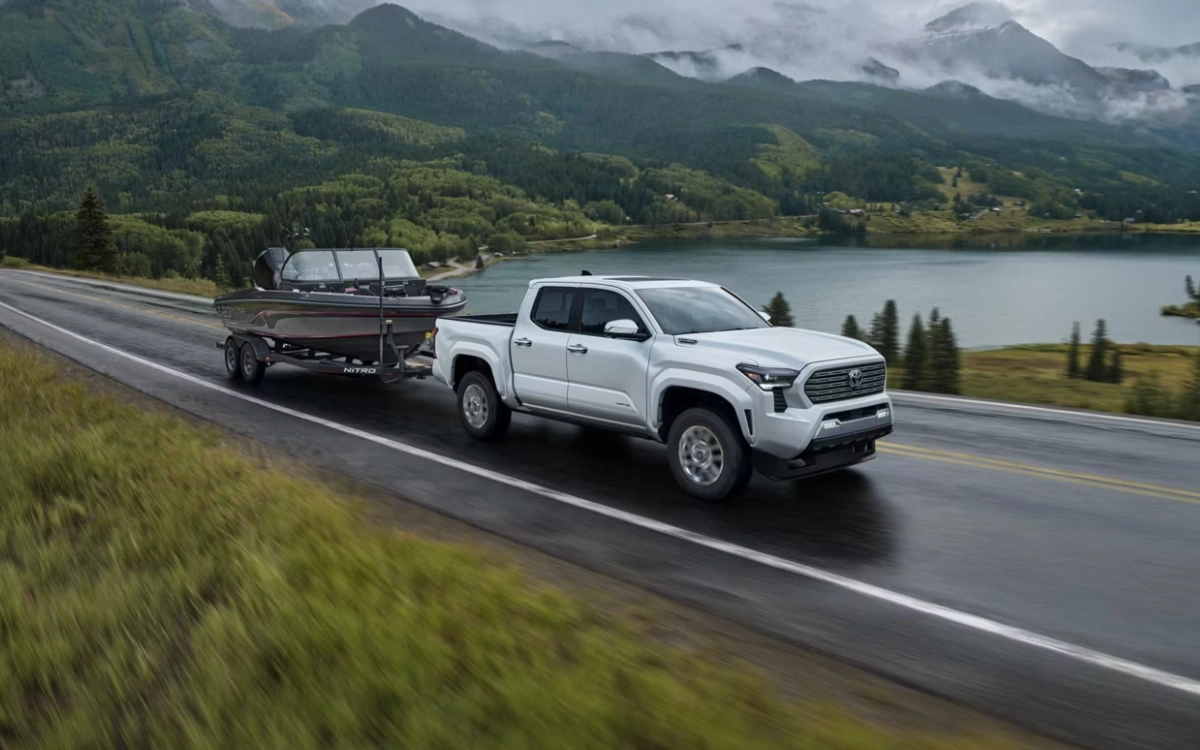
By contrast, the Toyota Tacoma is mostly a workhorse.
Trucks are and always have been popular in the US, and people buy them because they want them.
But having said that, when somebody actually needs their truck for work, they’ll probably buy an Ford F-150, a GMC Sierra, a Chevy Silverado, or a Toyota Tacoma – not a Tesla Cybertruck.
Related

When it comes fuel costs, things change
Assuming 15,000 miles a year, which is more or less the exact average across all states in the US, a Tesla Cybertruck would cost $7.70 (give or take) per 100 miles driven if you charge it at home.
So that works out to around $1,150 per year to charge.
That breaks down to a monthly electric bill hovering around the $100 mark.
By contrast, a standard gas-powered Toyota Tacoma costs around $15.91 to fuel per 100 miles at around 22 MPG, which comes out to around $2,386.50 per year in gas.
That means you’d be saving between $100 – $150 per month with the Cybertruck.
Not a bad deal.
That number would go up if we used a Supercharger, but, broadly speaking, the Tacoma remains more expensive in terms of fuel.
The other equally large elephant in the room is the difference across states, because energy is much cheaper (or expensive) in certain states.
In EV-friendly California, for example, charging a Cybertruck costs a lot more than doing so in Florida.
The Tacoma has another ace up its sleeve
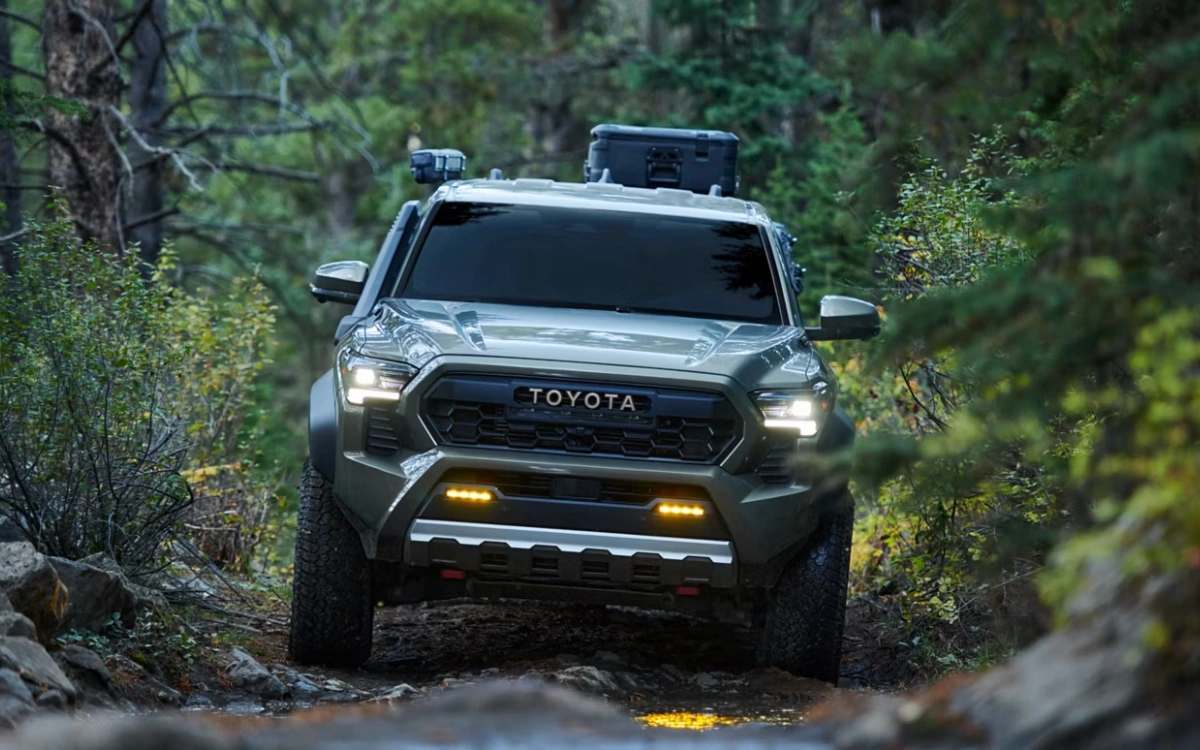
If we’re just looking at the vile old cash without worrying about anything else, the Tacoma probably makes more sense because it’s just so much cheaper to buy.
It’d take years (or an incredibly high yearly mileage) to make the Cybertruck make financial sense, even if you’re saving up to $150 a month.
Also, the Toyota Tacoma depreciates incredibly slowly.
According to recent data from iseecars.com, the Toyota Tacoma is the slowest depreciating truck (and fourth overall across all categories) in the US.
Which means if you buy one for, say $35,000, it could still be worth well over $30,000 for a couple of years.
Alessandro is an automotive journalist with 10 years of experience covering supercars, automotive history, emerging vehicle technology, and luxury transportation. He wrote the first article published on SupercarBlondie.com when the website launched in 2022 and has since built a reputation for insightful reporting across the automotive and transportation industries. His expertise is grounded in hands-on experience. Alessandro has driven every Tesla model ever produced, from the original Roadster to the Cybertruck, and regularly covers the latest developments in electric vehicles and automotive innovation. His passion for transportation extends beyond cars, he has even flown a Boeing 787 Dreamliner simulator in Addis Ababa, Ethiopia. His reporting spans everything from classic American muscle cars and rare automotive discoveries to luxury yachts, private aircraft, high-end watches, and cutting-edge vehicle technology. Known for his deep knowledge of automotive history and ability to uncover the stories behind iconic vehicles, Alessandro brings readers a blend of historical context, technical expertise, and first-hand experience.