Tesla driver tests FSD v15 Reality View and says being behind the wheel feels like playing Grand Theft Auto VI
Published on Nov 29, 2026 at 3:06 AM (UTC-5)
by Henry Kelsall
Last updated on Nov 29, 2026 at 3:06 AM (UTC-5)
Edited by
Mason Jones
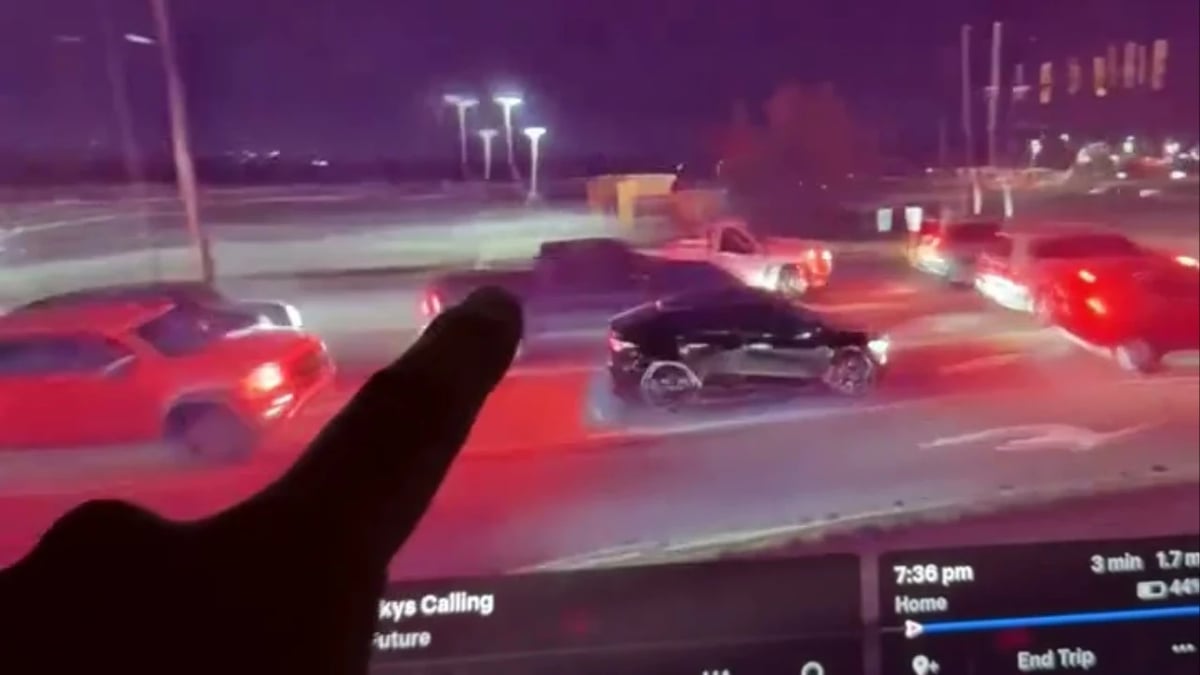

A Tesla driver has tested the FSD v15 Reality View and has likened it to playing Grand Theft Auto VI in the EV.
The Tesla driver posted a video on Instagram of them testing an early-access version of the full self-driving Reality View.
The new visualization software is quite remarkable, with AI being used to render the surroundings, which does look almost like a video game.
It is incredibly impressive to watch, and it’s no wonder that it has been likened to GTA VI.
FSD v15 is more complex than before
Tesla recently began the early access rollout of the v15 FSD software.
The EV giant has said that it is 125 times better at handling safety-critical cases than the previous version.
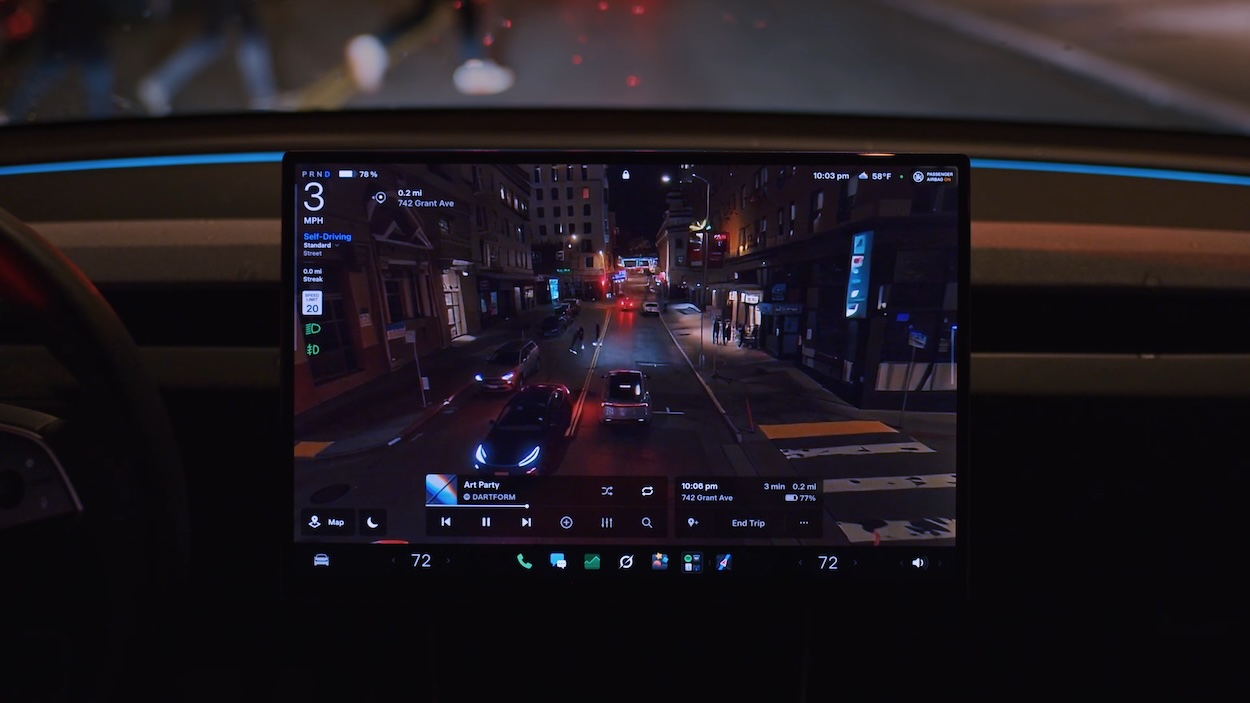
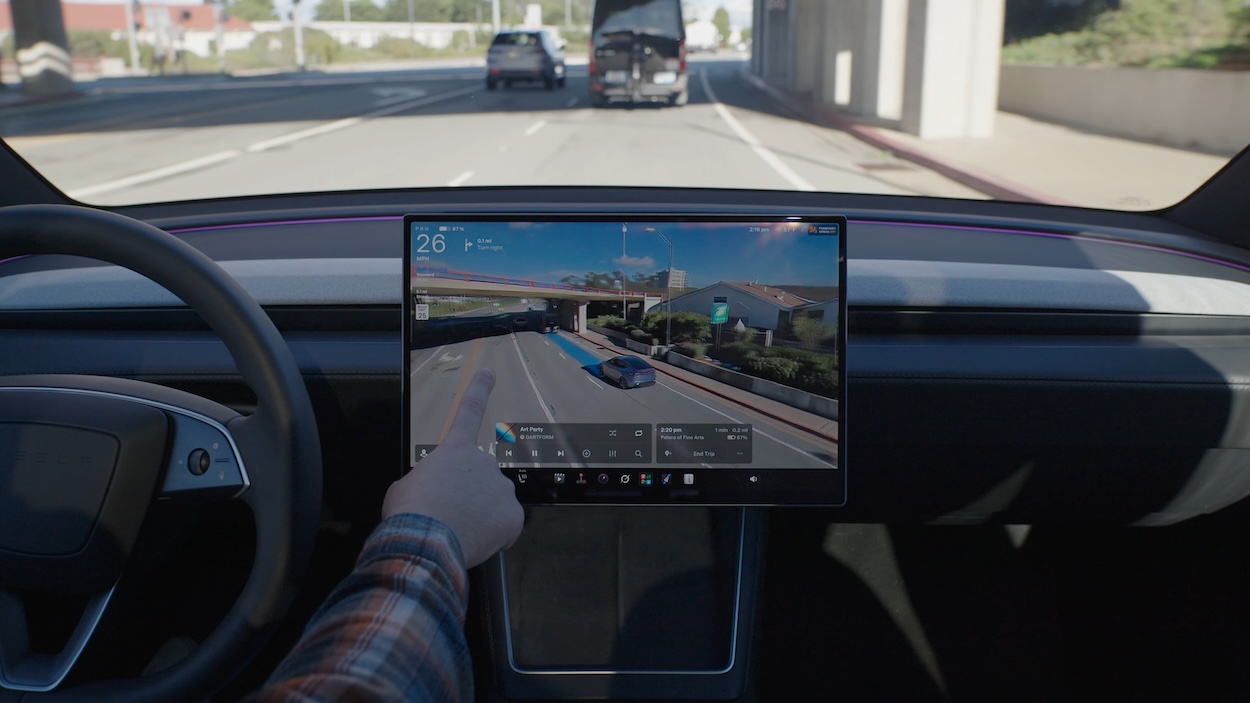
The reality view is visually the biggest difference between previous generations.
Gone are the familiar gray cars and the lane lines.
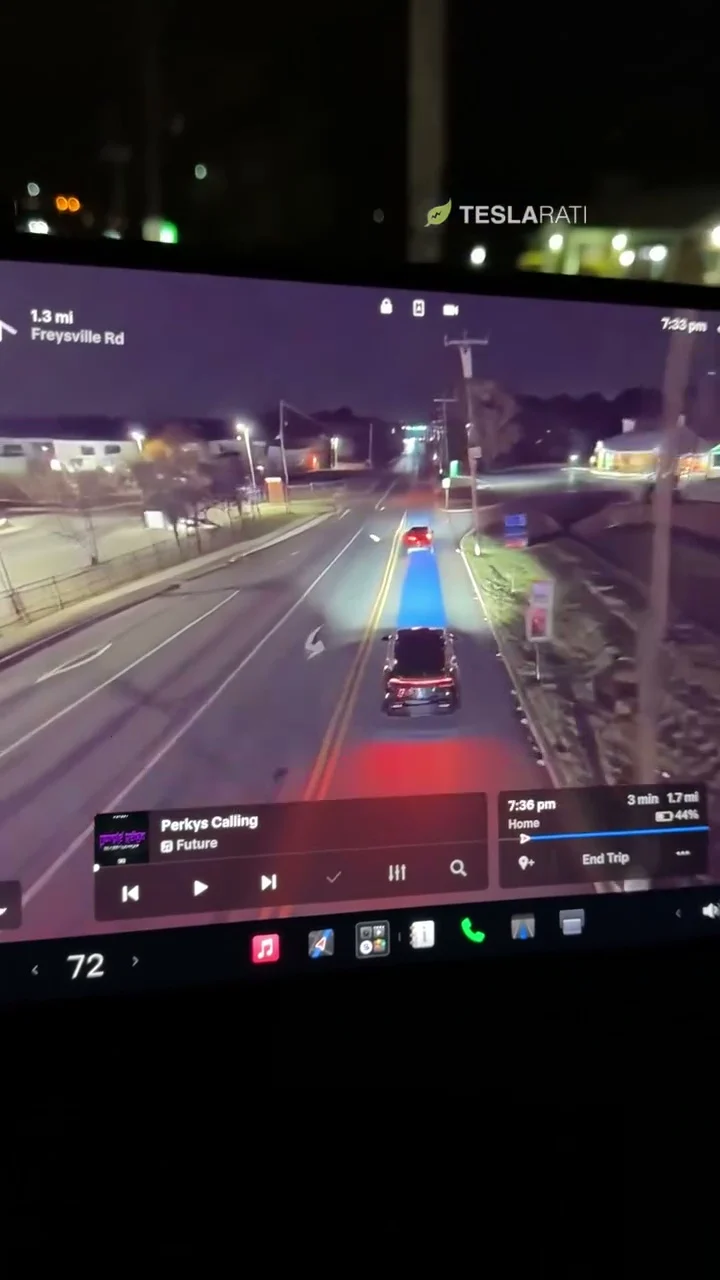
In its place is a new, live 3D view of the world around you, straight from the virtual camera above the car.
Tesla boss Elon Musk has said the company has had a ‘pixel-perfect world model since last year’.
The vision encoder on the EVs turns what the cameras see into data that the driving model can then use.
Reality View then takes that data and runs it through a separate model with around one billion parameters.
It is an incredibly impressive piece of software.
Likening it to playing GTA VI
The Instagram user, teslarati, said that it really was like playing GTA VI while they were in the car.
“Tesla really did a great job here, I mean this is like being in GTA VI,” he said.
That is a simplistic view to take, but it’s still impressive given it is rendering a lot of things in real time.
“It’s pretty impressive how it can craft up every surrounding,” said the EV driver.
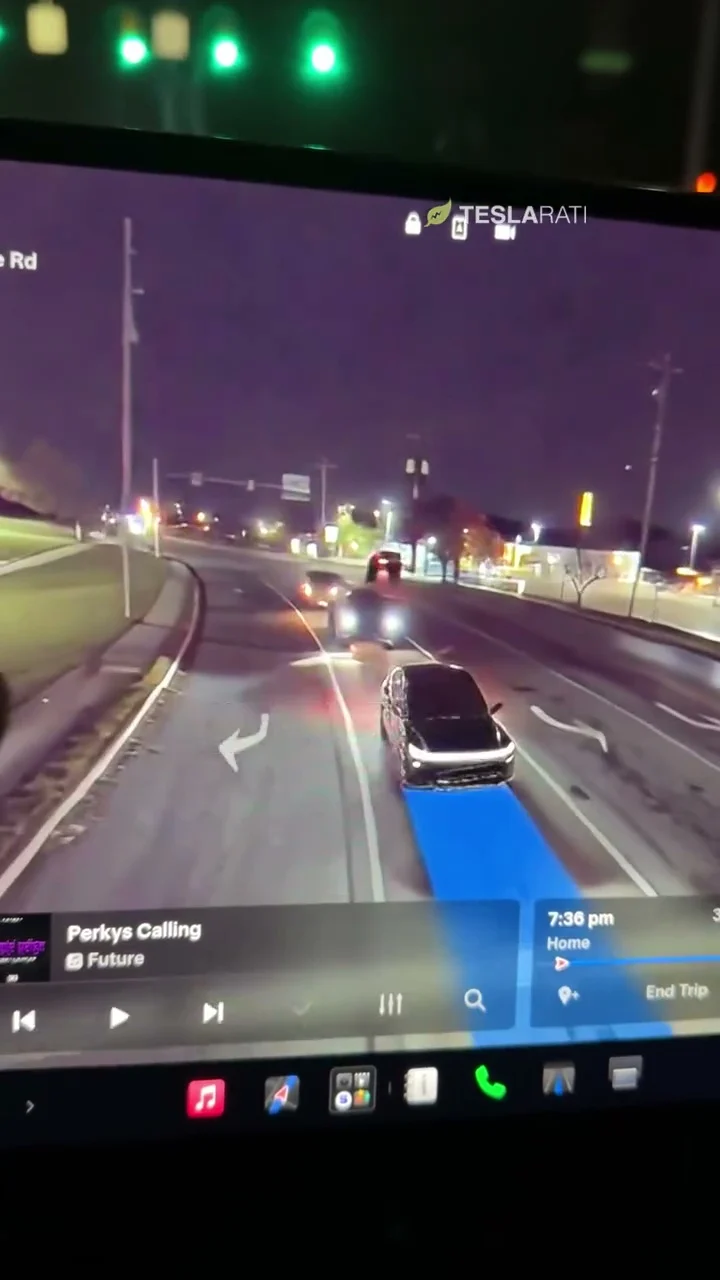
“It’s not quite as responsive as the previous driver visualization,” he added, but it is far more complex than it was before.
At the time of writing, the new software isn’t available to everyone.
It has been rolled out in early access to a few models, but those models are more recent releases from the company.
What’s next for Tesla Reality View?
Naturally, with such a big leap made, it makes you wonder what on Earth the company is conjuring up next.
More frames and a higher frame rate are just two of the features that owners have been requesting.
FSD v15 being limited to just a handful of owners is something that the company will also work on.
Musk has suggested that higher frame rates and more frames will also come in the future.
The Holiday Update for this year should also see the new software given a wider rollout.
Tesla will keep working on it until then, so the launch version is as good as it possibly can be.
Tesla FSD timeline
October 2014: First-generation Autopilot hardware debuts on Model S, laying the groundwork for automated highway driving
October 2016: All new vehicles begin shipping with an eight-camera hardware suite, and the autonomous software package goes on sale as a $3,000 add-on
April 2019: Custom-designed HW3 computer chips replace third-party processors to boost onboard neural network performance
October 2020: Early-access beta software rolls out to select drivers, bringing automated navigation to city streets for the first time
May 2021: Radar sensors are dropped from new North American builds in favor of a camera-only “Tesla Vision” approach
November 2022: The beta program opens to anyone in North America who purchases the software package
Early 2024: Version 12 launches, replacing hand-coded driving rules with end-to-end artificial intelligence trained on video clips
2025: The supervised system expands beyond North America, rolling out to public drivers in China and other major international markets
June 2026: Commercial driverless Robotaxi rides launch in Austin, marking the shift from supervised assistance to unsupervised passenger service
The best of Supercar Blondie, every Sunday
The week's best car stories, straight to your inbox. Free.
Henry joined the Supercar Blondie team in February 2025, and since then has covered a wide array of topics ranging from EVs, American barn finds, and the odd Cold War jet. He’s combined his passion for cars with his keen interest in motorsport and his side hustle as a volunteer steam locomotive fireman at a heritage steam railway.