Tesla is killing off the Cybertruck just three years after it launched
Published on Nov 06, 2026 at 7:03 AM (UTC-5)
by Daisy Edwards
Last updated on Nov 06, 2026 at 7:25 AM (UTC-5)
Edited by
Mason Jones
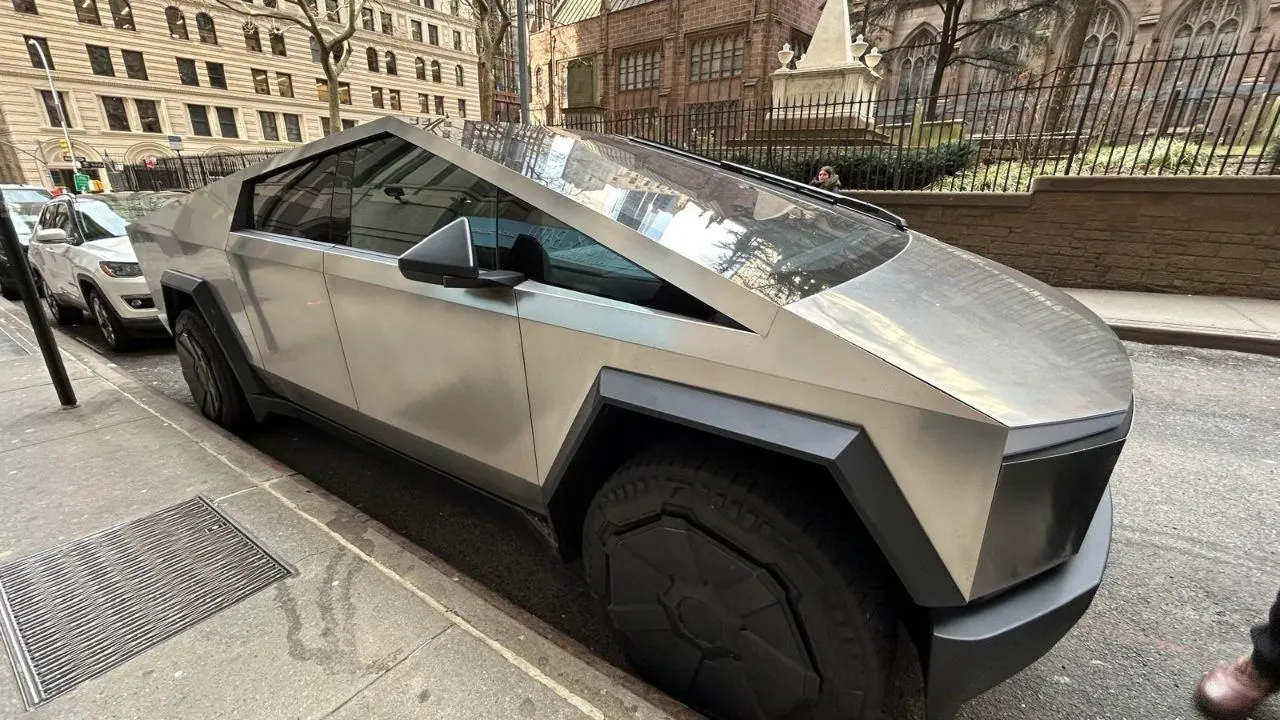

Tesla’s futuristic pickup truck was supposed to shake up the whole automotive industry, but the Cybertruck is saying goodbye after just three years.
The Cybertuck has certainly made headlines since it first arrived, but Elon Musk is preparing to pull the plug on the EV.
Now, the company appears to have a very different vehicle in its sights.
Goodbye Cybertruck
According to an announcement from Musk on X, Tesla plans to wind down production of the famous electric pickup Cybertruck at its Texas Gigafactory around the middle of 2027.
But what is the reason?

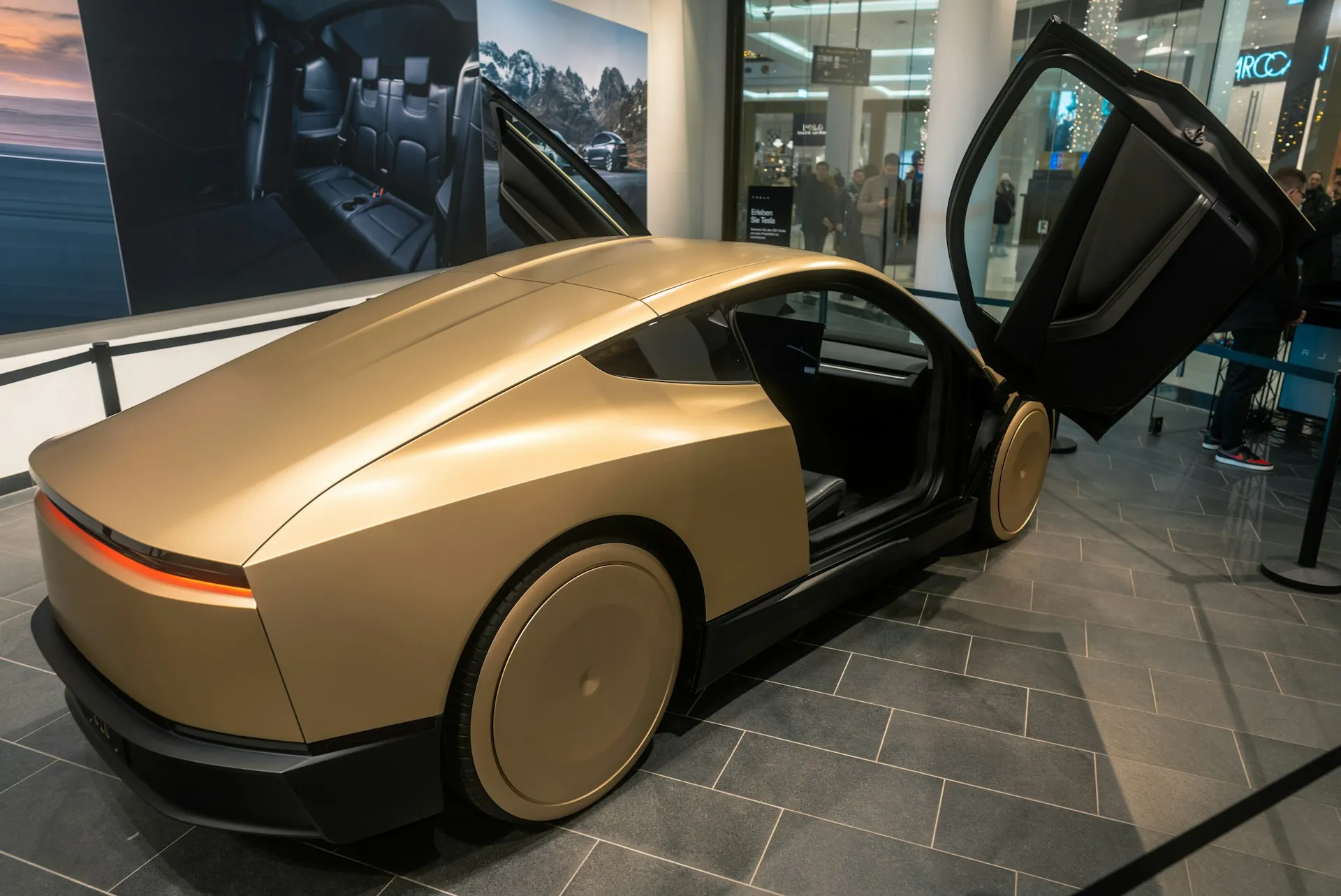
Well, it seems the company wants to make room for increased production of its Cybercab, an autonomous electric vehicle designed to operate as part of Tesla’s robotaxi network.
Tesla will be winding down production of the Cybertruck at Gigafactory Texas around the middle of next year to make room for increased Cybercab production
— Elon Musk (@elonmusk) November 6, 2026
Musk didn’t explicitly confirm whether the Cybertruck would be discontinued altogether or whether production could eventually move to another facility.
However, the company’s Cybertruck lead engineer, Wes Morrill, appeared to hint at the vehicle’s uncertain future.
Cybertruck was an incredible technology development platform and lives on through Cybercab. Thanks to everyone who contributed to making the future looking like the future As well to the community of owners whose adventures I’ve enjoyed and will continue to follow ❤️
— Wes (@wmorrill3) November 6, 2026
Responding to the announcement, Morrill described the pickup as an incredible technology development platform, adding that its legacy would live on through the Cybercab.
That’s not exactly the farewell Cybertruck fans might have been hoping for.
The pickup hasn’t quite lived up to Elon Musk’s expectations
When Tesla first unveiled the Cybertruck in 2019, Musk had some pretty ambitious plans for the unusual-looking pickup truck.
The vehicle finally arrived in 2023, sporting its distinctive angular stainless-steel exterior, and quickly became one of the most recognizable electric vehicles on the road, even for raccoons who thought it was a traveling dumpster.
But being recognizable and being a commercial success are two very different things.
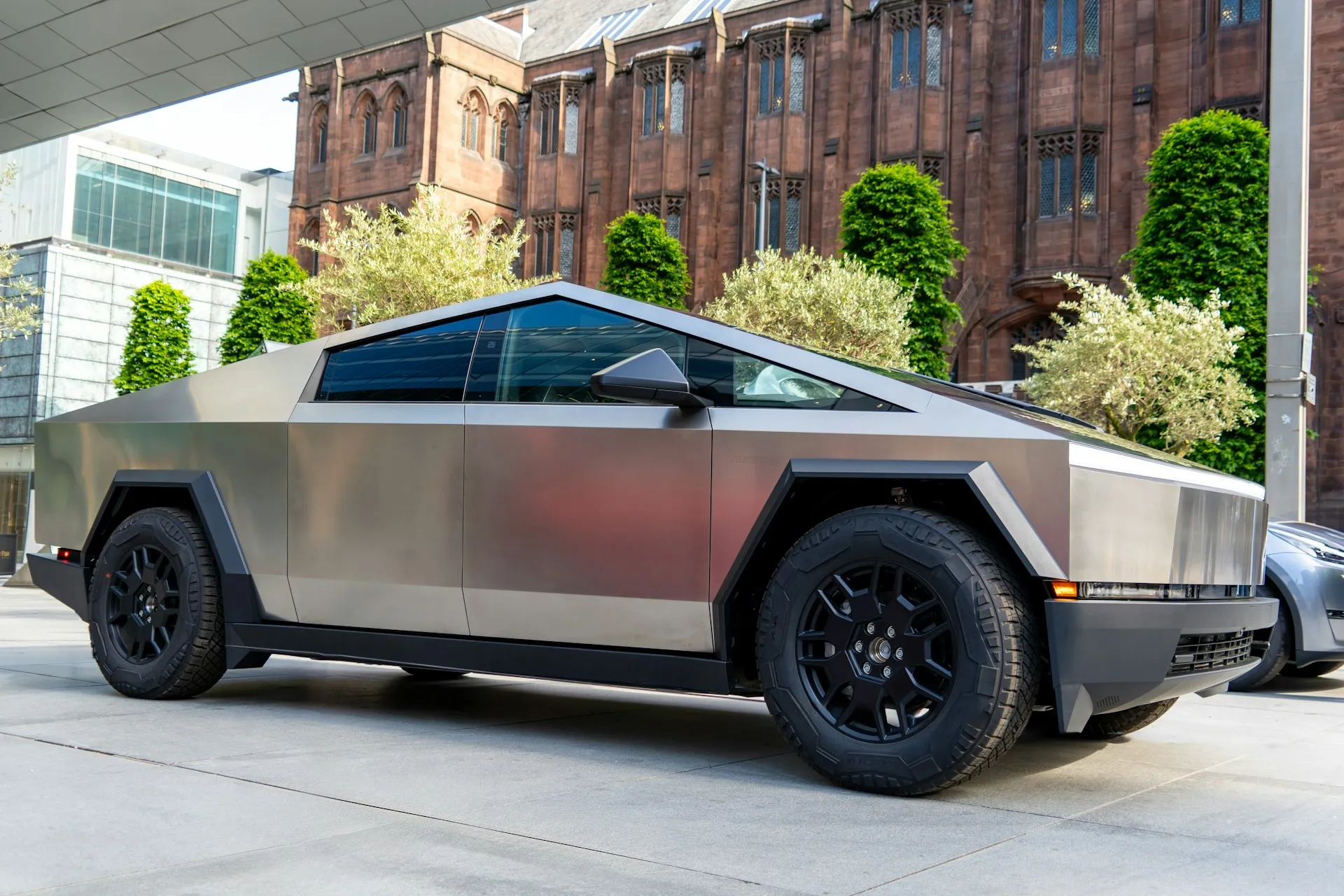
Musk previously suggested Tesla could eventually sell around 250,000 Cybertrucks annually.
However, estimates suggest the company has delivered roughly 70,000 since the vehicle launched, falling considerably short of those original ambitions.
The pickup has also faced several recalls and quality-control concerns, while its pricing has changed considerably since it was first announced.
Rather than continuing to dedicate valuable factory space to the Cybertruck, Tesla appears to be prioritizing its next big automotive experiment.
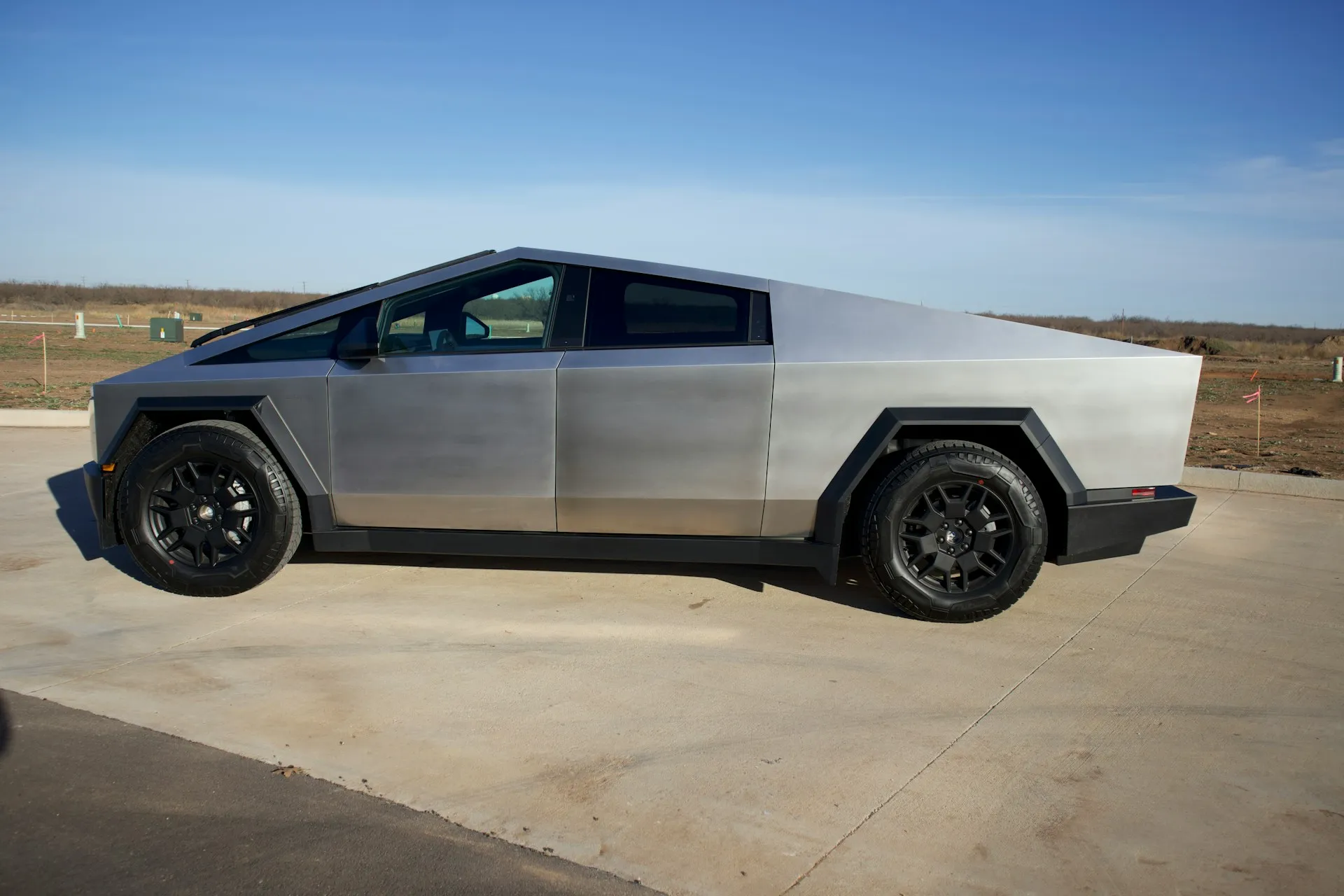
The Cybercab is central to Musk’s plans for a future built around autonomous transportation, and it’s pushing out the vehicle that was once the new kid on the block.
Commenters have responded on X in mixed ways, with some celebrating the death of the Cybertruck: “Didn’t even last five years. Pathetic.” and “Hehe no wonder. Just make cars people actually like.”
Others are in mourning, saying things like: “That is so disappointing. I absolutely love my Cybertruck. It’s the best Tesla I’ve ever owned.”
Anther person wrote: “Please don’t stop making Cybertruck. When my current one wears out, I’ll need another. Can’t imagine driving anything else ever again.”
One thing’s for sure: this news has hit people with a bomb, and we wonder if people will be as receptive to the Cybercab if they know it caused the downfall of the unusual EV pickup.
The best of Supercar Blondie, every Sunday
The week's best car stories, straight to your inbox. Free.
Daisy is a technology and automotive journalist covering artificial intelligence, consumer tech, Apple news, cryptocurrency, emerging technologies, and transportation innovation. Since joining the team in 2025, she has reported on everything from AI-powered startups and major iOS updates to viral car stories and the latest developments shaping transportation and the digital economy. Drawing on her background in automotive journalism and a degree in History and Journalism from Goldsmiths, University of London, Daisy specializes in breaking down complex topics into clear, engaging reporting for a global audience. Her work spans cutting-edge technology, innovative vehicles, and the people driving change across both industries. Daisy has gained first-hand access to some of the world's most talked-about technologies and innovators, including meeting Tesla's Optimus humanoid robot during its first European appearance in London. She has also discussed the future of space exploration with an astronaut, bringing unique insights and real-world perspectives to her coverage of emerging technology.