Tesla just admitted under oath that its robotaxis are sometimes secretly controlled by remote human drivers
Published on Apr 06, 2026 at 7:38 PM (UTC+4)
by Jason Fan
Last updated on Apr 06, 2026 at 7:38 PM (UTC+4)
Edited by
Jason Fan
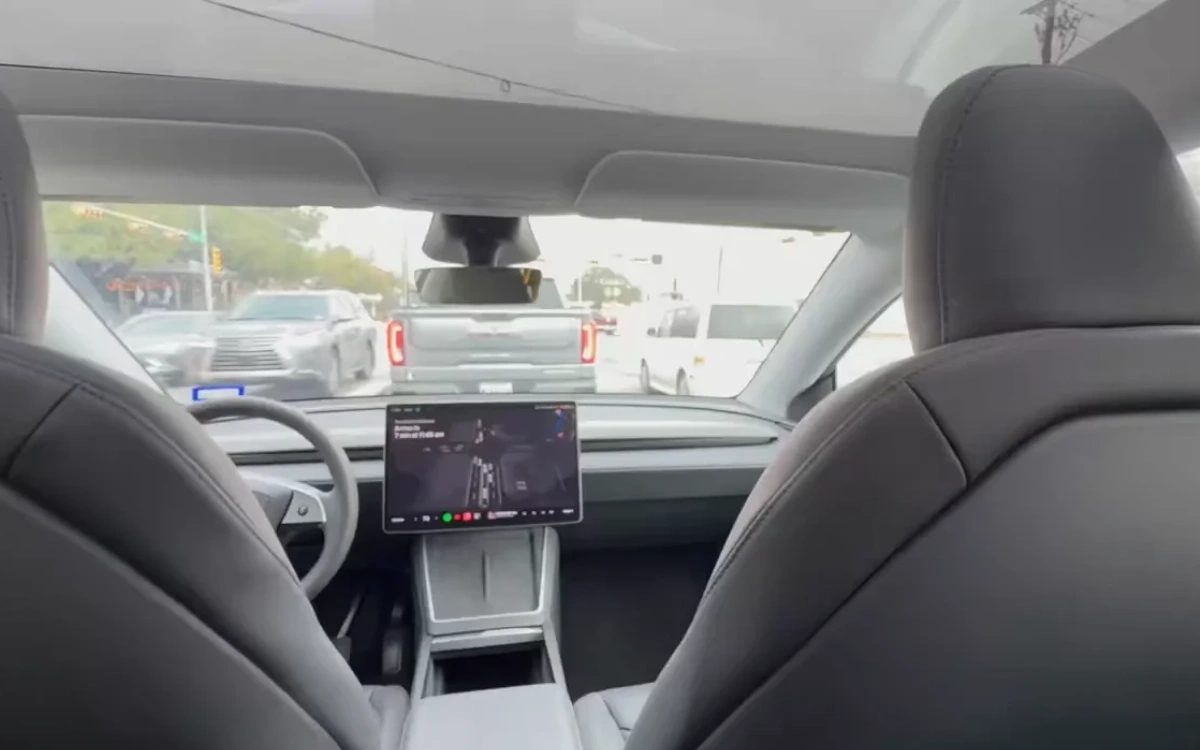

Tesla Robotaxis have long been pitched as fully autonomous, but new revelations show that remote human drivers are sometimes still part of the equation.
This bombshell raises big questions about juts how ‘self-driving’ these cars really are.
The disclosure came through official letters submitted to US Senator Ed Markey, offering one of the clearest looks yet at how autonomous vehicles operate behind the scenes.
As it turns out, humans have a bigger part to play in these autonomous EVs than we originally thought.
Human operators are only supposed to provide guidance
At the heart of the issue is something called ‘remote assistance,’ a system used across the autonomous vehicle (AV) industry.
When a self-driving car gets confused, stuck, or encounters an unusual situation, human operators step in to help.
Most companies insist these humans only provide guidance, leaving the car’s software to make the final decision.
But Tesla stands apart.
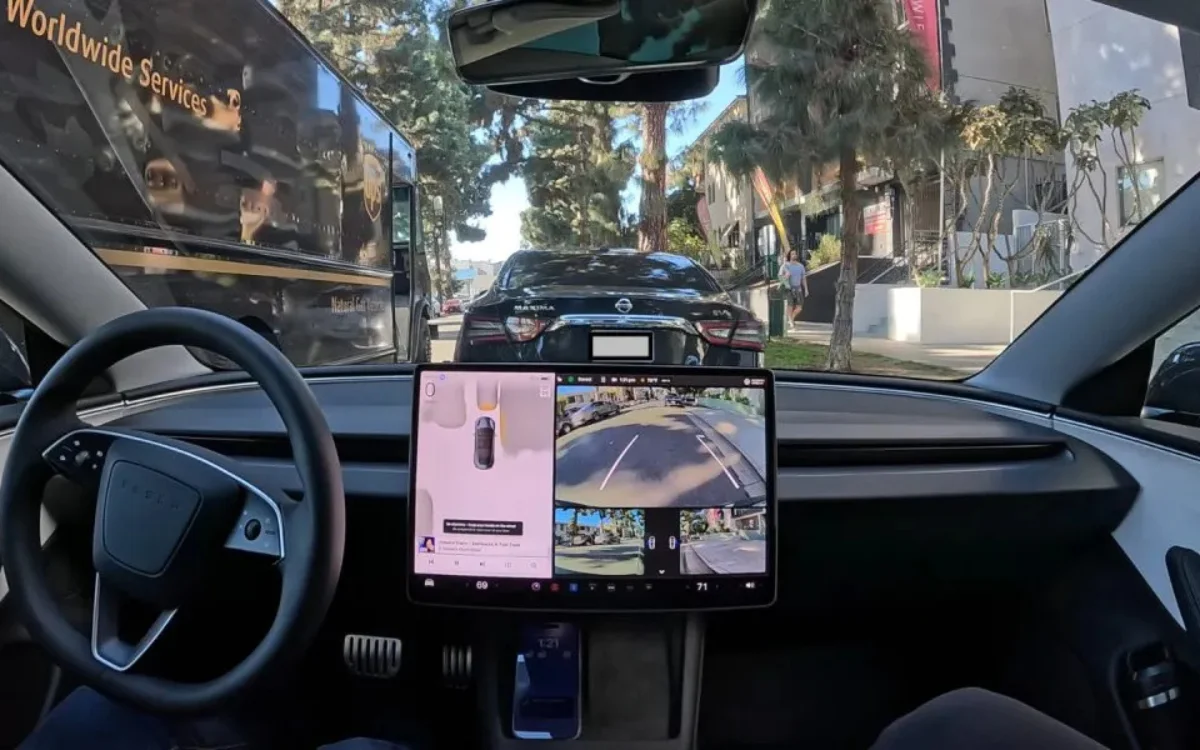
In its response, Tesla confirmed that its remote operators can, in rare cases, take direct control of a vehicle.
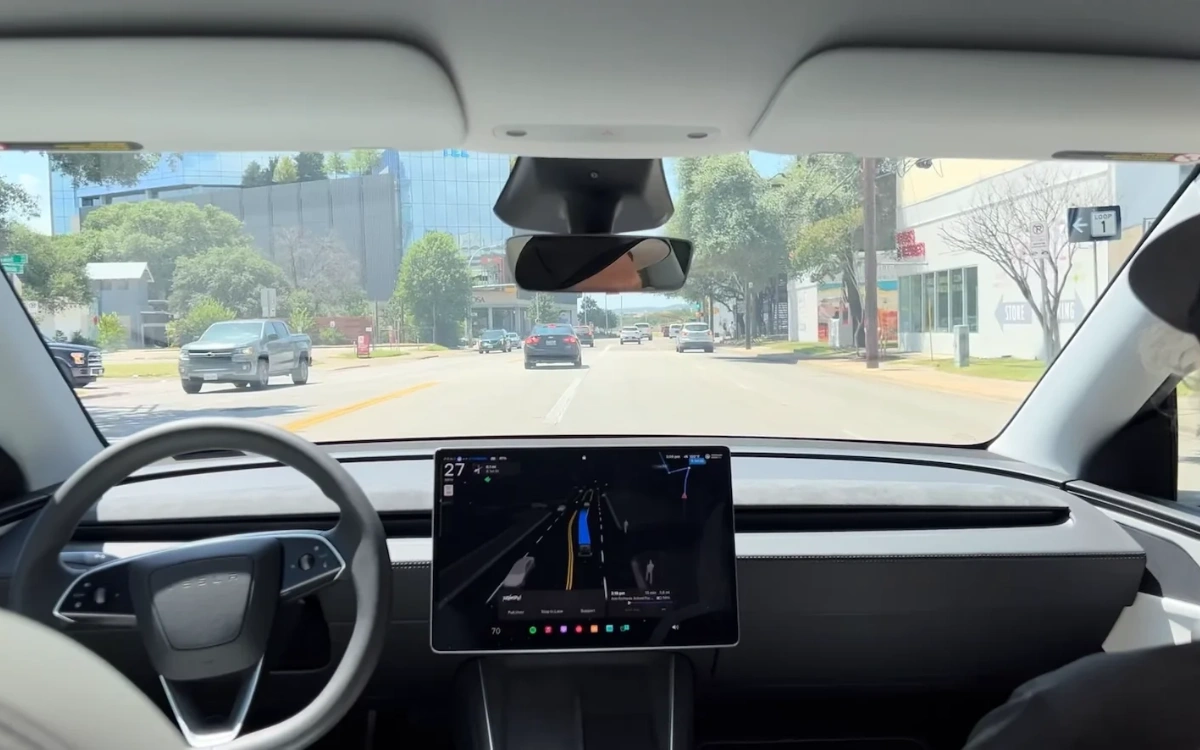
These interventions are limited to low speeds, typically under 2 mph, or up to 10 mph if conditions allow.
The goal is simple: move the car out of tricky or potentially dangerous situations.
Still, the idea that a ‘driverless’ car might quietly be driven by a human, even briefly, is enough to spark debate.
Senator Markey was not impressed.
He criticized companies for refusing to disclose how often these interventions happen, calling it a major transparency gap.
Without that data, it is difficult for regulators or the public to fully understand how autonomous these systems really are.
“Autonomous vehicle companies make big promises about the safety of their self-driving cars, but it turns out that human workers still play a critical role with this technology,” said Senator Markey.
“I’m calling on the National Highway Traffic Safety Administration to investigate, and I am working on legislation to impose strict guardrails on AV companies’ use of remote operators.”
Remote human drivers may not be able to respond fast enough
Experts say the reliance on human backup is not surprising.
Despite rapid advances, nothing driving itself on the road today is actually fully self-driving.
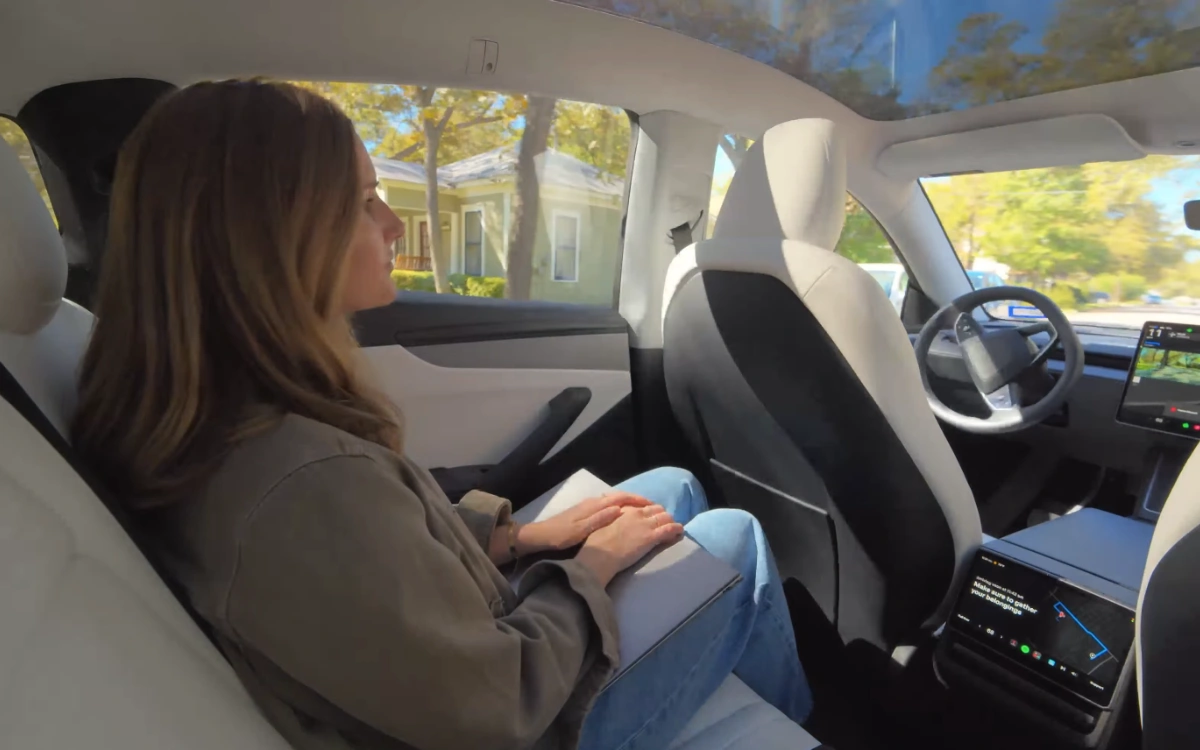
Self-driving technology still struggles with edge cases, rare or unpredictable scenarios that fall outside its training.
Complex urban environments, unusual road layouts, or unexpected human behavior can all trip up even the most advanced systems.
Remote assistance acts as a safety net, ensuring that a human can step in when the software reaches its limits.
However, direct remote control introduces its own risks.
Even tiny delays in data transmission can affect reaction times, making it harder for remote human drivers to respond as quickly as someone physically inside the car.
Engineers warn that a vehicle controlled over the internet is only as reliable as its connection, and any lag could have serious consequences.
Today’s autonomous vehicles are undeniably more capable than they were just a few years ago.
Companies like Waymo operate thousands of robotaxis across multiple cities, and in many cases, these cars can handle entire trips without intervention.
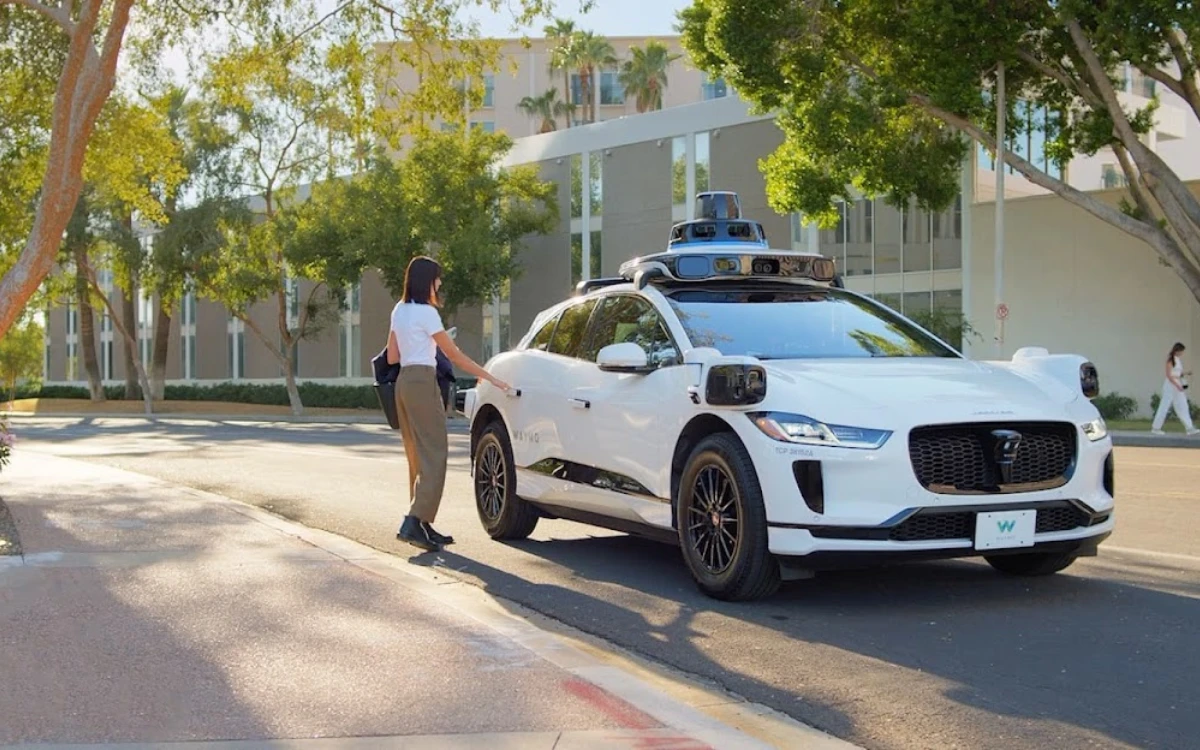
But true, fully independent autonomy remains a work in progress.
For now, the reality is somewhere in between.
DISCOVER SBX CARS: The global premium car auction platform powered by Supercar Blondie