Mechanical engineer reveals the real-world reality of how fast Tesla's Roadster can actually go after 0.81 second 0-60mph time
Published on Oct 30, 2026 at 6:05 PM (UTC-4)
by Alessandro Renesis
Last updated on Oct 30, 2026 at 6:05 PM (UTC-4)
Edited by
Mason Jones
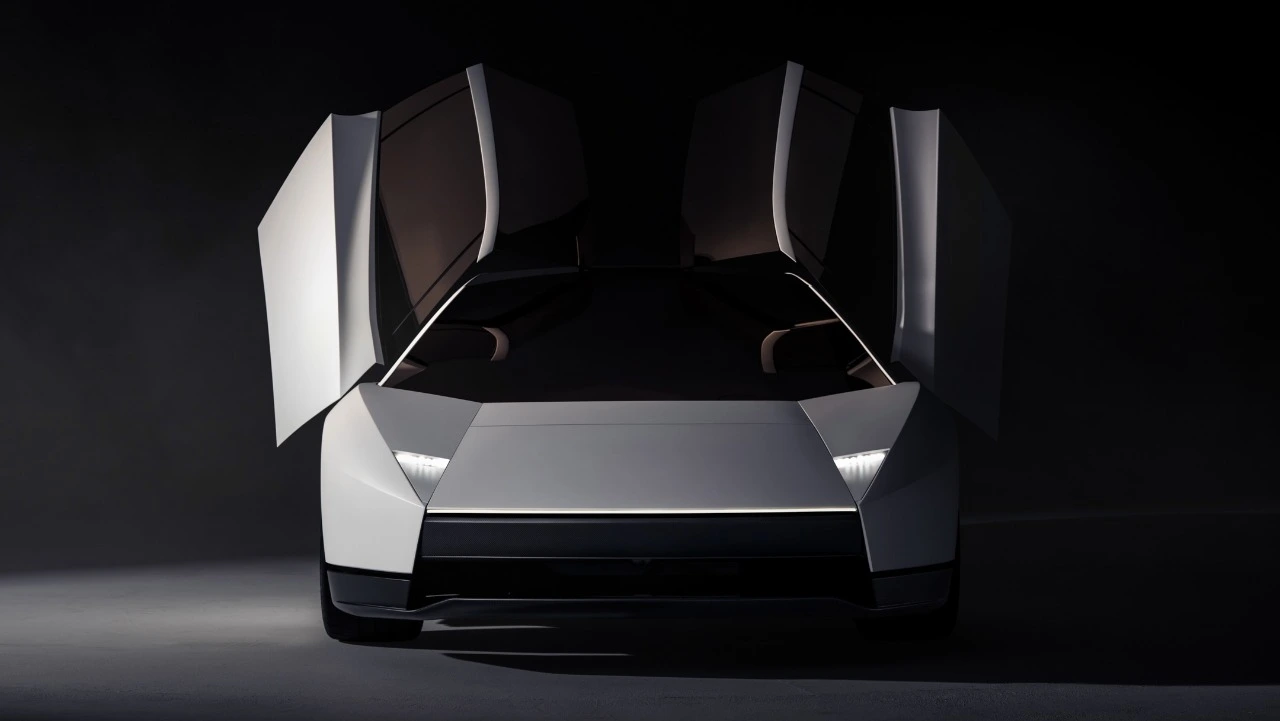

The new Roadster can do 0-60mph in less than one second thanks to some wild technology that Tesla pioneered.
Called the Multi-Mode Adhesion System, this is an active underbody suction technology featured on the second-generation Tesla Roadster that generates downforce and keeps the car literally glued to the ground.
It’s an incredible system, but also quite complicated.
Fortunately, our go-to mechanical engineer was able to break it down for you.
How difficult is it to pull this off?
It’s been called the Multi-Mode Adhesion System but also Multi-Mode Fan and Ground Sealing System.
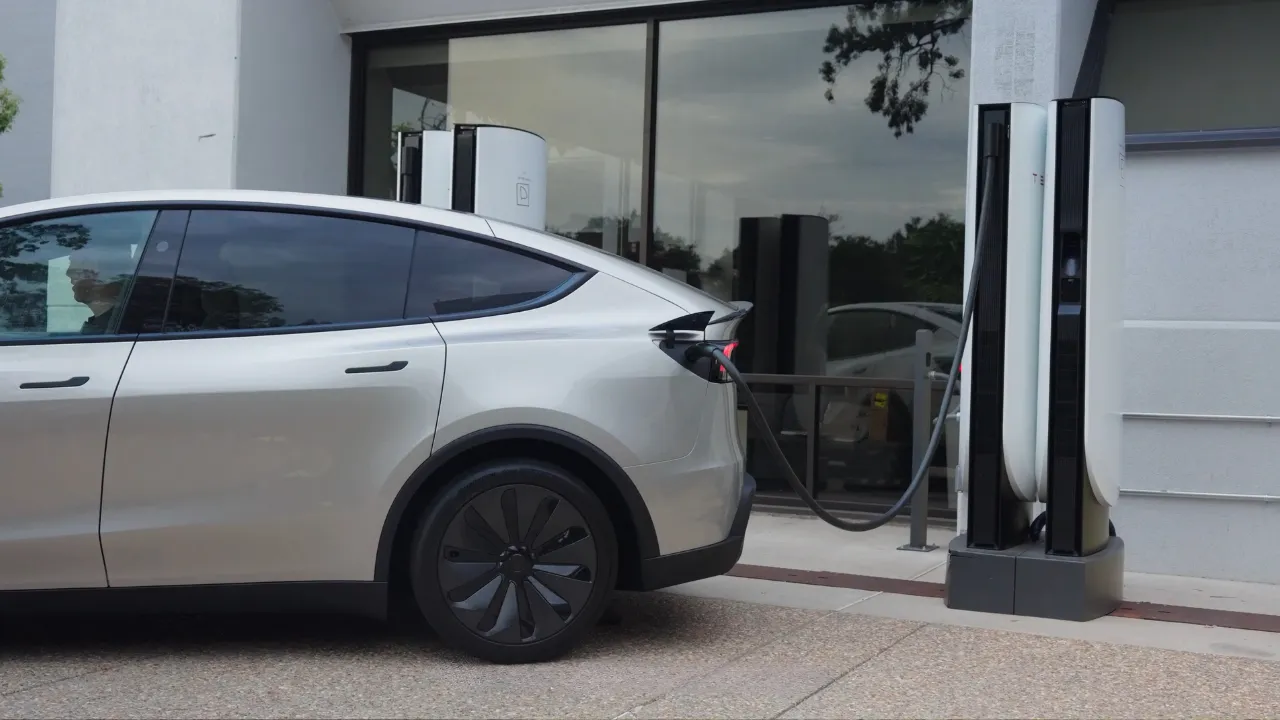
Tomato,tomato, because what matters is that this is an active underbody suction technology.
But how hard is it to actually build it?
“The idea is to create a pressure difference between the upper part (the roof) and the lower part (the underbody) of the car,” mechanical engineer Simone Bianconi told Supercar Blondie.
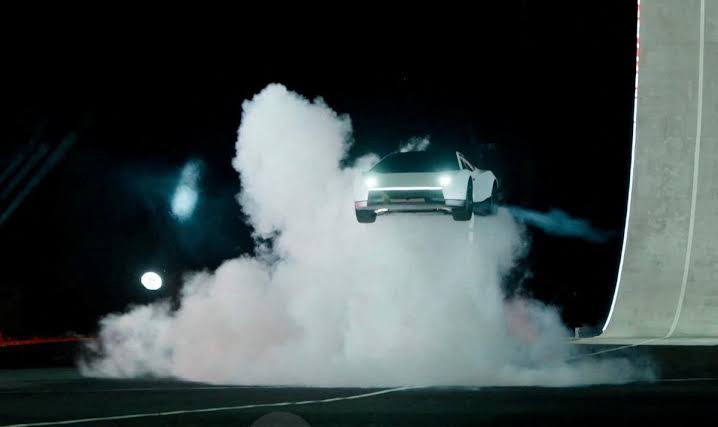
“What happens is that the wing profile is ‘inverted’, so that the higher pressure is on the roof and the lower pressure is underneath the floor. This pressure difference pushes the car down onto the ground.
“What generates the pressure is the speed at which the air passes over and under the car. It’s called the Bernoulli’s principle.”
Are there any speed limits?
The short answer is yes, but not because of the reasons we think.
Apparently, there is no fixed maximum or minimum value, but you have to take the driver’s safety into account.
“In the case of a Tesla doing the ‘Hot Wheels’ loop, the maximum speed is dictated more by the centripetal acceleration experienced by the driver, since a turning car is subjected to a centripetal force that depends on the speed and the radius of the curve – the same force that tends to throw you outward when you take a corner at a sustained speed,” Bianconi explained.
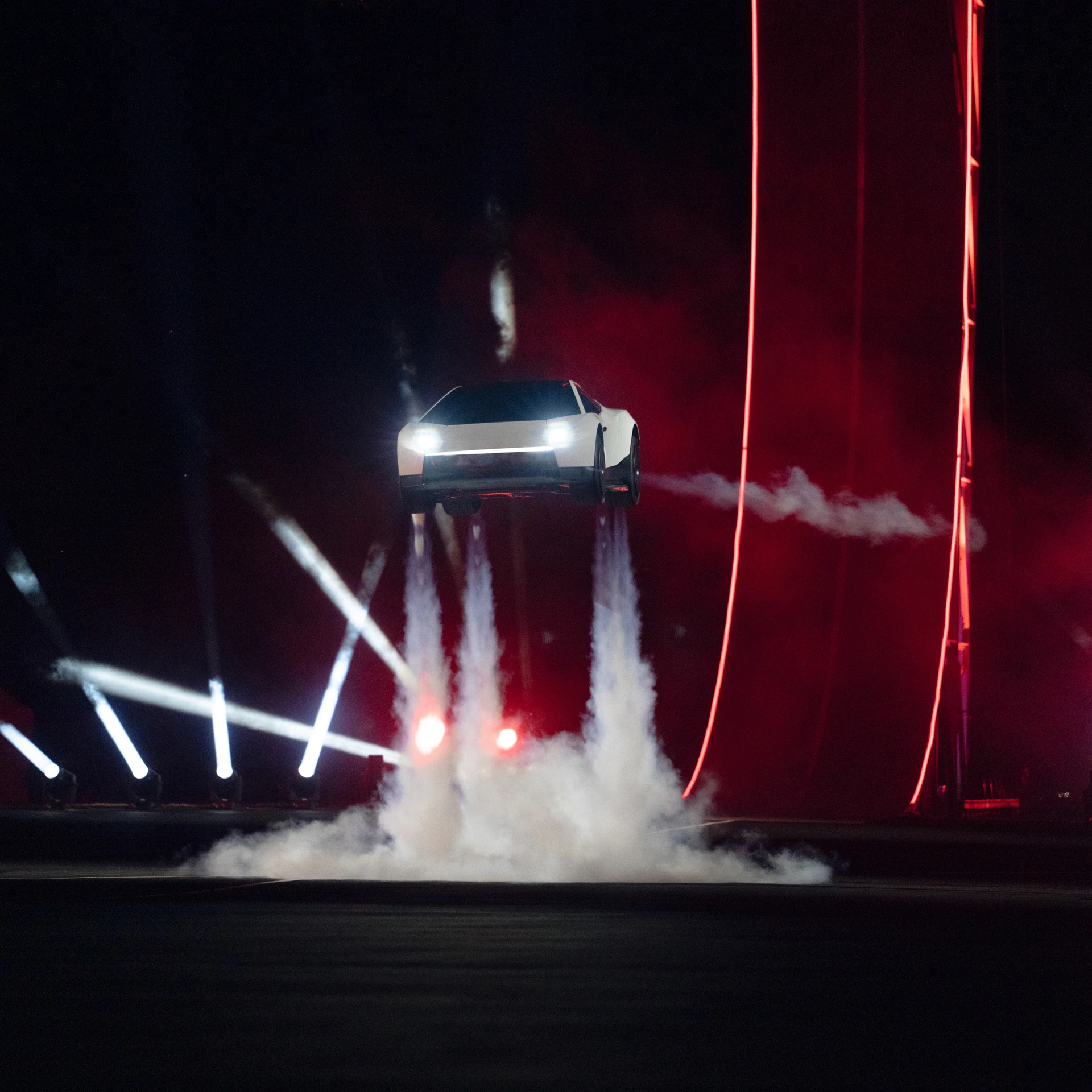
“In other words, it depends on the driver’s ability to sustain centripetal force without suffering injuries. Since the car used for the unveil only had the Optimus robot at the wheel, the maximum value depends on the vehicle’s mass and, to a large extent, its aerodynamics, and so there’s no theoretical limit.
“For the minimum speed, on the other hand, things are different. If you neglect the downforce effect, the minimum speed must be enough to generate a centripetal acceleration that exceeds the acceleration due to gravity.
“In other words, it has to go fast enough that it doesn’t fall from the sky.”
Other than making a Tesla Roadster go upside down, what else can you use it for?
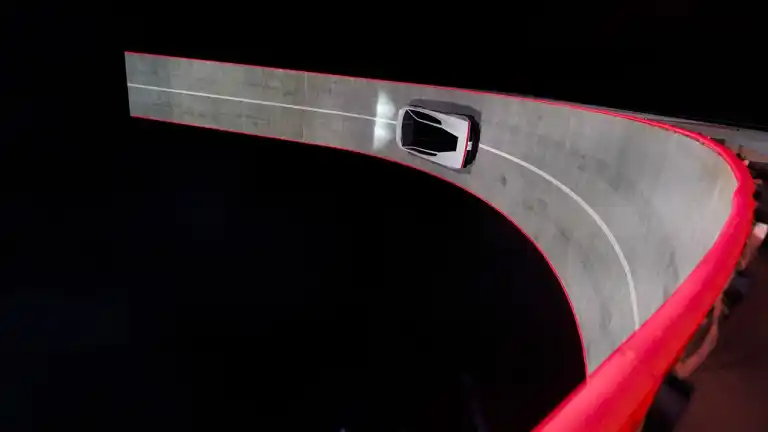
In Bianconi’s view, it’s all about going fast… safely.
“Other applications are specifically designed to allow vehicles to travel at high speeds without taking flight,” he prefaced.
“That’s what engineers in F1 spend so much of their time on. This trick of pressing the vehicle down to the ground is widely used to increase maximum speed: the more firmly you are pressed to the ground, the easier it is for the wheels to transfer torque and power to the road.

“And that applies to braking, accelerating, cornering – everything.”
So, basically, it looks like Tesla may have created a ‘cheat code’ to go faster.
Alessandro is an automotive journalist with 10 years of experience covering supercars, automotive history, emerging vehicle technology, and luxury transportation. He wrote the first article published on SupercarBlondie.com when the website launched in 2022 and has since built a reputation for insightful reporting across the automotive and transportation industries. His expertise is grounded in hands-on experience. Alessandro has driven every Tesla model ever produced, from the original Roadster to the Cybertruck, and regularly covers the latest developments in electric vehicles and automotive innovation. His passion for transportation extends beyond cars, he has even flown a Boeing 787 Dreamliner simulator in Addis Ababa, Ethiopia. His reporting spans everything from classic American muscle cars and rare automotive discoveries to luxury yachts, private aircraft, high-end watches, and cutting-edge vehicle technology. Known for his deep knowledge of automotive history and ability to uncover the stories behind iconic vehicles, Alessandro brings readers a blend of historical context, technical expertise, and first-hand experience.




