Saudi Arabia's $500 billion 106-mile 'The Line' project that was set to house 9 million people has stalled and this is what it's being turned into
Published on Aug 07, 2026 at 3:04 AM (UTC-4)
by Jason Fan
Last updated on Aug 10, 2026 at 2:34 AM (UTC-4)
Edited by
Jason Fan
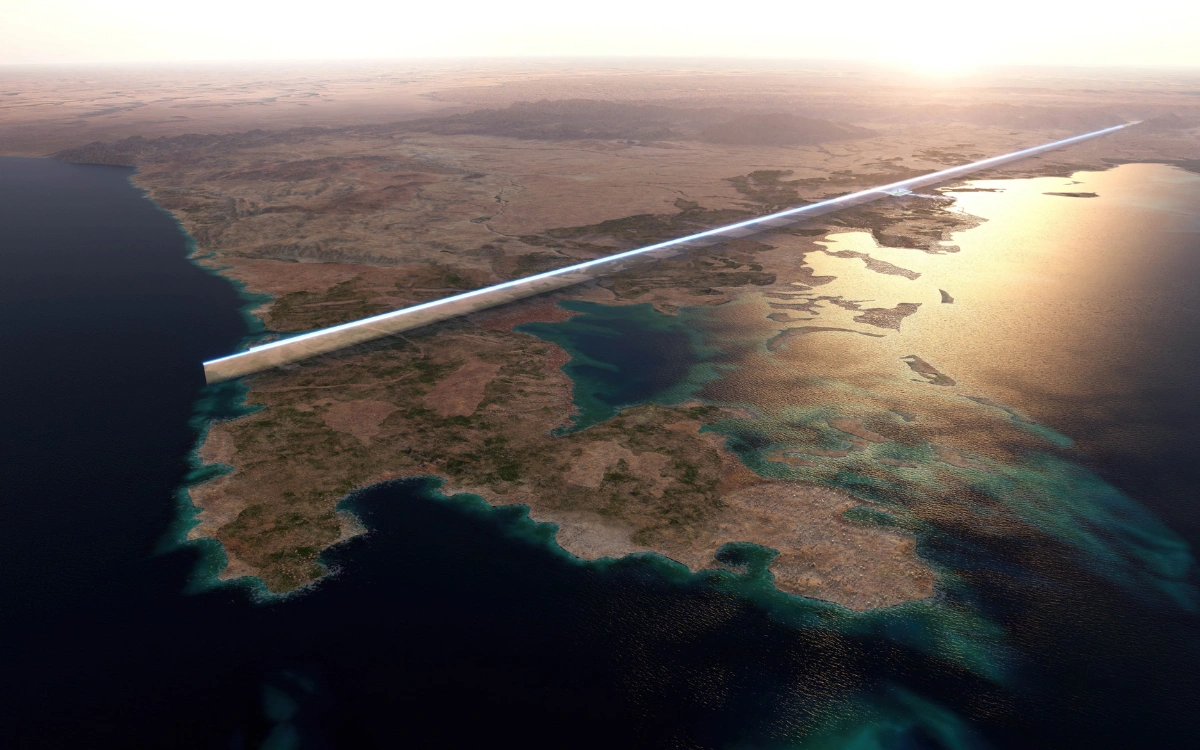

The Line was supposed to transform Saudi Arabia into the home of one of the world’s most futuristic cities.
Stretching 106 miles through the desert, the futuristic megastructure was designed to house up to 9 million people.
Now, that grand vision has hit the brakes, with work reportedly delayed beyond 2030 and the project being dramatically scaled back.
In its place could come something considerably less glamorous: a massive hub for artificial intelligence and data centers.
The project was always rather ambitious
When The Line was unveiled, the numbers were exceedingly ambitious.

The planned city would run for 106 miles but measure just over 650 feet wide, with mirrored walls rising around 1,640 feet high.
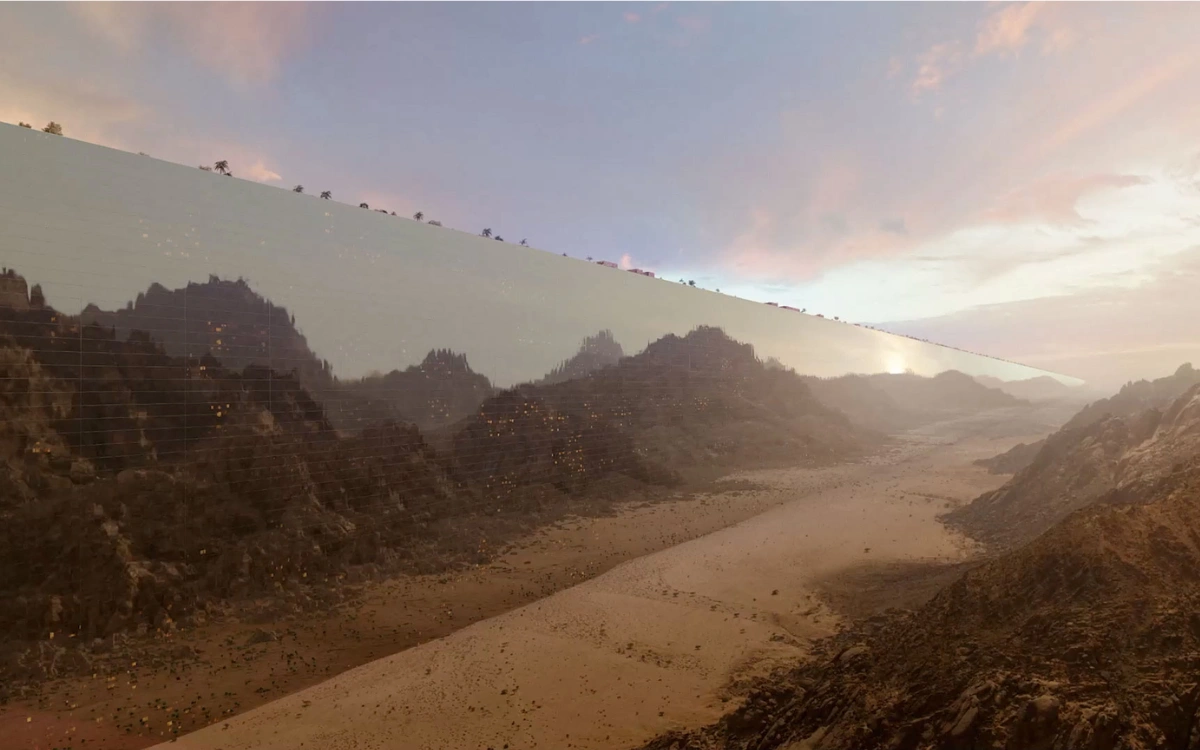
There would be no traditional roads or private cars, while residents were promised that essential services would be within a five-minute walk.
Saudi Arabia’s official plans even envisioned the luxury development eventually accommodating 9 million people on a surprisingly tiny footprint.
The project formed part of NEOM, the roughly $500 billion development announced as a centerpiece of Saudi Arabia’s Vision 2030 diversification strategy.
The goal was to build a futuristic economic zone that could help the kingdom reduce its dependence on oil.
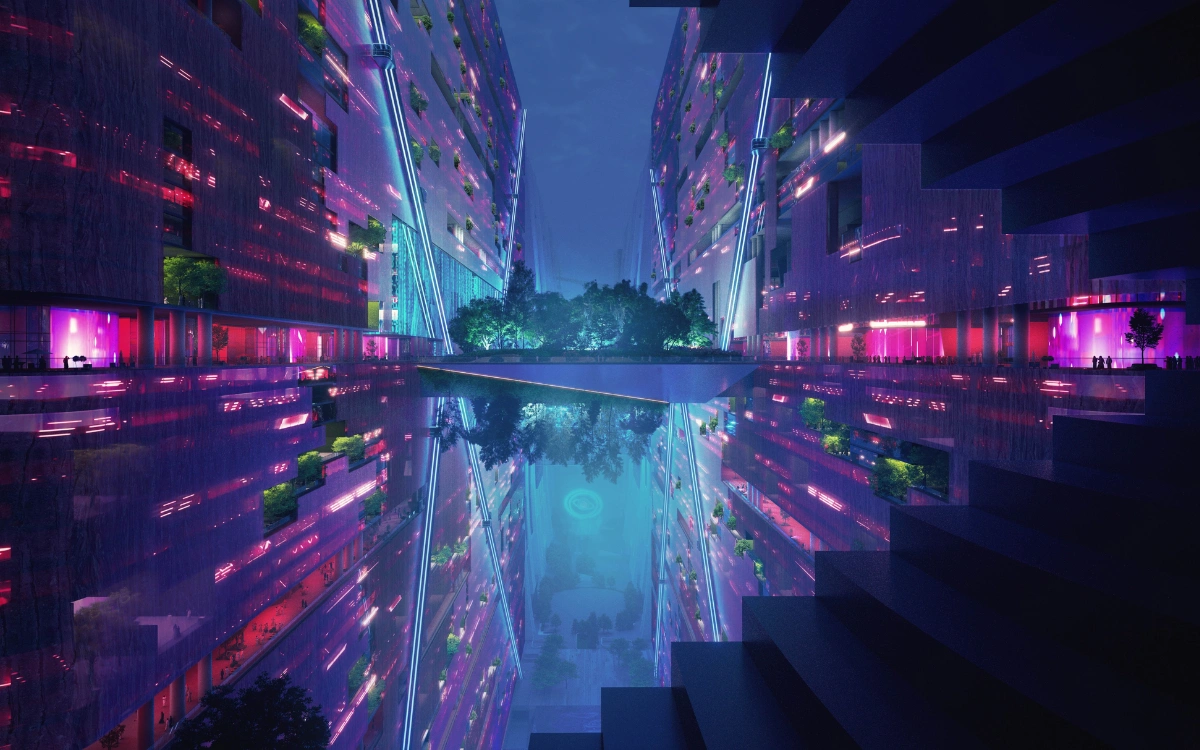
As it turns out, the problem was that building a 106-mile city in the desert turned out to be rather complicated.
While generating digital images is child’s play, cost overruns, construction delays and pressure on Saudi Arabia’s finances have forced a rethink on the project.
The Financial Times reported that NEOM was being significantly scaled back, with The Line being redesigned around a much smaller development and a stronger industrial focus.
The Line is pivoting to AI
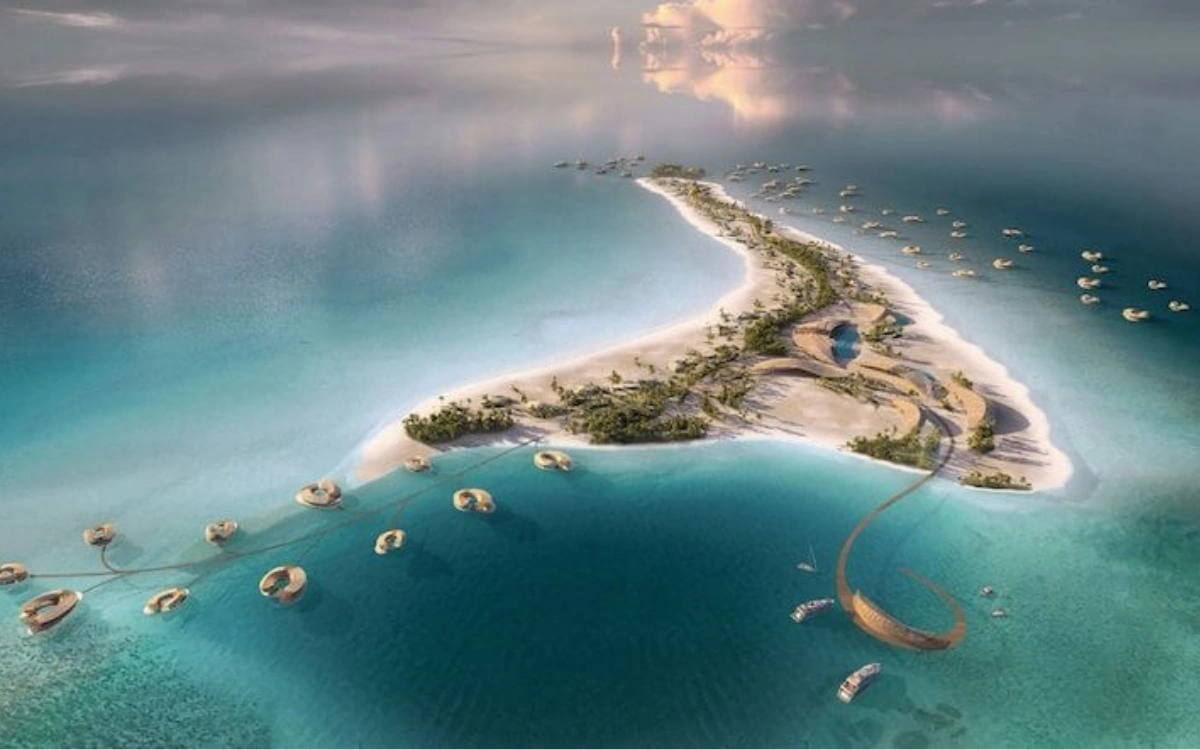
Reports indicate that parts of the development could be repurposed for data centers, taking advantage of NEOM’s access to renewable energy and its coastal location.
The Red Sea could also provide seawater for cooling, a particularly useful trick when you’re trying to operate giant computer facilities in one of the world’s hottest environments.
After all, the amount of water a data center uses may shock you.
NEOM has separately emphasized its push to attract investors and partners in data and AI.
That would make for quite the plot twist.
A city designed to house 9 million people could instead spend its future housing something that never needs an apartment, a supermarket or a parking space: computers.
While the futuristic mirrored metropolis may have been too ambitious in its original form, Saudi Arabia clearly has other plans for The Line.