McLaren's fastest production car goes head-to-head against an F-35B fighter jet in race that nobody expected
Published on Nov 21, 2026 at 5:04 PM (UTC-5)
by Alessandro Renesis
Last updated on Nov 21, 2026 at 5:04 PM (UTC-5)
Edited by
Mason Jones
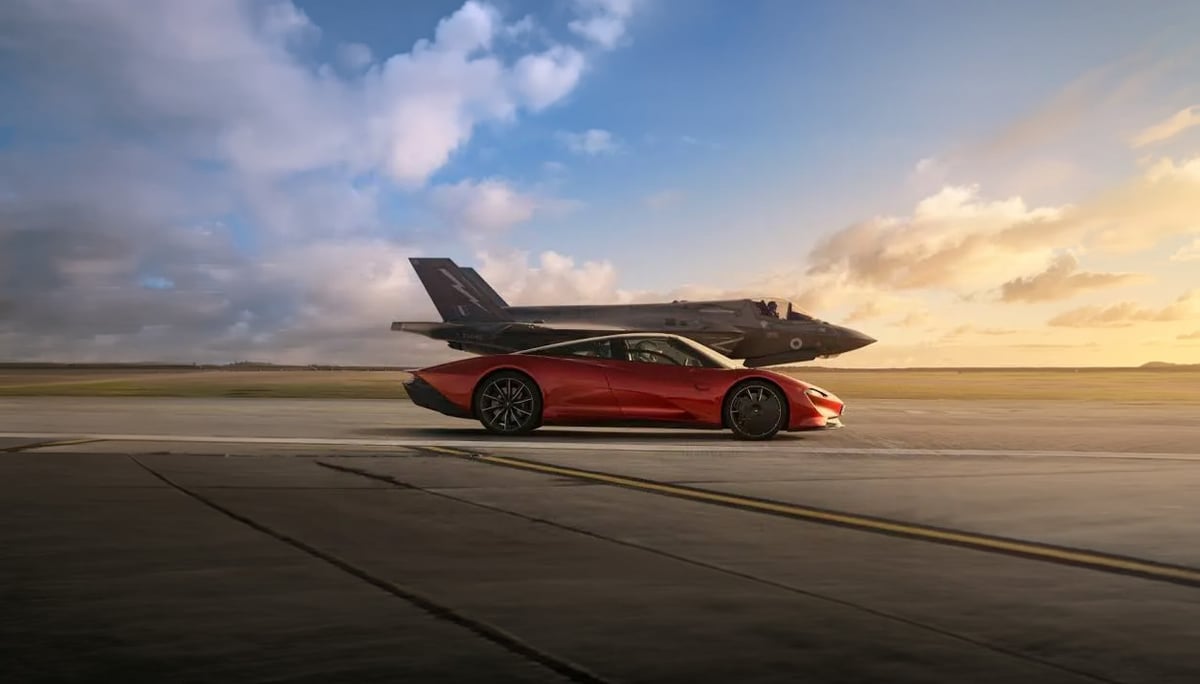

Chris Harris pitted a McLaren Speedtail against a Lockheed Martin F-35B fighter jet in a drag race that reminded us of the golden era of Top Gear.
It was a clash of physics and, well, money.
The Speedtail was expensive when it first came out and it is even more expensive today, and the F-35B costs more than most penthouses in New York.
And you’ll actually be surprised to learn how the race went.
A $2+ million hypercar versus a $120 million jet
Chris Harris raced a Lockheed Martin F-35B Lightning II fighter jet at the wheel of a $2.3 million (which was the original MSRP) McLaren Speedtail.
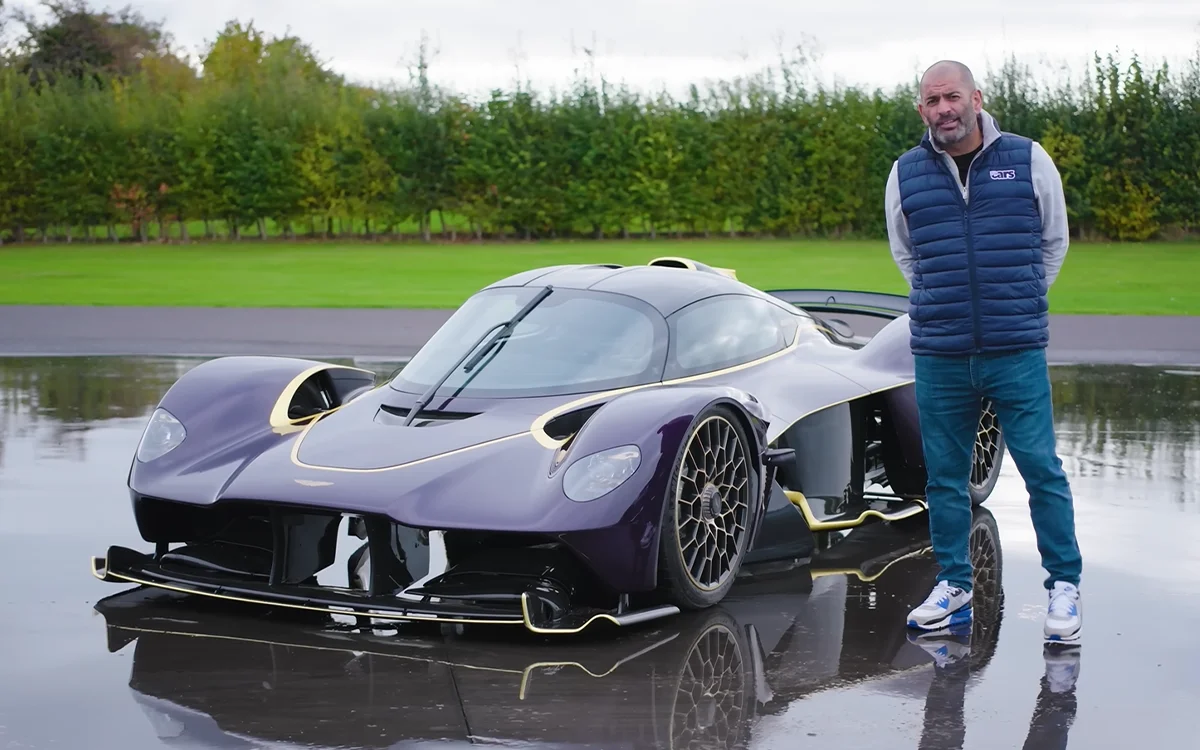
The 1,035-hp hybrid supercar can reach 402 km/h, but the F-35B can count on 40,000 pounds of thrust.
The price tags are also vastly different.
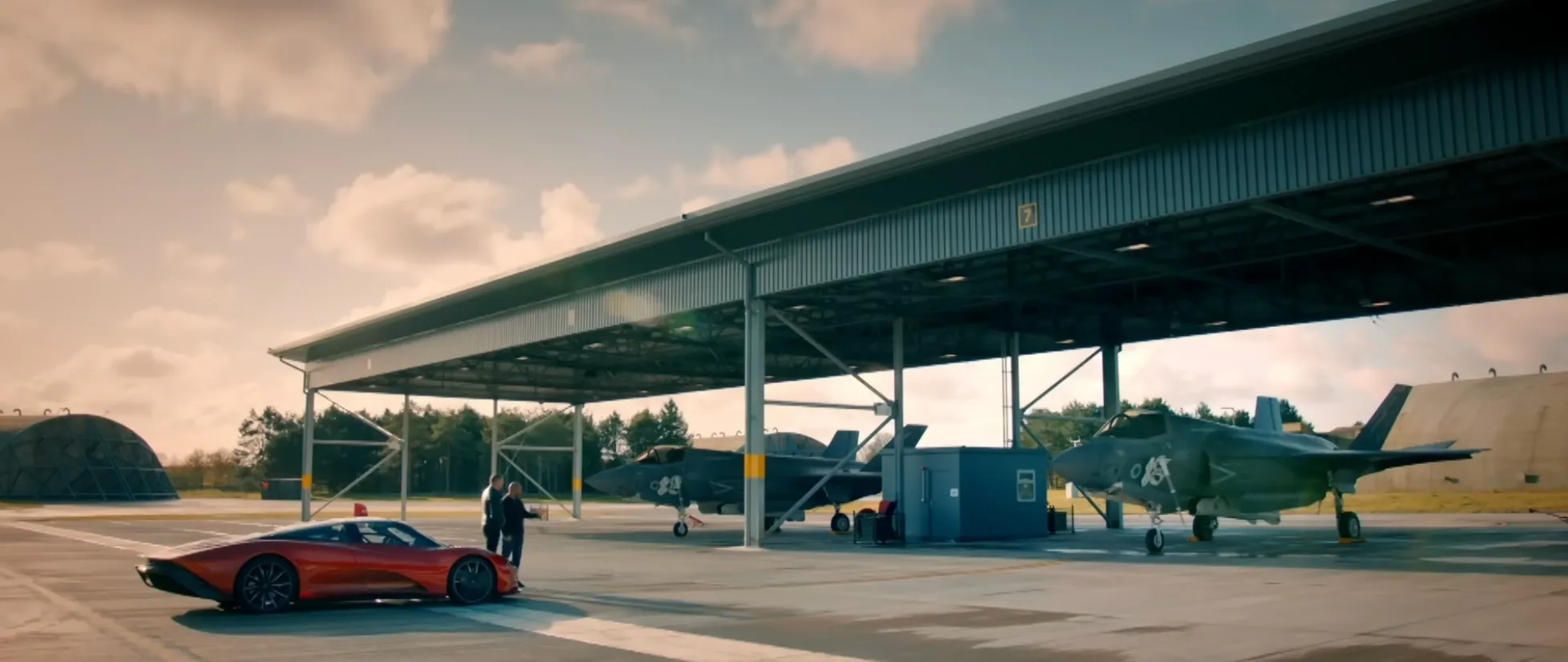
At around $2.3 million, the McLaren Speedtail was one of the most expensive hypercars you could buy when it came out.
And that was just the original MSRP, because in today’s market, a Speedtail can easily fetch $4 million or even $5 million at auction.
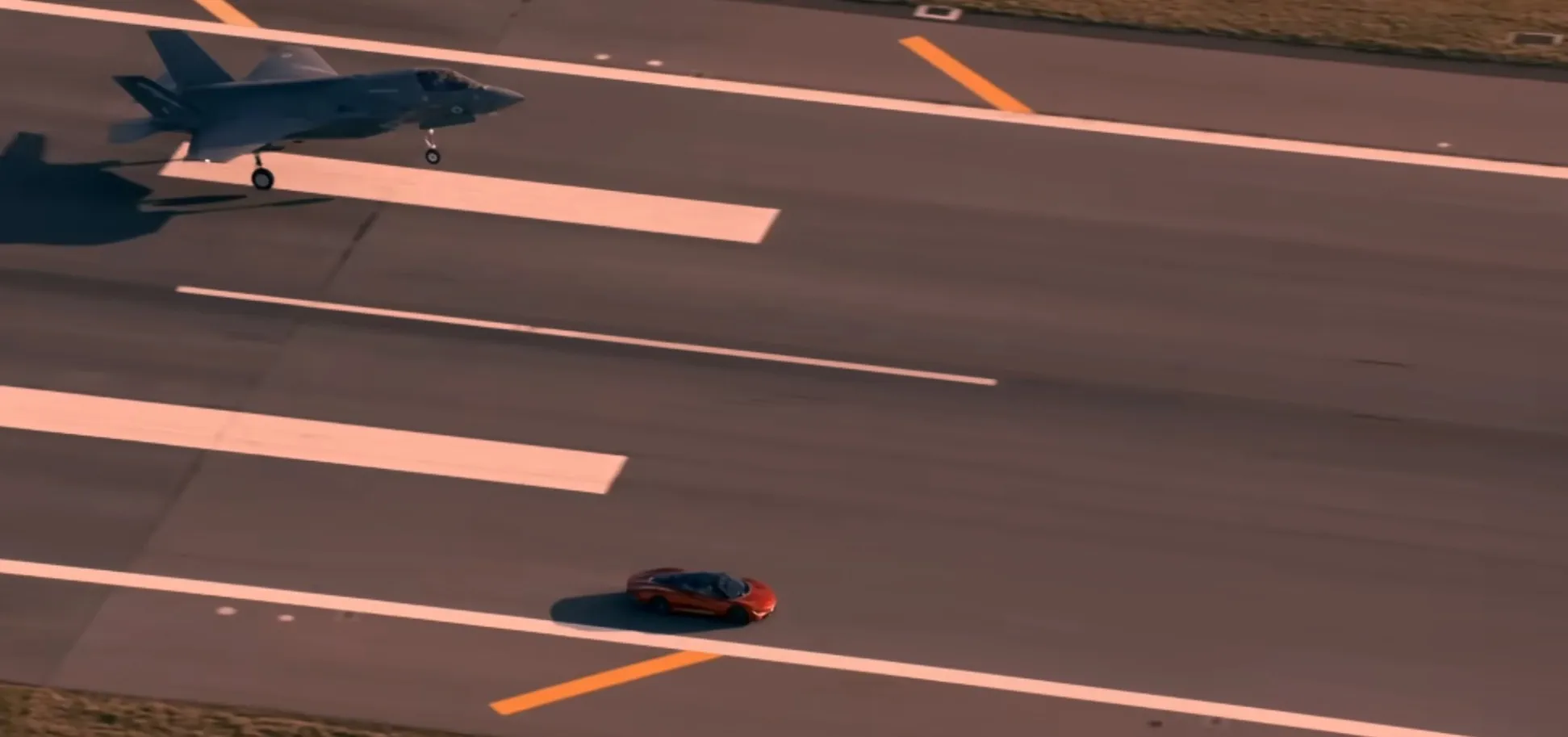
Having said that, that’s still nothing when you compare it to the F-35B Lightning II, which cost around $120 million to build.
Why Top Gear chose a triangular circuit for the Speedtail and F-35B fighter jet
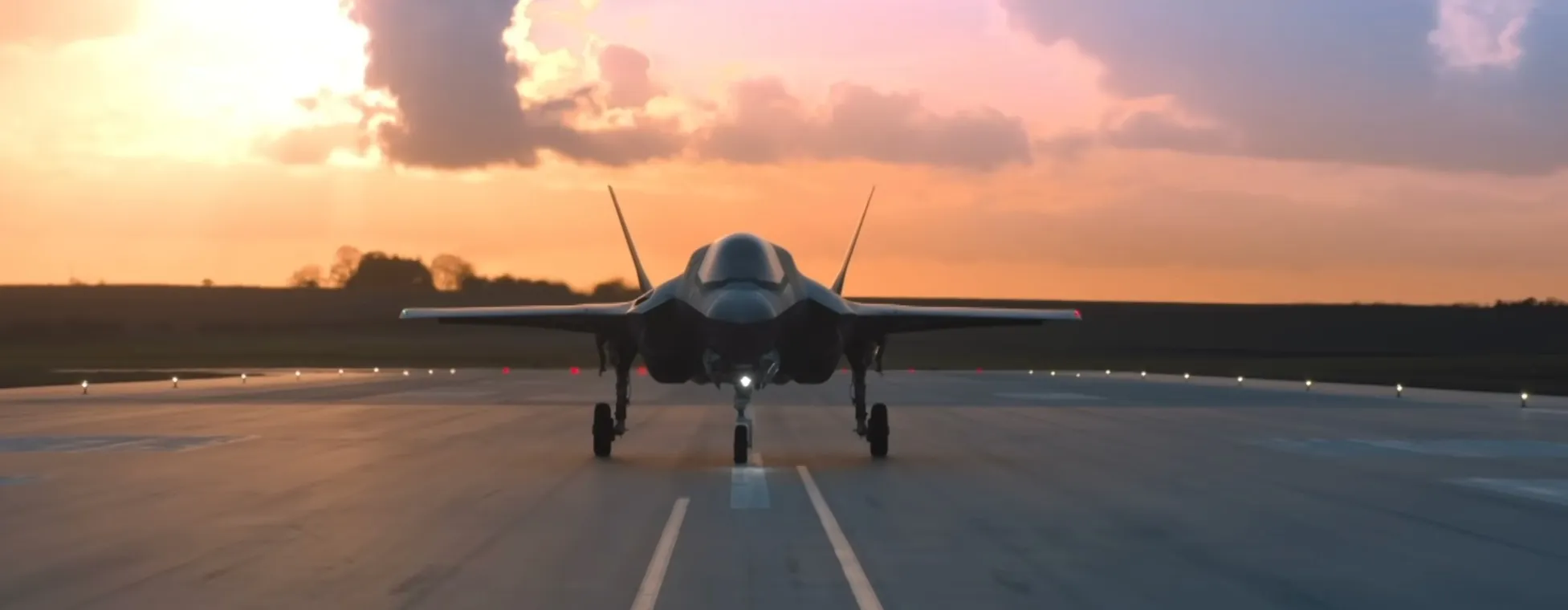
In past eras of Top Gear, a straight-line runway dash was the default format.
But a straight line heavily favors the vehicle with the higher top-end.
To make the McLaren Speedtail vs. F-35B showdown a genuine contest, the production team used a triangular circuit format.
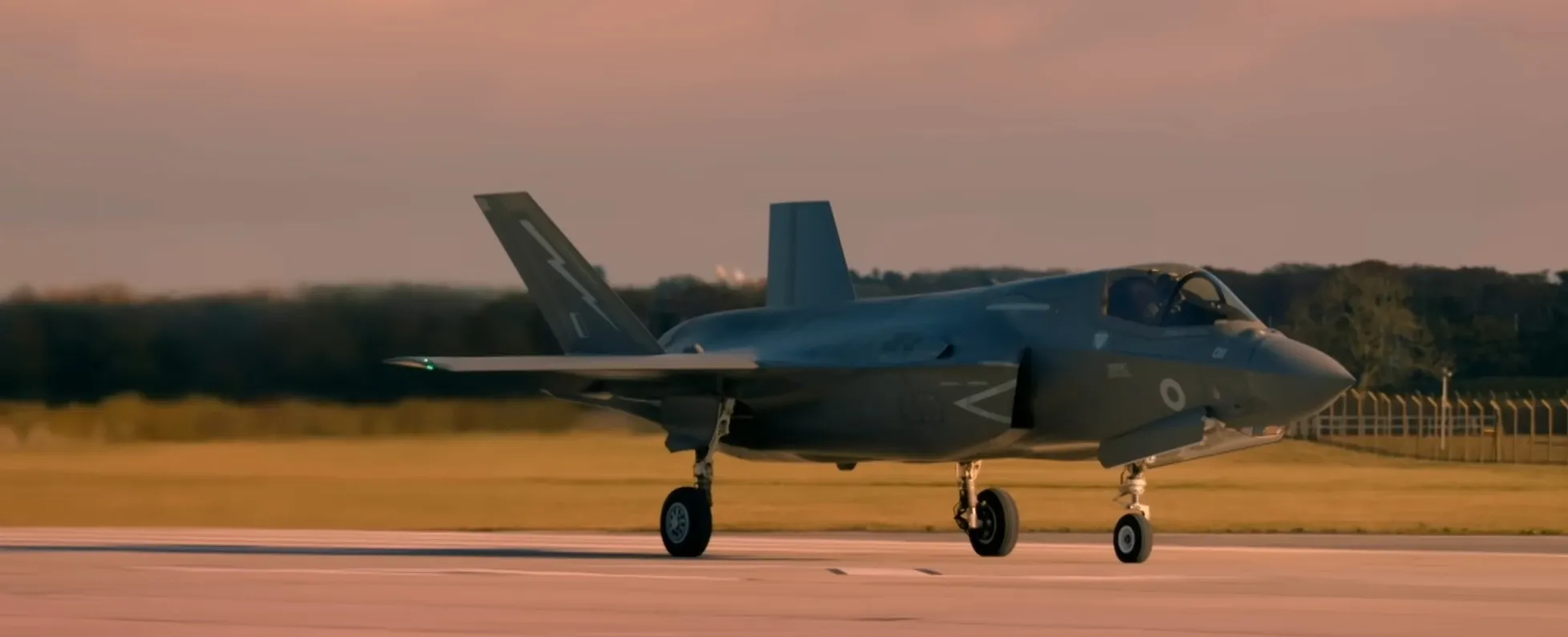
Staged at the Johnny Bohmer Proving Grounds at the Kennedy Space Center in Florida, the triangular layout introduced sharp turns and directional changes.
This format forced the F-35B to navigate complex flight paths while the Speedtail leveraged its instant electric-hybrid torque ans cornering agility.
And that’s how it managed to lose with dignity – so to speak.
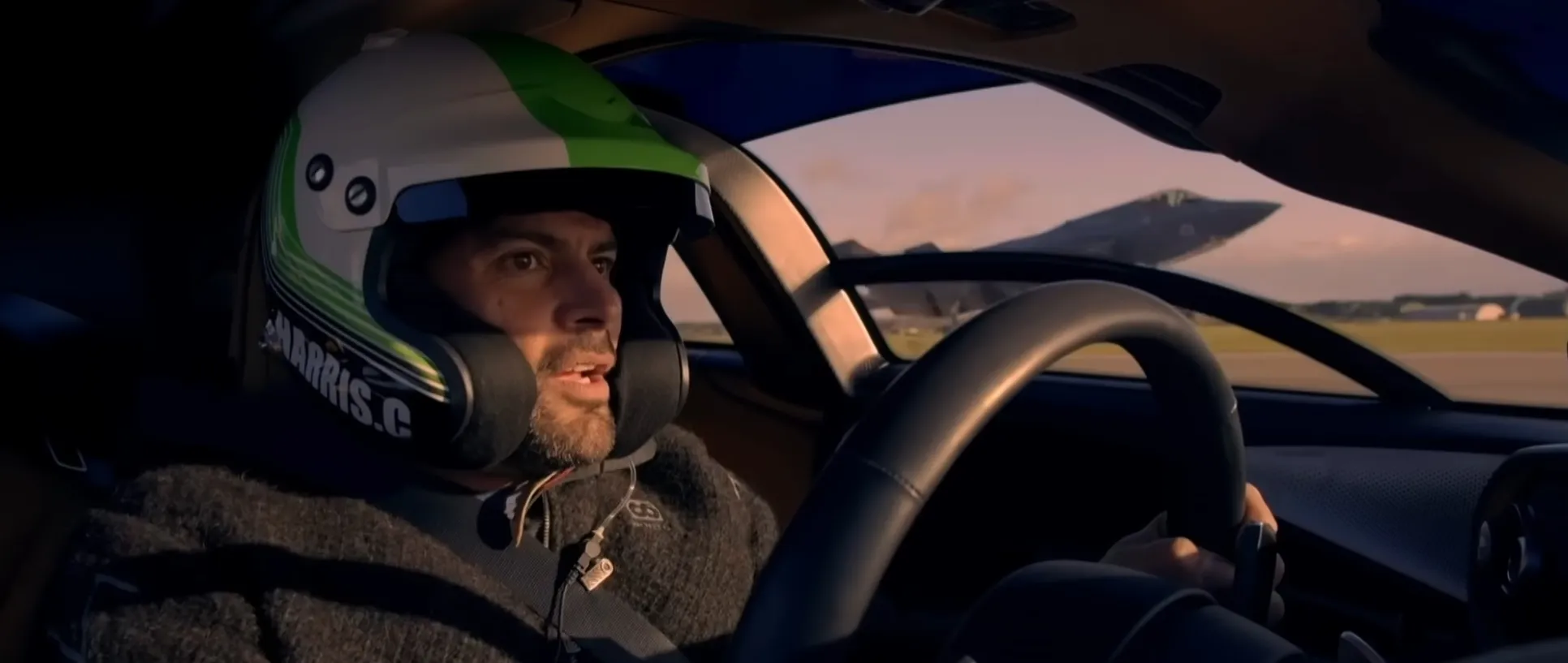
The result…
A long, long time ago, old Top Gear did an equivalent race with a Bugatti Veyron versus an RAF Eurofighter Typhoon.
Just like the Veyron couldn’t keep up with the Eurofighter back then, the Speedtail couldn’t keep up with the fighter jet today.
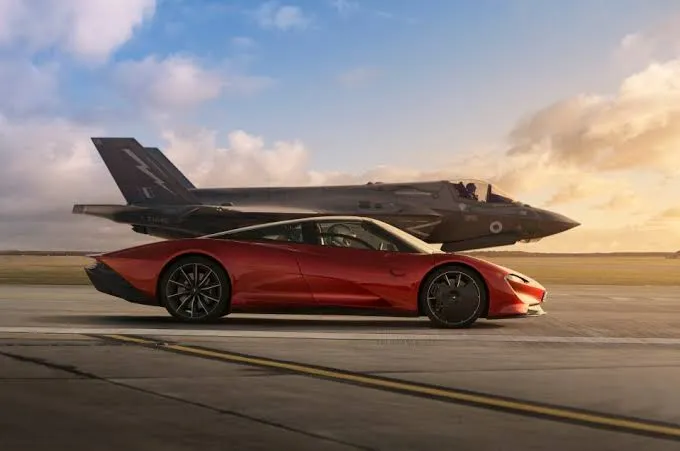
But there’s a huge ‘but’.
Even though the car lost, it actually managed to keep up with the fighter jet for a relatively long time.

The Lockheed Martin F-35B Lightning II does not have a single fixed takeoff speed because it is a short takeoff and vertical landing (STOVL) aircraft whose liftoff speed depends on payload, fuel weight, wind, and takeoff mode.
Vertical takeoffs begin at 0 knots, so instantly, but on this occasion, the pilot employed a ‘regular’ short takeoff, where lift off happens around 100-150 knots, which is equivalent to 120-170mph.
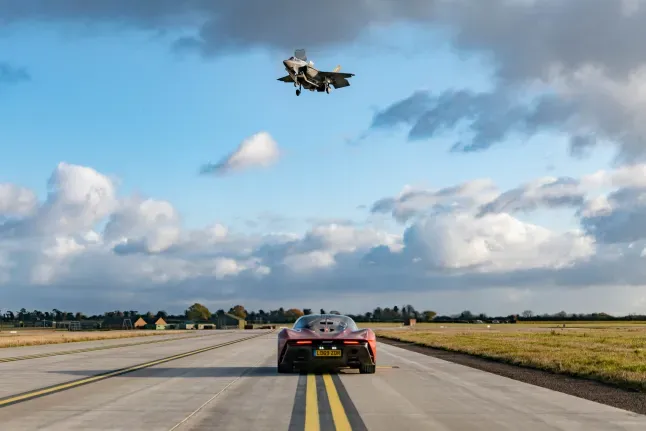
The fighter jet took around 10-12 seconds to reach that speed, which is why the Speedtail, which does 0–60 in 2.8-3.0 seconds and 0–120 mph in 6.6 seconds could keep up for a spell.
So kudos to McLaren and Chris Harris for that.
The best of Supercar Blondie, every Sunday
The week's best car stories, straight to your inbox. Free.
Alessandro is an automotive journalist with 10 years of experience covering supercars, automotive history, emerging vehicle technology, and luxury transportation. He wrote the first article published on SupercarBlondie.com when the website launched in 2022 and has since built a reputation for insightful reporting across the automotive and transportation industries. His expertise is grounded in hands-on experience. Alessandro has driven every Tesla model ever produced, from the original Roadster to the Cybertruck, and regularly covers the latest developments in electric vehicles and automotive innovation. His passion for transportation extends beyond cars, he has even flown a Boeing 787 Dreamliner simulator in Addis Ababa, Ethiopia. His reporting spans everything from classic American muscle cars and rare automotive discoveries to luxury yachts, private aircraft, high-end watches, and cutting-edge vehicle technology. Known for his deep knowledge of automotive history and ability to uncover the stories behind iconic vehicles, Alessandro brings readers a blend of historical context, technical expertise, and first-hand experience.