This is why traffic lights have the scoops on top of each light as they were first introduced 158 years ago
Published on Apr 11, 2026 at 4:21 AM (UTC+4)
by Jason Fan
Last updated on Apr 09, 2026 at 6:21 PM (UTC+4)
Edited by
Mason Jones
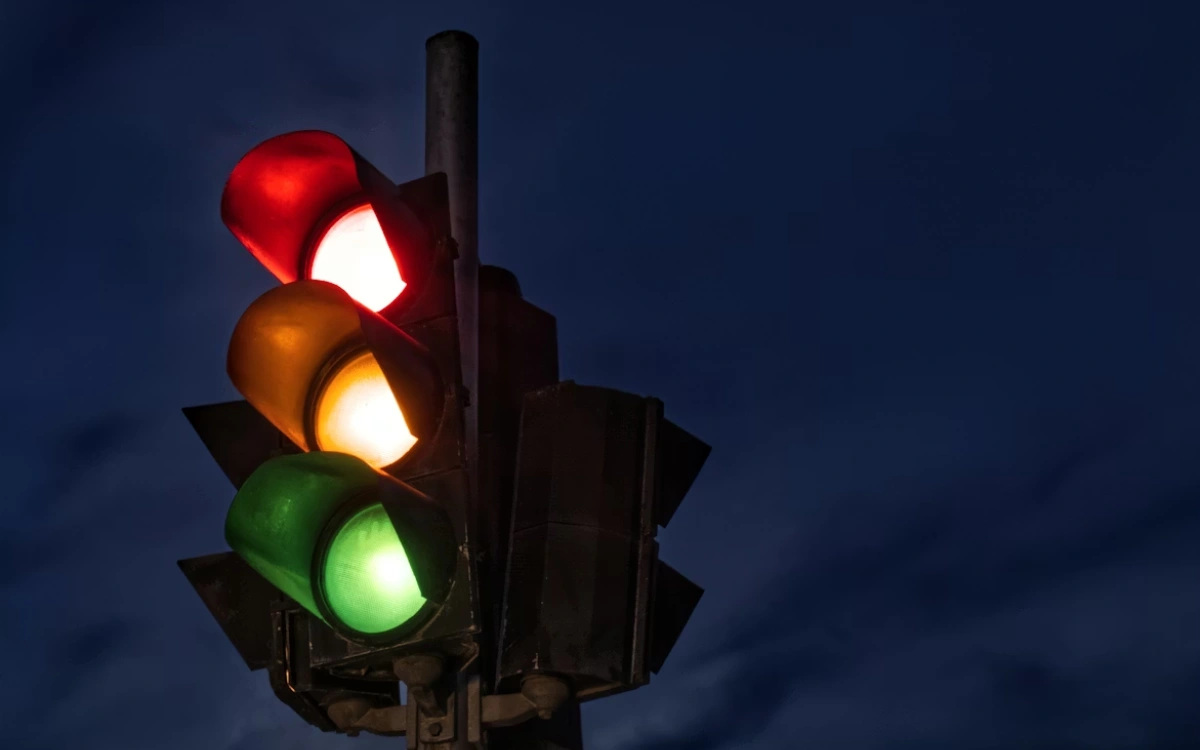

Traffic lights are everywhere, quietly controlling the chaos of modern roads, but some of them hide a clever secret in plain sight.
If you live in a colder region and look up, you’ll likely spot strange scoops sitting above each signal.
They’re not decorative, and they’re definitely not random.
In fact, they solve a problem most drivers never even consider.
Traffic lights used to be really warm
Traffic signals have come a long way since their debut in London in 1868.
Back then, they were powered by gas and operated manually, more like railway signals than the automated systems we know today.
Early versions used open flames, which made them prone to failure and even explosions.
As electricity became widespread, incandescent bulbs replaced gas lamps, bringing brighter, more reliable illumination to busy streets.
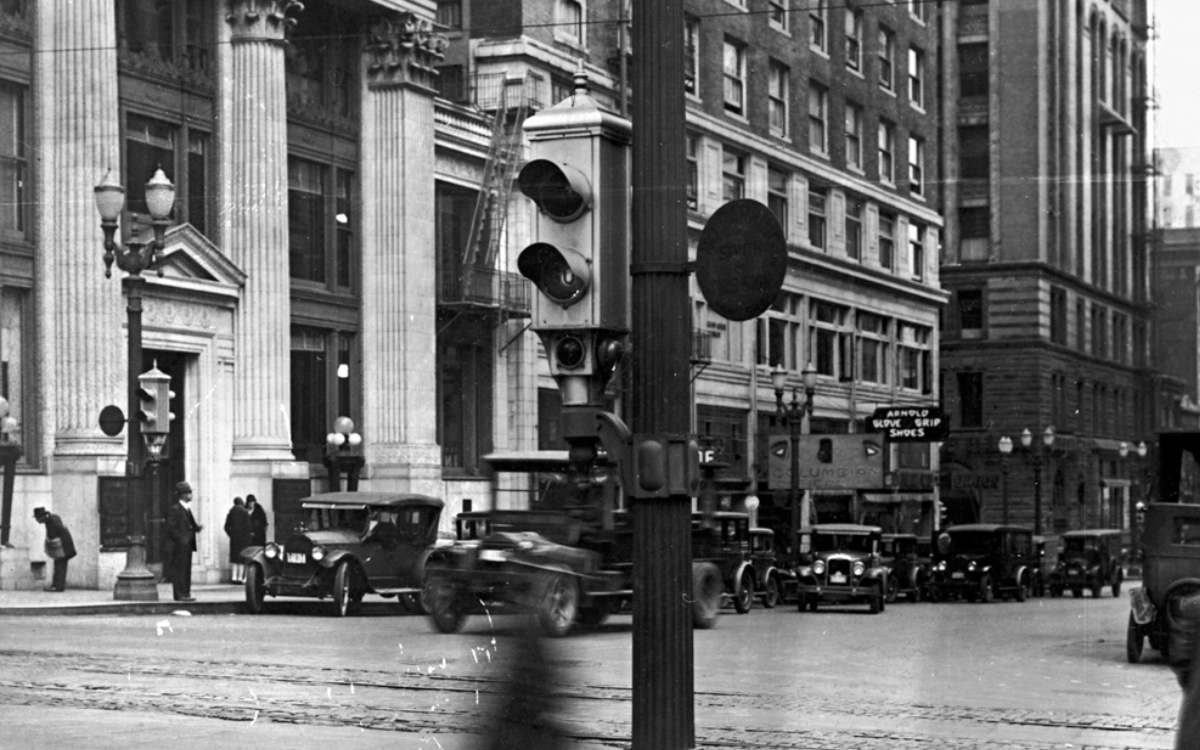
For decades, those incandescent bulbs had an unexpected advantage.
They generated a lot of heat, enough to melt away snow and ice during harsh winters.
That meant visibility was rarely an issue, even in freezing conditions.
Later, halogen bulbs improved efficiency slightly, but still produced enough warmth to keep signals clear.
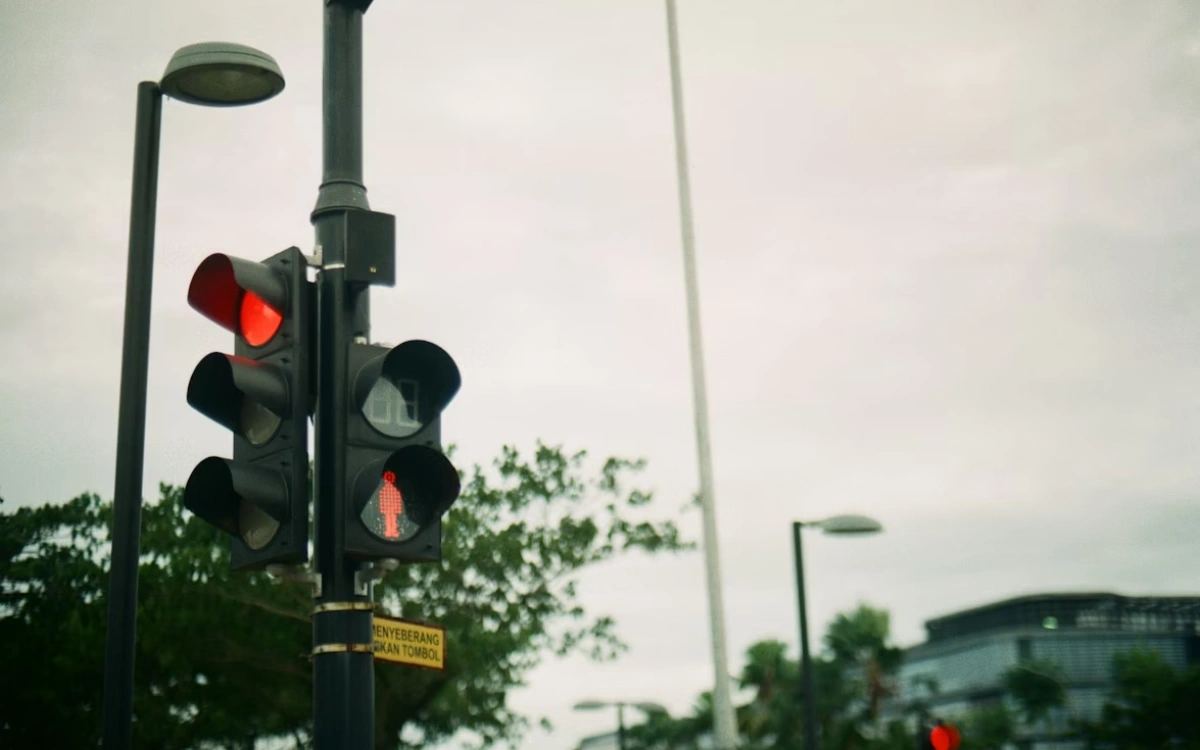
Solving one problem led to another
Then came the modern era.
LED technology revolutionized traffic lights by making them far more energy-efficient and longer-lasting.
Cities quickly adopted them to cut costs and reduce maintenance.
However, there was a catch.
LEDs run cool, which is great for energy savings but terrible when snow starts piling up.
Without heat to melt it away, signals could quickly become obscured during a storm.
That’s where those strange scoops finally come in.
Known as snow-scoop visors, these modified hoods were designed to prevent snow from building up in the first place.
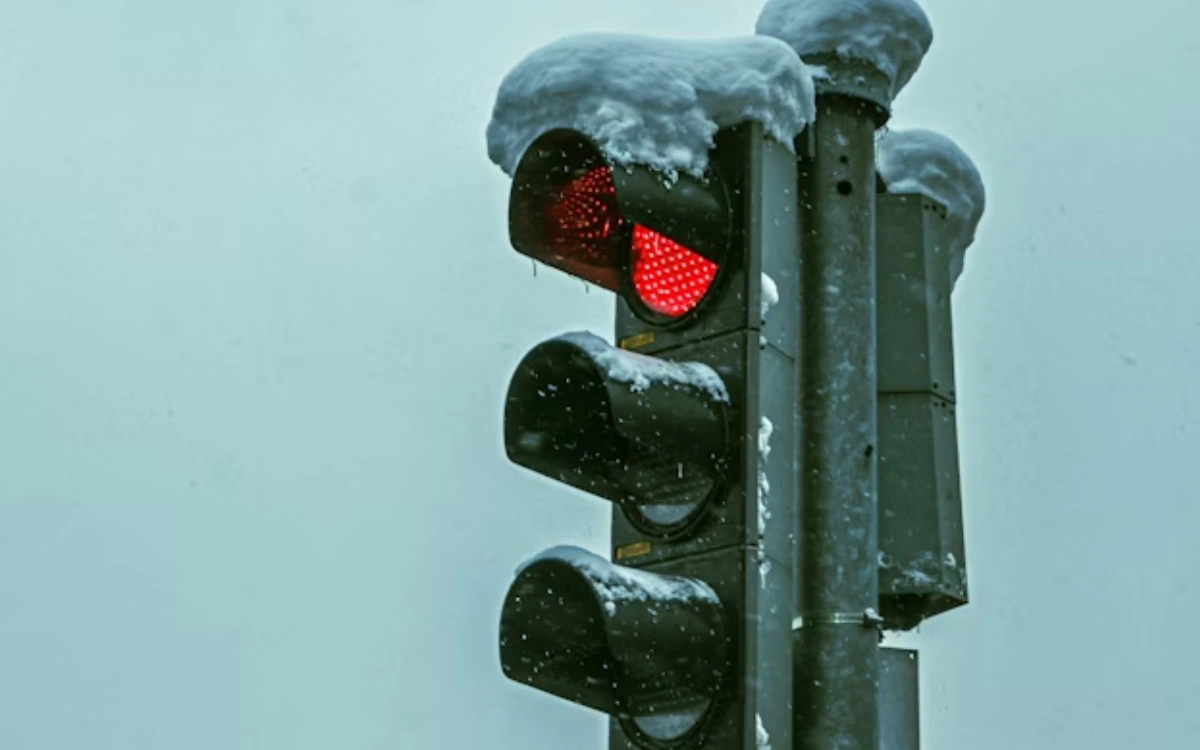
Instead of trapping snow like traditional visors, they feature openings or angled designs that allow air to flow through, reducing accumulation.
So there you go: it might seem like a small detail, but these innovations play a crucial role in keeping roads safe.
After all, when visibility drops in the middle of a snowstorm, the last thing drivers need is a traffic light they can’t see.
DISCOVER SBX CARS: The global premium car auction platform powered by Supercar Blondie