US woman loses key fob to her $15,000 Mercedes G-Wagen and says 'I wish somebody warned me' after finding out how much replacement costs
Published on Jul 24, 2026 at 4:07 PM (UTC-4)
by Alessandro Renesis
Last updated on Jul 24, 2026 at 4:07 PM (UTC-4)
Edited by
Mason Jones


This woman in the US misplaced the keys to her used Mercedes G-Wagen and found out that the situation was worse than she thought.
She was expecting to be able to replace it cheaply, but that wasn’t the case.
For specific reasons, it actually cost her a small fortune.
This is further proof of something that people have been saying about luxury cars for ages.
A car key is no longer just a key
Car keys are no longer just keys.
In fact, you can barely call them keys at all.
Some cars are doing away without keys, that have become either optional or completely absent because you can use key cards or unlock the car via app.
Almost no new car requires a traditional key to start.
The ‘key’ is basically a key fob that’s packed with technology.
You can use it to lock the doors, obviously, but depending on the car, you can also start the engine, turn on the A/C, or open the sunroof.
That’s why these keys are sometimes to expensive.
And this G-Wagen owner found out the hard way.

Related
It all started with a ‘cheap’ Mercedes G-Wagen
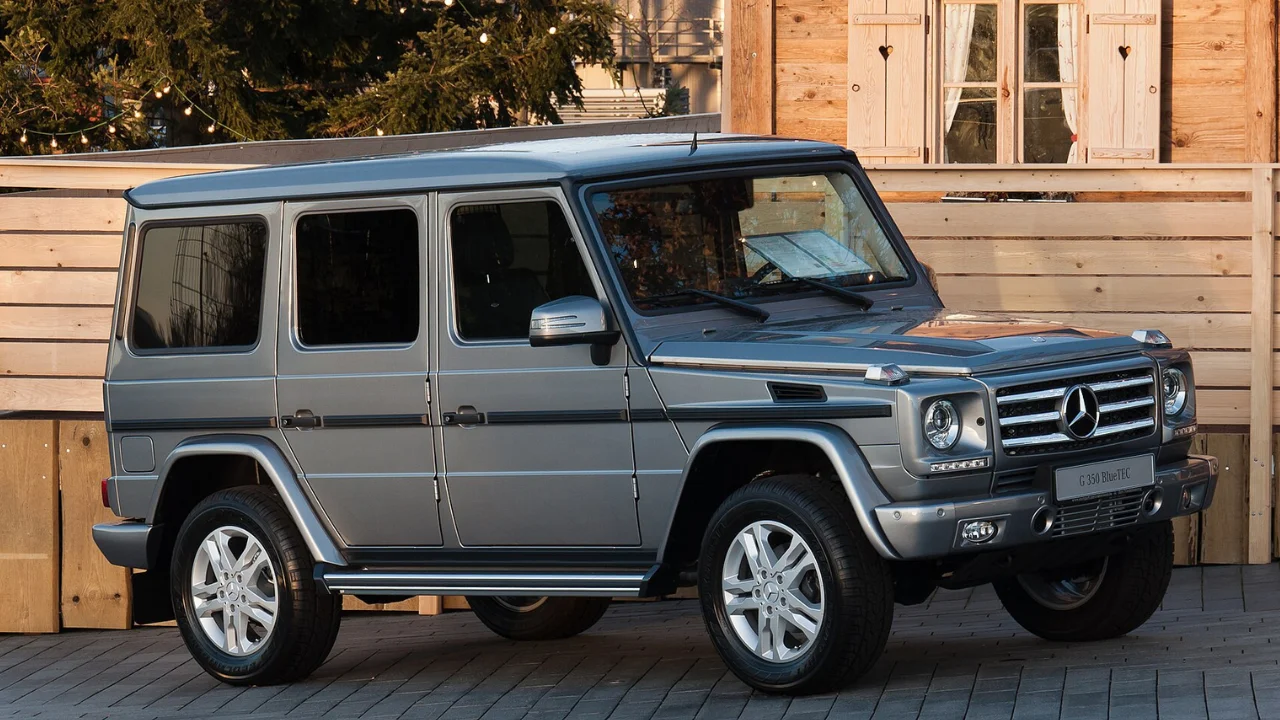
TikTok user Taylor B. bought a relatively inexpensive G-Wagen – it ‘only’ cost her $15,000, which is cheap for a G-Wagen.
But that’s the problem, because the mantra is always valid: if you can’t afford maintenance and fuel, you can’t afford the car.
There is no such thing as a ‘cheap’ luxury car, precisely because as soon as something goes wrong, the bill will be immense.
In her case, she faced the hard (and expensive) truth after misplacing the key fob.
It felt like a routine thing – a minor issue – but the dealership told her it would cost $2,000.
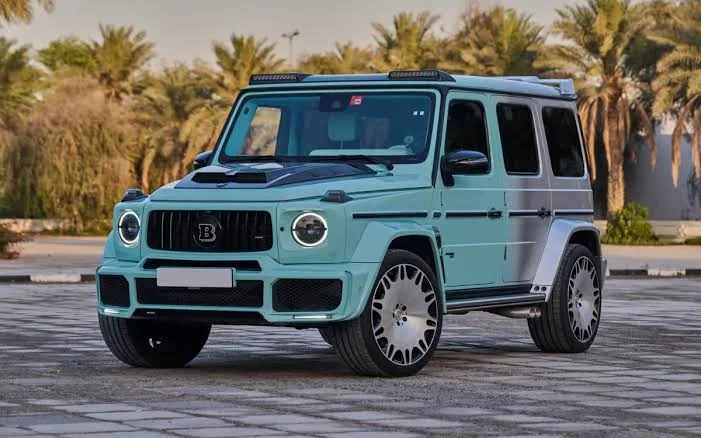
While paying four figures for a small plastic remote seems absurd, this is a great example of the hidden financial trap of a luxury vehicle.
For certain high-end luxury models, replacing a lost key can only be done via official channels, mainly because manufacturers embed advanced encryption, proprietary software, and specialized anti-theft security codes into their smart key fobs.
Specifically, in order to replace her G-Wagen’s key, the certified dealership would have to securely verify vehicle ownership, order a specifically programmed unit directly from the manufacturer, and sync it to the car using specialized diagnostic software.
Add labor rates into the equation, and the bill quickly balloons.
@its.tayl0rb Over the Gwagon
♬ original sound – Taylor B.
There’s no such thing as a cheap luxury car
A used G-Wagen might be relatively inexpensive to buy, but it’ll still have the same running costs as a new G-Wagen.
Or worse, in fact, because a new G-Wagen is mechanically sound, whereas an older model might require significantly more maintenance.
Then there’s fuel.
Most, if not all, engine options for the G-Wagen are relatively thirsty, mainly because the car is very heavy and aerodynamically inefficient.
Then, depending on location, a second-hand luxury car is still often treated as a luxury bureaucratically.
In some European countries, for example, you only benefit from discounted insurance premiums and road tax rates if the car is a certified classic.
Several countries have specific legal designations for this status.
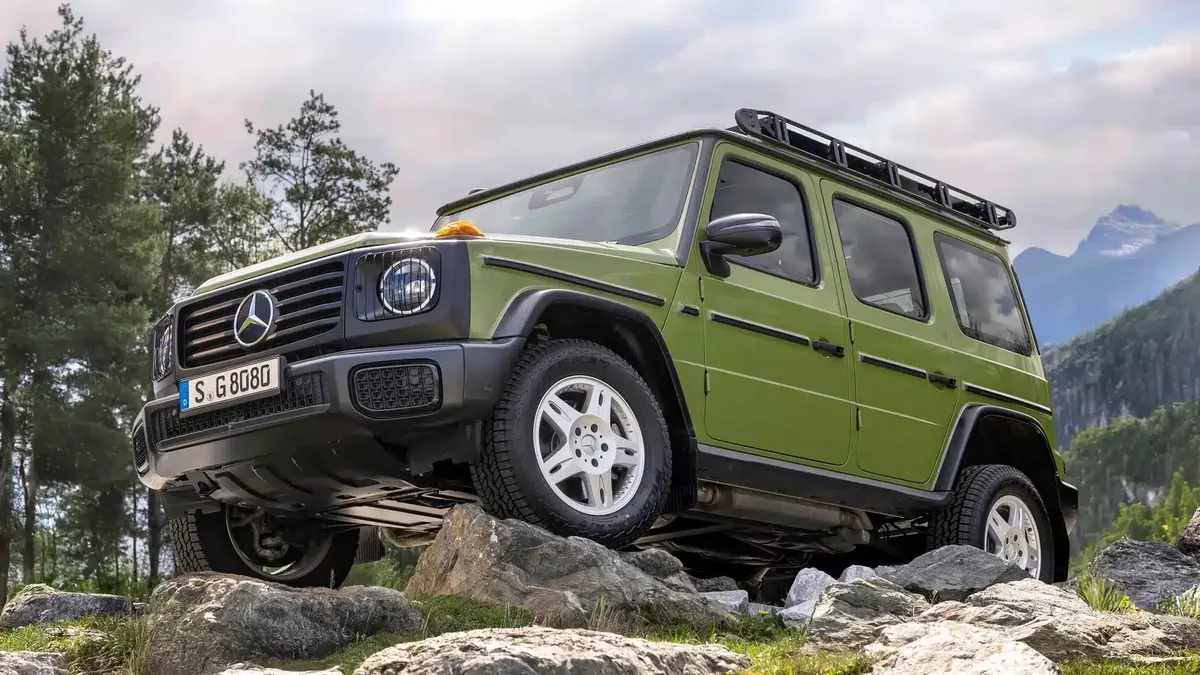
But this actually creates a Catch-22.
In some countries, you can register an old (generally 20 years or older) car as a classic and save a significant amount of money in insurance and taxes.
However, that turns your car into a weekend vehicle – similar to registering a car under ‘Historic/Antique’ status in the US – which means you can’t actually drive it every day.
Alessandro is an automotive journalist with 10 years of experience covering supercars, automotive history, emerging vehicle technology, and luxury transportation. He wrote the first article published on SupercarBlondie.com when the website launched in 2022 and has since built a reputation for insightful reporting across the automotive and transportation industries. His expertise is grounded in hands-on experience. Alessandro has driven every Tesla model ever produced, from the original Roadster to the Cybertruck, and regularly covers the latest developments in electric vehicles and automotive innovation. His passion for transportation extends beyond cars, he has even flown a Boeing 787 Dreamliner simulator in Addis Ababa, Ethiopia. His reporting spans everything from classic American muscle cars and rare automotive discoveries to luxury yachts, private aircraft, high-end watches, and cutting-edge vehicle technology. Known for his deep knowledge of automotive history and ability to uncover the stories behind iconic vehicles, Alessandro brings readers a blend of historical context, technical expertise, and first-hand experience.