This is why there's tiny holes in airplane windows and flights would be much more dangerous without them
Published on Jun 20, 2026 at 4:09 PM (UTC-4)
by Daisy Edwards
Last updated on Jun 20, 2026 at 4:09 PM (UTC-4)
Edited by
Mason Jones
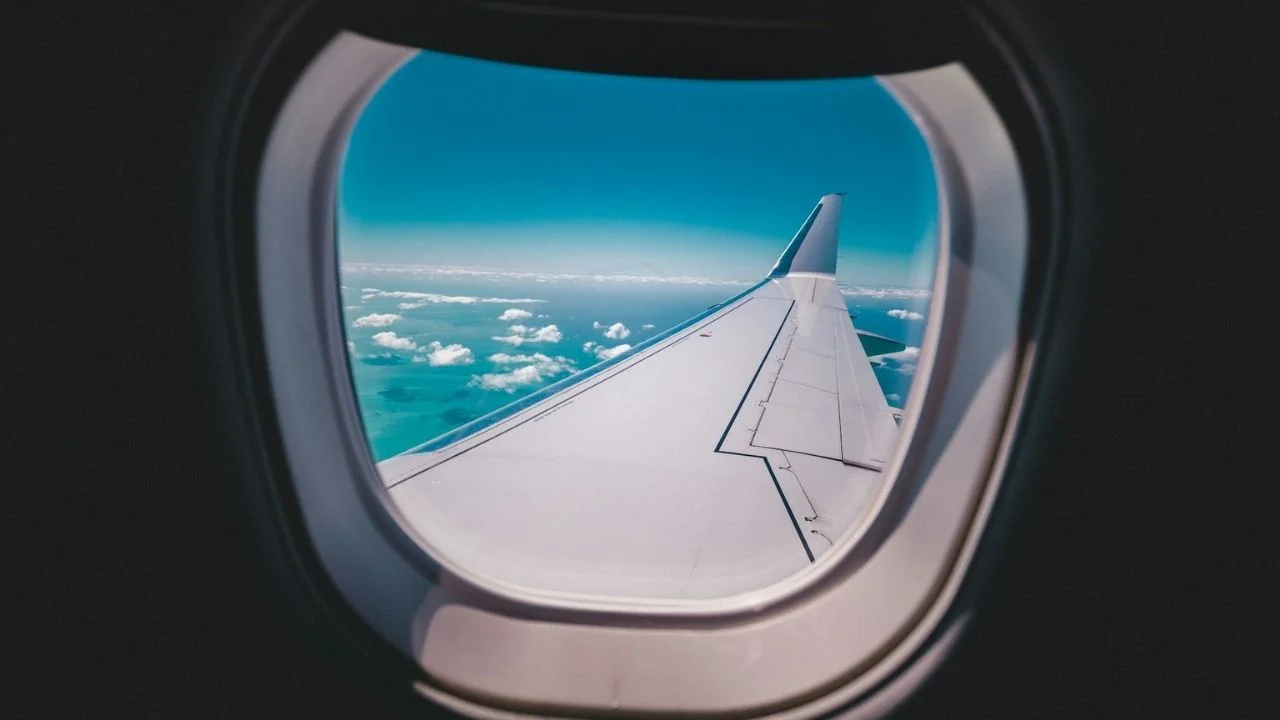

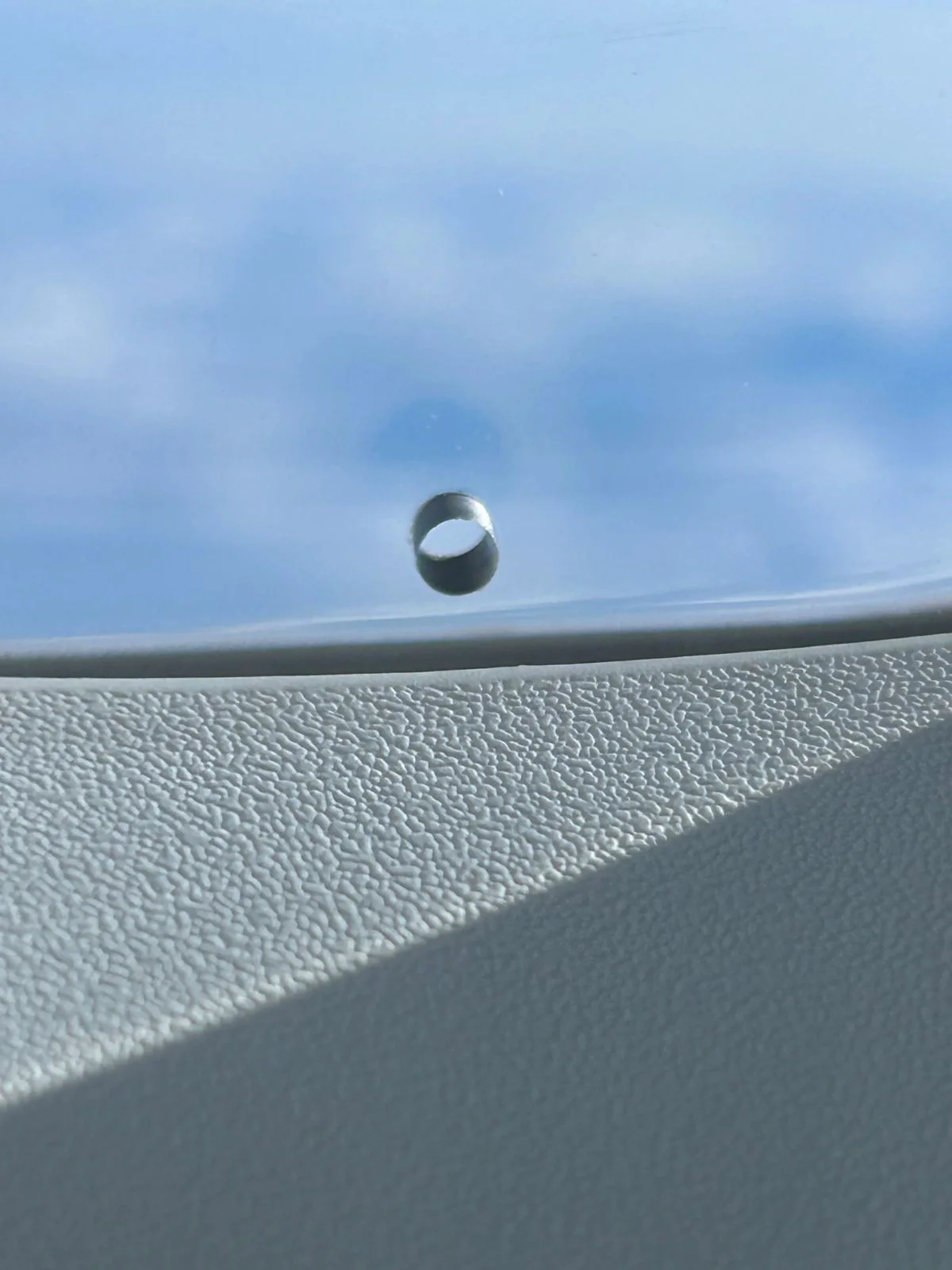
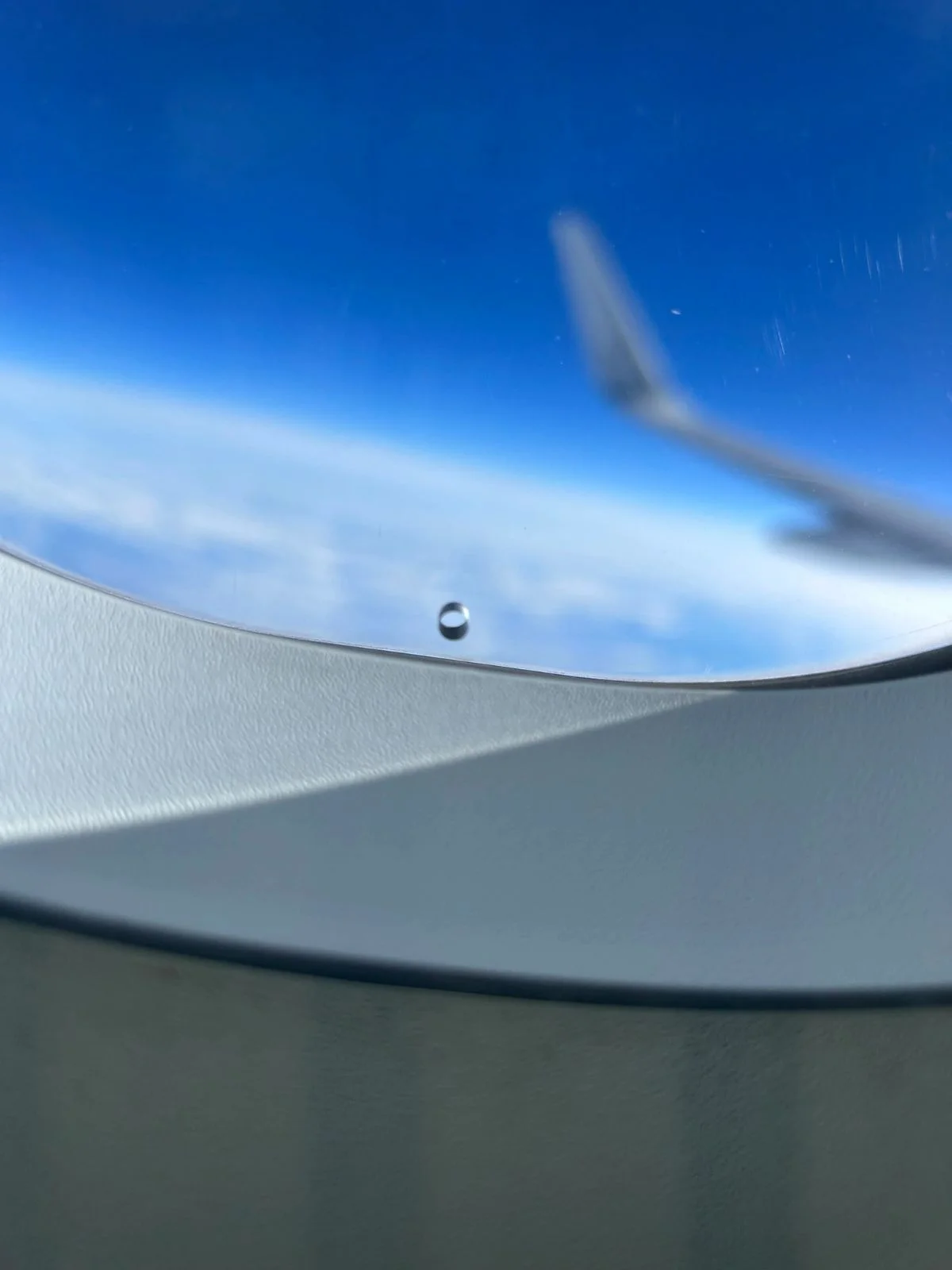
If you’re part of the army of people who are full-time vacationers and ever stared out of an airplane window during a flight, you may have noticed a tiny hole near the bottom of the pane and wondered why it’s there.
It might look like a manufacturing defect or a tiny crack, but that little opening is actually a very important safety feature.
The feature has been quietly included in plane designs for decades, yet many frequent flyers still have no idea what it actually does.
Without it, flying at 35,000 feet would be a lot more dangerous than passengers think.
The tiny hole in airplane windows has a very important job
Commercial airplane windows aren’t made from a single sheet of glass.
Instead, they’re built using multiple layers of strong acrylic materials designed to withstand the huge pressure difference between the cabin and the outside atmosphere.
At cruising altitude, the air outside the aircraft is incredibly thin compared to the pressurized cabin where passengers sit comfortably.
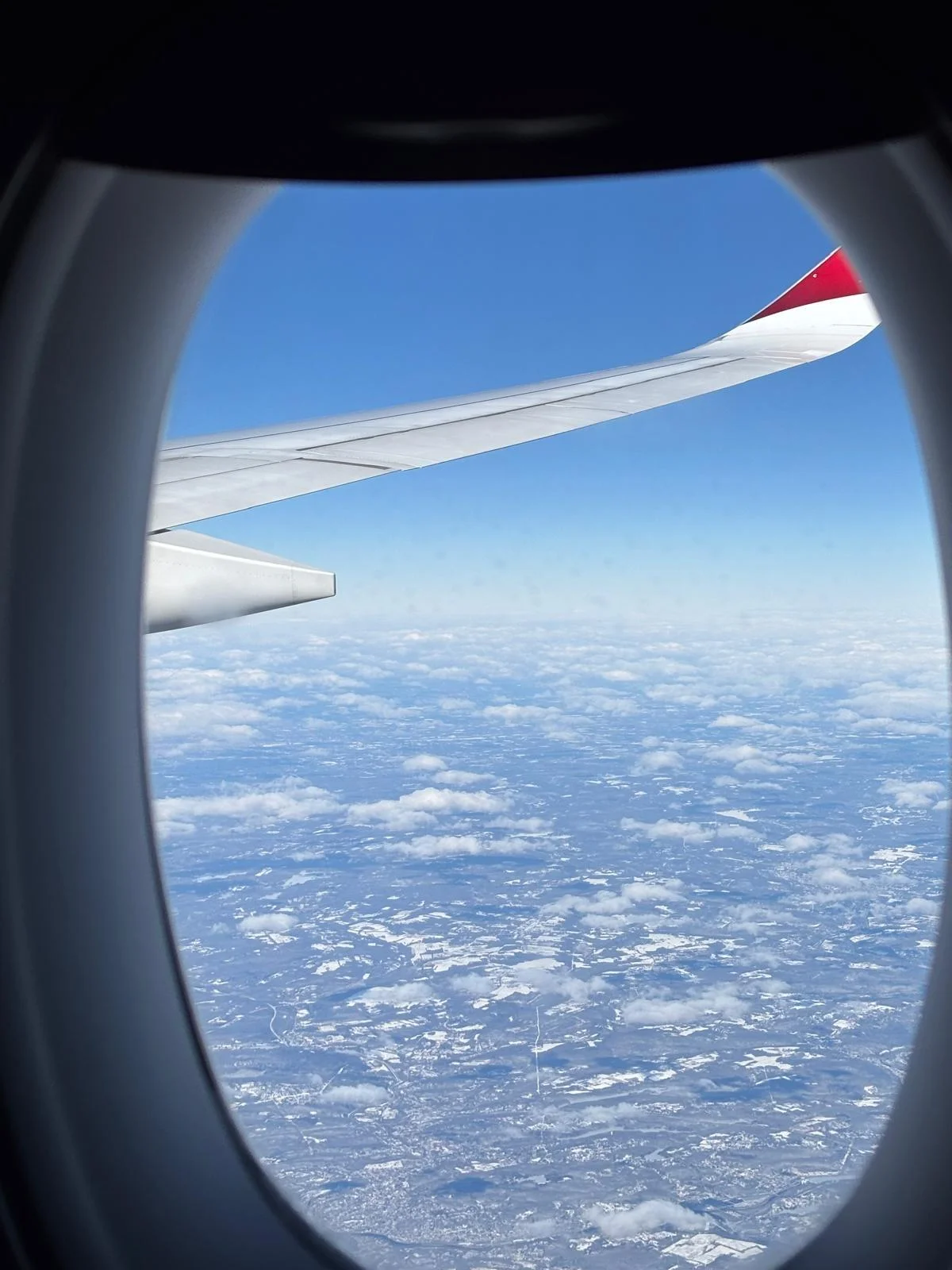
That difference creates a significant amount of stress on the window assembly.
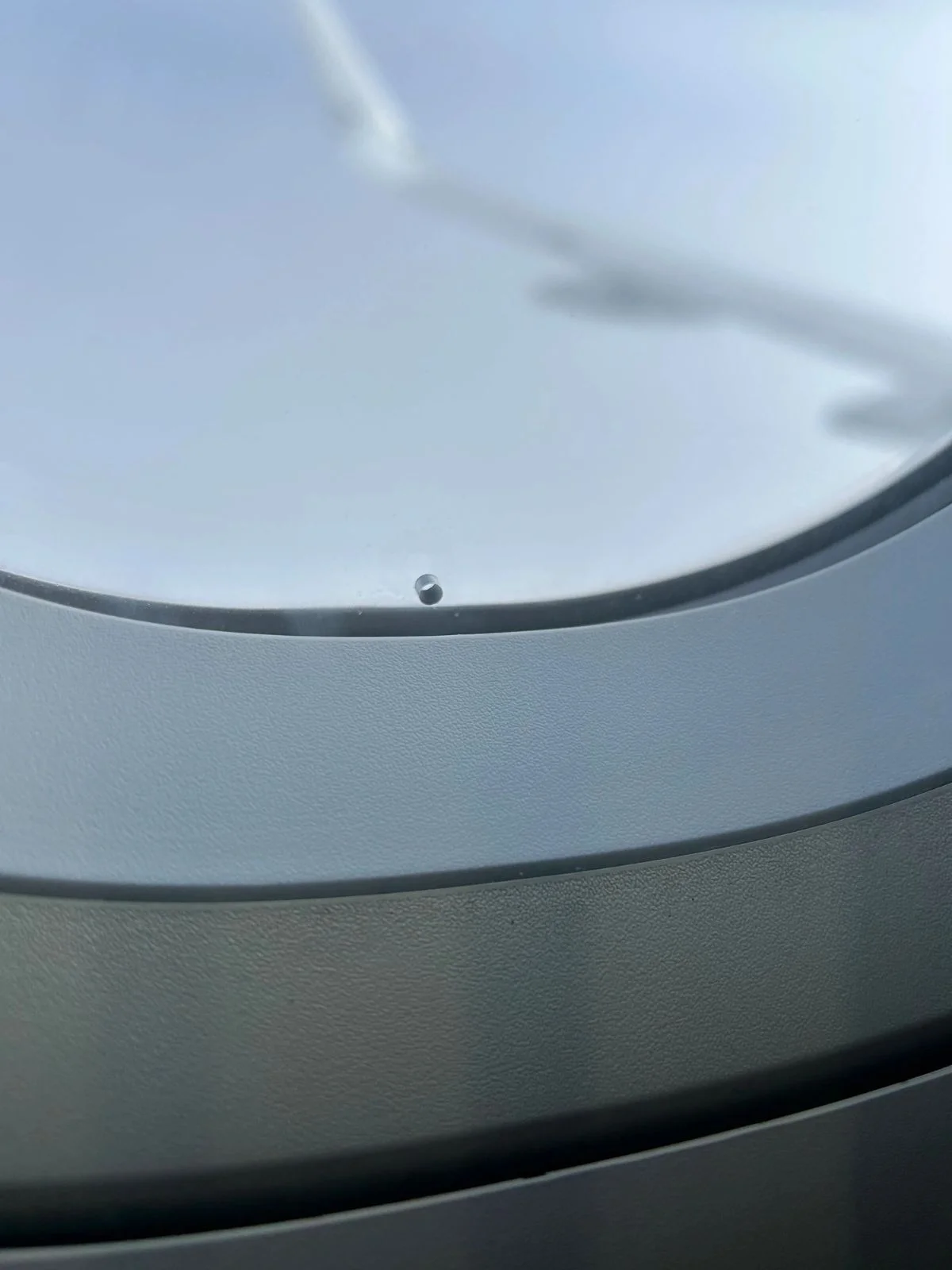
The small hole, often called a bleed hole or breather hole, is located in the middle pane of the window structure.
Its purpose is to regulate pressure between the different layers.
Rather than allowing pressure to build up across all of the panes equally, the hole ensures that most of the stress is carried by the outer pane, which is specifically designed to handle it.
This helps protect the inner pane and reduces the risk of damage.
The hole also allows moisture to escape, preventing the window from fogging up and obscuring passengers’ views during a flight, which is why you sometimes see a frosty ring around the little hole.
Related

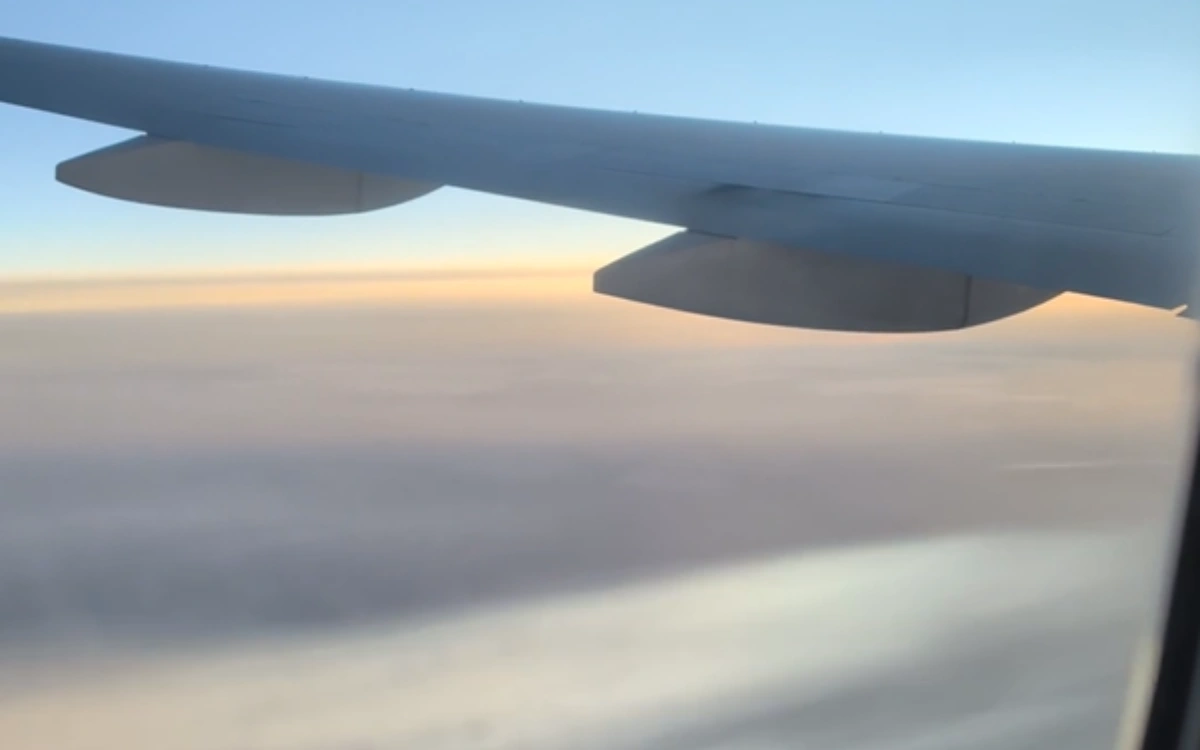
Why flights would be much riskier without the hole
The outer pane of an aircraft window is the primary structural barrier between the cabin and the outside world.
The middle and inner panes serve as backup layers and provide additional protection.
By carefully controlling how pressure is distributed, the bleed hole helps ensure the window system functions exactly as engineers intended.
Even if the outer pane were somehow damaged, the remaining layers would still provide protection while the aircraft safely continues its journey.
It’s a surprisingly simple solution to a very complex engineering challenge.
So the next time you’re gazing at clouds from your seat, take a closer look at the window.
That tiny hole isn’t a flaw at all, it’s actually a clever piece of aviation engineering quietly helping keep millions of passengers safe every day.
Daisy is a technology and automotive journalist covering artificial intelligence, consumer tech, Apple news, cryptocurrency, emerging technologies, and transportation innovation. Since joining the team in 2025, she has reported on everything from AI-powered startups and major iOS updates to viral car stories and the latest developments shaping transportation and the digital economy. Drawing on her background in automotive journalism and a degree in History and Journalism from Goldsmiths, University of London, Daisy specializes in breaking down complex topics into clear, engaging reporting for a global audience. Her work spans cutting-edge technology, innovative vehicles, and the people driving change across both industries. Daisy has gained first-hand access to some of the world's most talked-about technologies and innovators, including meeting Tesla's Optimus humanoid robot during its first European appearance in London. She has also discussed the future of space exploration with an astronaut, bringing unique insights and real-world perspectives to her coverage of emerging technology.