There's a new world's longest train and it stretches 4.7 miles long with 696 cars but it has a catch
Published on Oct 27, 2026 at 9:20 AM (UTC-4)
by Daisy Edwards
Last updated on Oct 27, 2026 at 9:20 AM (UTC-4)
Edited by
Mason Jones
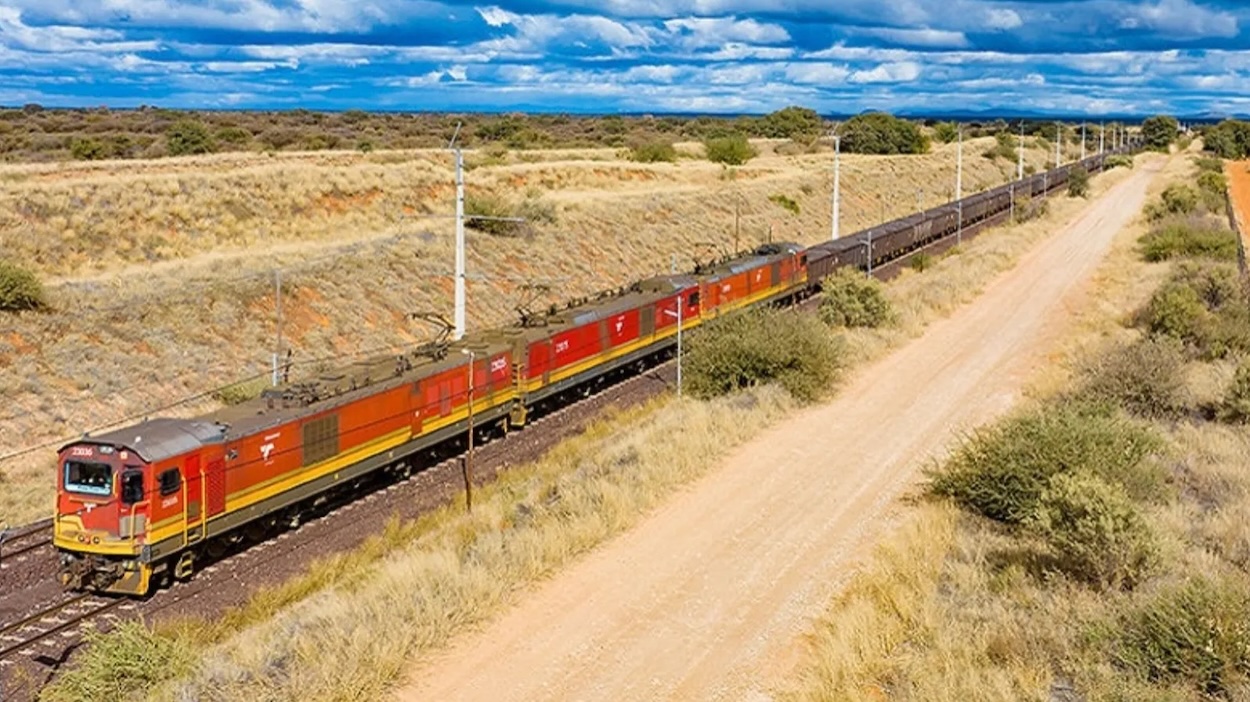

Trains can be impressive enough as it is, but one freight train has taken things to a whole new level, earning itself the title of the world’s longest train.
Stretching 4.7 miles long, the enormous train hauled 696 freight cars in a bid to claim the title of the world’s longest train.
Transnet Freight Rail operated it to showcase some seriously impressive railway technology.
But there’s a small catch that could make all the difference when it comes to its record-breaking claim.
The massive train stretched nearly five miles
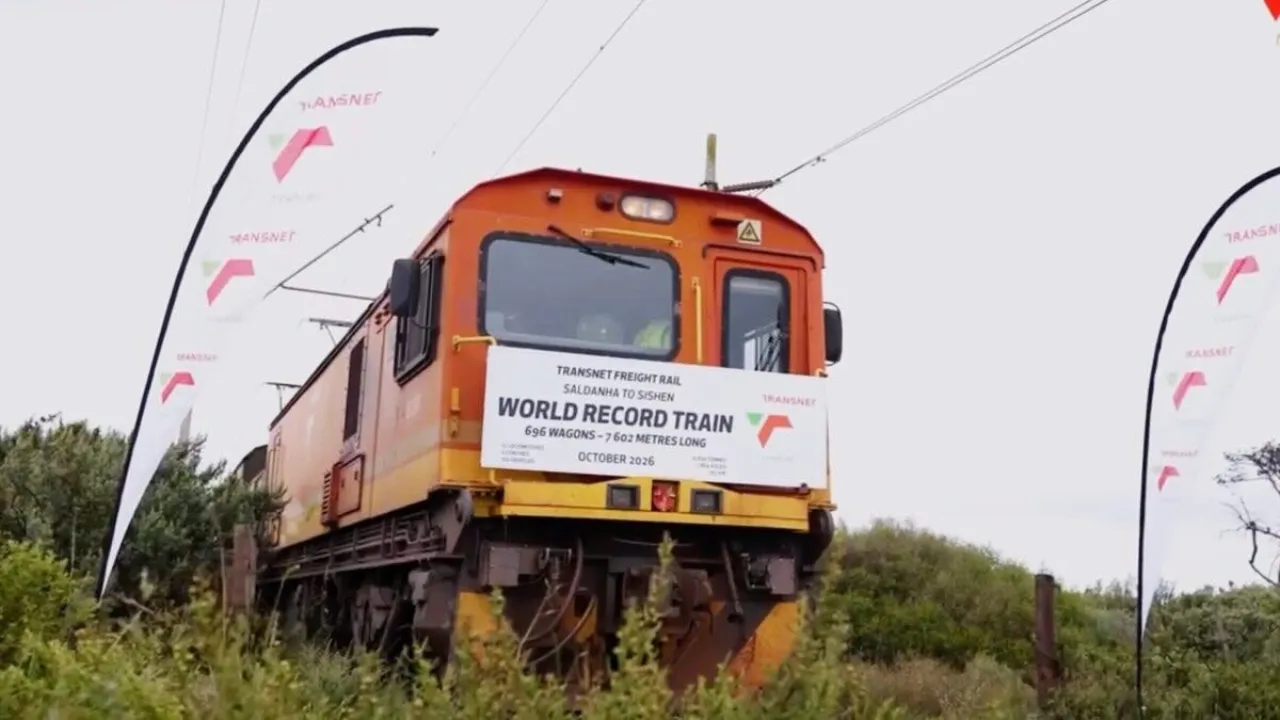
Transnet Freight Rail operated the gigantic train on October 18, 2026, along South Africa’s Iron Ore Export Line, which connects the country’s iron ore mines in the Northern Cape with the port at Saldanha Bay.
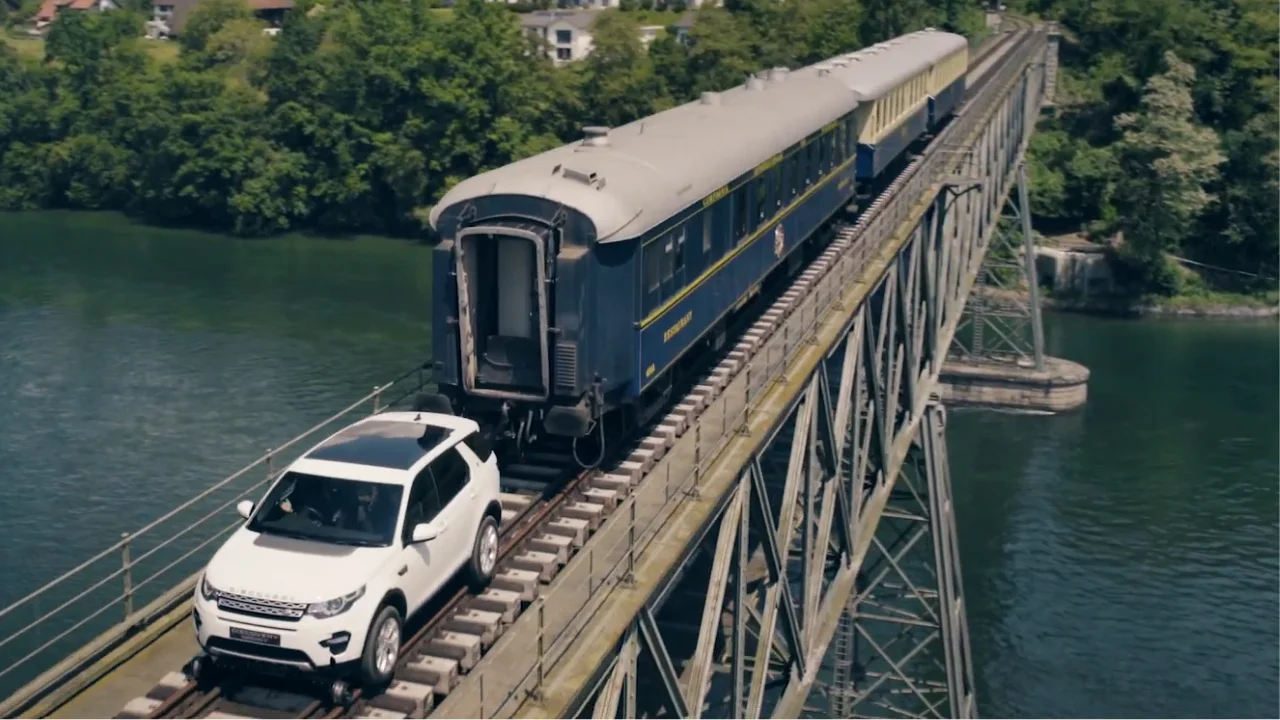
The train measured around 4.7 miles long and consisted of 696 freight cars, making it longer than the train that has held the official world record for more than two decades.
That record belonged to Australian mining company BHP Iron Ore, which operated a 4.57-mile-long train in June 2001.
It consisted of 682 ore cars and eight diesel-electric locomotives, and was also the heaviest train ever recorded, weighing almost 100,000 metric tons.
Transnet’s latest effort added more cars and a little extra length, but getting such a gigantic train moving takes more than simply hooking hundreds of carriages together.
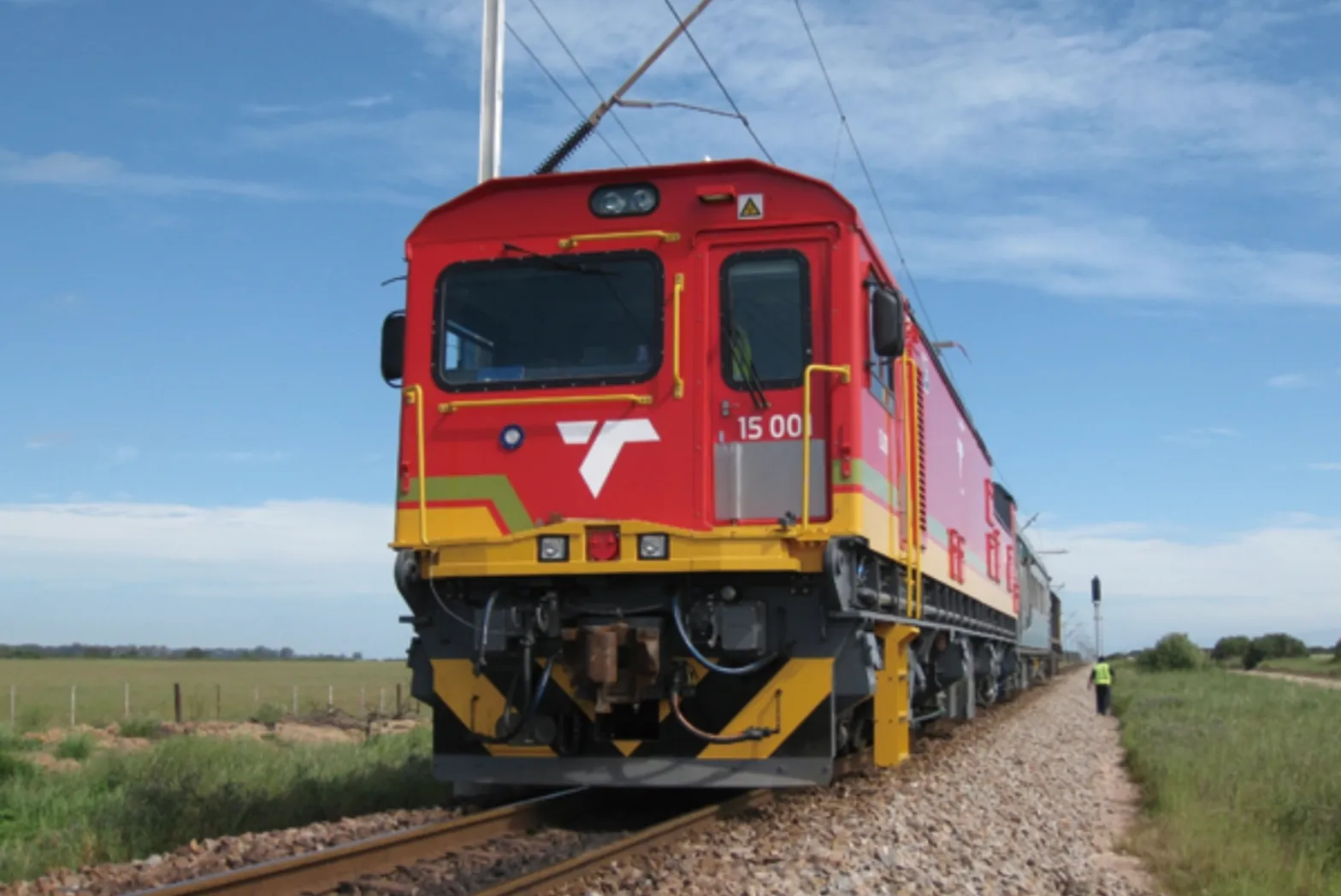
The company used a combination of Class 15E electric locomotives and Class 43D diesel-electric locomotives to haul the train, and these were spread throughout the formation rather than being positioned exclusively at the front.
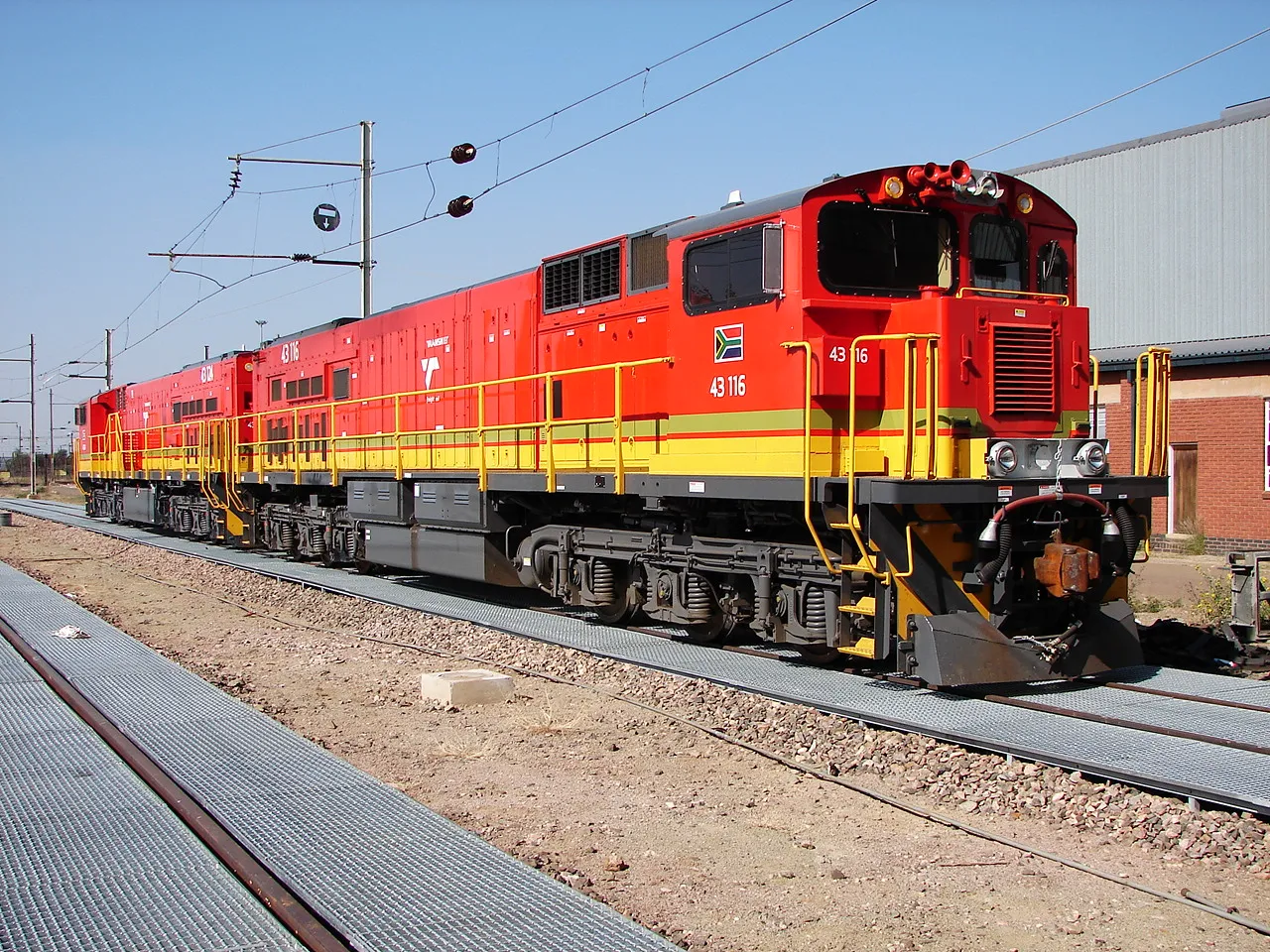
The secret behind making it work is a system called radio distributed power, which allows the driver in the leading locomotive to control other locomotives farther back along the train.
When the driver changes the throttle or applies the brakes, the commands are transmitted by radio, allowing the other locomotives to respond in sync.
This helps distribute the enormous forces involved in moving a train of this size.
There’s one big catch with the record-breaking train
Here’s where things get interesting: despite its impressive length, the 696-car train wasn’t carrying a full load of iron ore.
In fact, every single freight car was empty.
The train was traveling from the port back towards the mines, where the cars would be needed to transport more iron ore.
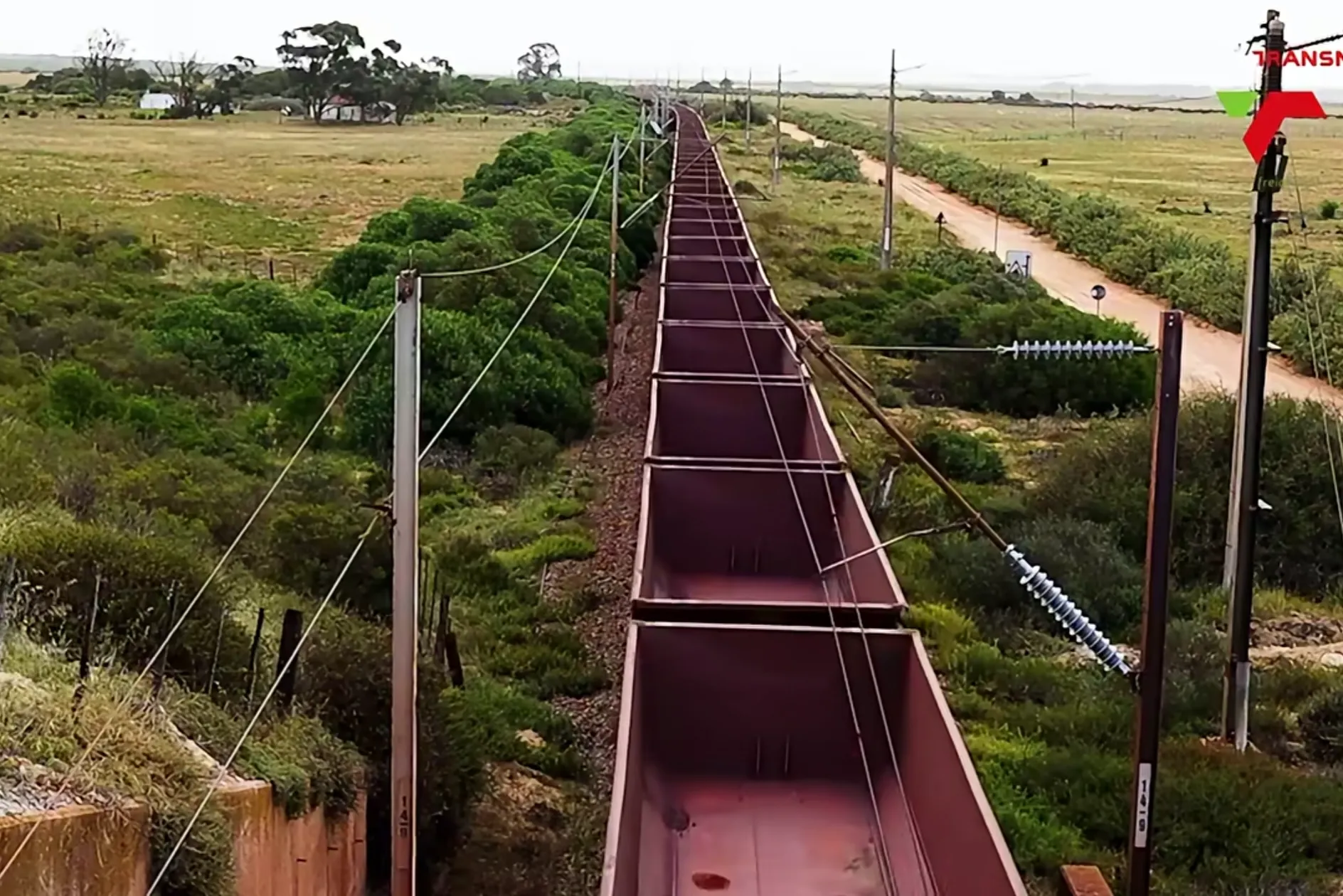
Transnet used the return journey to demonstrate its railway capabilities while attempting to beat the existing world record.
That means the train was considerably lighter than it would have been if all 696 cars were packed with iron ore.
It’s an important distinction because the Australian train that previously held the record was not only longer than other freight trains, but also famously heavy.
Its enormous load made it a particularly impressive feat of railway engineering.
Transnet has submitted evidence of its run to Guinness World Records, but official certification had not yet been confirmed at the time of reporting.
So, while the South African train may have taken the crown for length, its empty carriages leave a little room for debate about just how impressive the achievement is compared with the previous record-holder.
The longest train is still an incredible feat of engineering
Even without a full load, moving 696 freight cars across nearly five miles of track is no small achievement.
Transnet regularly transports iron ore along the Sishen-Saldanha railway, a freight-only route stretching approximately 535 miles.
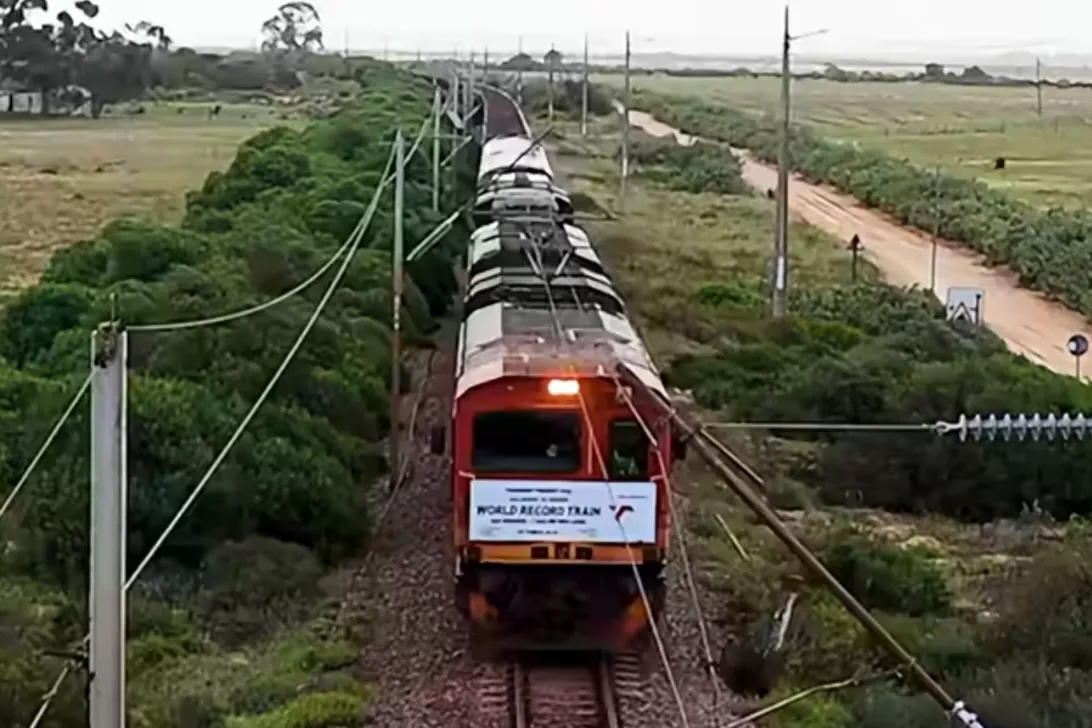
The company moves around 60 million metric tons of iron ore annually, with trains often carrying more than 300 freight cars.
Running longer trains can help rail operators move more goods with fewer trains and crews, making freight transport more efficient.
However, there are practical limits, including the need for suitable tracks, passing loops and railway infrastructure capable of accommodating such enormous formations.
For now, Transnet’s record attempt is a reminder of just how far railway technology has come – and how much coordination it takes to get a train nearly five miles long moving in the same direction.
Whether Guinness officially awards it the title remains to be seen, but one thing is certain: seeing the world’s longest train snake its way across the South African landscape would be quite the sight.
Daisy is a technology and automotive journalist covering artificial intelligence, consumer tech, Apple news, cryptocurrency, emerging technologies, and transportation innovation. Since joining the team in 2025, she has reported on everything from AI-powered startups and major iOS updates to viral car stories and the latest developments shaping transportation and the digital economy. Drawing on her background in automotive journalism and a degree in History and Journalism from Goldsmiths, University of London, Daisy specializes in breaking down complex topics into clear, engaging reporting for a global audience. Her work spans cutting-edge technology, innovative vehicles, and the people driving change across both industries. Daisy has gained first-hand access to some of the world's most talked-about technologies and innovators, including meeting Tesla's Optimus humanoid robot during its first European appearance in London. She has also discussed the future of space exploration with an astronaut, bringing unique insights and real-world perspectives to her coverage of emerging technology.




