Xiaomi launches its first non-fully electric car after two years of secret development and it's nothing like the SU7
Published on Aug 05, 2026 at 8:55 AM (UTC-4)
by Alessandro Renesis
Last updated on Aug 06, 2026 at 1:03 PM (UTC-4)
Edited by
Mason Jones

After shocking everyone with two great electric cars – the SU7 and YU7 – Xiaomi has already unveiled a new division.
And the new division will mostly focus on non-electric cars.
It’ll also focus on different body types because the first vehicles unveiled are large SUVs.
But there’s a small elephant in the room we must address.
Chinese automakers are being very strategic about this
Chinese automakers are doing something clever because they realized two things.
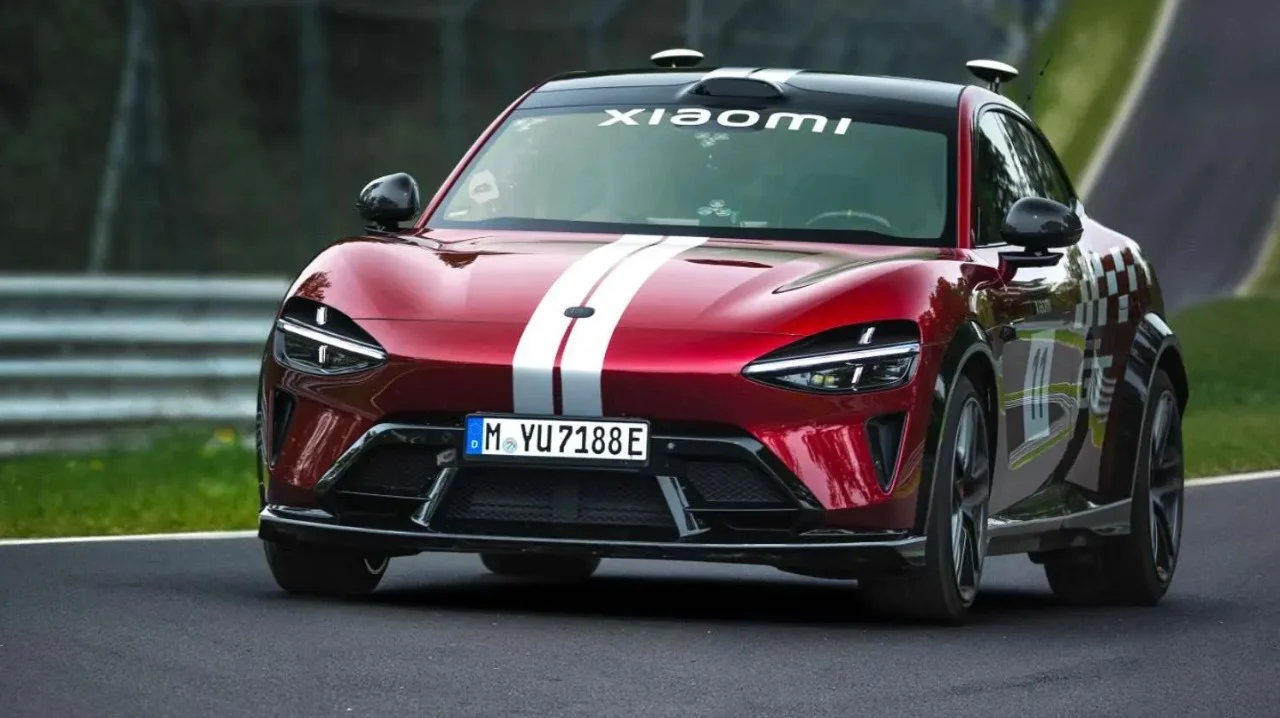
First, they realized they couldn’t beat European, Japanese, and American automakers at the gas car game, so they just ignored gas cars and focused on EVs.
But then second, they also realized that several markets and regions are still not ready for EVs, and so they used the money they made from selling EVs to develop serious competitors in the PHEV segment.
Most automakers went from gas to EV; Chinese brands are doing the opposite.
After making headlines with two EVs – the SU7 and the YU7 – Xiaomi is now ready to unveil its first non-EV.
And everyone else should be worried.
Xiaomi has already created a new division
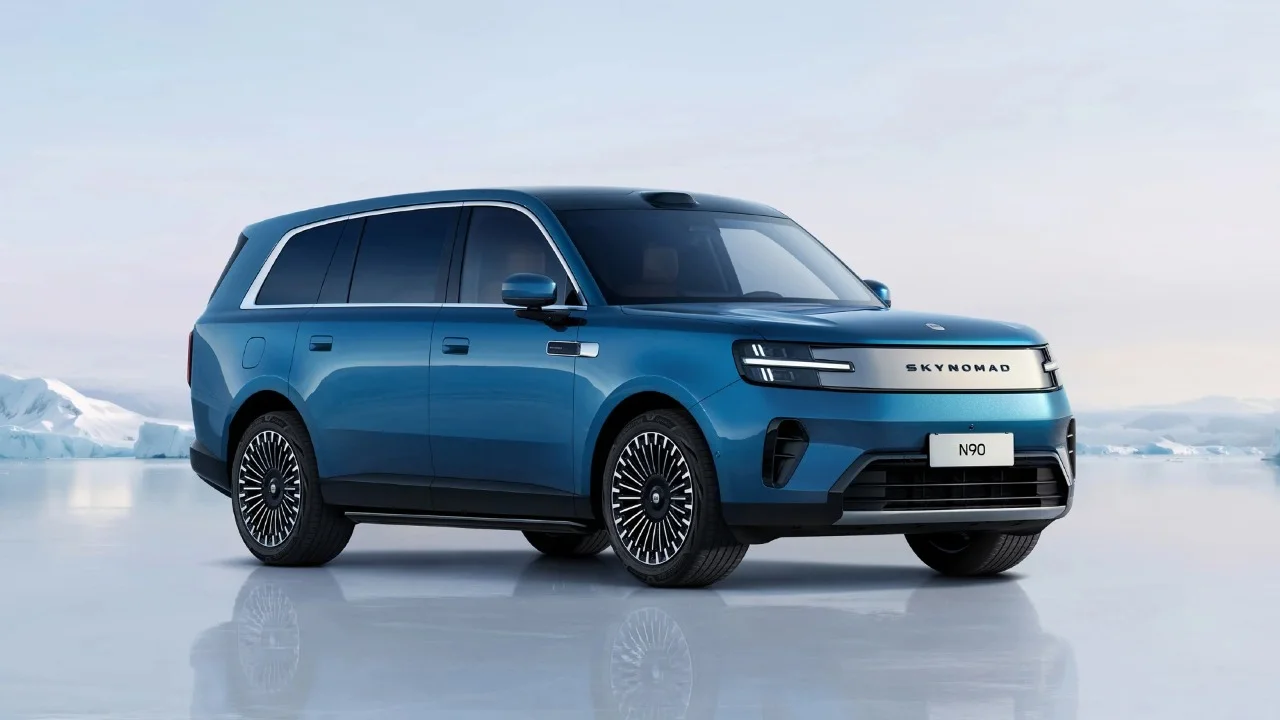
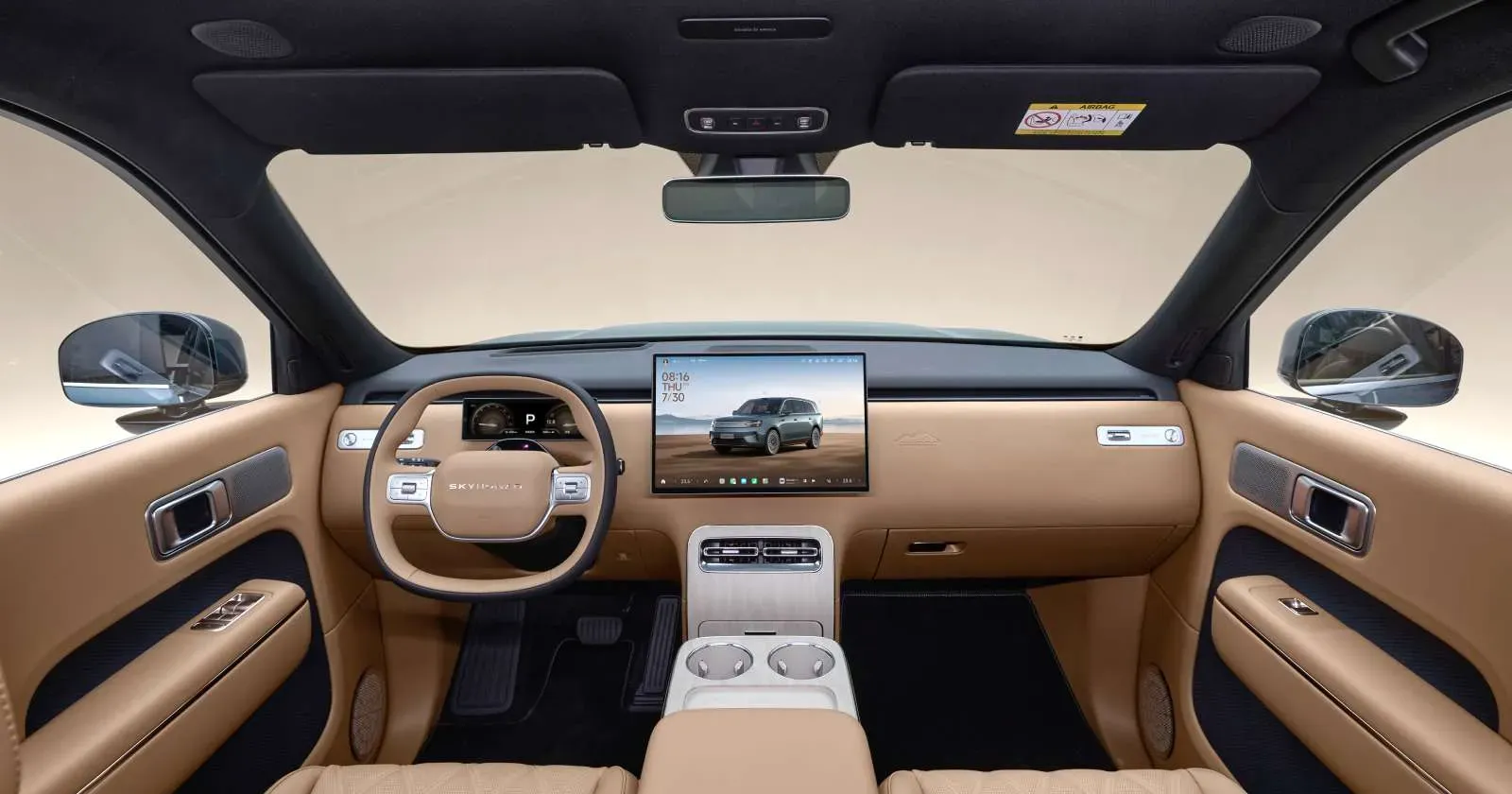
SkyNomad is Xiaomi’s newest (and actually first) sub-division, and it will mostly focus on SUV and hybrids.
Actually, technically, the main focus will be on EREVs – range extender cars.
Tomato-tomato, because under the surface, an EREV is still a hybrid, even in theory it’s engineered to make the small gas engine work (as a ‘range extender’) with the electric motor instead of the other way around.
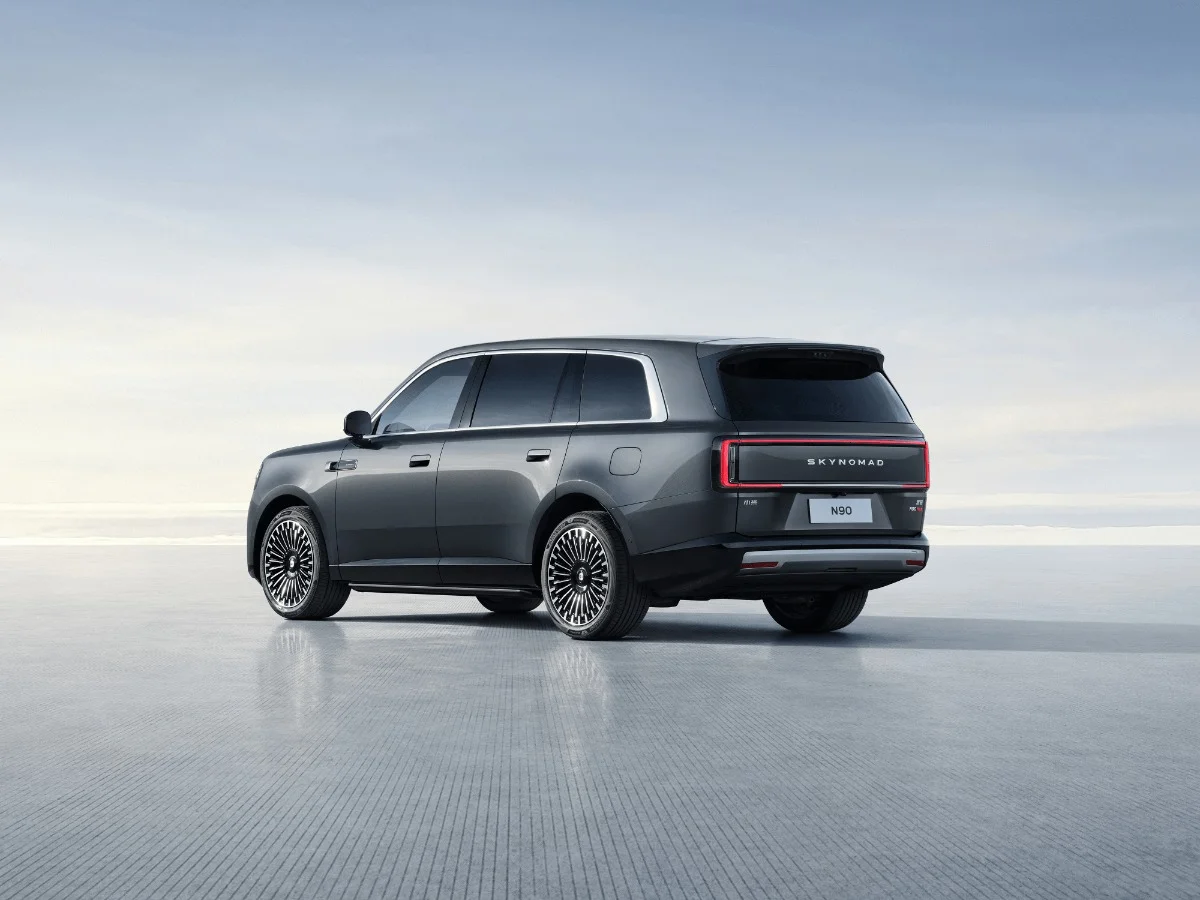
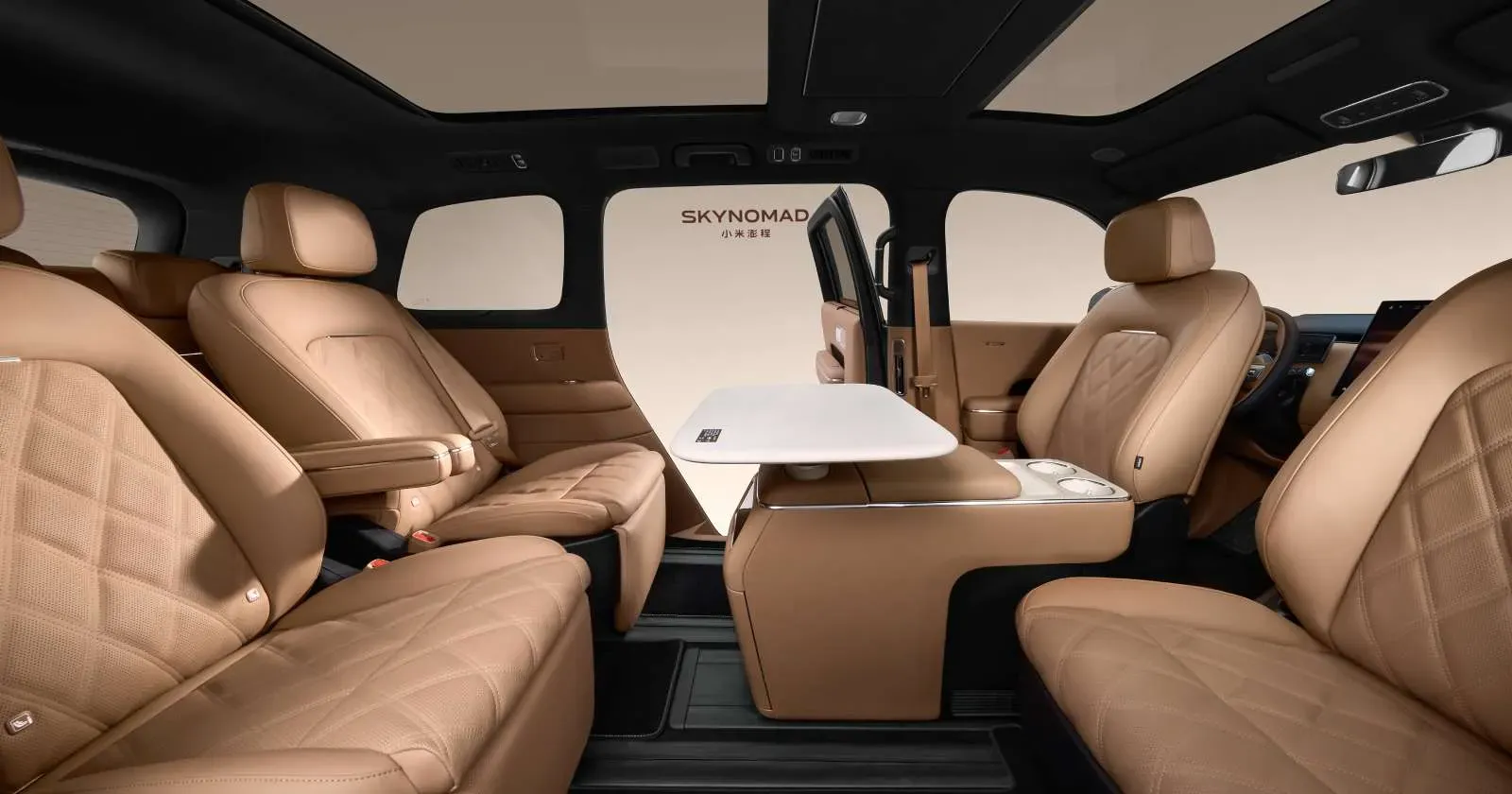
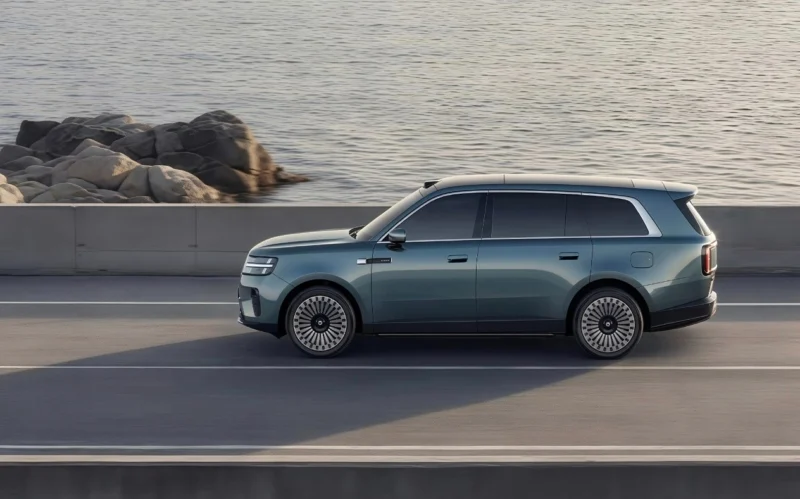
So far, SkyNomad has unveiled two nearly identical vehicles: the N70 and the N90.
Unlike the SU7, which is a sedan, and the YU7, which is a small crossover SUV, the N70 and N90 are full-size SUVs, and they look basically the same.
It’s like they made the N70, then put it in a printer, and just copy-pasted the same vehicle but made it 25 percent larger.
Both use a 1.5-liter engine that acts as a generator for the electric motor, and both are very large.
The N70, which is supposed to be the smaller one, is nearly five meters long – roughly the same as the Mercedes GLE, while the N90 is 5.28 meters long, larger than a GLS.
Power? The N70 is available with 282 horsepower or 416 horsepower, and electric range of 270 km or 380 km – 167 and 174 miles, respectively.
Meanwhile, the N90 is only available with the 416-horsepower option.
The price tag is the inevitable elephant in the room.
In China, they reportedly start at just over $25,000.
In Europe, they’re going to be more expensive than that.
In the US, as ever, they probably won’t be available at all.
Alessandro is an automotive journalist with 10 years of experience covering supercars, automotive history, emerging vehicle technology, and luxury transportation. He wrote the first article published on SupercarBlondie.com when the website launched in 2022 and has since built a reputation for insightful reporting across the automotive and transportation industries. His expertise is grounded in hands-on experience. Alessandro has driven every Tesla model ever produced, from the original Roadster to the Cybertruck, and regularly covers the latest developments in electric vehicles and automotive innovation. His passion for transportation extends beyond cars, he has even flown a Boeing 787 Dreamliner simulator in Addis Ababa, Ethiopia. His reporting spans everything from classic American muscle cars and rare automotive discoveries to luxury yachts, private aircraft, high-end watches, and cutting-edge vehicle technology. Known for his deep knowledge of automotive history and ability to uncover the stories behind iconic vehicles, Alessandro brings readers a blend of historical context, technical expertise, and first-hand experience.