Chinese EV Xiaomi YU7 GT becomes first ever car to do a driverless lap of the Nürburgring
Published on Jun 22, 2026 at 10:42 AM (UTC-4)
by Alessandro Renesis
Last updated on Jun 30, 2026 at 7:19 AM (UTC-4)
Edited by
Mason Jones
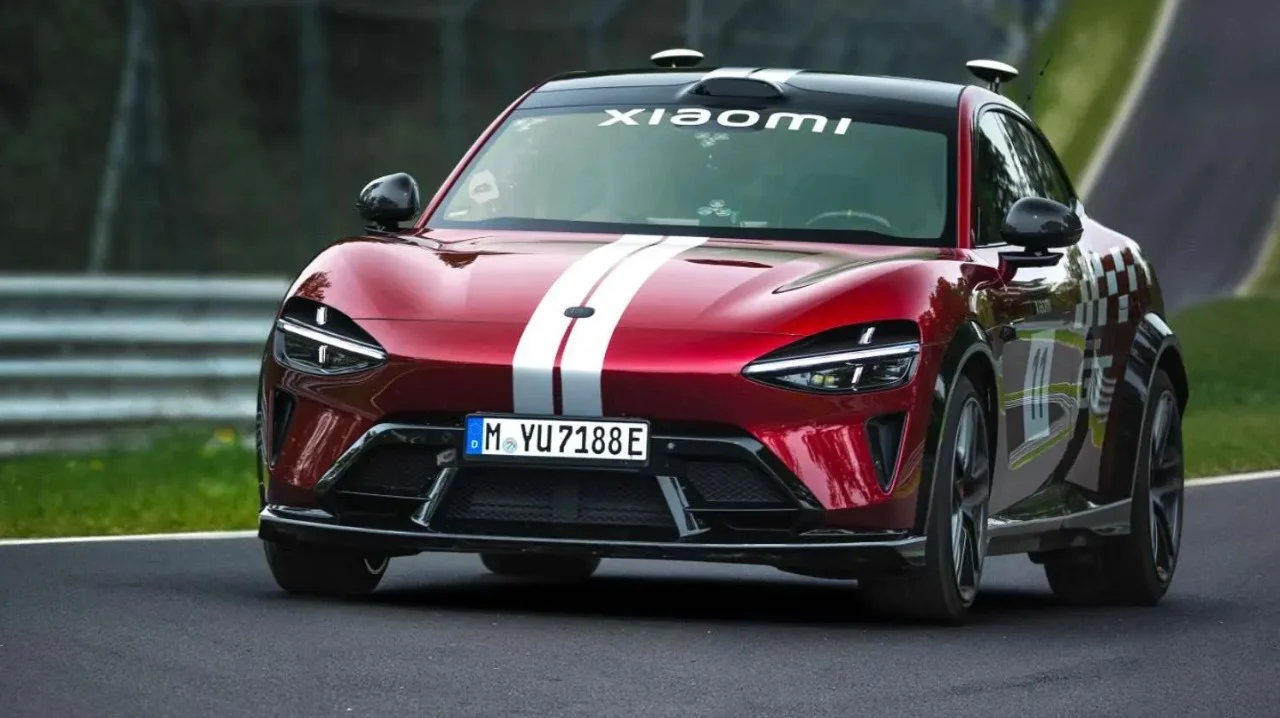

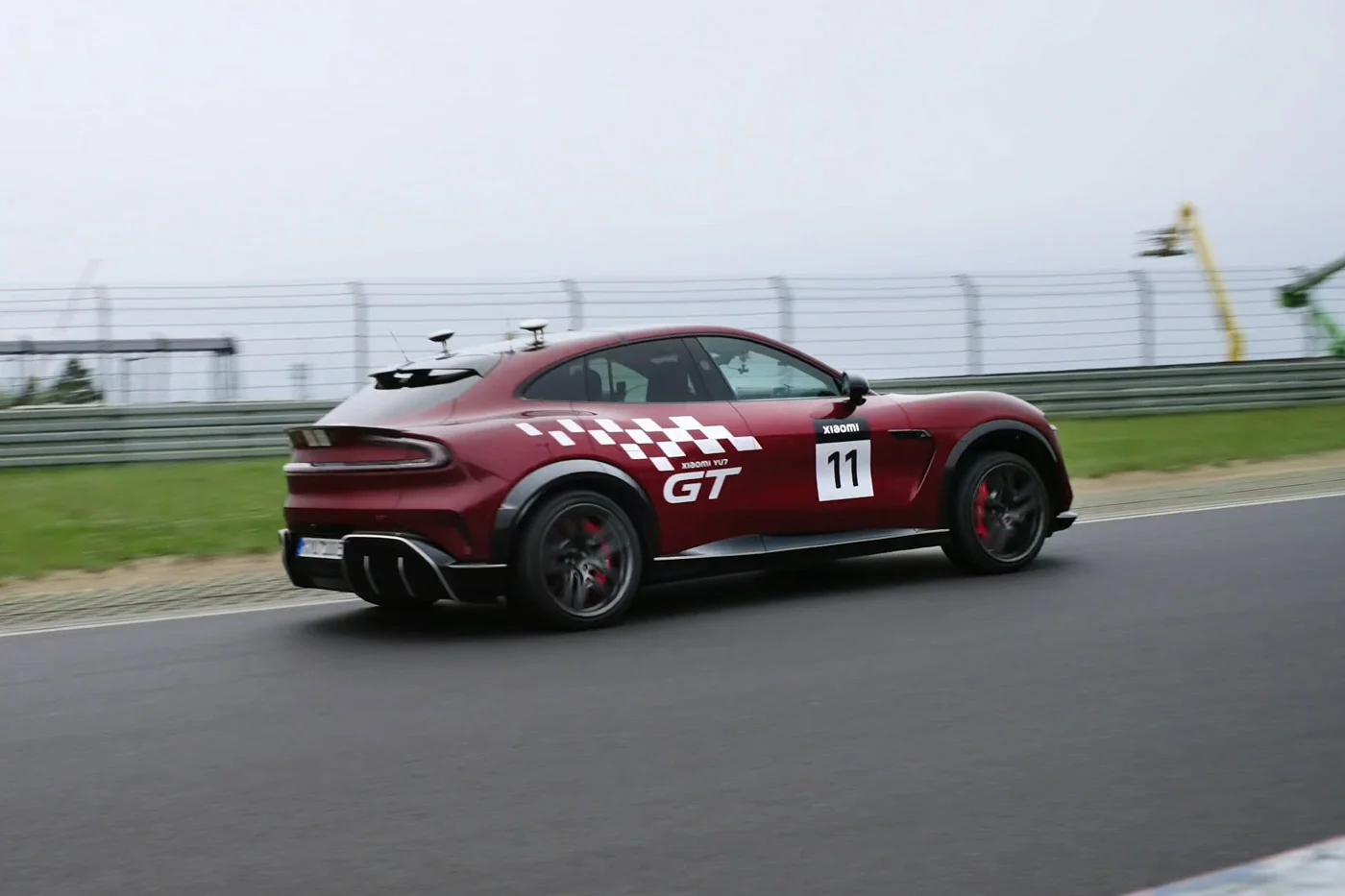
Xiaomi just made the history with the first driverless lap around the famed Nürburgring in Germany with the Xiaomi YU7 GT.
This created an entirely new category as no one had ever lapped the Ring without a driver at the wheel.
The lap time was quite surprising.
But there’s a very good reason for that.
How Xiaomi made history
Automakers have always used the Nürburgring to test their cars and also to make a point in a ‘my car is faster than yours’ type of way.
There are several categories: fastest overall, fastest EV, fastest sedan, and so on.
But no one had ever completed a lap with a driverless car.
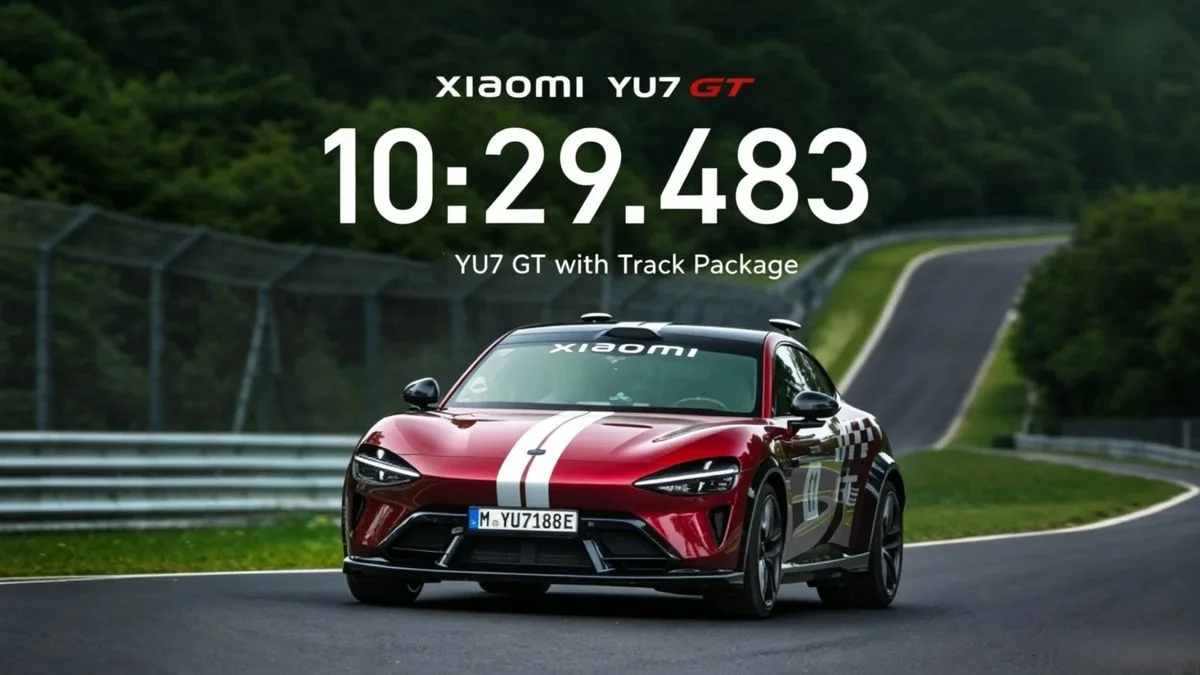
The Xiaomi YU7 GT completed the 20.8 km circuit with zero human intervention in 10 minutes and 29.483 seconds.
The Xiaomi YU7 GT that set the record used its standard 1,003-horsepower powertrain – the exact same configuration customers can buy.
It is capable of a 186 mph top speed, a 0–62 mph time of 2.92 seconds, and a 705 km range on a single charge
Interestingly, while the fact the lap was done is impressive, the lap time per se wasn’t.
The self-driving system is still very conservative, and the car ended up being 3 minutes slower than with a driver.
Nürburgring lap times are getting crazy
Not long ago, a Nürburgring lap time of under 10 minutes would be considered excellent, and a lap under 8 minutes would be considered exceptional.
A regular driver with a high-performance car could realistically expect to lap the Ring in under 12 minutes or so.
Today, you need to scroll a long way down the list of fastest cars around the Ring to find a vehicle that did it in over 8 minutes.
The entire top 20 only includes vehicles that did it under 7 minutes.
Xiaomi prioritized safety over speed, which explains why the lap took over 10 minutes.
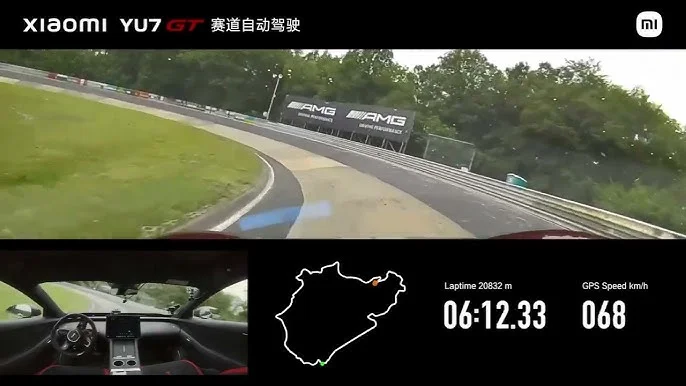
Because the same car – Xiaomi YU7 GT – with a driver at the wheel did it in 7 minutes and 22.755 seconds.
For now, it sounds a little unsettling.
But maybe one day, the driverless Xiaomi will be faster than one with a human at the wheel – and that is truly scary.
How hard is driving around the Ring?

Every year, thousands of car fans drive their cars to the Nürburgring to take them around the track.
You can also rent cars to do it.
But one thing must be clear: you’re probably going to be a lot slower than you think.
The track presents a crazy combination of sharp turns, blind corners, severe elevation changes, steep inclines, and traffic.
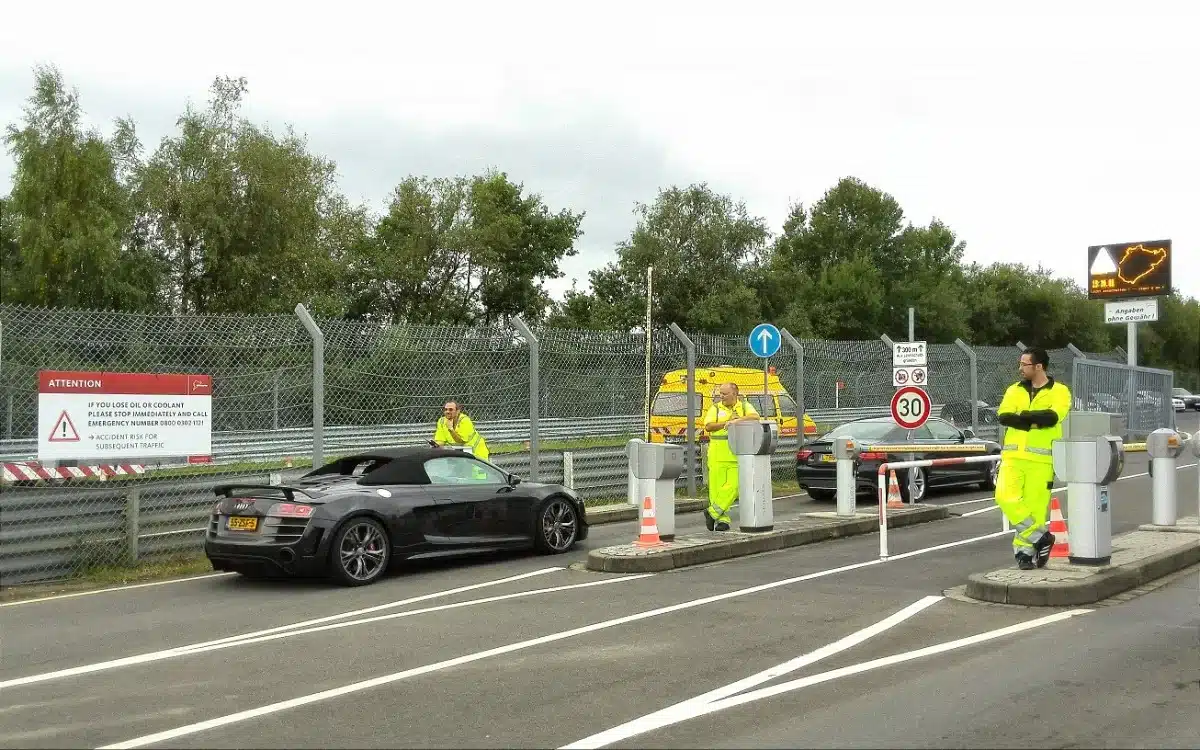
That’s the part no one ever mentions or thinks of: there’s traffic.
If you’re Xiaomi and want to set a lap time, you’re going to shut down the Ring for the day.
If you’re John Doe and want to see how fast you can complete a lap with your Toyota Corolla, you won’t be able to do that, which means other John Does will be there.
Realistically, a driver with no significant racing background at the wheel of a mid-tier car will struggle to finish a lap in under 12 or 13 minutes.
Driving around the Ring requires an immense amount of concentration, and most people aren’t wired like that.
It’s a really, really long track, which means that even with the best will in the world and some skill, you’re probably going to be significantly slower after the first few minutes.
Still, better safe than sorry.
Alessandro is an automotive journalist with 10 years of experience covering supercars, automotive history, emerging vehicle technology, and luxury transportation. He wrote the first article published on SupercarBlondie.com when the website launched in 2022 and has since built a reputation for insightful reporting across the automotive and transportation industries. His expertise is grounded in hands-on experience. Alessandro has driven every Tesla model ever produced, from the original Roadster to the Cybertruck, and regularly covers the latest developments in electric vehicles and automotive innovation. His passion for transportation extends beyond cars, he has even flown a Boeing 787 Dreamliner simulator in Addis Ababa, Ethiopia. His reporting spans everything from classic American muscle cars and rare automotive discoveries to luxury yachts, private aircraft, high-end watches, and cutting-edge vehicle technology. Known for his deep knowledge of automotive history and ability to uncover the stories behind iconic vehicles, Alessandro brings readers a blend of historical context, technical expertise, and first-hand experience.