Forgotten Ford concept car from the 1980s looks like an actual flying car made real
Published on Aug 31, 2026 at 10:02 PM (UTC-4)
by Alessandro Renesis
Last updated on Aug 31, 2026 at 10:02 PM (UTC-4)
Edited by
Mason Jones
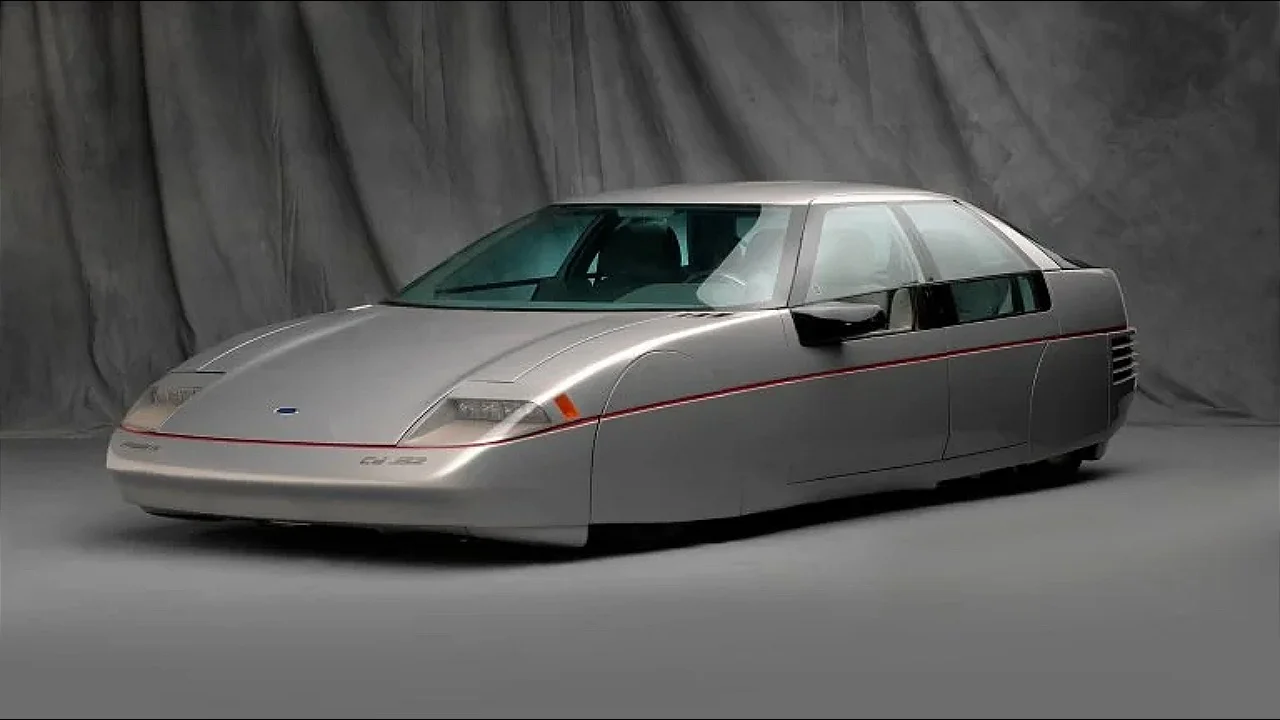

The Ford Probe was unveiled a little over 40 years ago, and it was a weird concept car that actually ended up for sale on Facebook Marketplace more than once.
The wedge-shaped vehicle was first introduced in 1979, but it never made it to production.
What’s interesting is that, in the years that followed, the American automaker actually built a handful of other concept cars all named Probe – but none were ever produced.
It’s a shame because this really did look like a flying car.
There are several Probe models
The interesting thing is that all of these Probe models looked different from one another.
One, the one that very nearly replaced the Mustang, looked fairly normal as it basically looked like any other compact coupe.
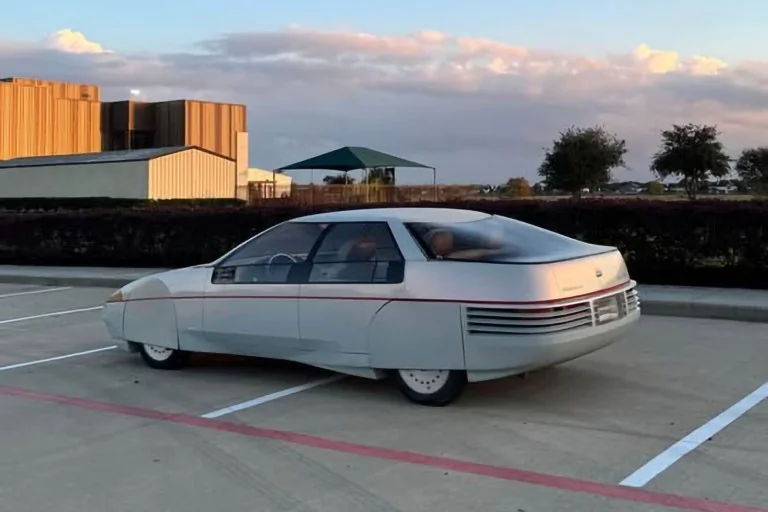
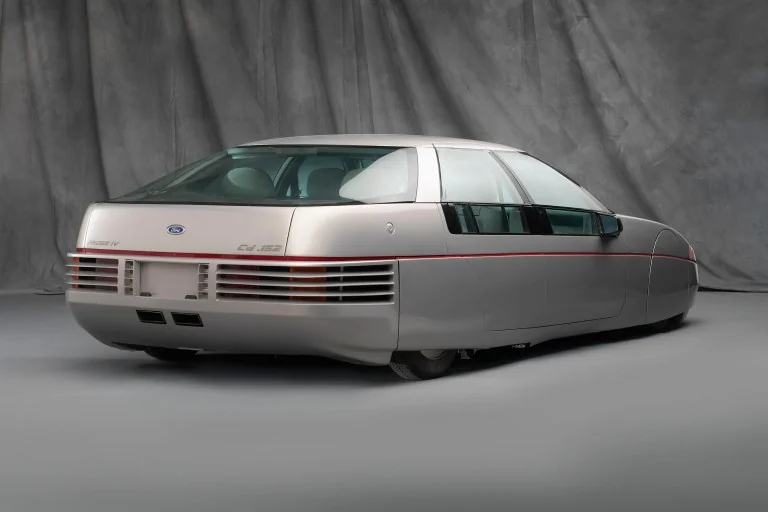
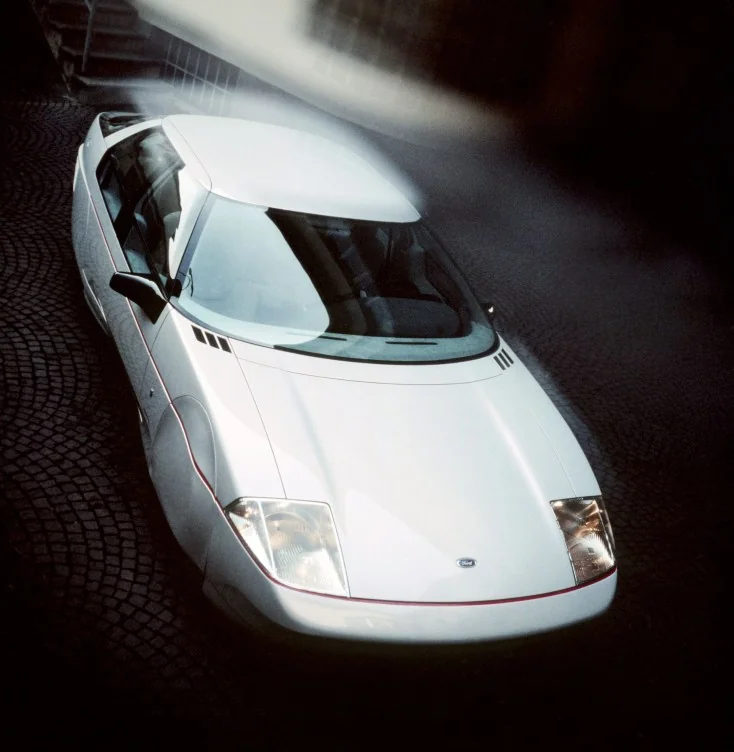
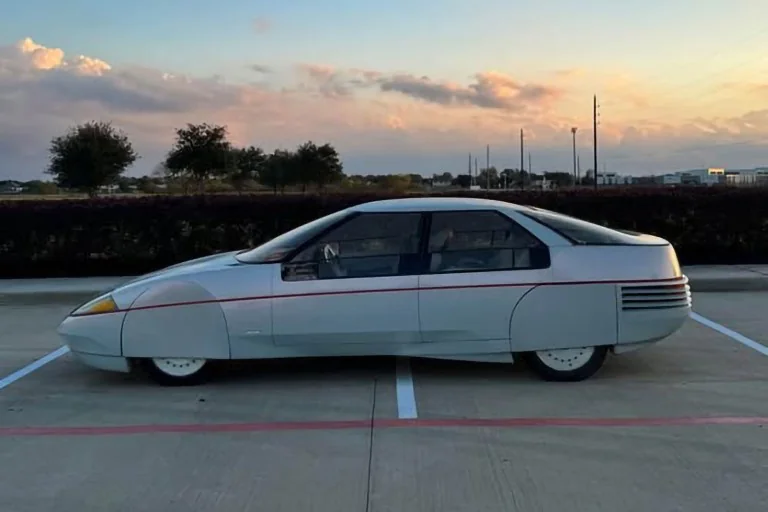
By contrast, the one you see here – the fourth version – didn’t look normal at all; it looked like a flying car.
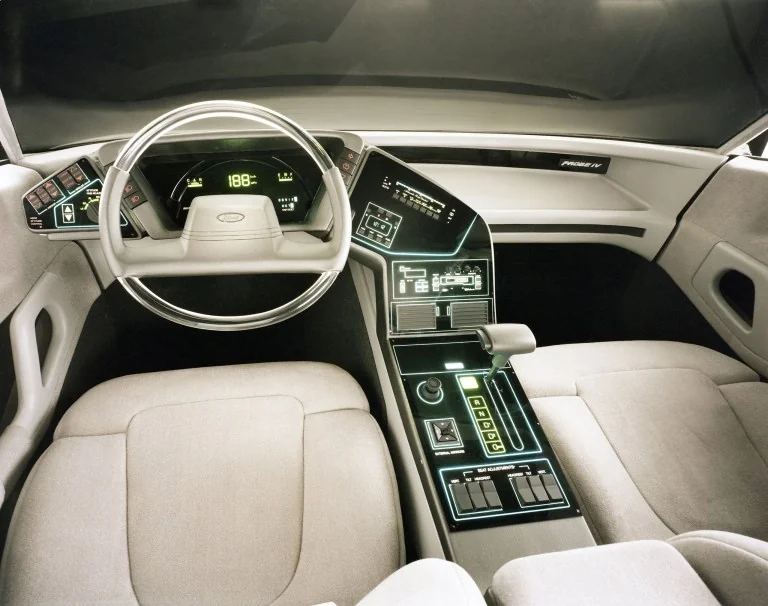
Even the interior looks like it was designed in the 1980s by someone who was imagining what 2080s might look like with private jet-like controls and a center console heavily tilted towards the driver.
The massive shifter that looks like a thrust lever also helps.
Over the course of the next six years or so, the manufacturer continued to endlessly tinker with the design of the Probe, trying out a bunch of different things.
Then, in 1983, they unveiled the Ford Probe IV, which came with a more radical design.
Thanks its closed wheels and the extremely streamlined body, the Probe IV achieved an impressive 0.15 drag coefficient during testing.
More importantly, the unusual body shape made it look like a flying car.
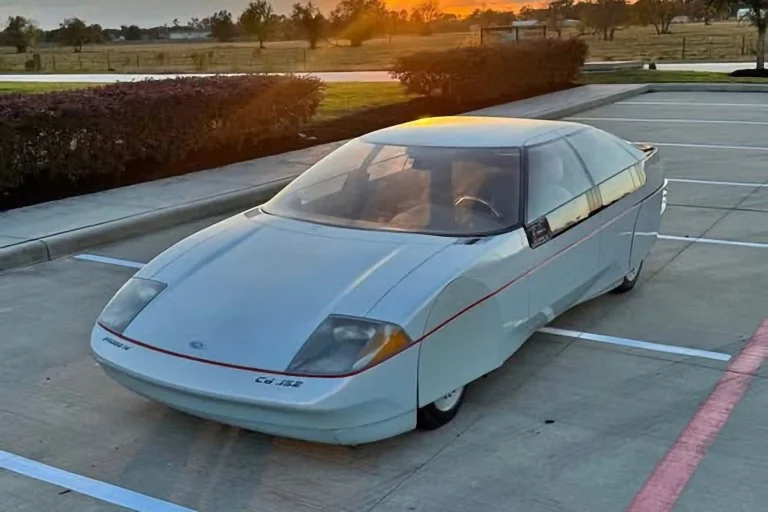
Only two Probe IVs were ever built – one is on display at the Petersen Automotive Museum, and the other sold Facebook Marketplace some time ago.
Related


This wasn’t the only Ford Probe for sale
The irony is that most of these concept cars are just empty shells.
Most lack a proper drivetrain or a steering wheel, some don’t even have an interior.
The rare concept that surfaced on Facebook Marketplace a while back came with a faulty front left wheel cover, missing mirrors, and non-functioning rear doors.
But it was still worth a lot of cash.
Its sister vehicle – Chassis 002 – was snapped up for a reported $125,000 in 2022.
Iconic Ford concept cars unveiled through the years
1955 Mystere: Jet-age concept inspired by aviation and space travel, it never made to production
1962 Mustang I: Mid-engine roadster that previewed the Mustang name
1965 GT40 Concept: Early design studies for Ford’s Le Mans racer that beat Ferrari
1979 Probe I: Radical aerodynamic concept influencing 80s design. Several similar concept cars followed, but a production model was never built
2001 Forty-Nine: Retro-futuristic take on classic American luxury, which also never made it to production
2002 GT Concept: Sparked the rebirth of the Ford GT supercar
2022 Pro Electric SuperVan: Extreme electric performance van concept
Alessandro is an automotive journalist with 10 years of experience covering supercars, automotive history, emerging vehicle technology, and luxury transportation. He wrote the first article published on SupercarBlondie.com when the website launched in 2022 and has since built a reputation for insightful reporting across the automotive and transportation industries. His expertise is grounded in hands-on experience. Alessandro has driven every Tesla model ever produced, from the original Roadster to the Cybertruck, and regularly covers the latest developments in electric vehicles and automotive innovation. His passion for transportation extends beyond cars, he has even flown a Boeing 787 Dreamliner simulator in Addis Ababa, Ethiopia. His reporting spans everything from classic American muscle cars and rare automotive discoveries to luxury yachts, private aircraft, high-end watches, and cutting-edge vehicle technology. Known for his deep knowledge of automotive history and ability to uncover the stories behind iconic vehicles, Alessandro brings readers a blend of historical context, technical expertise, and first-hand experience.