People stunned by 'next level' 3D explanations of how NASCAR cars work and demand F1 introduce something similar
Published on Oct 03, 2026 at 1:54 PM (UTC-4)
by Daisy Edwards
Last updated on Oct 03, 2026 at 1:54 PM (UTC-4)
Edited by
Mason Jones
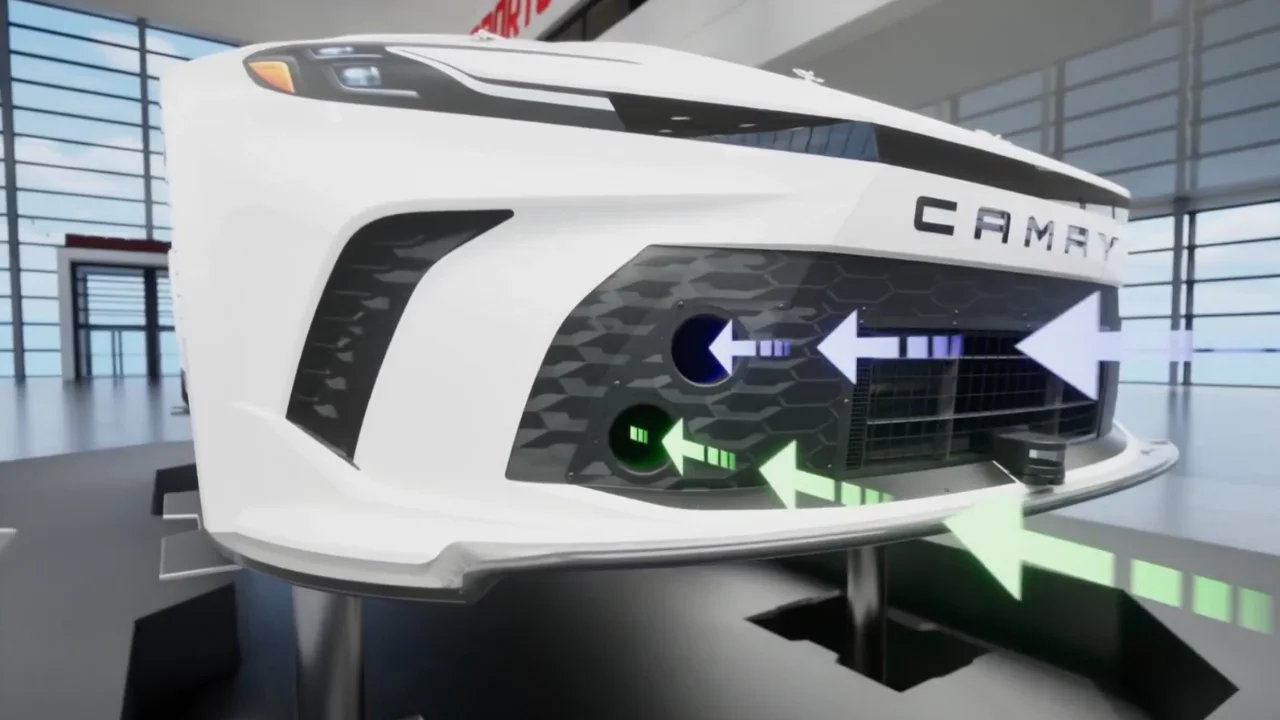

NASCAR has given fans a seriously cool look inside one of its cars, using a 3D animation to explain exactly what happens when a brake rotor fails and F1 fans are jealous.
The visual breakdown shows how air travels through the car to cool the brakes, before revealing what happens when a tiny crack turns into a much bigger problem.
The clip has now caught the attention of motorsport fans online, with viewers calling the style of explanation ‘insanely good’ and asking why other racing series don’t do something similar.
The 3D animation shows exactly how NASCAR brakes stay cool
The animated video, explained by former NASCAR driver and NBC Sports analyst Steve Letarte, starts by showing how the brake cooling system works.
Air enters through an upper and lower duct before being directed through two separate tubes toward different parts of the brake assembly.
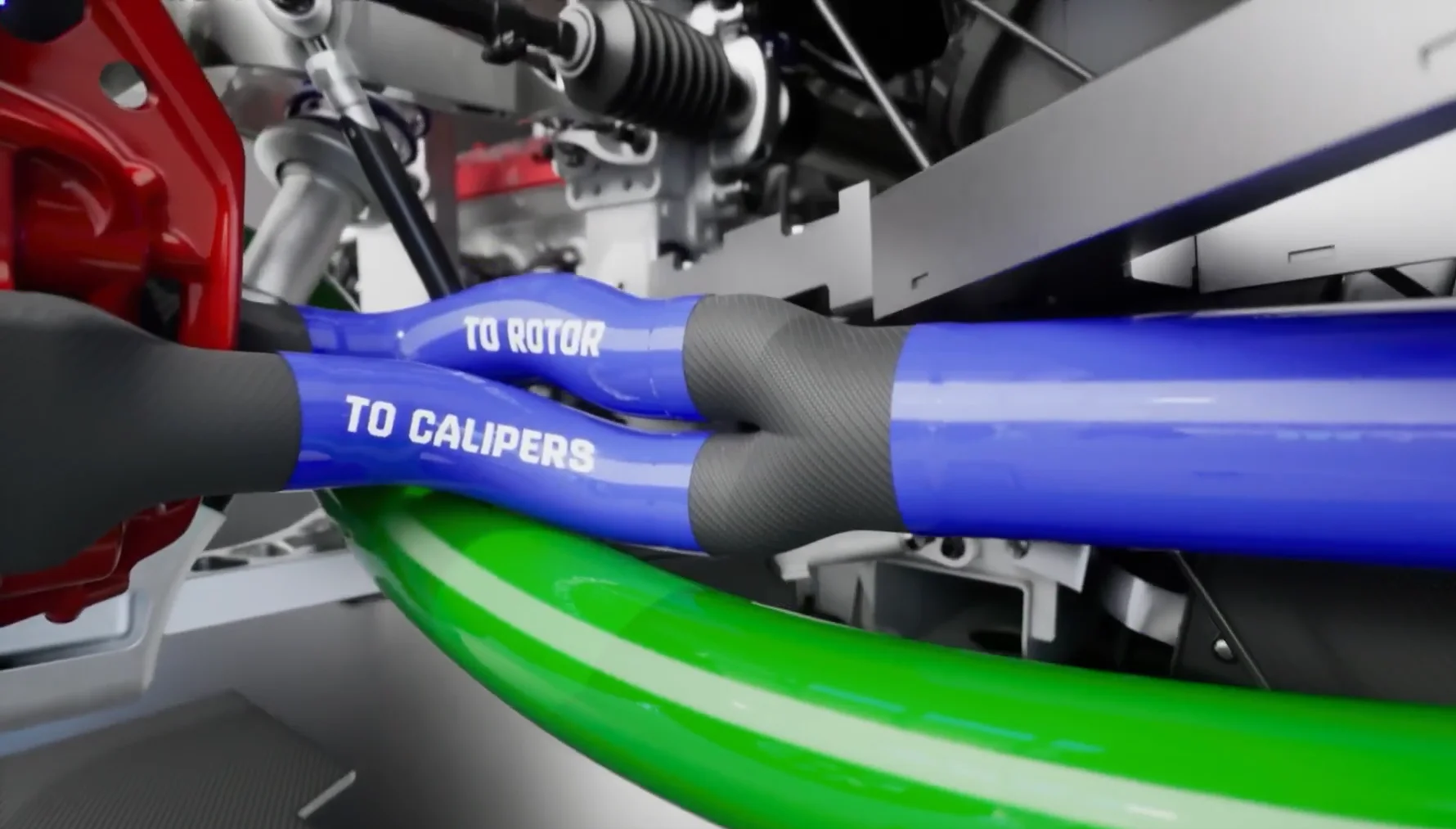
One of the hoses splits the airflow between the caliper and rotor, helping cool the caliper through the brake pad while also sending air toward the back of the caliper and rotor.
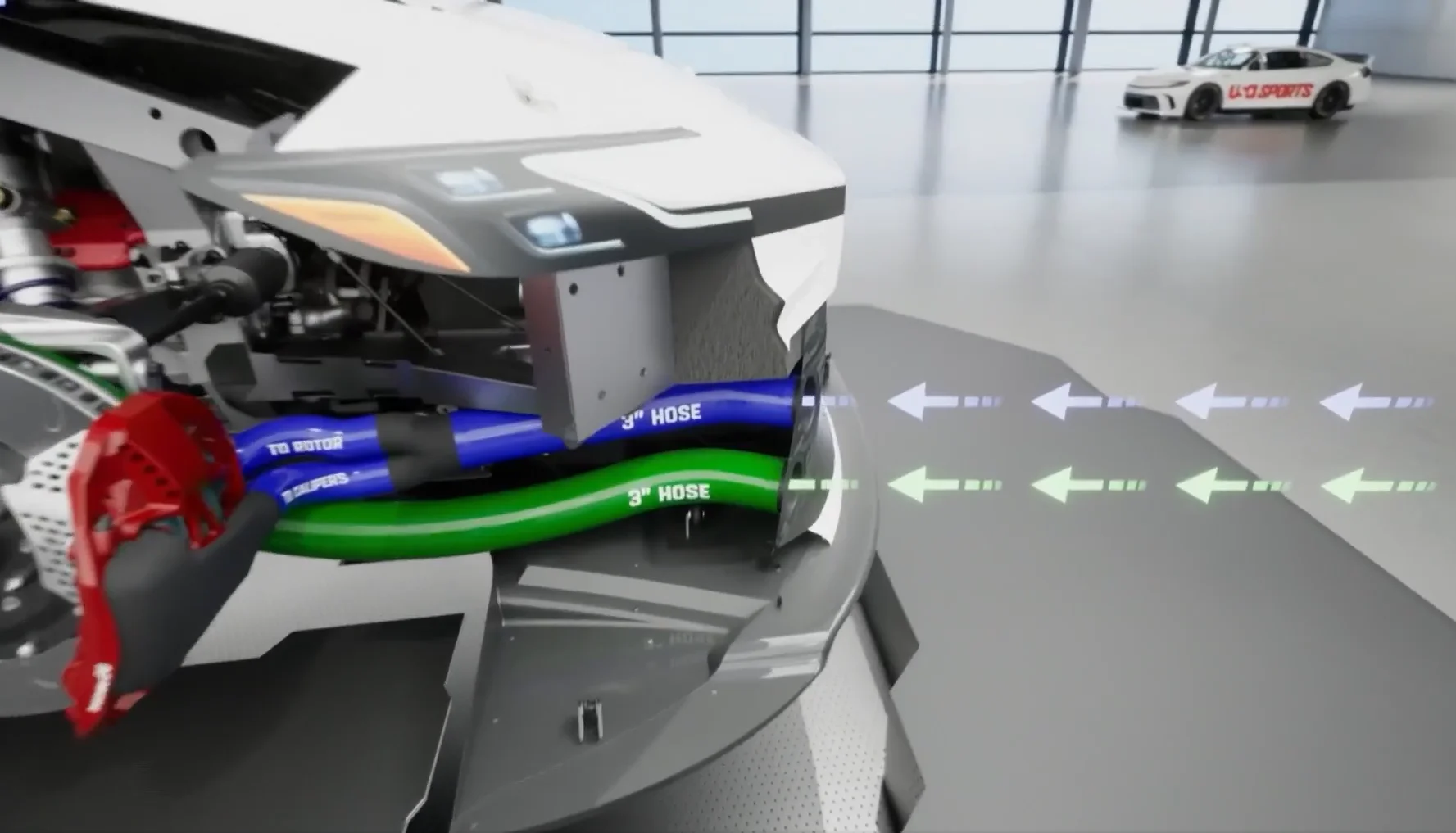
Another section directs air behind the upright and toward the center of the brake disc.
That airflow is particularly important because NASCAR brakes can experience huge amounts of heat.
NASCAR has previously noted that brake temperatures can climb to around 1,400 degrees Fahrenheit at particularly demanding tracks, making cooling a major part of keeping the car running.
Then it shows what happens when the rotor cracks
The really fascinating part comes when Letarte explains something that isn’t immediately obvious from looking at the car.
Although the brake rotor appears to be firmly bolted together, it actually has a small amount of movement, or ‘float’, built into it.
That becomes important when a crack develops.
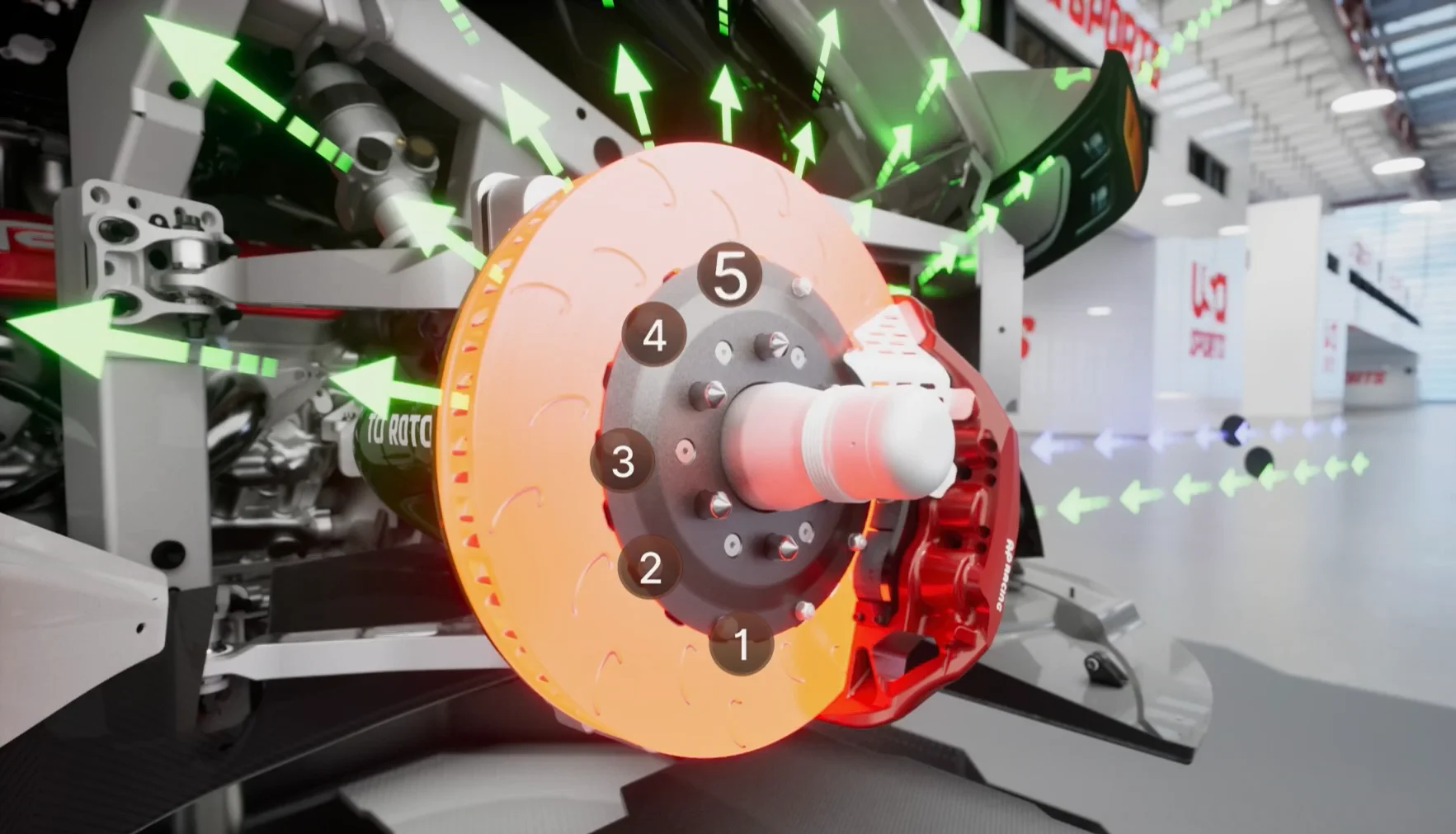
Letarte uses the animation to show how the rotor is effectively made up of several pieces held together, comparing it to a Lego structure.
Once one section breaks away, the remaining pieces can begin coming apart too.
That’s what happened in the incident being explained, the damaged rotor eventually caught the caliper, causing the caliper itself to come off as the car headed into the garage.
Rather than simply telling viewers that a brake failure occurred, the animation lets them see exactly how the failure progressed.

Fans want more motorsport explained like this
That visual approach appears to be what has really grabbed people’s attention.
One viewer wrote: “This is such a cool video, wish other motorsports did this.”
The reaction isn’t entirely new for NASCAR’s 3D explainers, either.
Similar NBC broadcasts have previously used animated cutaway cars to explain complicated failures, with fans praising how the graphics made technical problems understandable even for people who don’t follow motorsport closely.
Late race storyline…BRAKES ⬇️ pic.twitter.com/e3pDKOfY4K
— Steve Letarte (@SteveLetarte) September 13, 2026
And that’s where the comparisons with F1 come in.
Formula 1 already produces plenty of technical content, including its F1 Explains series and graphics designed to break down everything from braking performance to the technology inside the cars.
But this NASCAR animation offers something slightly different.
And judging by the reaction, plenty of motorsport fans would happily see more of it.
Daisy is a technology and automotive journalist covering artificial intelligence, consumer tech, Apple news, cryptocurrency, emerging technologies, and transportation innovation. Since joining the team in 2025, she has reported on everything from AI-powered startups and major iOS updates to viral car stories and the latest developments shaping transportation and the digital economy. Drawing on her background in automotive journalism and a degree in History and Journalism from Goldsmiths, University of London, Daisy specializes in breaking down complex topics into clear, engaging reporting for a global audience. Her work spans cutting-edge technology, innovative vehicles, and the people driving change across both industries. Daisy has gained first-hand access to some of the world's most talked-about technologies and innovators, including meeting Tesla's Optimus humanoid robot during its first European appearance in London. She has also discussed the future of space exploration with an astronaut, bringing unique insights and real-world perspectives to her coverage of emerging technology.