NASCAR explains why it's stopped YouTuber Cleetus McFarland from driving in the upcoming Talladega race
Published on Apr 16, 2026 at 7:25 AM (UTC-4)
by Alessandro Renesis
Last updated on Apr 16, 2026 at 12:27 PM (UTC-4)
Edited by
Emma Matthews
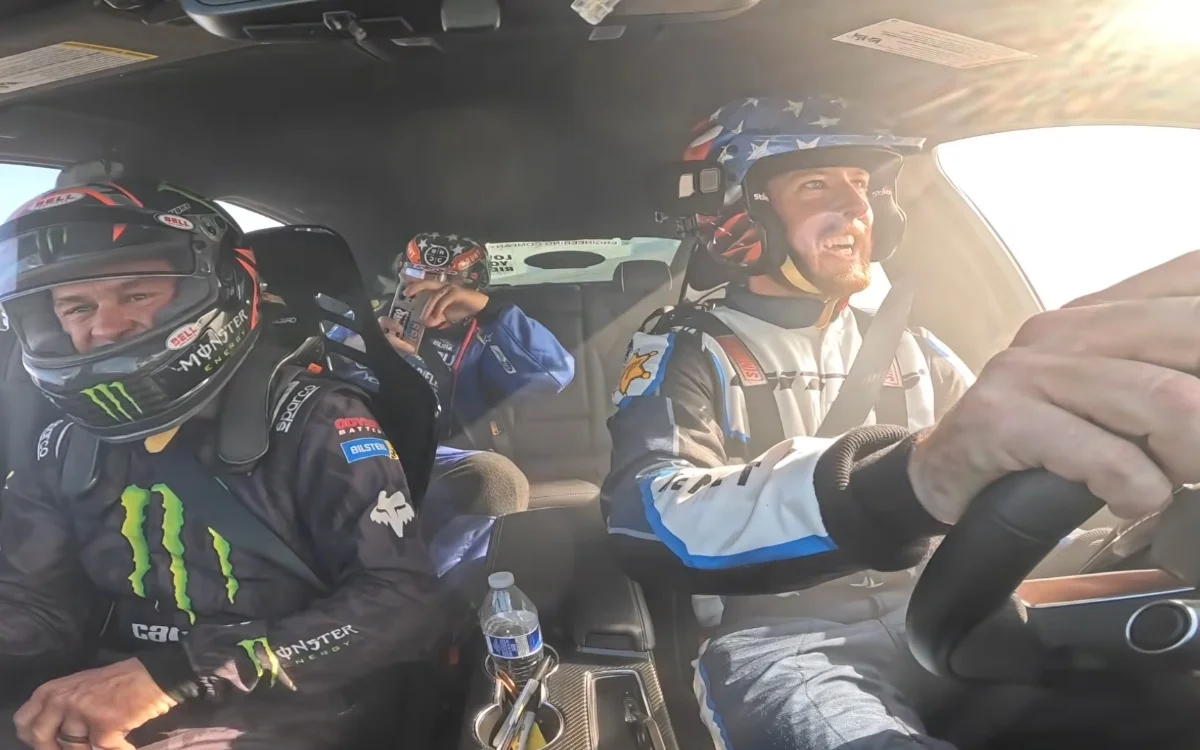

YouTuber Cleetus McFarland won’t be taking part in the upcoming NASCAR Talladega race.
This wouldn’t have been the YouTuber’s first NASCAR rodeo, but that’s the problem.
Because his previous rodeos weren’t good enough in the eyes of NASCAR’s decision-makers.
But there’s a silver lining.
Why NASCAR is such a huge deal
NASCAR is a US-centric sport – it basically only exists in the United States.
And yet, it’s still one of the world’s most followed forms of motorsport.
In the US, for example, NASCAR still regularly doubles or triples F1’s US viewership.
For example, in late 2025, a standard NASCAR race drew 2.1 million viewers compared to F1’s record-breaking Azerbaijan GP, which drew 1.1 million in America.
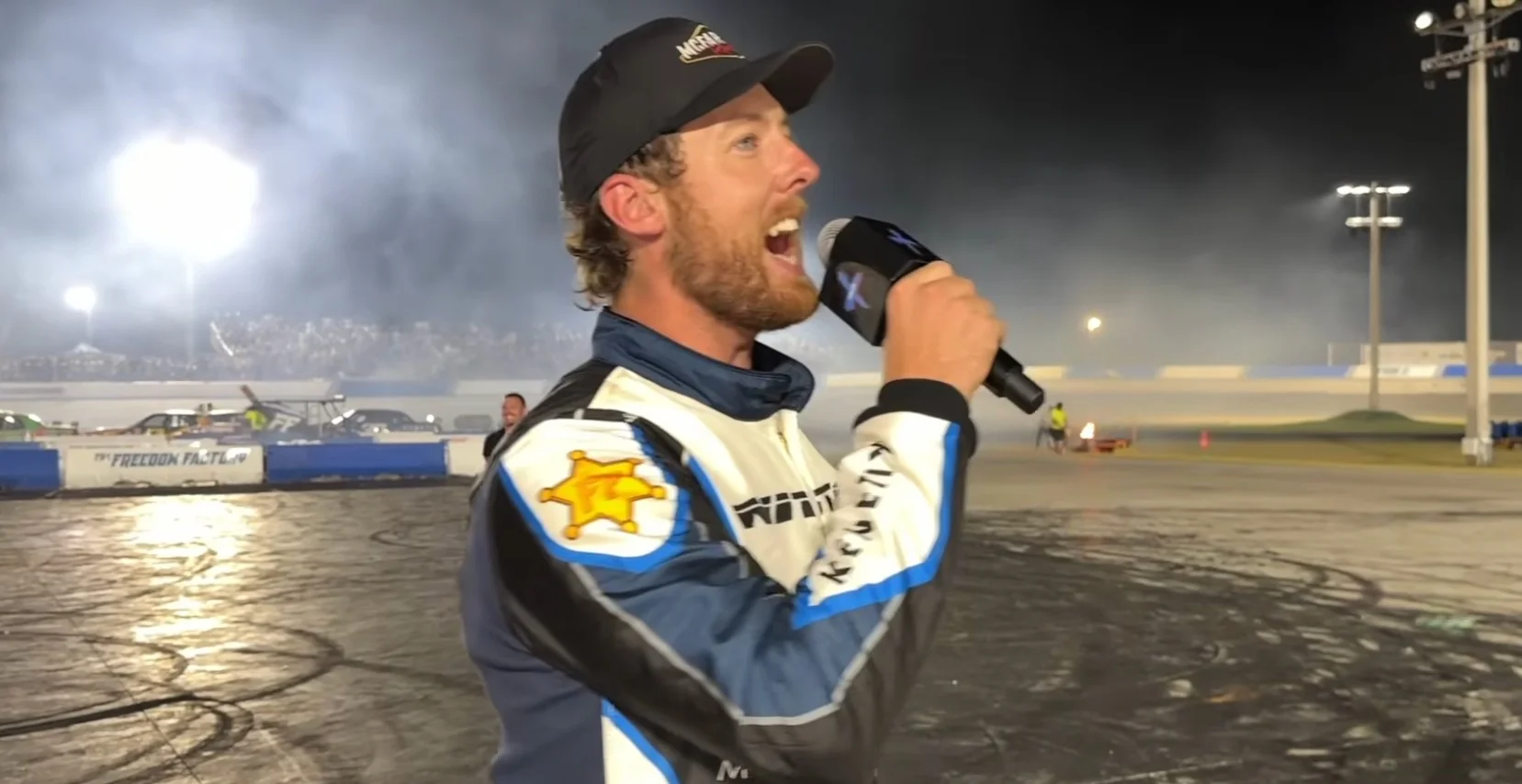
Like nearly all forms of motorsport, NASCAR is driven by talent, but also by clicks and money.
However, for once, the decision that led to Cleetus McFarland’s exclusion has nothing to do with social media ‘clout’ but everything to do with results.

The reason NASCAR said Cleetus McFarland wouldn’t compete in the Talladega race
YouTuber Lawrence Garrett Mitchell – better known as Cleetus McFarland on YouTube – just received a polite but very firm ‘no’, denying him the chance to compete in the O’Reilly Auto Parts Series race at Talladega Superspeedway.
As reported by AutoWeek, the decision was based on McFarland’s track record, and not on the additional views he might bring to the event.
NASCAR Executive Vice President and Chief Racing Development Officer John Probst said the decision was based on his experience, and that McFarland handled it like a ‘true professional.’
“We’re not saying no. We’re just saying we want to see more experience first,” Probst said.
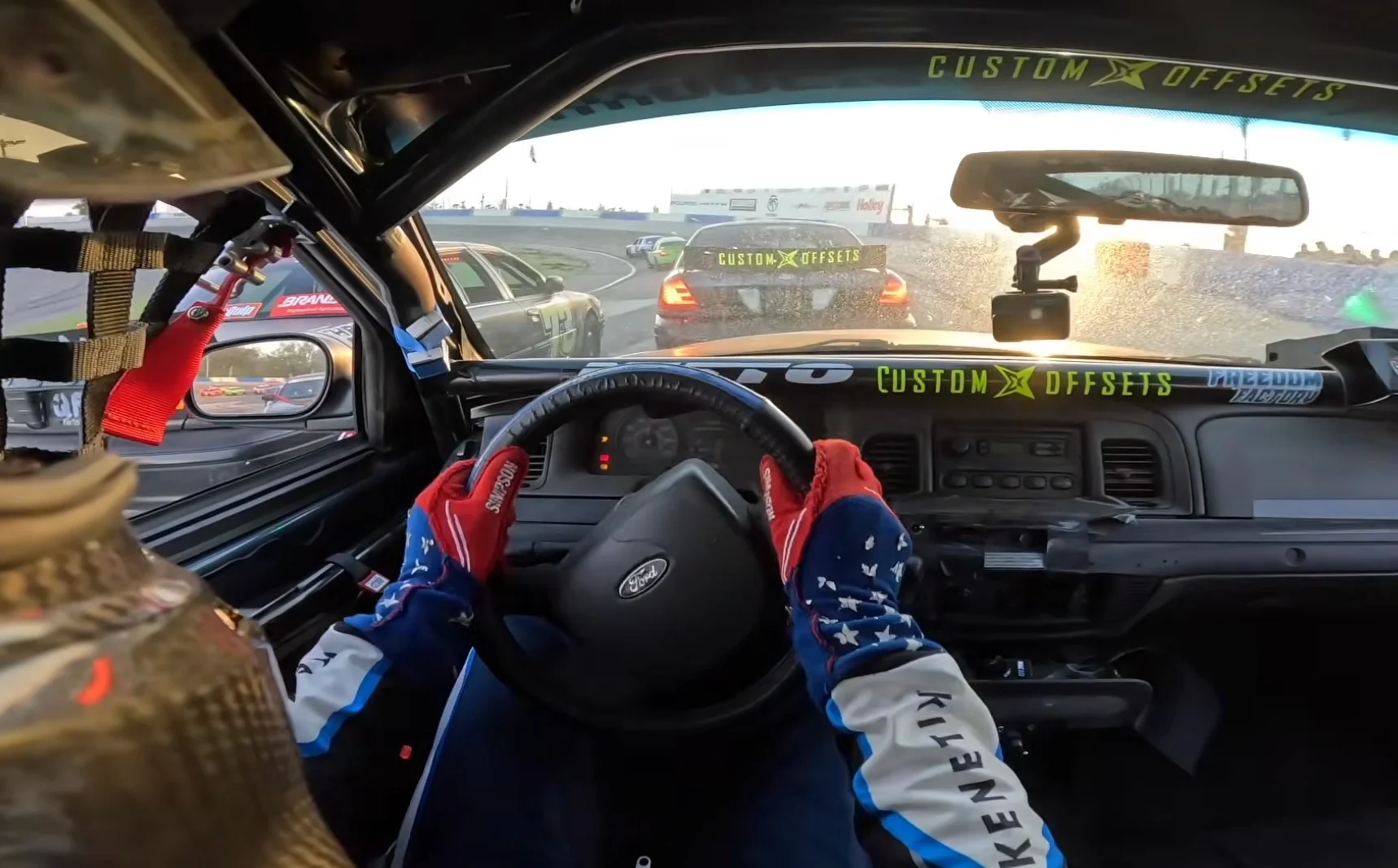
Probst also explained that safety – visibility or profit – is the absolute priority.
“If it was just about clicks and dollars, we’d have an easy decision with Cleetus, but it’s not about that,” Probst explained.
“It’s just making sure that we’re doing right for him as a driver. [We want] to make sure that when we say you’re ready, we feel in all our hearts that he is ready.”
When you look at McFarland’s on-track record, the reasons behind the decision are pretty clear.
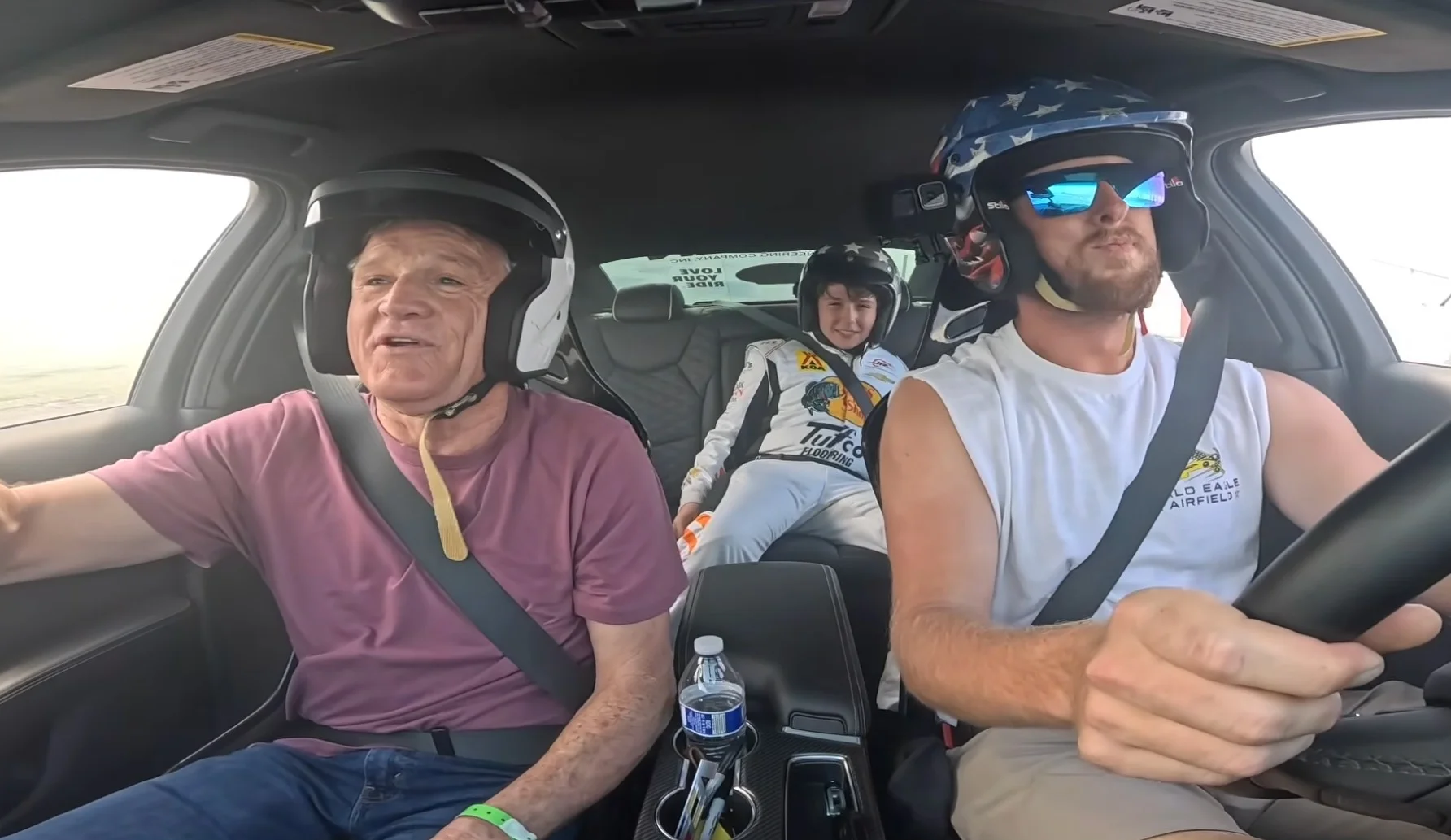
In his last three races, McFarland crashed twice, and then in the third race, he finished 32nd out of 38.
Still, the very fact that he’s in this conversation confirms the talent is there.
That’s like saying you’re not ready to play for the New York Knicks or the Miami Heat.
The fact you were even considered in the first place means you’re on the right track.

The key difference between NASCAR and other sporting events
When you zoom in, NASCAR races aren’t in the top 10, even if you exclude the Super Bowl.
However, when you zoom out, you’ll realize that most sports build toward one or two massive climax events.
The Super Bowl, the FIFA World Cup final, the Olympics, or the NBA Finals.
But when you look at the average per-game or per-race viewership, numbers don’t lie.
The average MLB or NBA regular-season game draws roughly between one and two million viewers.
NASCAR? On average, around three million viewers tune in to watch a NASCAR race.
And it’s not like there are two or three every year.
When you include non-points exhibition races, we’re looking at a calendar with nearly 38 races.
Each one gluing three million spectators to the screen.

Alessandro is an automotive journalist with 10 years of experience covering supercars, automotive history, emerging vehicle technology, and luxury transportation. He wrote the first article published on SupercarBlondie.com when the website launched in 2022 and has since built a reputation for insightful reporting across the automotive and transportation industries. His expertise is grounded in hands-on experience. Alessandro has driven every Tesla model ever produced, from the original Roadster to the Cybertruck, and regularly covers the latest developments in electric vehicles and automotive innovation. His passion for transportation extends beyond cars, he has even flown a Boeing 787 Dreamliner simulator in Addis Ababa, Ethiopia. His reporting spans everything from classic American muscle cars and rare automotive discoveries to luxury yachts, private aircraft, high-end watches, and cutting-edge vehicle technology. Known for his deep knowledge of automotive history and ability to uncover the stories behind iconic vehicles, Alessandro brings readers a blend of historical context, technical expertise, and first-hand experience.