Pilot explains why planes can't fly higher than 40,000ft despite Concorde reaching as high as 60,000ft
Published on May 16, 2026 at 3:50 PM (UTC-4)
by Alessandro Renesis
Last updated on May 29, 2026 at 6:11 AM (UTC-4)
Edited by
Alessandro Renesis
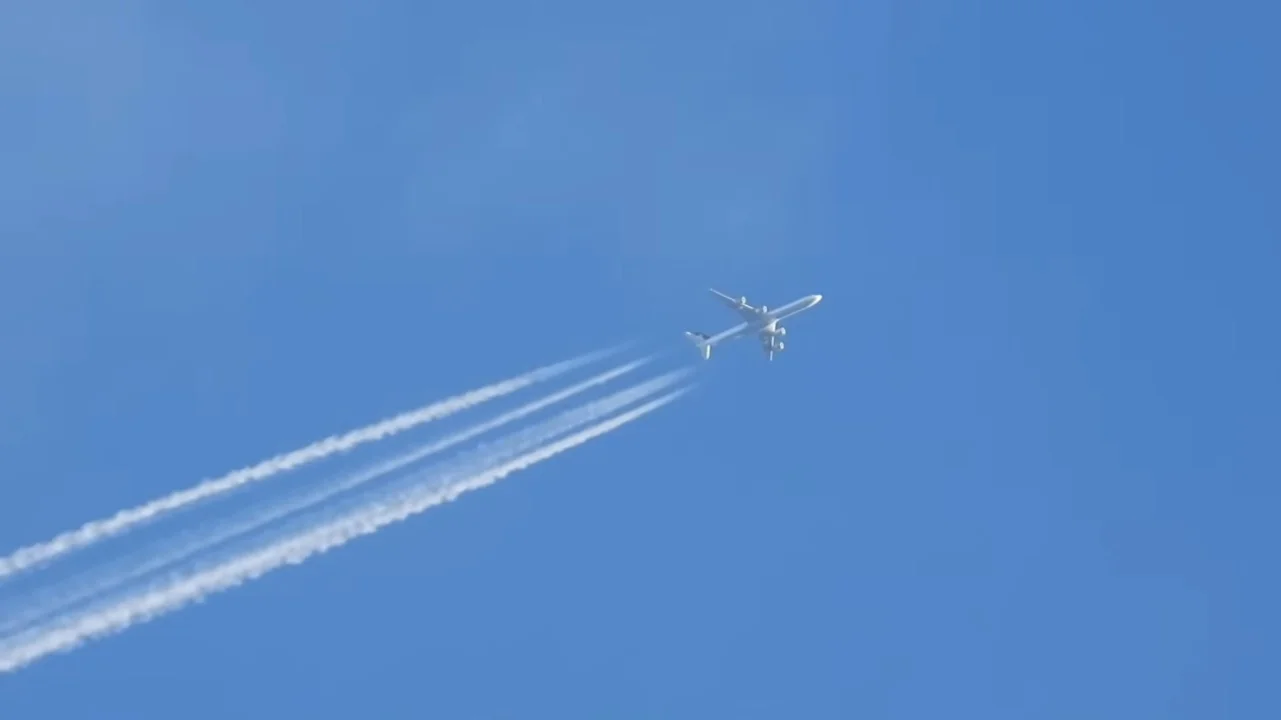

Most commercial aircraft cruise between 35,000 and 40,000 feet, which is interesting when we remember that Concorde actually flew at around 60,000.
As always, the reasons are both technical and financial.
And the altitude chosen is generally a result of both.
But there’s something worth pointing out.
Most aircraft cruise between 35,000 and 40,000 feet for a reason
Most commercial aircraft today cruise at altitudes between 35,000 feet (around 10.5 kilometers) and 40,000 feet (around 12 kilometers) for several key reasons.

The first thing worth noting is that this isn’t a hard cap: they could fly lower as well as higher.
While thinner air would reduce drag and improve fuel efficiency, flying higher would involve diminishing returns for a bunch of reasons.
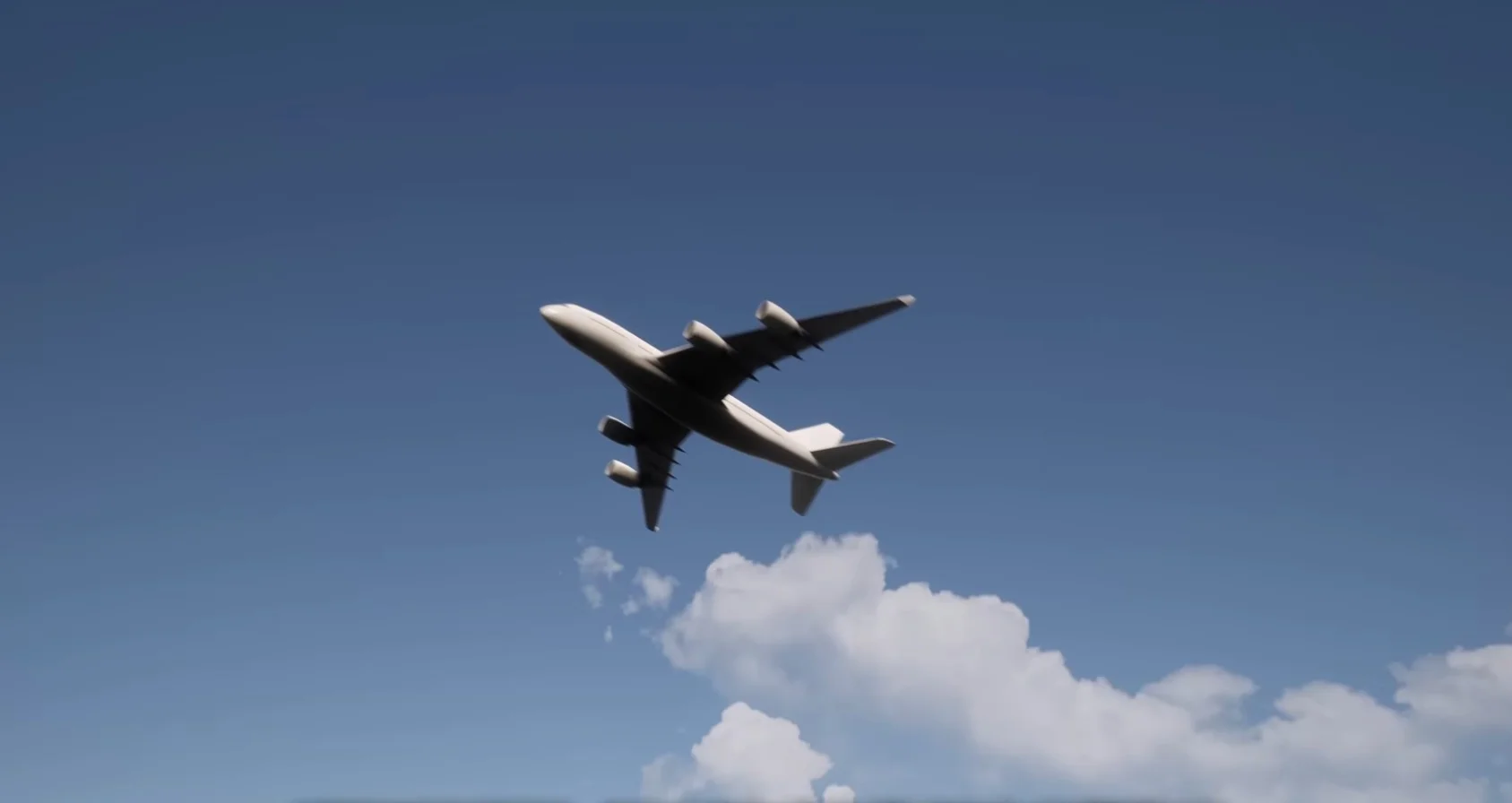
First, jet engines lose power at higher altitudes because the air is too thin for efficient combustion, and this leads to a related second problem: lift.
Wings generate lift through air flow, and air is thinner above 40,000 feet.
Also, the system that keeps the cabin at a comfortable, breathable pressure faces significant stress the higher the plane climbs.
In other words, 40,000 feet isn’t a hard physical wall; it’s just the sweet spot.
Why Concorde could fly higher
Nothing about Concorde was ‘normal.’
The cockpit was mad, with dials and switches on the walls, and it required a three-person crew.
Its speed was also obviously far from common.
With that in mind, the fact that Concorde generally flew at a much higher altitude shouldn’t surprise us.
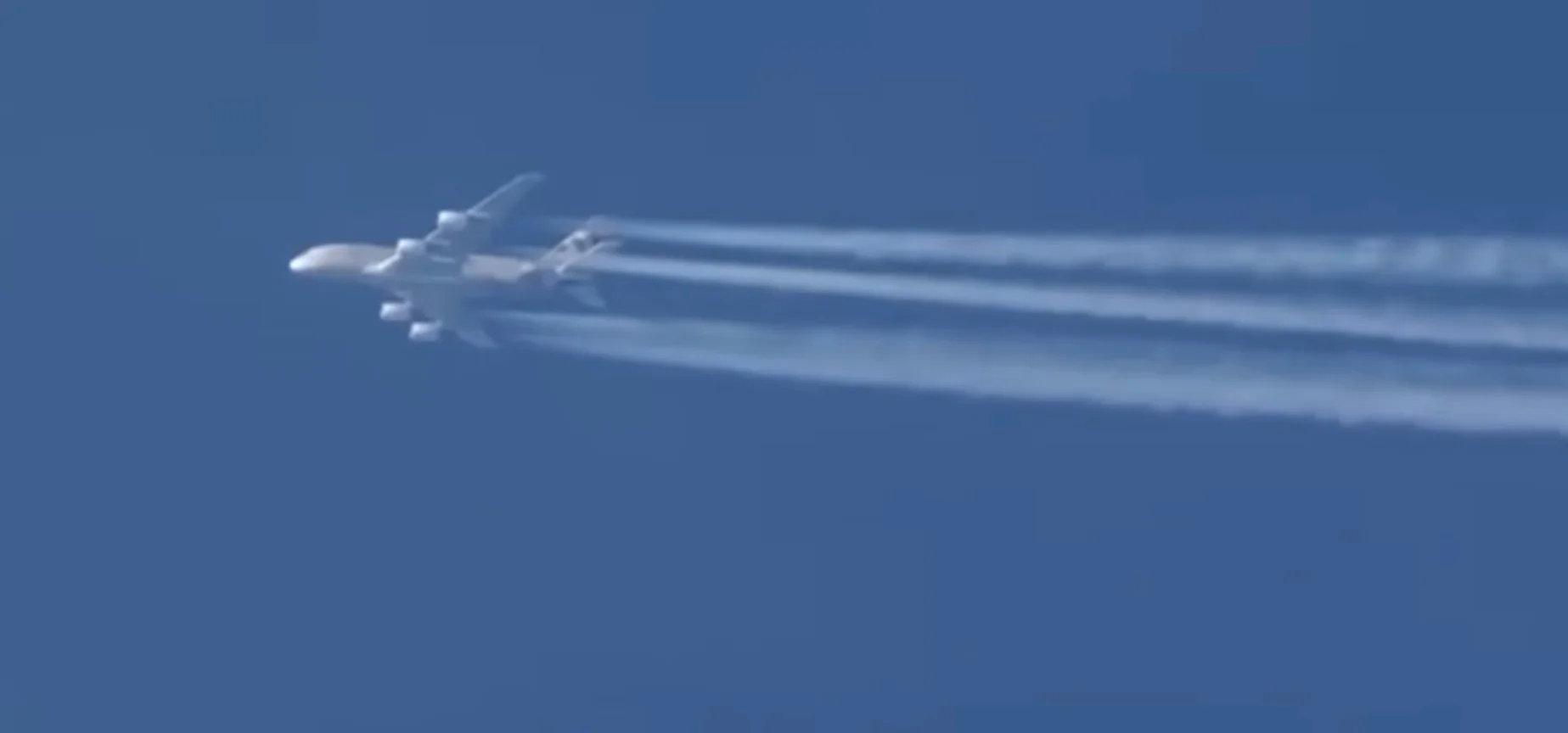
At supersonic speeds, air density creates increased drag, which can be reduced by flying higher, where air is thinner.
The engines that Concorde used were optimized for higher speeds and higher altitudes, precisely for that reason.
Also, the plane’s speed could turn the engines (and therefore the plane) into a furnace, which is something else that can be mitigated by flying higher, where air is much colder.
Last but not least: by flying well above the majority of earth’s atmosphere, Concorde avoided most weather-related turbulence, making the ride more comfortable.

Alessandro is an automotive journalist with 10 years of experience covering supercars, automotive history, emerging vehicle technology, and luxury transportation. He wrote the first article published on SupercarBlondie.com when the website launched in 2022 and has since built a reputation for insightful reporting across the automotive and transportation industries. His expertise is grounded in hands-on experience. Alessandro has driven every Tesla model ever produced, from the original Roadster to the Cybertruck, and regularly covers the latest developments in electric vehicles and automotive innovation. His passion for transportation extends beyond cars, he has even flown a Boeing 787 Dreamliner simulator in Addis Ababa, Ethiopia. His reporting spans everything from classic American muscle cars and rare automotive discoveries to luxury yachts, private aircraft, high-end watches, and cutting-edge vehicle technology. Known for his deep knowledge of automotive history and ability to uncover the stories behind iconic vehicles, Alessandro brings readers a blend of historical context, technical expertise, and first-hand experience.