German shipbuilder reveals the world’s first 100% battery-electric cruise ship and it could reduce gas emissions by 95%
Published on May 18, 2026 at 3:56 AM (UTC-4)
by Alessandro Renesis
Last updated on May 29, 2026 at 6:11 AM (UTC-4)
Edited by
Emma Matthews
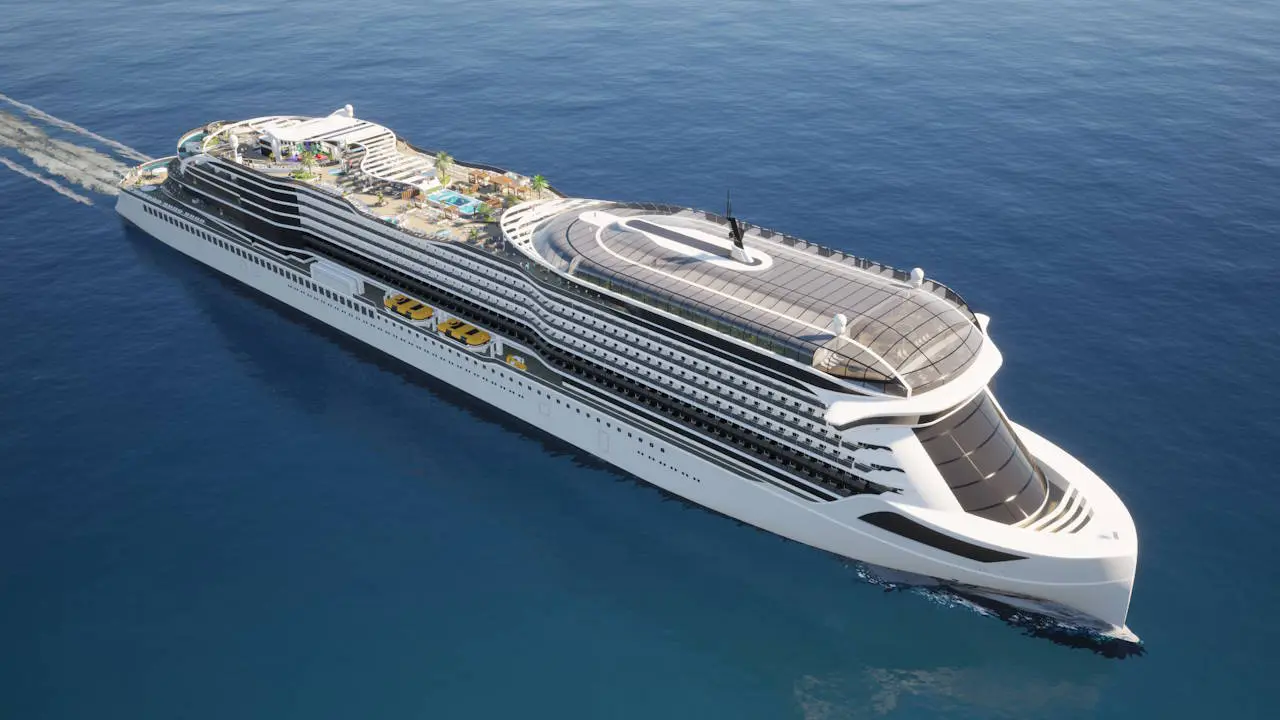

There’s a German company called Meyer Werft that’s been working on a fully electric cruise ship.
We talk about electric cars a lot, but no one seems to worry too much about electrifying other methods of transport.
There are reasons for that, of course, but this cruise ship looks promising.
And there’s more good news.
The reason why it seems that only cars are being electrified
There are a lot of financial and technical reasons why it seems that only cars are being electrified.
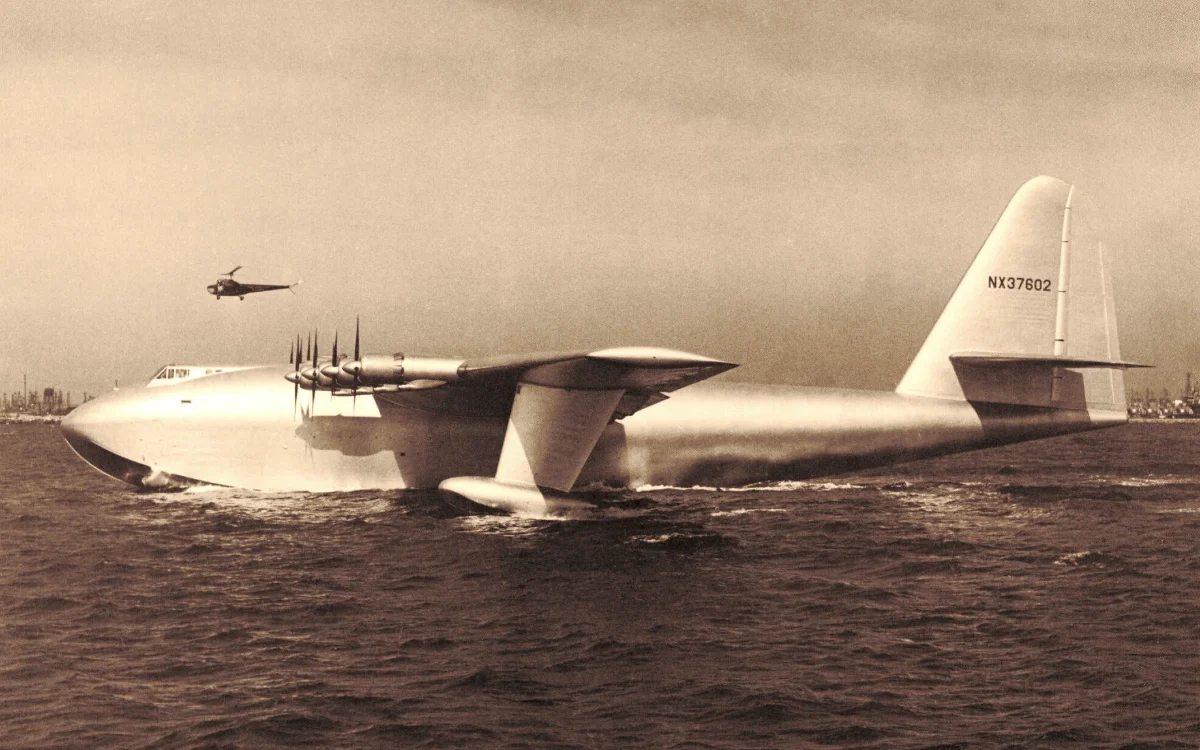
When it comes to aircraft, for example, the technology simply isn’t there.
In the near future, we may see the rise of electric aircraft for local transport, but when it comes to long-haul or even short-haul flights? No dice.
The situation is sort of similar with ships, and for the same reasons.
An electric car is marginally heavier than a gas car, and it takes slightly longer to charge.

By contrast, with an electric ship, we couldn’t use the words ‘marginally’ or ‘slightly’ in that same sentence.
Most ships are powered by specific maritime fuel that’s very similar to diesel, and that’s because diesel is energy-dense.
To power a massive cruise ship for a week-long voyage using current battery technology, the batteries would take up so much space and weight you’d need a much bigger boat if you also want room for people and amenities.
Charging is also a problem, because charging an 80,000-tonne ship is like trying to plug a small city into the wall.
Still, as Meyer Werft just proved, we’re making progress.

This cruise ship should be ready within five to six years
German shipbuilder Meyer Werft calls it ‘Project Vision.’
This is a 275-meter, 82,000-tonne ship with the capacity to carry up to 1,865 passengers.
It’s powered by batteries and, apparently, it uses the same type of maritime battery technology as smaller boats.
So kudos to Meyer Werft (and Corvus Energy) for figuring that out.
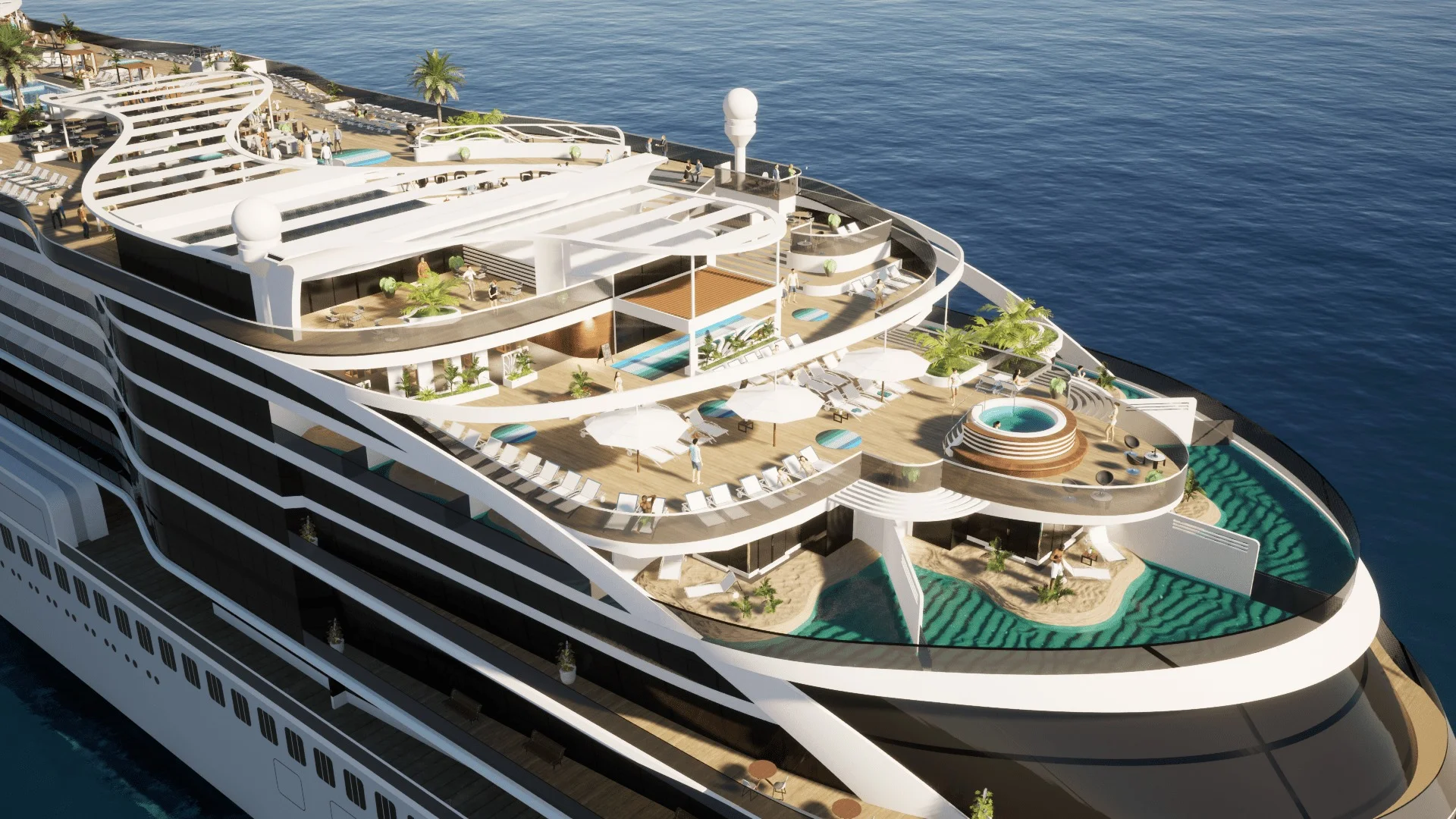
Inside, the electric cruise ship looks like any other vessel, but the absence of heavy diesel engines significantly reduces noise and vibration for passengers, which is good news.
If everything goes to plan, roughly 100 European ports will have the high-capacity charging infrastructure needed to support this ship.
And if that happens, the first ship could be delivered by 2031.
What does the industry need for electric yachts to take off?
Speaking to Supercar Blondie in a conversation about EVs, Italian mechanical engineer Simone Bianconi said that the next breakthrough will have to be energy density.
“We need more range, but we can’t make batteries larger and heavier, because they already are, so energy density has to be the next leap forward,” he said.
This applies to electric cars, and it certainly applies to vehicles that are much, much bigger.
Batteries to power electric vehicles are very heavy, and weight is a killer.

For context, a Tesla Model S battery weighs roughly 540 kg (1,200 lbs), yet provides energy equivalent to only about 11 liters (3 gallons) of gasoline.
If you make a car heavier, it’ll be slower and burn through more fuel or energy.
But if you make a boat heavier, it might sink.
If you make a plane heavier, it won’t take off.
That’s why energy density is important when it comes to electric cars, but crucial when it comes to other things, like an electric cruise ship, for instance.
In a car, weight is an efficiency penalty; in an electric cruise ship, it’s a hard physical limit
With current battery technology, on average, you get 250–300 Wh/kg.
Translated, for a boat, this is roughly 5–10 times less energy dense than diesel fuel.
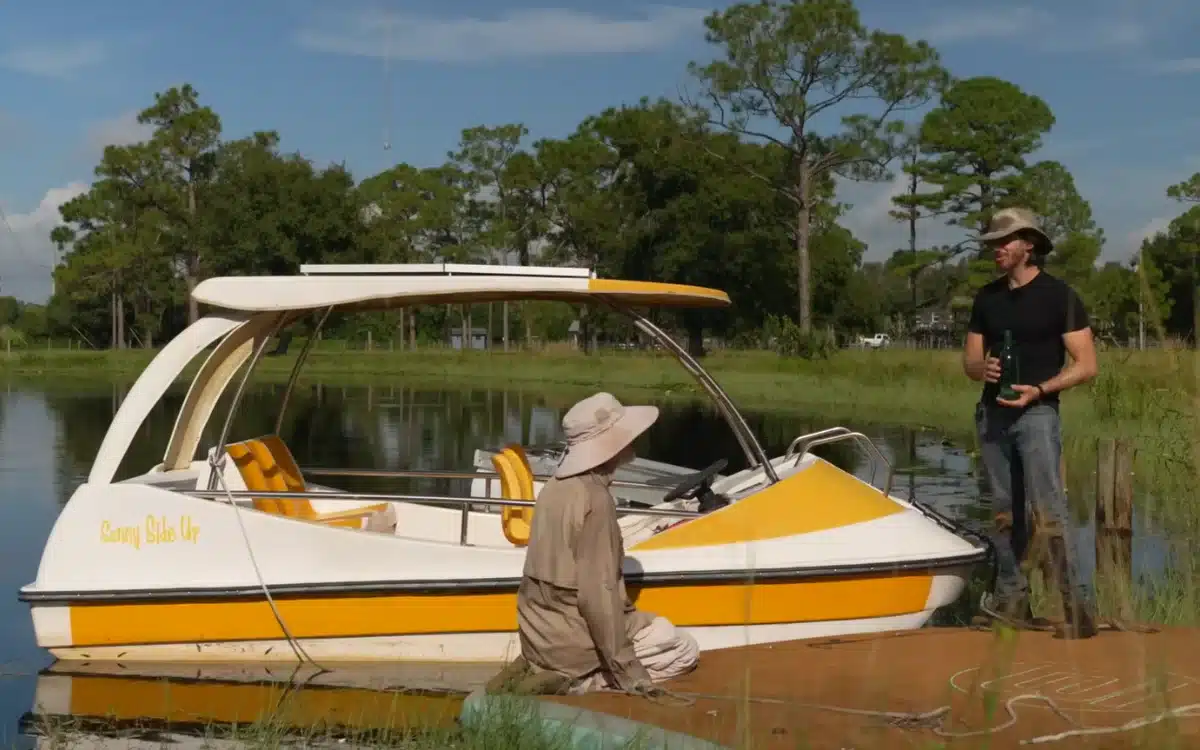
That’s why electric boats are so difficult to build, and that’s why electric power is generally reserved for small mom-and-pop watercraft (above) that people use on a Sunday.
Sooner or later, as battery technology improves, it’ll be easier to use the same batteries to power much bigger water vehicles.
Meyer Werft is certainly working in that direction.
Alessandro is an automotive journalist with 10 years of experience covering supercars, automotive history, emerging vehicle technology, and luxury transportation. He wrote the first article published on SupercarBlondie.com when the website launched in 2022 and has since built a reputation for insightful reporting across the automotive and transportation industries. His expertise is grounded in hands-on experience. Alessandro has driven every Tesla model ever produced, from the original Roadster to the Cybertruck, and regularly covers the latest developments in electric vehicles and automotive innovation. His passion for transportation extends beyond cars, he has even flown a Boeing 787 Dreamliner simulator in Addis Ababa, Ethiopia. His reporting spans everything from classic American muscle cars and rare automotive discoveries to luxury yachts, private aircraft, high-end watches, and cutting-edge vehicle technology. Known for his deep knowledge of automotive history and ability to uncover the stories behind iconic vehicles, Alessandro brings readers a blend of historical context, technical expertise, and first-hand experience.