Chinese company has come up with a novel solution to eliminate long EV charging times and it's pure genius
Published on Apr 22, 2026 at 4:28 AM (UTC-4)
by Alessandro Renesis
Last updated on Apr 22, 2026 at 11:56 AM (UTC-4)
Edited by
Emma Matthews
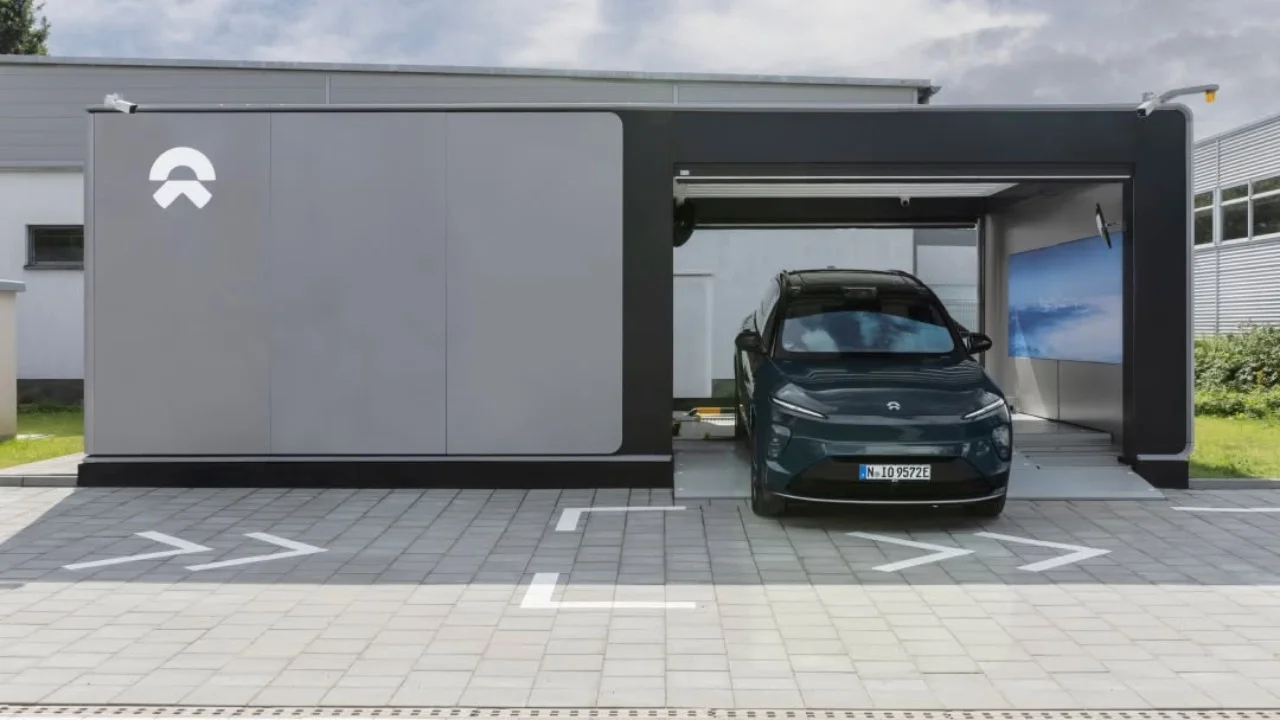

Chinese automaker NIO is pioneering a new battery swapping system that could change the EV game.
The system is not in Beta; it is fully operational with millions of active users.
NIO’s market share is still relatively small, but that’s also changing quickly.
There are only a couple of potential issues that we should address.
NIO wants to treat cars like smartphones
Range anxiety is still a problem, but that is actually 50 percent of the problem.
The other 50 percent is infrastructure.
People are generally afraid of running out of battery, but they’re also afraid that charging the battery will take forever.
Chinese automaker NIO is pioneering a new automated battery swapping system that could fix that issue.
The manufacturer has developed a system that allows drivers to replace a depleted battery with a fully charged one in about three minutes – roughly the same time it takes to fill a traditional car with gasoline.
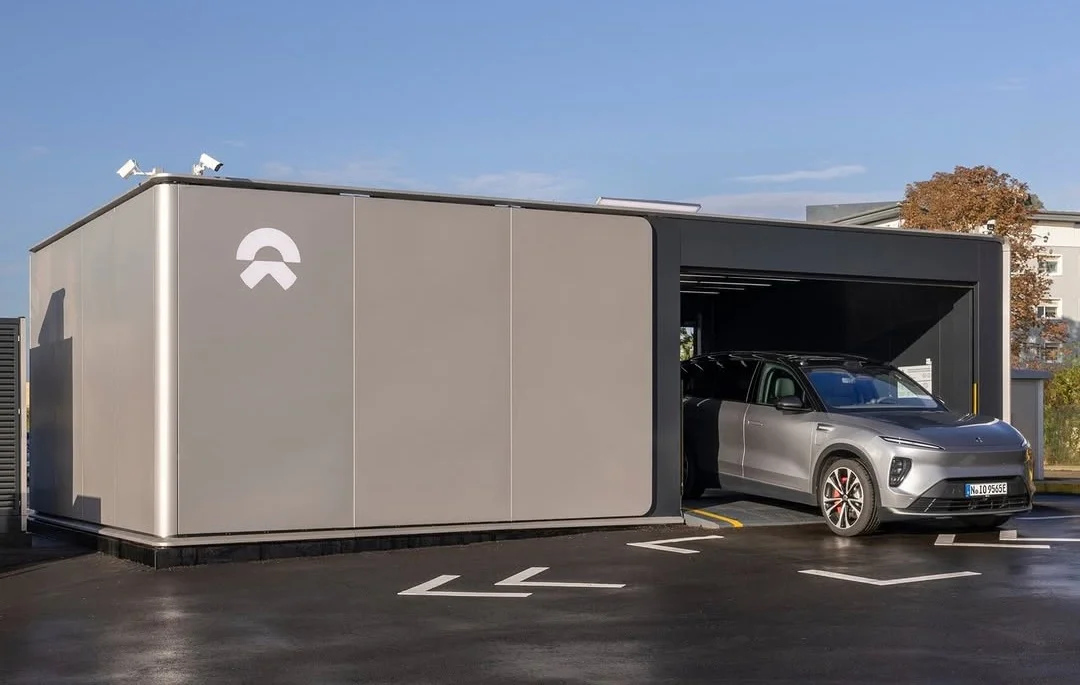
It sounds easy: the driver pulls into a small garage, the car’s AI initiates the swap, automatically backing the vehicle into the port, and the system automatically removes the ‘old’ battery and replaces it with a new, fully-charged one.
This is already happening, by the way.
The company has already completed 100 million swaps at 4,000 swap stations globally.
Related



NIO isn’t the only Chinese company that’s working on this solution
Other Chinese companies are working on equivalent solutions.
CATL is probably the name most people may have heard of.
The company is already active, even though at the moment the number of charging stations where you can swap your battery is limited.
CATL is also building a gigafactory in Spain, which will presumably serve as the HQ for the European market.
There are a few questions that are still unanswered, starting with compatibility.
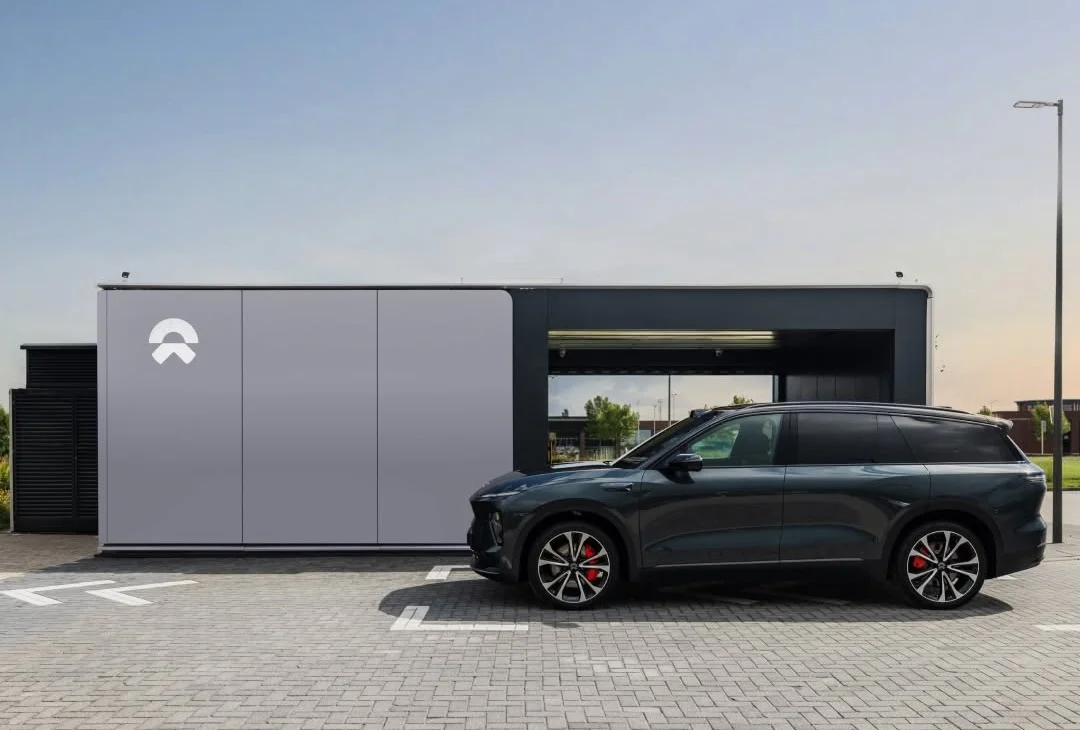
In principle, the idea of swapping a ‘dead’ battery with a fresh one every time you have to recharge is useful for the driver.
In practice, that would be standardizing battery packs, because at the moment, this only works for NIO and CATL-powered EVs.
But these are the early stages, and presumably this question will be answered soon.
Alessandro is an automotive journalist with 10 years of experience covering supercars, automotive history, emerging vehicle technology, and luxury transportation. He wrote the first article published on SupercarBlondie.com when the website launched in 2022 and has since built a reputation for insightful reporting across the automotive and transportation industries. His expertise is grounded in hands-on experience. Alessandro has driven every Tesla model ever produced, from the original Roadster to the Cybertruck, and regularly covers the latest developments in electric vehicles and automotive innovation. His passion for transportation extends beyond cars, he has even flown a Boeing 787 Dreamliner simulator in Addis Ababa, Ethiopia. His reporting spans everything from classic American muscle cars and rare automotive discoveries to luxury yachts, private aircraft, high-end watches, and cutting-edge vehicle technology. Known for his deep knowledge of automotive history and ability to uncover the stories behind iconic vehicles, Alessandro brings readers a blend of historical context, technical expertise, and first-hand experience.