These are the differences between Formula 1, Formula 2, Formula 3 and Formula E
Published on Jun 08, 2026 at 10:35 AM (UTC-4)
by Alessandro Renesis
Last updated on Jun 08, 2026 at 10:35 AM (UTC-4)
Edited by
Mason Jones
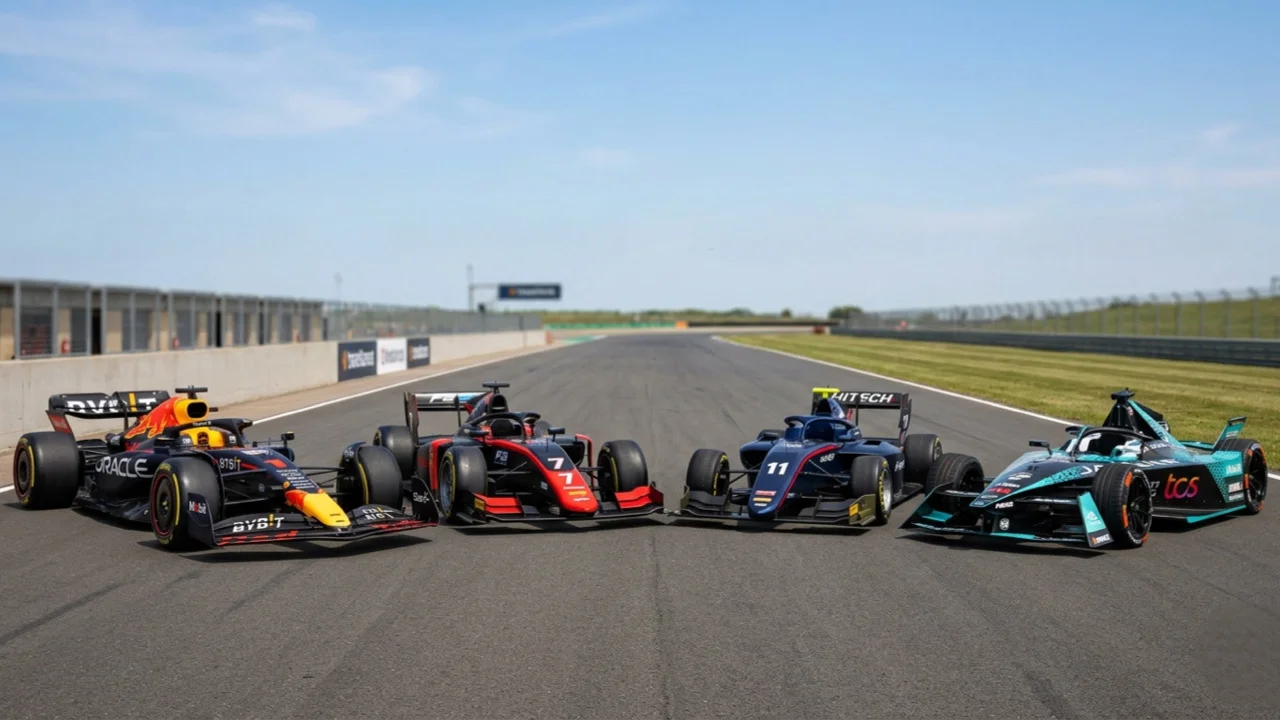

Formula 1, Formula 2, Formula 3 and Formula E have a lot in common, but there are also a few key differences.
The main similarity is obvious, but there’s another that isn’t immediately visible.
As for the differences, there are two main ones – and only one can be spotted at first glance.
There are two main similarities
Formula 1, Formula 2, Formula 3, and Formula E have two fundamental things in common.
The first one is in the name.
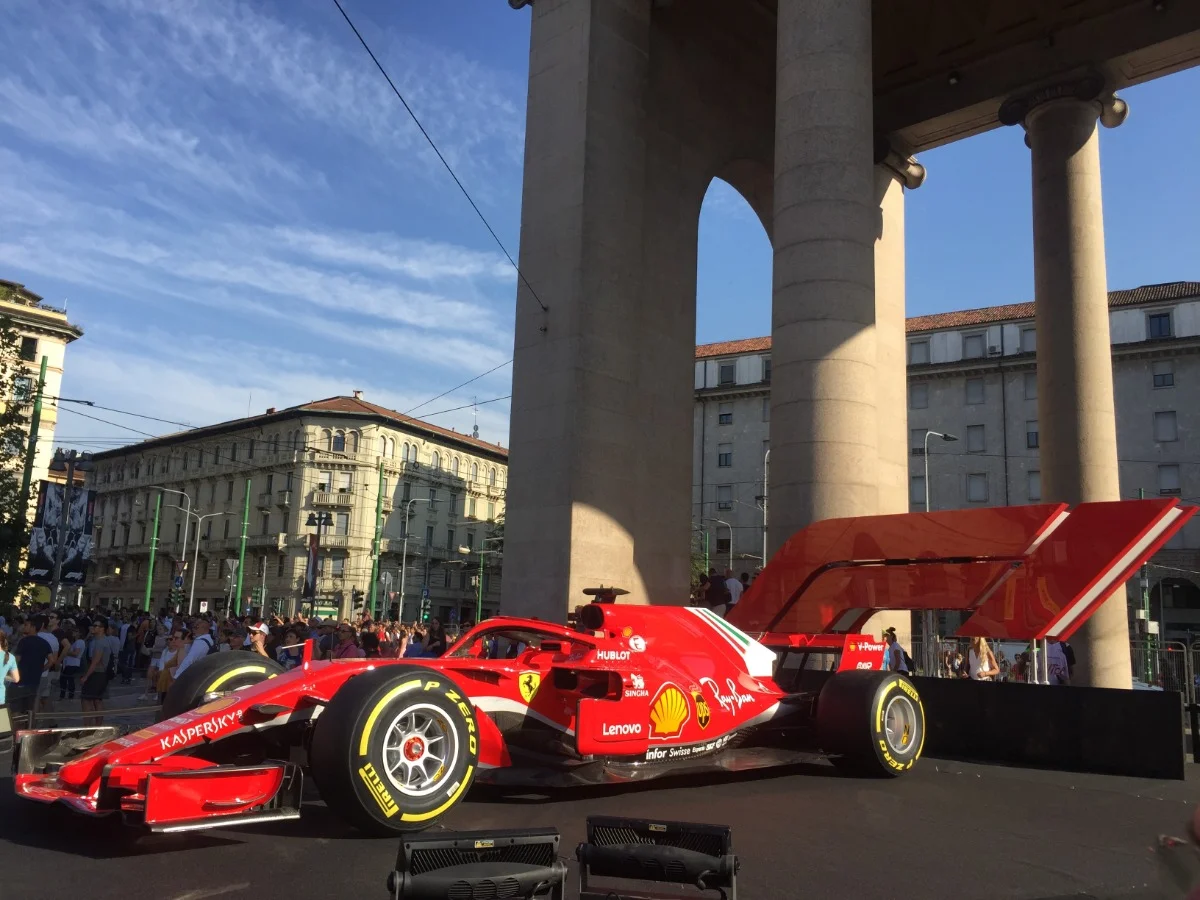
They are all ‘Formula’ championships – a designation for single-seater, open-wheel racing cars with specific technical regulations.
The wheels are outside the body, the car has a monocoque chassis, and they all feature aerodynamic wings and rely on ground effect.
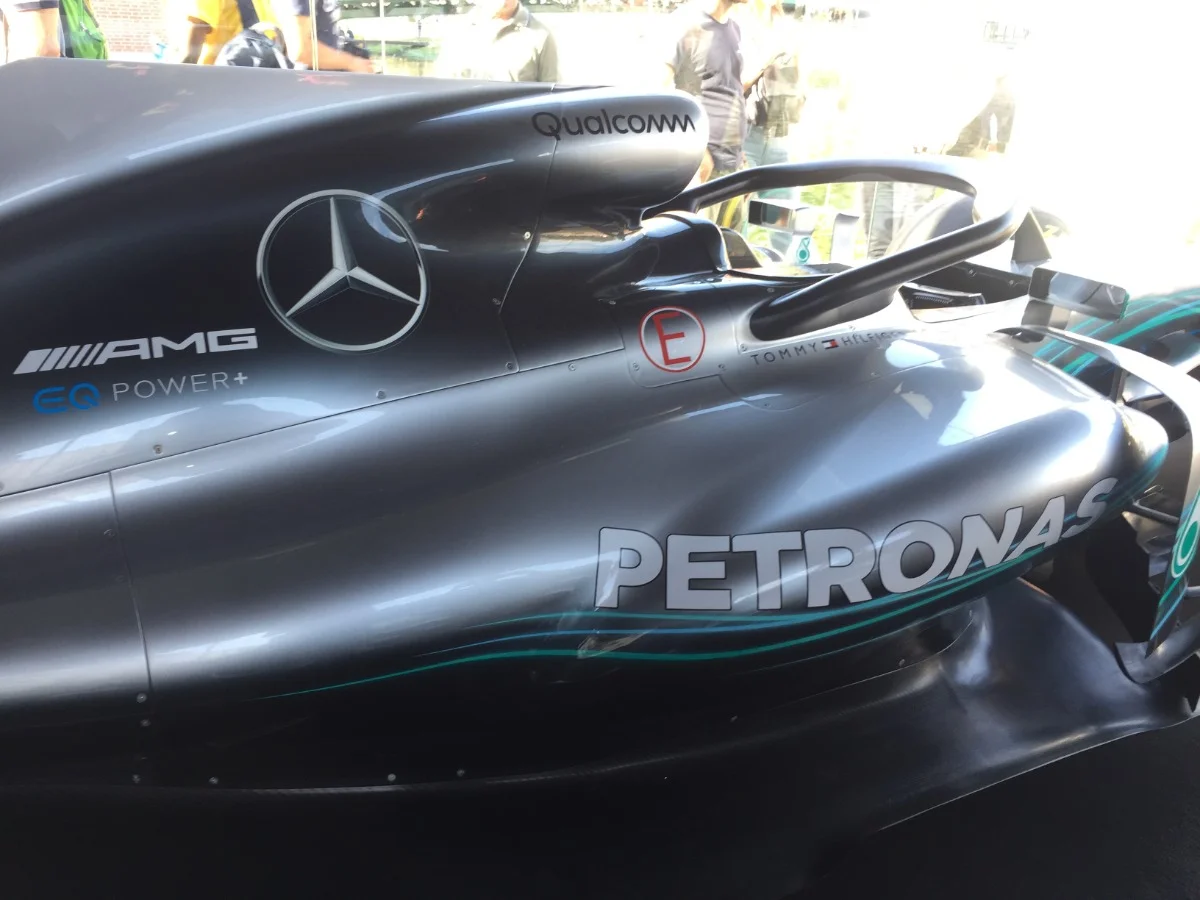
The racing format is also roughly the same, and the point structure is similar across all Formula championships.
The second similarity has to do with the FIA’s ‘ladder,’ in that all four contribute to what’s known as the Super License.
No matter how good they are, drivers cannot compete in F1 unless they have earned a certain number of points toward their FIA Super License, which they accumulate based on their final championship standings in series like Formula 2, 3, or E.
Why Formula E sort of sits ‘parallel’ to the other three
Formula 2 and Formula 3 basically only exist to support Formula 1.
They form what’s known as the FIA Global Pathway – a structured, linear progression designed specifically to develop drivers toward Formula 1.
The path starts with karting before progressing through F4, F3, F2, and – if you’re good enough – F1.
The vast, vast majority of modern F1 drivers come through this exact route.
Formula E is parallel.
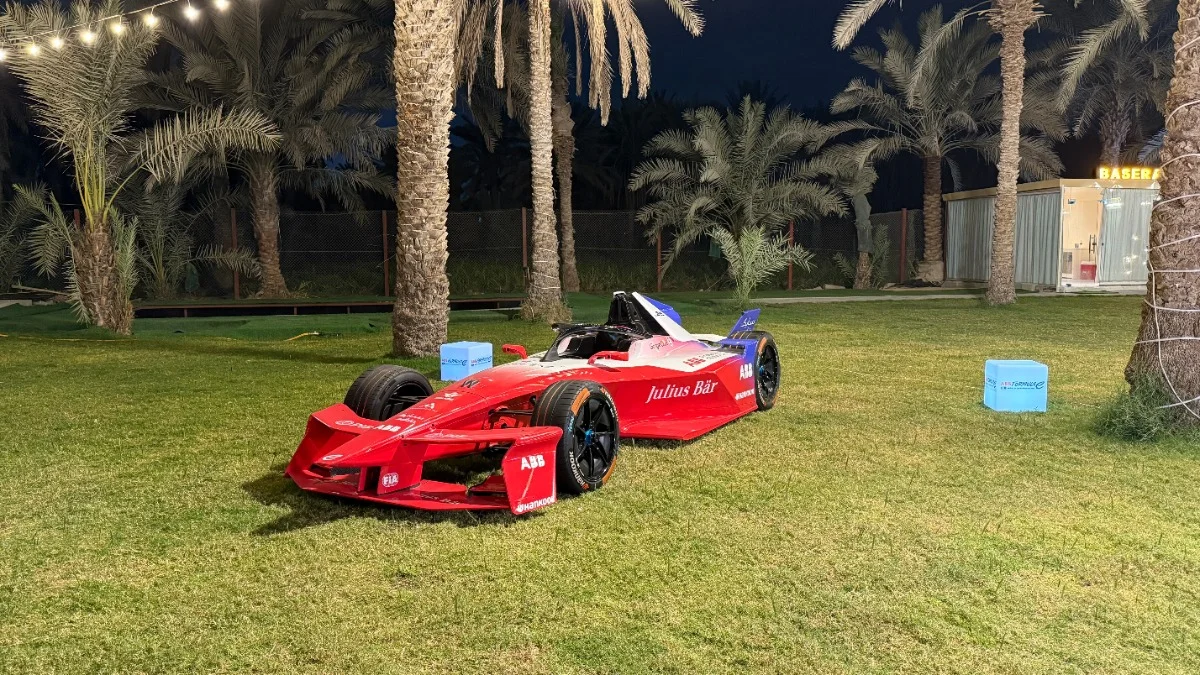
Nothing says a Formula E driver can’t move to F1, but Formula E was created from the start as an FIA World Championship with a focus on electric power.
In fact, if you look at the track record, the driver movement often goes the other way around.
Several Formula E champions – Sébastien Buemi, Jean-Éric Vergne, Stoffel Vandoorne, or Pascal Wehrlein – are ex-F1 drivers.
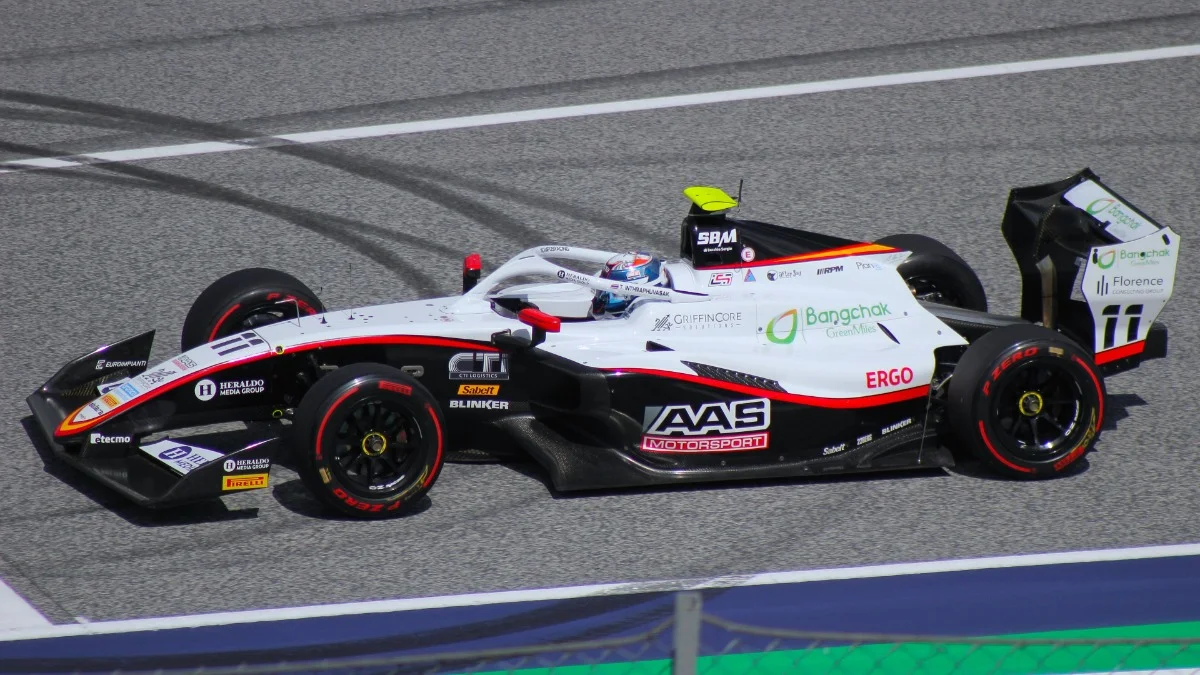
Pictured below: a Formula 3 car – visually, Formula 2 and Formula 3 cars are very similar to F1 cars, just smaller
The key difference between Formula E and Formula 1, 2, and 3
The obvious key difference is the powertrain, which in a Formula E vehicle is electric.
So far, so obvious – that’s the main difference.
But there’s another element that we shouldn’t forget about.
Most Formula E races take place on street circuits.
By contrast, Formula 1 only has a few street circuits, only one of which – Monaco – can be considered truly historic.
The second and third street circuits with the most F1 races are Melbourne and Singapore.
Alessandro is an automotive journalist with 10 years of experience covering supercars, automotive history, emerging vehicle technology, and luxury transportation. He wrote the first article published on SupercarBlondie.com when the website launched in 2022 and has since built a reputation for insightful reporting across the automotive and transportation industries. His expertise is grounded in hands-on experience. Alessandro has driven every Tesla model ever produced, from the original Roadster to the Cybertruck, and regularly covers the latest developments in electric vehicles and automotive innovation. His passion for transportation extends beyond cars, he has even flown a Boeing 787 Dreamliner simulator in Addis Ababa, Ethiopia. His reporting spans everything from classic American muscle cars and rare automotive discoveries to luxury yachts, private aircraft, high-end watches, and cutting-edge vehicle technology. Known for his deep knowledge of automotive history and ability to uncover the stories behind iconic vehicles, Alessandro brings readers a blend of historical context, technical expertise, and first-hand experience.