The gap between the monthly cost of charging a Tesla Model S vs filling a Toyota Corolla in the US will leave you stunned
Published on Jul 31, 2026 at 12:31 PM (UTC-4)
by Alessandro Renesis
Last updated on Aug 14, 2026 at 12:40 PM (UTC-4)
Edited by
Kate Bain
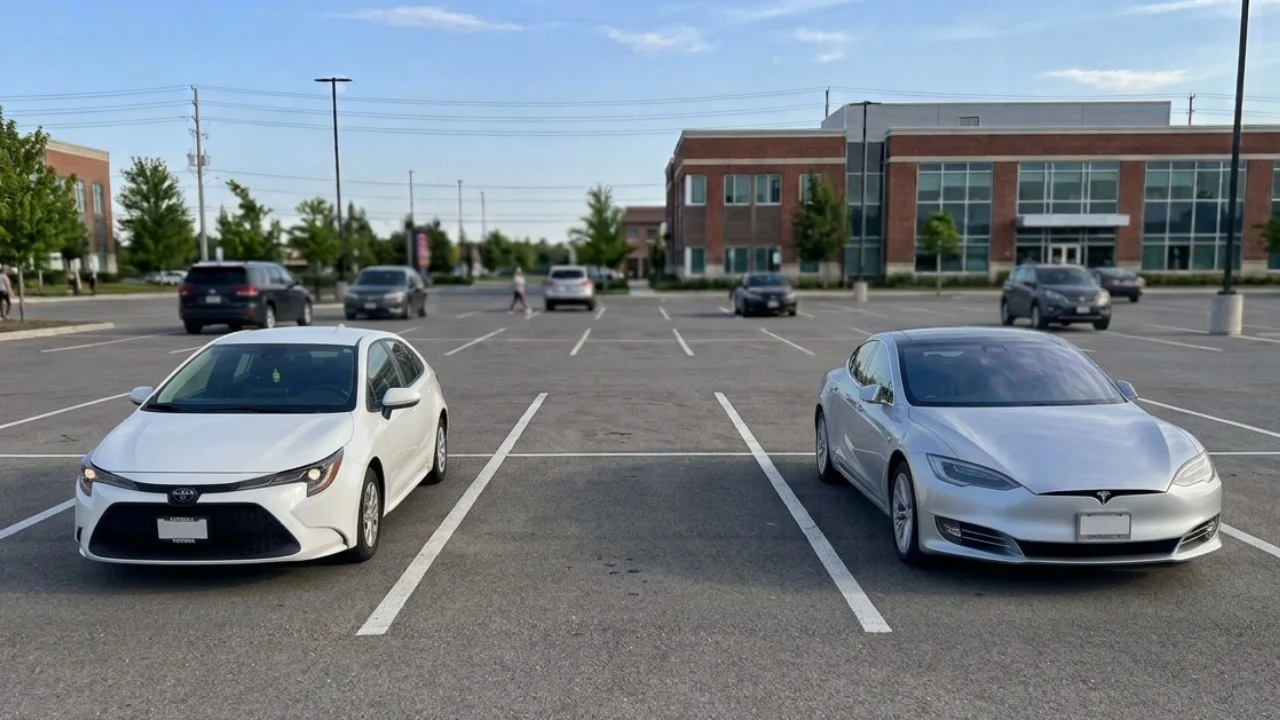

The difference between charging a Tesla Model S and filling up a Toyota Corolla is potentially staggering, but there are a lot of caveats, starting with the fact you can no longer buy a new Tesla Model S.
The debate between electric vehicles and gas cars will probably never end, and there are a couple of reasons for that.
The difference was initially quite shocking, but rising energy prices are changing these scenarios, the owner’s location also makes a huge difference.
And this actually leads to the most ironic twist ever.
There’s an elephant in the room that we must address
In general, charging an electric car is cheaper than filling up a car with gas, but there are a few things worth bearing in mind.
For starters, the comparison only makes sense if the EV and the gas car share a similar MSRP (sticker price).
The entry-level Tesla Model S, for example, was a lot more expensive than the Toyota Corolla.
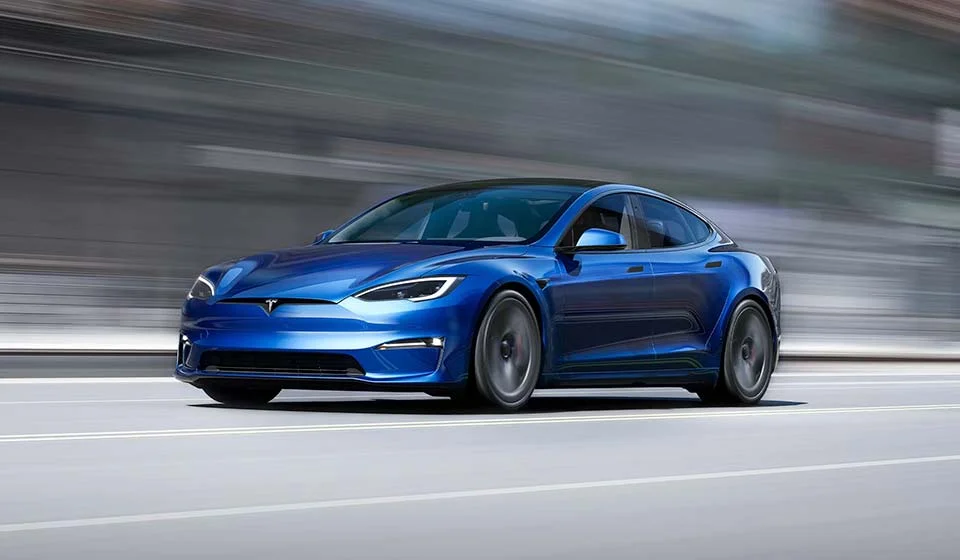
That’s perhaps no longer relevant, simply because you can no longer buy a new Model S and second-hand ones can be found for relatively reasonable prices.
The other thing we have to remember is that home-charging, which is something not everyone can do, is significantly cheaper than using public chargers, including Superchargers.
Related



There’s a clear winner if we’re looking at fuel versus energy prices
Let’s assume that each vehicle drives 15,000 miles a year.
In this scenario, in the US, the Tesla is generally always cheaper than the Toyota, even in states where energy prices aren’t low.
The average Tesla Model S costs between $5 to $5.50 to charge at home per 100 miles driven.
Over 15,000 miles, we’re looking at a tab of around $750-$900, although this obviously varies a lot depending on different factors.
By contrast, an efficient gas-powered Toyota Corolla costs around $10 to fuel per 100 miles – averaging 35 MPG with gas around $3.50 per gallon- which comes out to around $1,500 per year in gas.
But then we need to talk about the ironic catch.
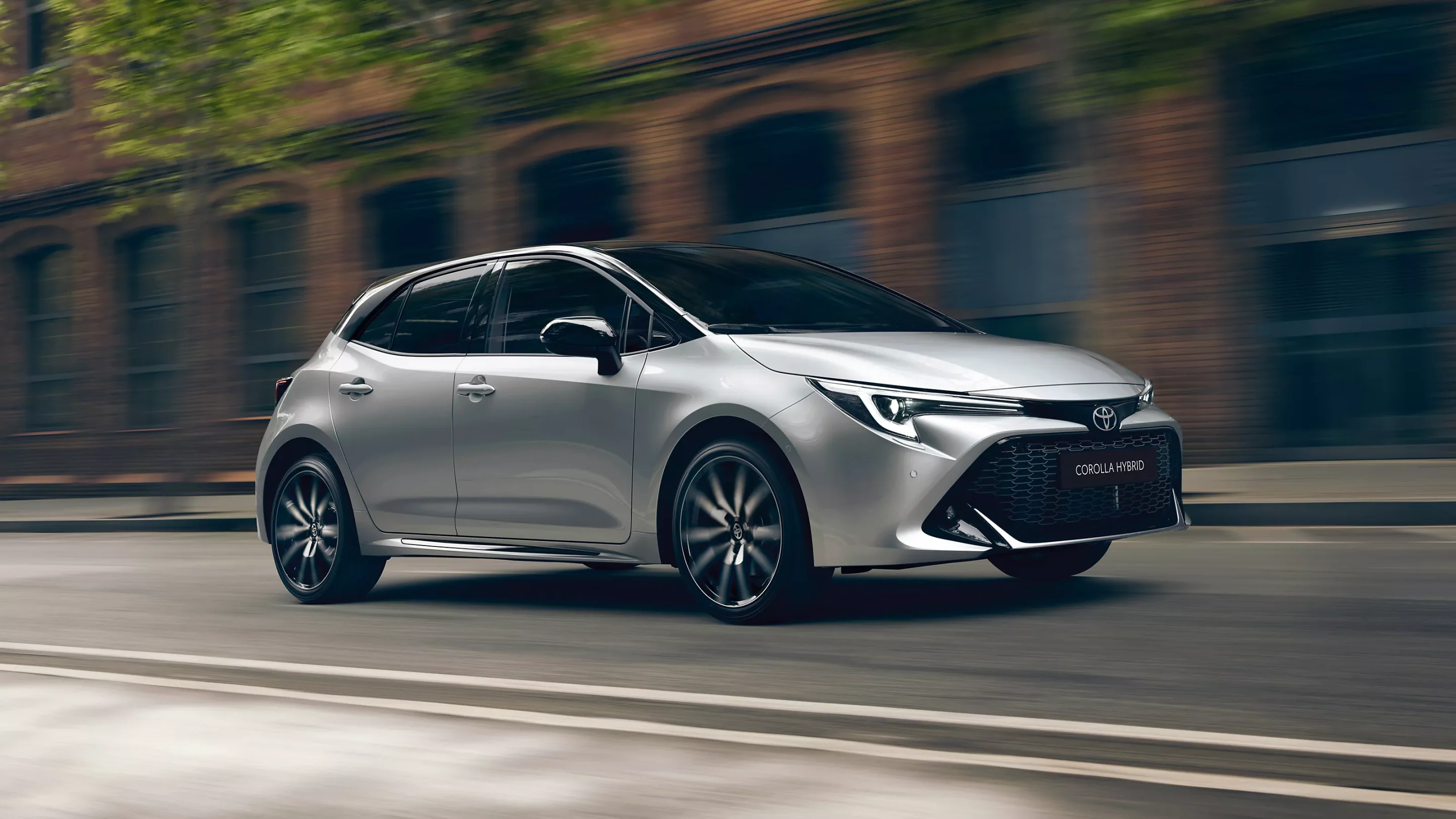
The Tesla is cheaper, but it all depends on where you live
Gas prices are going up across the board almost everywhere, but it’s all relative.
In the US, prices have never been this high, and yet they’re still dramatically lower than they are in Europe, where you can sometimes find gas that costs over $10-$12 per gallon.
No, not a typo.
Then there are countries where gas is still very cheap.
In several countries in the Middle East – including the ‘rich’ ones like Kuwait, Qatar, Oman, Saudi Arabia, and the United Arab Emirates – fuel can be so cheap that buying an EV doesn’t necessarily make a lot of (financial) sense.
Then there’s Japan, where fuel is relatively inexpensive and domestic hybrid vehicles are cheap to buy.
This combination makes electric vehicles – most of which are imported – not necessarily better if cost is the only metric.
Also, energy prices are going up globally, which leads us to the most ironic conclusion of them all: in EV-friendly California, running an electric vehicle is actually more expensive than it would be in Florida.
You can’t make this stuff up.
Alessandro is an automotive journalist with 10 years of experience covering supercars, automotive history, emerging vehicle technology, and luxury transportation. He wrote the first article published on SupercarBlondie.com when the website launched in 2022 and has since built a reputation for insightful reporting across the automotive and transportation industries. His expertise is grounded in hands-on experience. Alessandro has driven every Tesla model ever produced, from the original Roadster to the Cybertruck, and regularly covers the latest developments in electric vehicles and automotive innovation. His passion for transportation extends beyond cars, he has even flown a Boeing 787 Dreamliner simulator in Addis Ababa, Ethiopia. His reporting spans everything from classic American muscle cars and rare automotive discoveries to luxury yachts, private aircraft, high-end watches, and cutting-edge vehicle technology. Known for his deep knowledge of automotive history and ability to uncover the stories behind iconic vehicles, Alessandro brings readers a blend of historical context, technical expertise, and first-hand experience.