Tesla owner reveals the real cost gap between home charging and Supercharging, it’s eye-opening for people
Published on Oct 25, 2025 at 9:49 PM (UTC-4)
by Alessandro Renesis
Last updated on Oct 25, 2025 at 9:49 PM (UTC-4)
Edited by
Emma Matthews
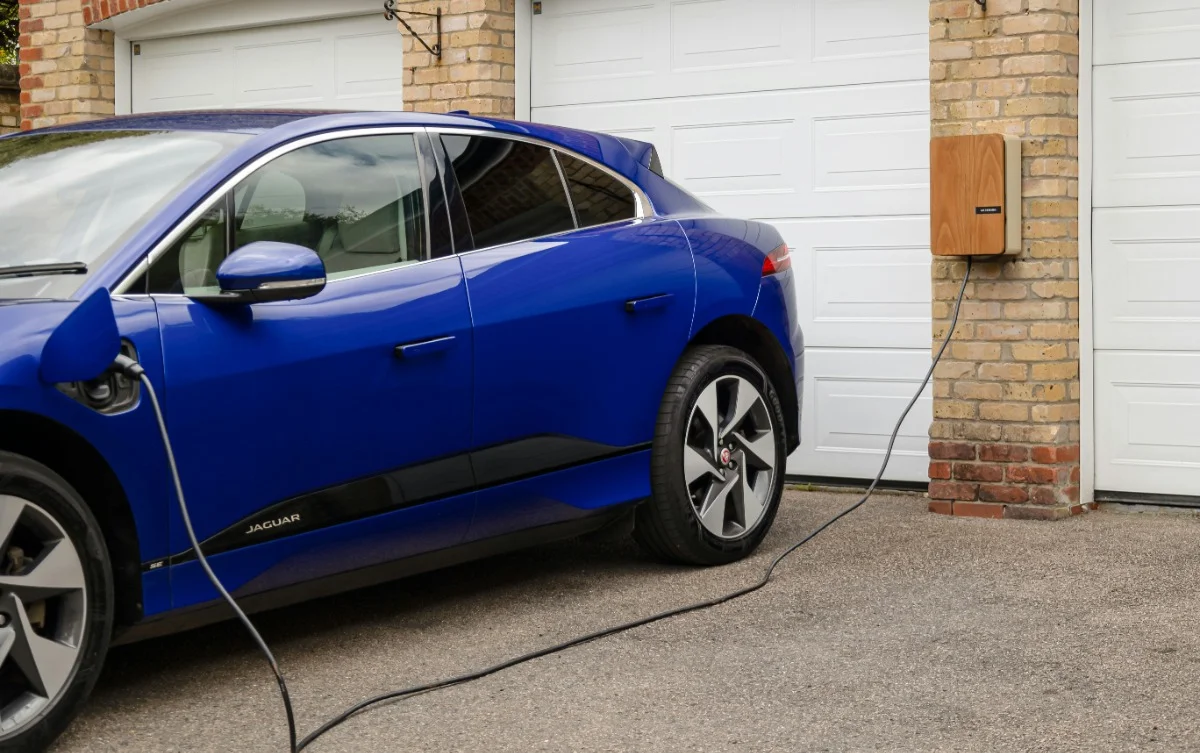

There’s an ongoing debate about the cost-effectiveness of home charging versus charging your EV at a Tesla Supercharger or another type of public charging point.
But we’re now beginning to have a solid track record, which means we can break down which option is faster and which is cheaper.
Unfortunately, the cheapest option is not very fast.
And the fastest option is more expensive than people realize.
DISCOVER SBX CARS: The global premium car auction platform powered by Supercar Blondie
Home charging versus Supercharging? It’s not even in the same ballpark
A new EV owner asked a question on Reddit, which can sometimes be a little bit pointless, but can sometimes be the same as asking an oracle.
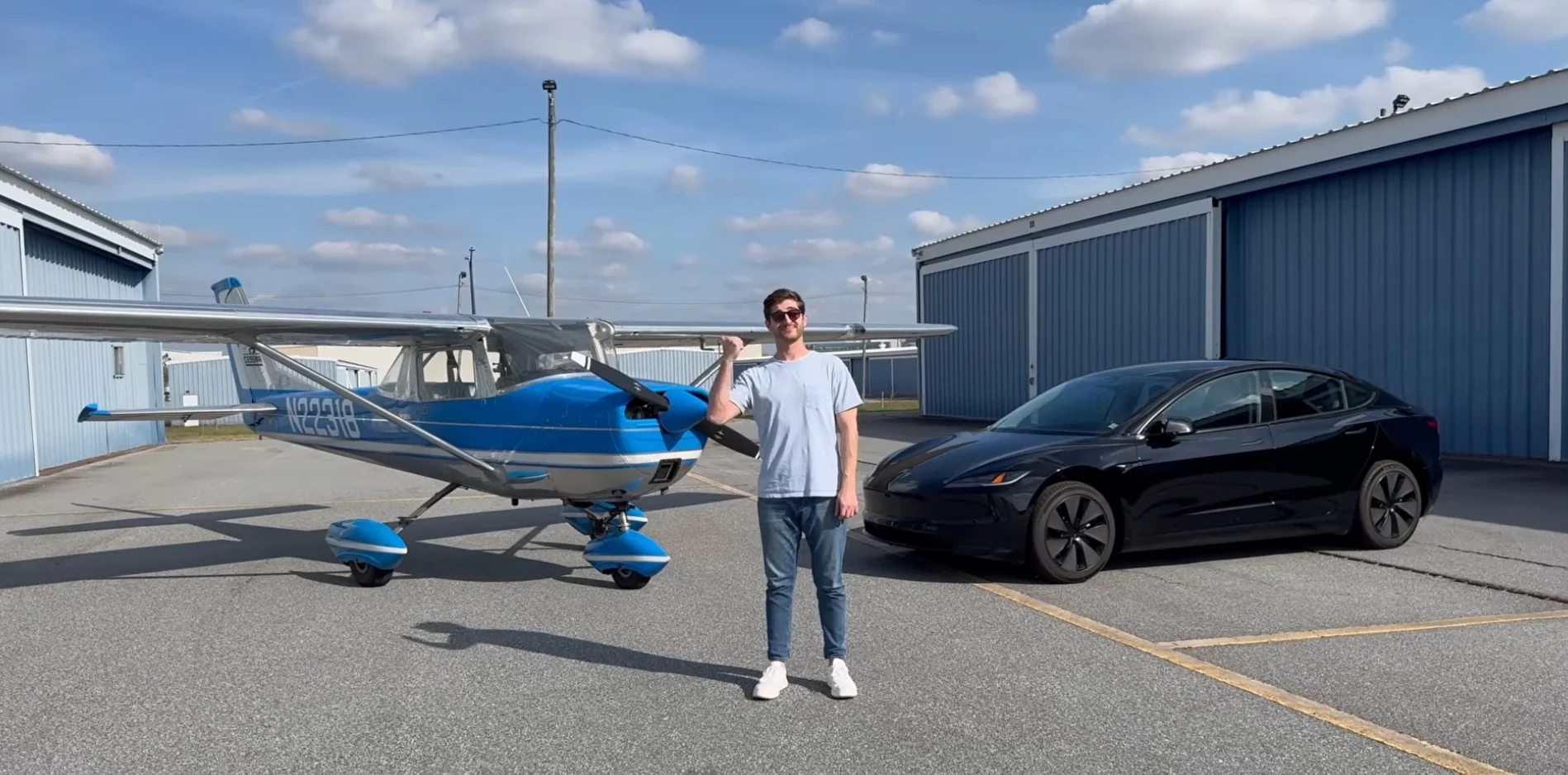
The burning question was posted on the TeslaLounge subreddit, and one of the answers was telling.
“I’m relatively new to EVs and I’m wondering if anyone could compare the costs of home charging and charging at supercharging stations,” the user asked.
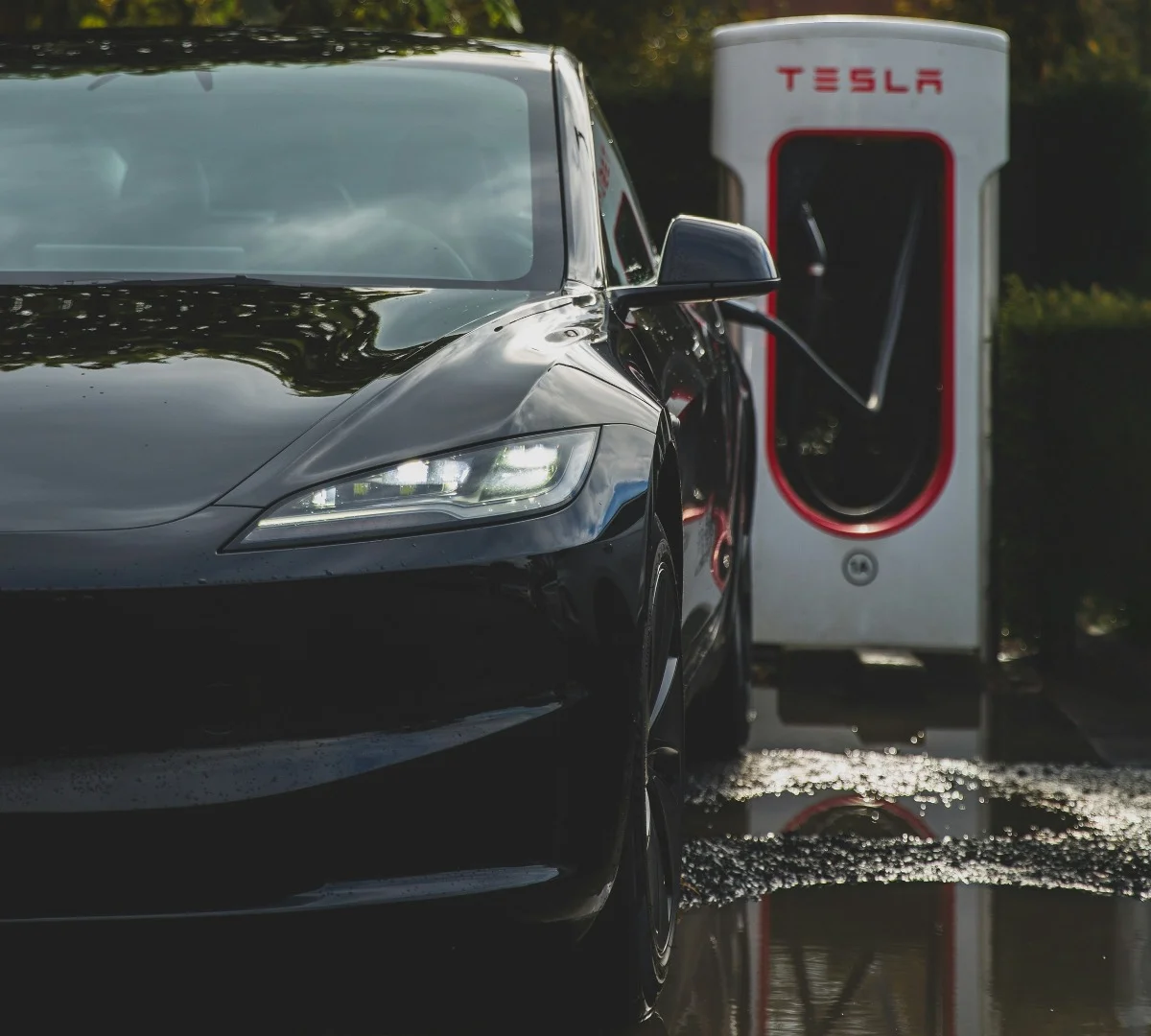
A Tesla Model 3 owner named LearMayan gave a straightforward answer.
“My House: $0.15/kWh. Superchargers in my area: $0.35/kWh. Price for a full charge at my house: $12.30. Price for a full charge at a local Supercharger: $28.70,” the Redditor said.
That’s not a small difference, considering using a Supercharger, at least for this particular owner, is apparently twice as expensive as home charging.
Tesla Superchargers are fast, but expensive
We’ve known for some time that Superchargers can be very fast, but also very expensive.
One man who owns two Teslas shared how much it costs him to charge at home, and the difference is mind-boggling.
The upside is that electric vehicles are generally still cheaper than gas cars, even if you only use Superchargers.
One owner broke down the charging costs of his Tesla Model 3 after 50K miles and revealed the savings compared to what he would have spent on a gas car, and it wasn’t even close.
Another Tesla owner did something similar after using his car for 144,000 miles and six years, and he calculated that he’d saved himself at least $20,000.
You can buy a car for that.
Alessandro is an automotive journalist with 10 years of experience covering supercars, automotive history, emerging vehicle technology, and luxury transportation. He wrote the first article published on SupercarBlondie.com when the website launched in 2022 and has since built a reputation for insightful reporting across the automotive and transportation industries. His expertise is grounded in hands-on experience. Alessandro has driven every Tesla model ever produced, from the original Roadster to the Cybertruck, and regularly covers the latest developments in electric vehicles and automotive innovation. His passion for transportation extends beyond cars, he has even flown a Boeing 787 Dreamliner simulator in Addis Ababa, Ethiopia. His reporting spans everything from classic American muscle cars and rare automotive discoveries to luxury yachts, private aircraft, high-end watches, and cutting-edge vehicle technology. Known for his deep knowledge of automotive history and ability to uncover the stories behind iconic vehicles, Alessandro brings readers a blend of historical context, technical expertise, and first-hand experience.