Man who built $20,724 solar-powered yacht that can run forever passes 3,000 nautical miles having used zero fuel
Published on Aug 03, 2026 at 9:31 AM (UTC-4)
by Daisy Edwards
Last updated on Aug 14, 2026 at 12:40 PM (UTC-4)
Edited by
Mason Jones
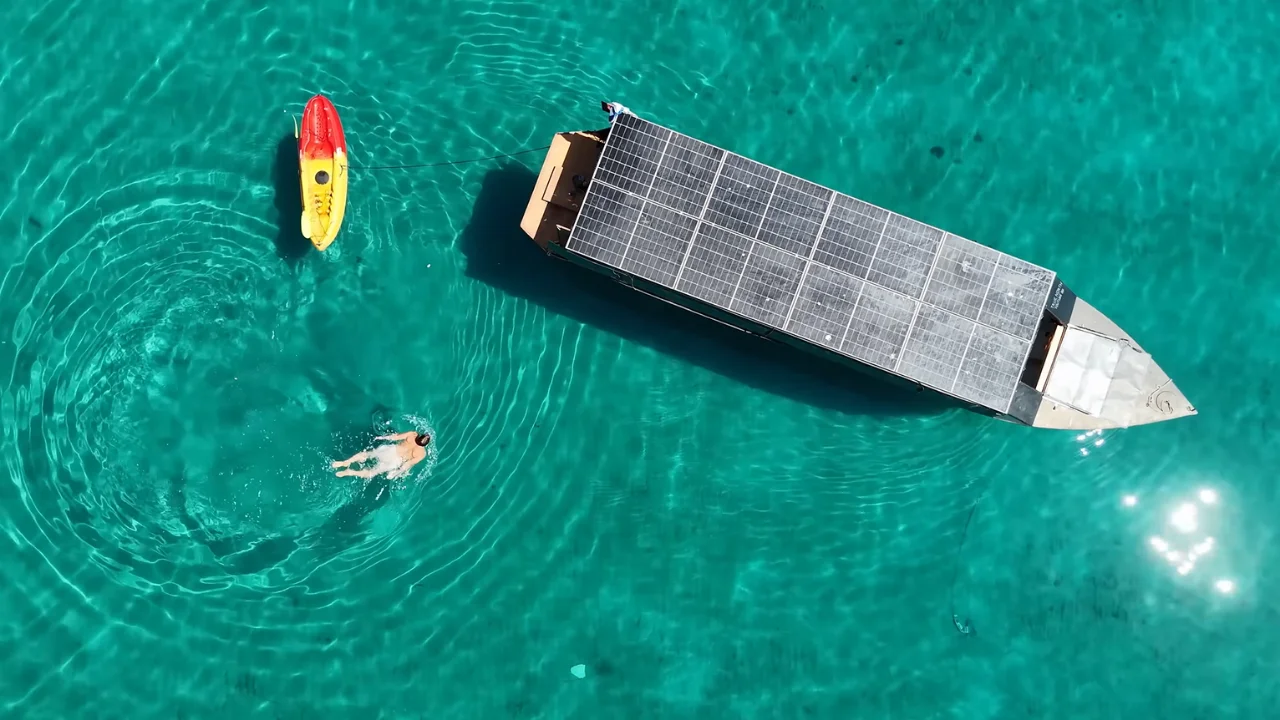

A man who built a $20,724 solar-powered yacht that can run forever has now passed an incredible 3,000 nautical miles while using exactly zero fuel.
The DIY vessel has spent months cruising across Europe powered entirely by sunlight collected through standard rooftop solar panels.
After building the boat himself on a budget, Lukas Sjoman says it has completely changed the way he thinks about long-distance travel.
Now, after thousands of miles at sea, he believes solar-powered cruising could be the future for many boat owners.
True North’s zero fuel milestone
Most electric yachts still rely on regular charging stops or expensive marinas, but this custom-built vessel takes a very different approach.
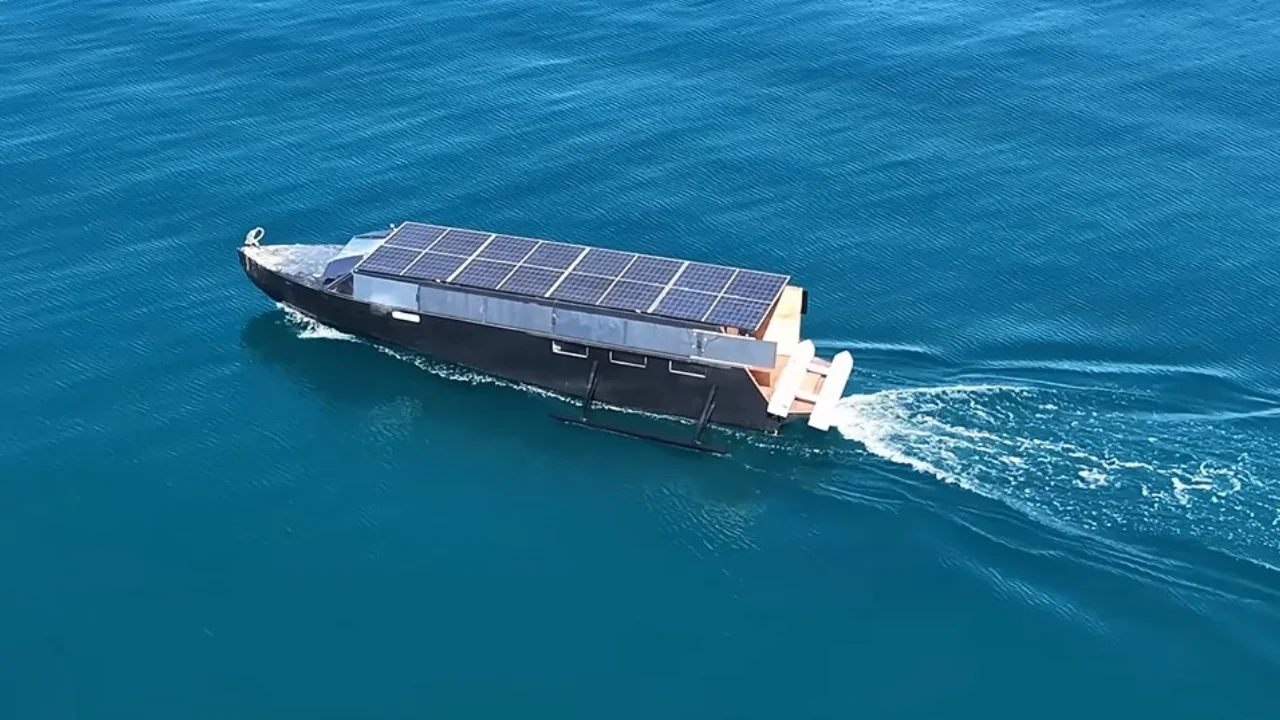
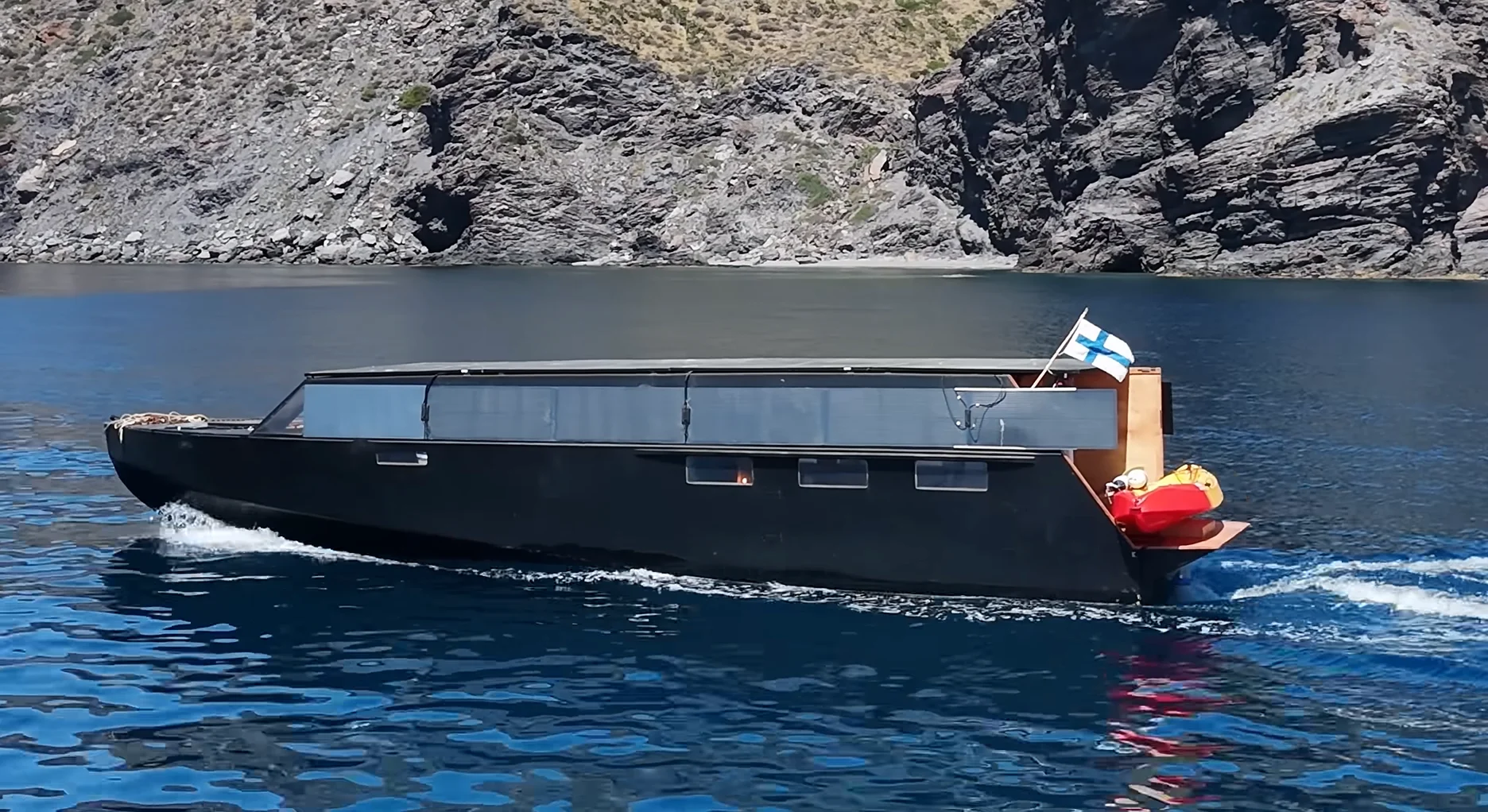
The YouTuber behind the project designed and built the 11-meter yacht, known as the Helios 11, in Finland before setting off on a months-long voyage across Europe.
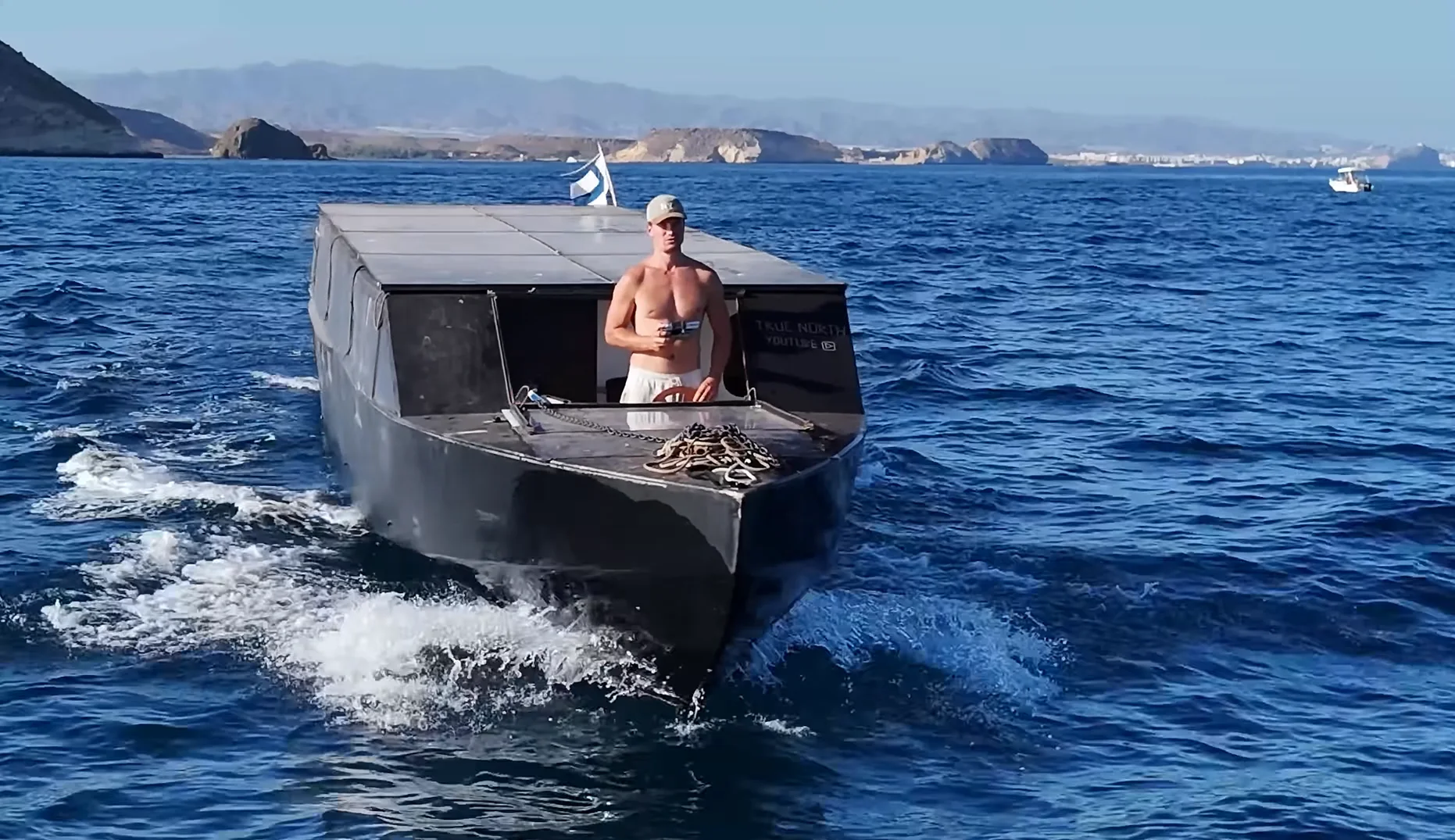
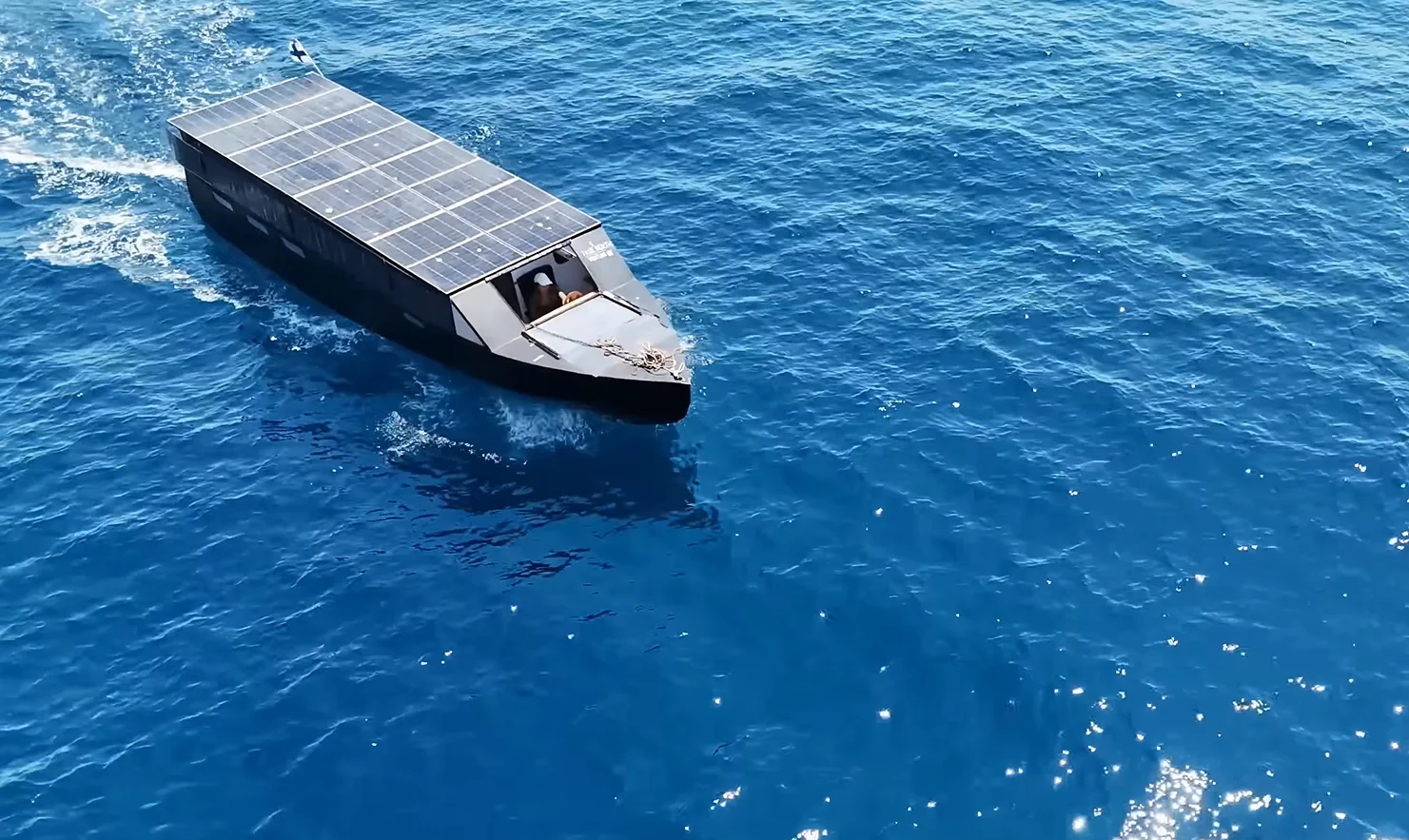
The boat is powered by 10 standard residential solar panels mounted across its roof, which continuously recharge a 24kWh battery pack during daylight hours.
That battery powers a 6kW electric outboard motor, allowing the yacht to cruise without gasoline or diesel.
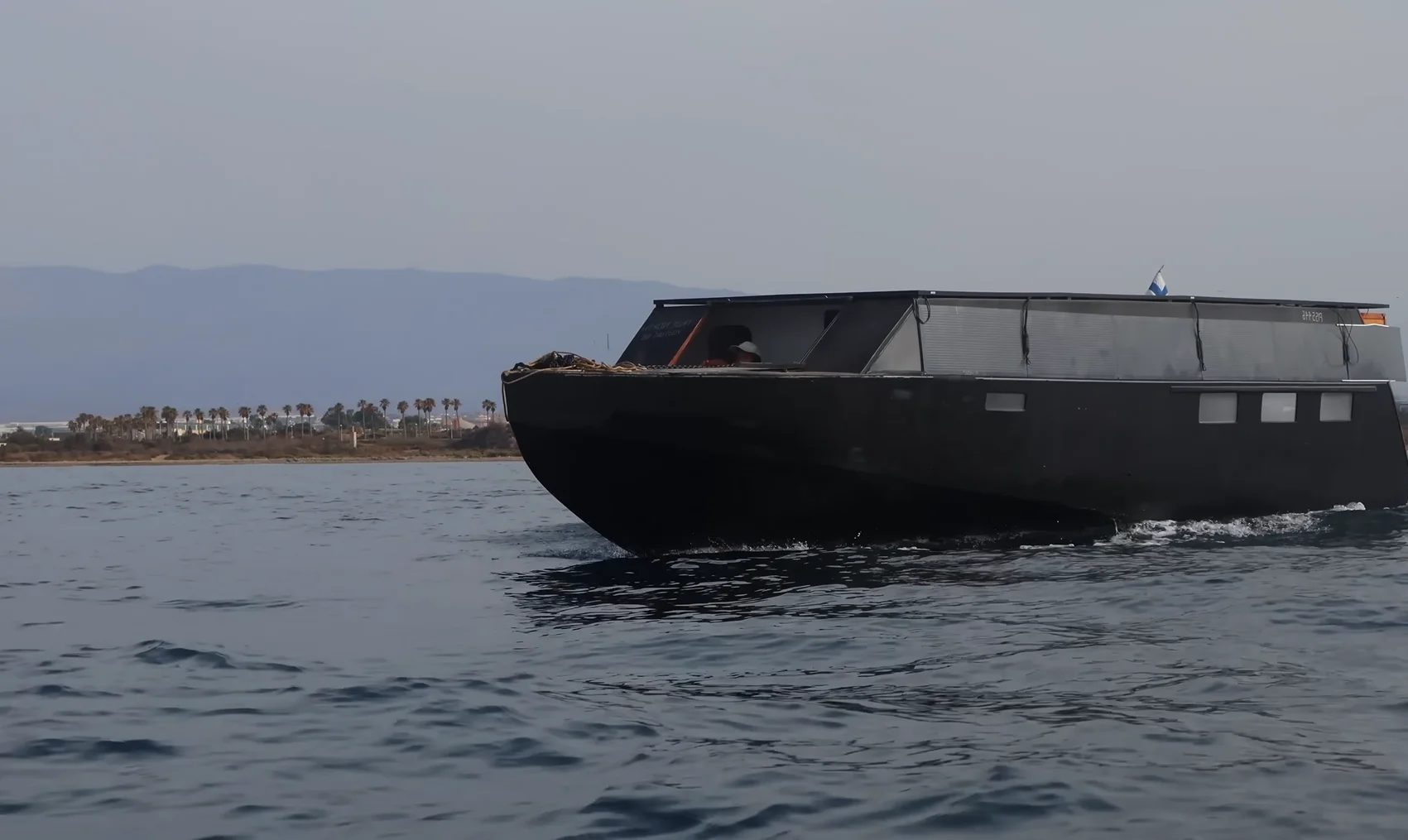
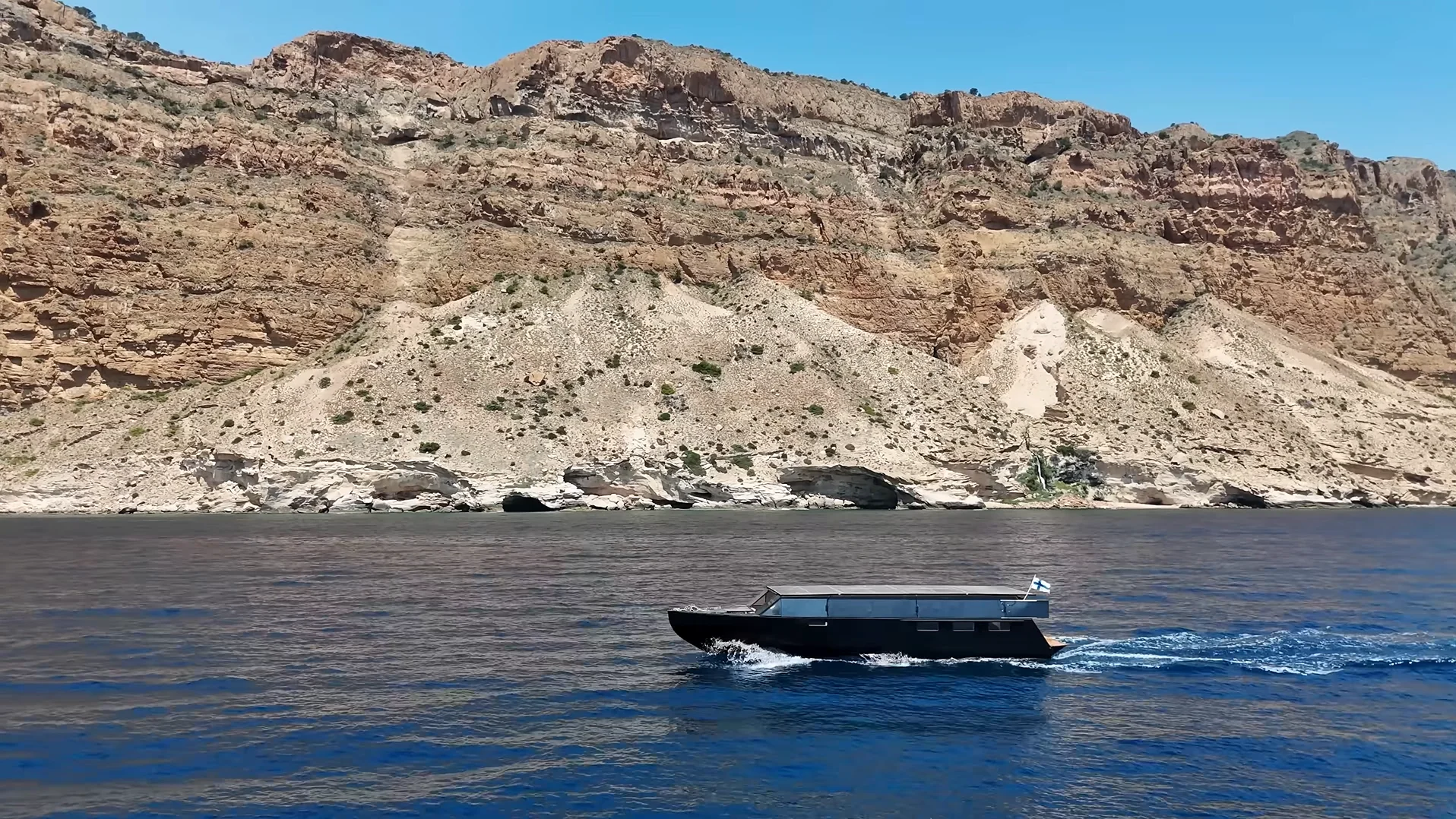
During his latest mission log, filmed while sailing along Spain’s Mediterranean coastline, Sjoman revealed the boat had now traveled more than 3,000 nautical miles entirely on solar power.
On one 30-nautical-mile journey alone, he estimated he had avoided spending around $46 on gasoline simply by letting the sun do the work.
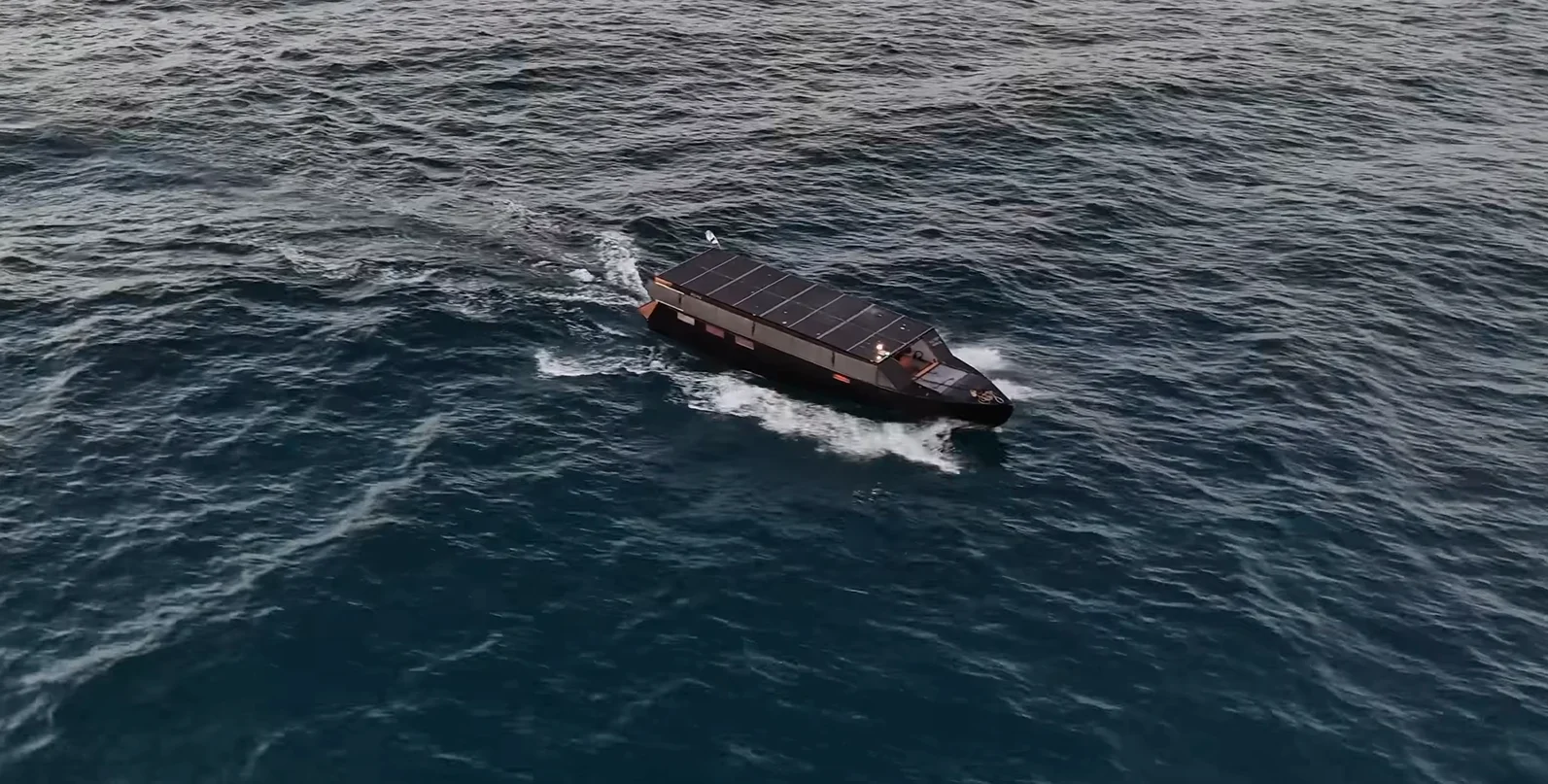
Because the solar panels generate close to 4,000 watts at peak sunlight, the boat is often able to cruise while barely using any stored battery energy.
When anchored on sunny days, the batteries can even recharge back to 100 percent while he relaxes, swims or explores nearby beaches.
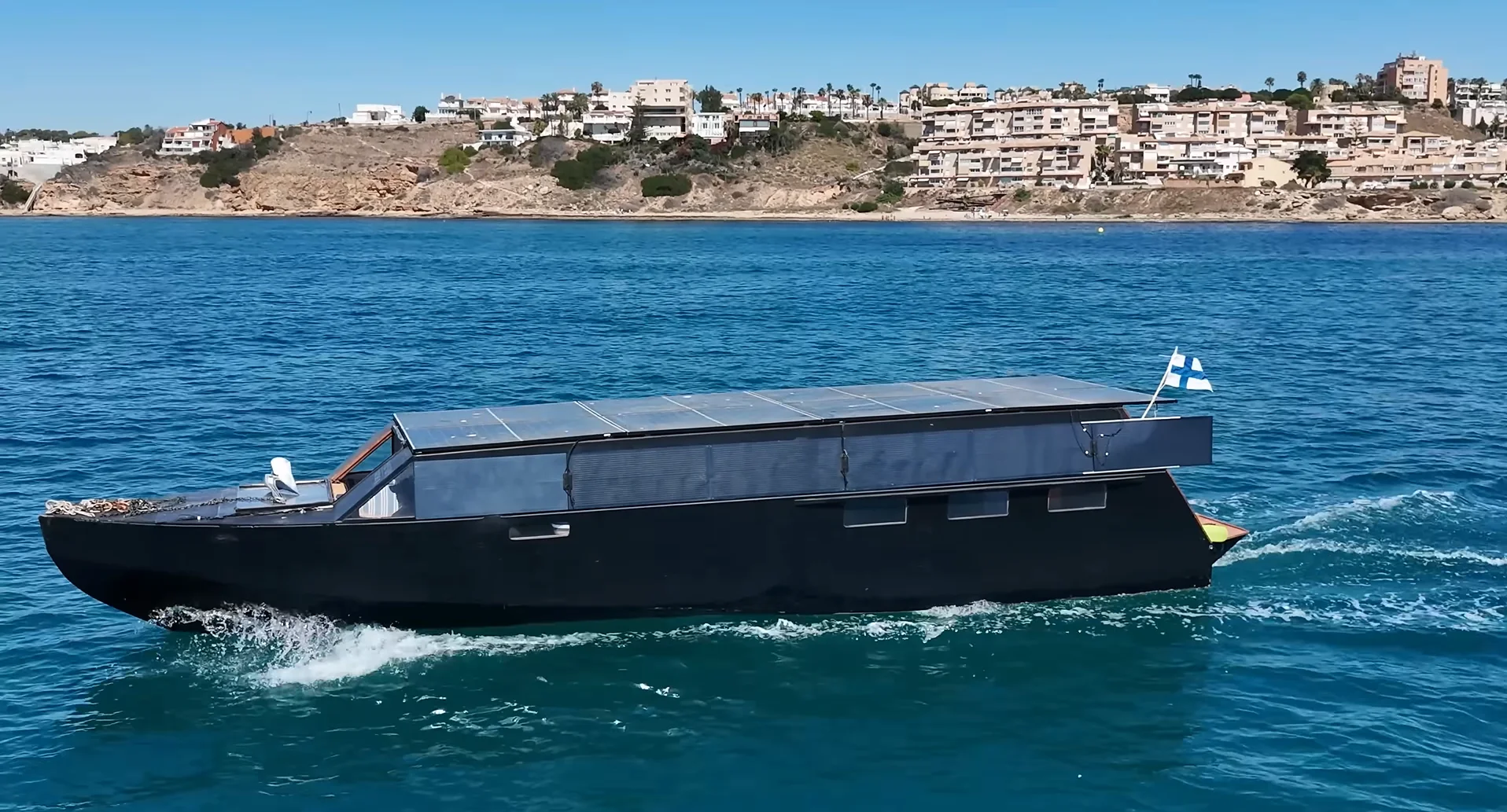
The shallow draft of just half a meter also allows the yacht to access secluded anchorages that many larger boats cannot safely reach.
The cost of the yacht of the future
Alongside documenting the journey, the creator also shared an updated breakdown of what it would cost to build the solar-powered yacht today.
He estimated the batteries would cost around $2,881, while the electric outboard motor would add between $4,033 and $4,609.
The solar panels themselves came to approximately $864, with another $864 for the charge controllers needed to manage the system.
Construction materials including plywood, fiberglass, epoxy, paint and timber made up the remainder of the build.
In total, he estimated the materials would cost roughly $20,742.
Once workshop costs, tools and electricity are included, he believes most people could realistically complete a similar project for between $23,047 and $34,571.
He also estimated that having the same yacht professionally built would likely cost between $69,141 and $92,188.

Sjoman’s experience with the boat project proves that ordinary people can build practical, long-range solar-powered boats without spending a fortune.
With plans already underway for a much larger 16-meter power catamaran, it seems his zero fuel adventures are only just getting started.
Daisy is a technology and automotive journalist covering artificial intelligence, consumer tech, Apple news, cryptocurrency, emerging technologies, and transportation innovation. Since joining the team in 2025, she has reported on everything from AI-powered startups and major iOS updates to viral car stories and the latest developments shaping transportation and the digital economy. Drawing on her background in automotive journalism and a degree in History and Journalism from Goldsmiths, University of London, Daisy specializes in breaking down complex topics into clear, engaging reporting for a global audience. Her work spans cutting-edge technology, innovative vehicles, and the people driving change across both industries. Daisy has gained first-hand access to some of the world's most talked-about technologies and innovators, including meeting Tesla's Optimus humanoid robot during its first European appearance in London. She has also discussed the future of space exploration with an astronaut, bringing unique insights and real-world perspectives to her coverage of emerging technology.