How the solar-powered yacht that can run forever traveled from Finland to Spain using zero fuel
Published on Jun 21, 2026 at 4:02 AM (UTC-4)
by Daisy Edwards
Last updated on Jun 21, 2026 at 4:02 AM (UTC-4)
Edited by
Mason Jones
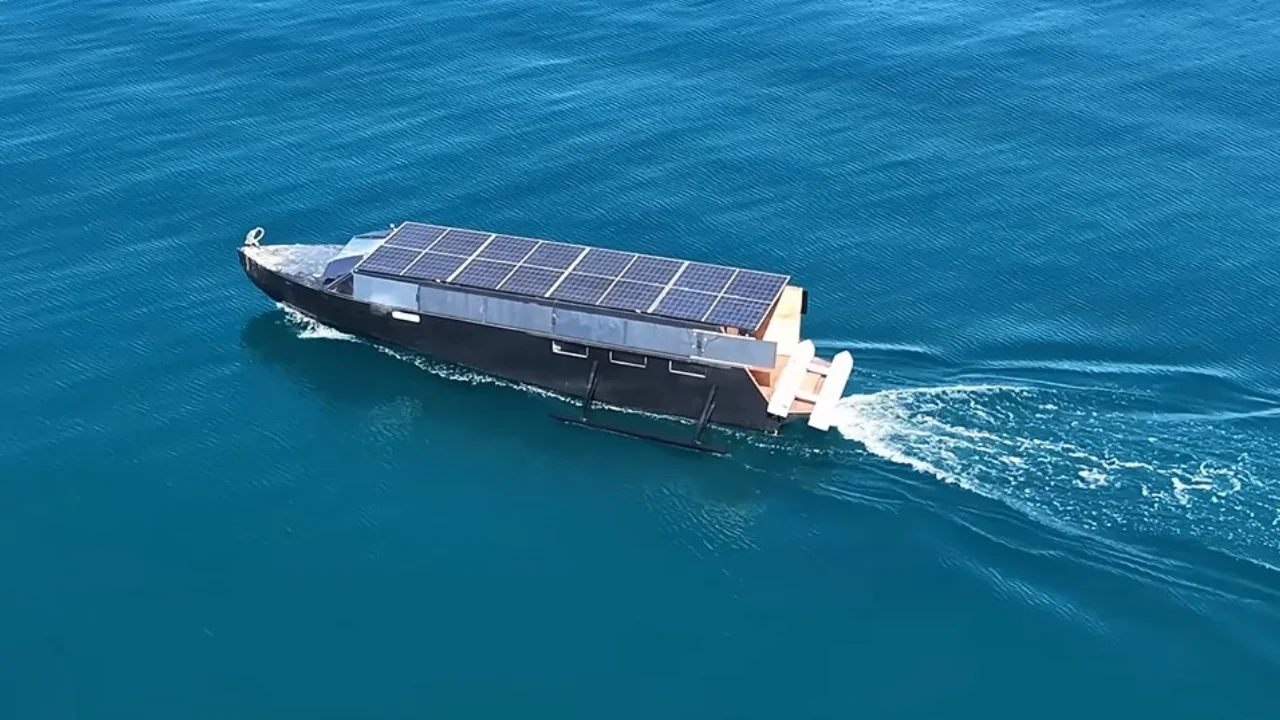

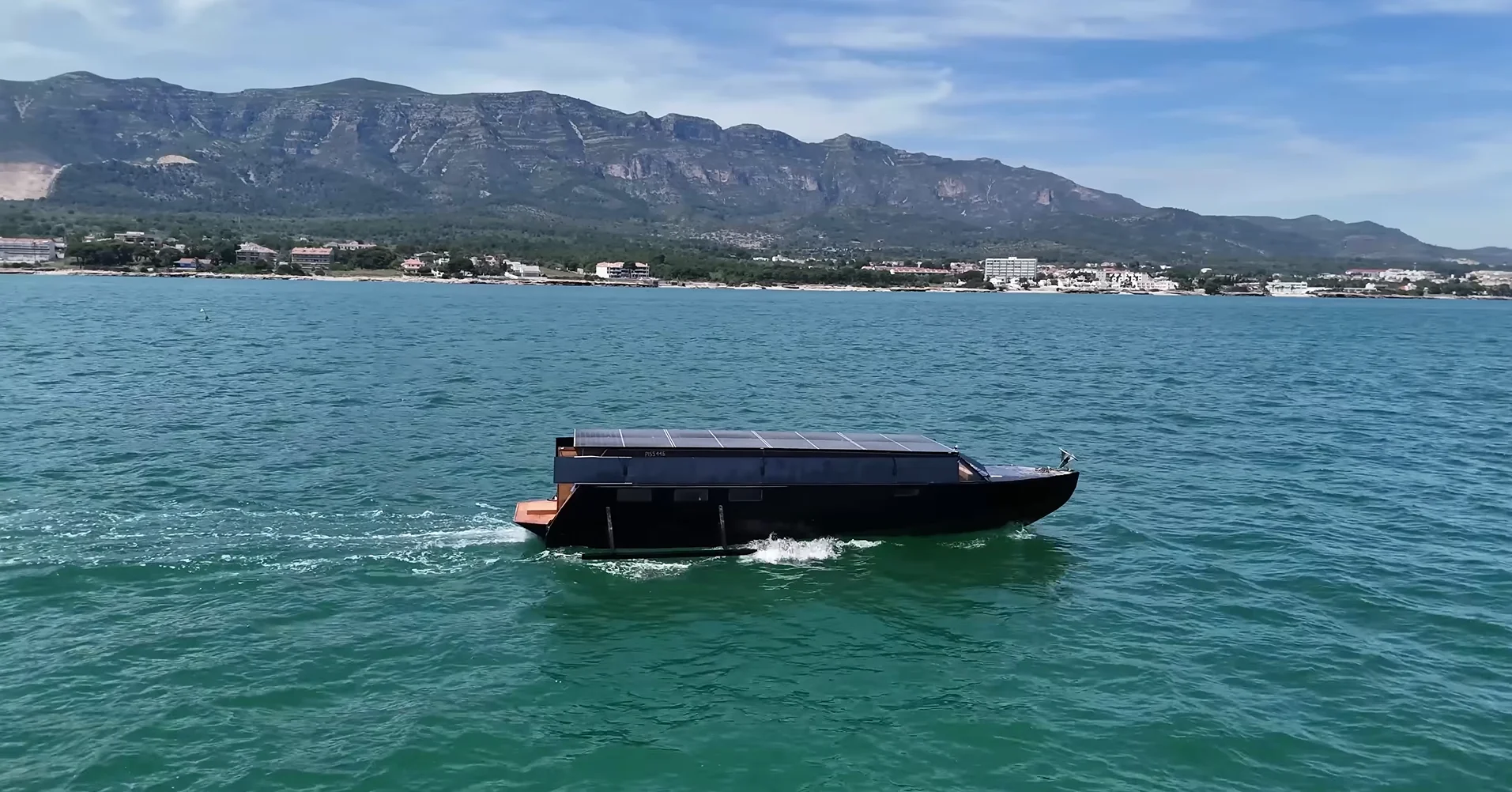
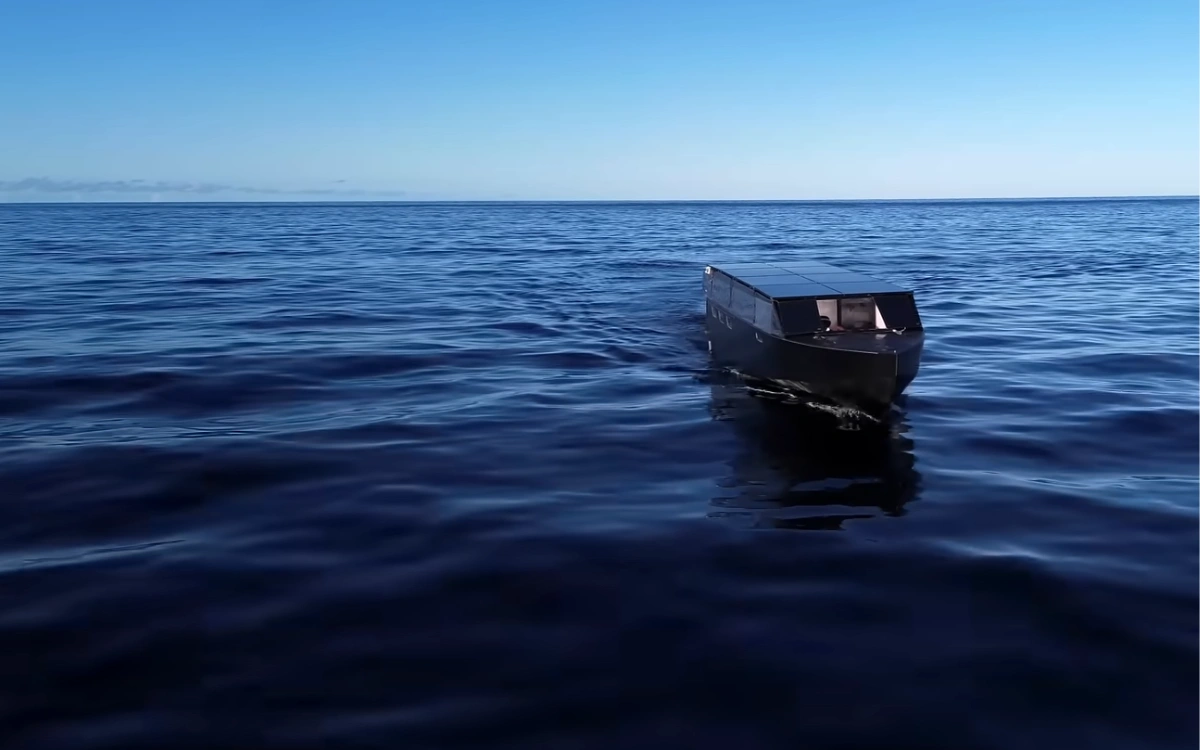
A man who built a solar-powered yacht capable of running indefinitely has completed an impressive journey from Finland to Spain without using a single drop of fuel.
The ambitious project relies entirely on a large-scale solar and battery system that powers both propulsion and onboard living, proving just how far renewable marine tech has come.
Along the way, the YouTuber who built it has been documenting the full electrical setup, including solar arrays, wiring routes, and energy storage systems that keep the vessel moving.
And now, finally, we got a proper look at the ins and outs of the boat from him.

Solar-powered yacht that can run forever travels from Finland to Spain
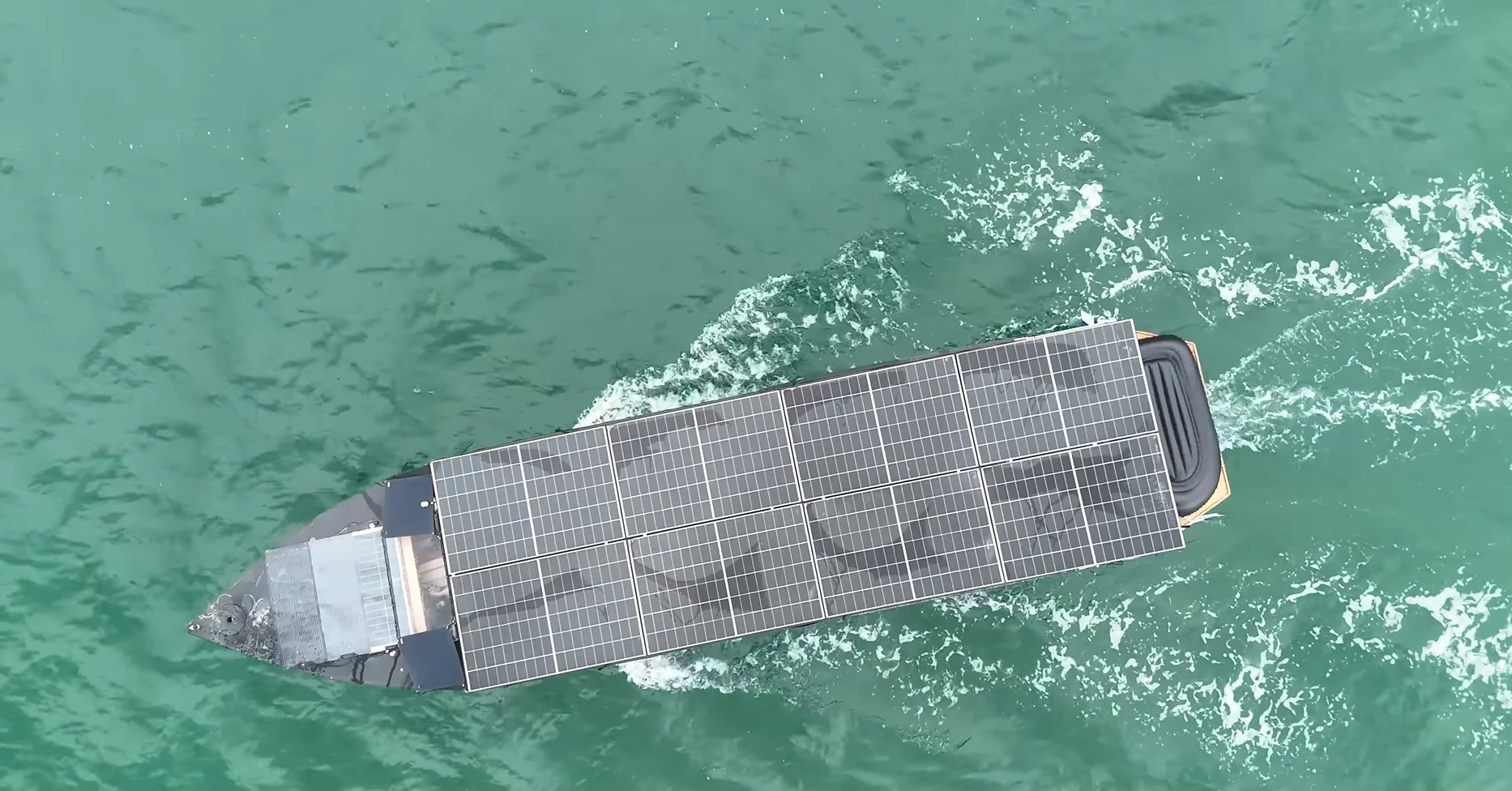
This isn’t your average superyacht; this DIY solar boat is fitted with multiple solar panels across its roof, side decks, and open surfaces, generating several kilowatts of power in good sunlight.
At peak performance, the system can produce around 3,300W, which is enough to maintain cruising speeds of roughly 6 knots.
The YouTuber, who posts as True North Yachts, explained to us that rigid solar panels outperform flexible ones in both efficiency and cost, despite flexible panels being lighter and easier to install.
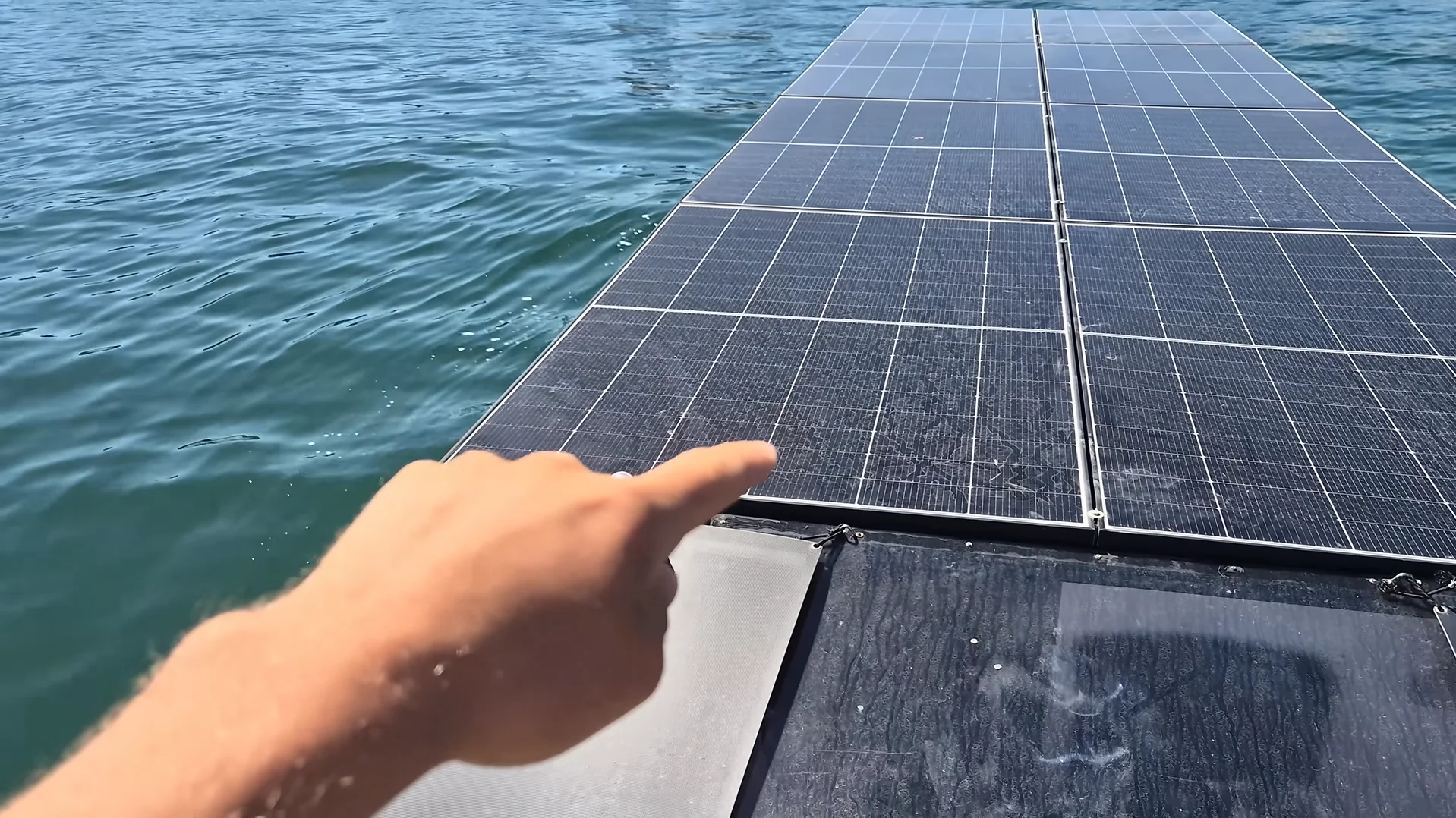
Energy is distributed through a relatively simple wiring layout, with panels grouped in series and parallel depending on the required voltage for the 48V system.
Power flows through Victron charge controllers that regulate input from different arrays before sending it to the batteries.
Related
Inside the zero-fuel solar electric system powering the boat
At the heart of the system is a 30kWh battery bank, combining newer lithium packs with an older backup system in case of emergency.
These batteries are connected via busbars, which distribute power between the solar charge controllers, inverter, and propulsion motor in a straightforward but effective configuration.
The setup is designed for simplicity, making it easier to maintain and fix if it goes wrong.
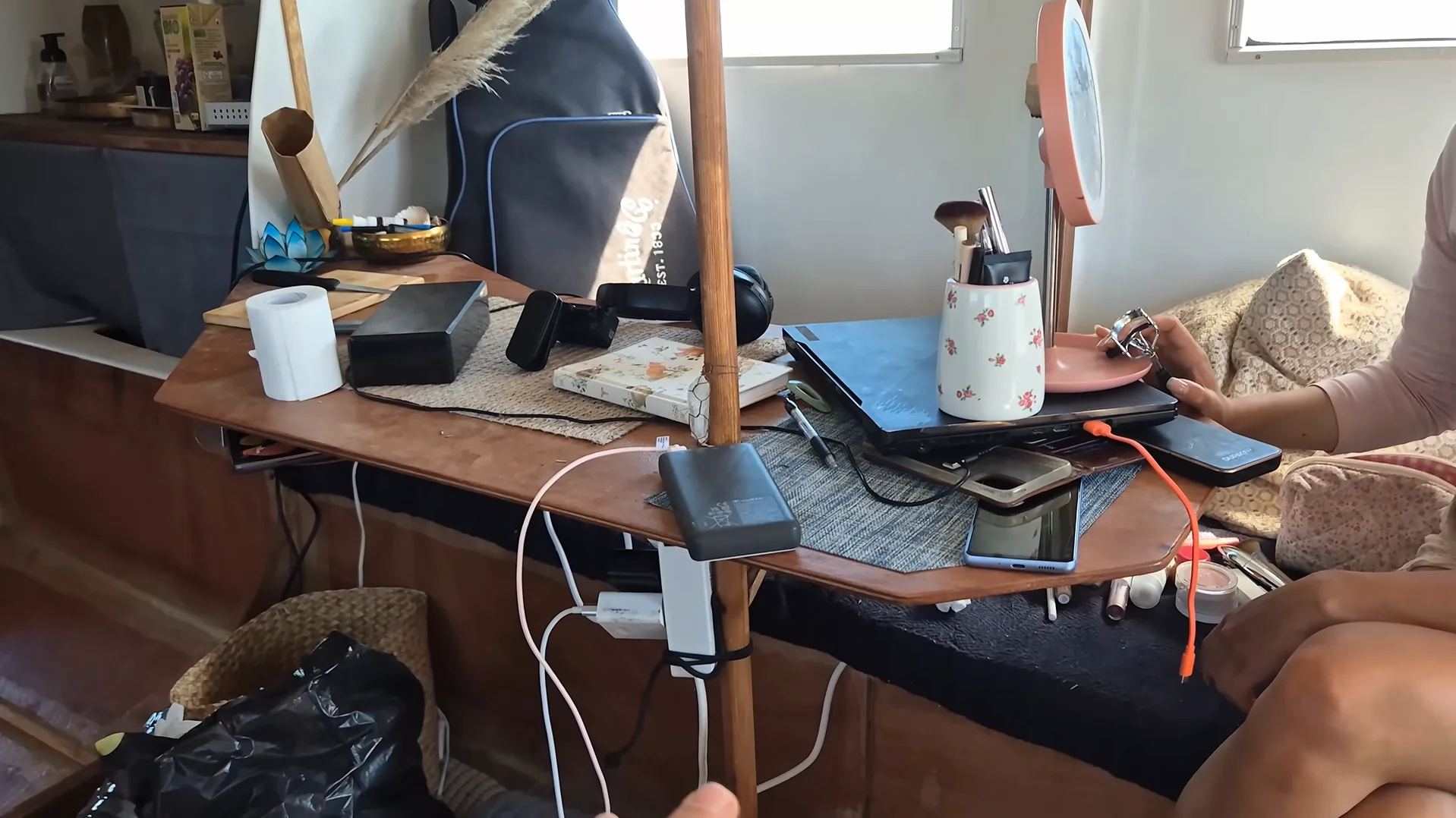
A 5kW inverter provides 230V power for onboard appliances, including cooking equipment and heating, while USB outputs allow low-power charging without even running the full inverter.
Overall, the voyage demonstrates how a carefully designed solar-electric system can power long-distance marine travel without fuel.
While still a prototype, it shows the potential for future solar yachts that could operate entirely off renewable energy with minimal operating costs.

Daisy is a technology and automotive journalist covering artificial intelligence, consumer tech, Apple news, cryptocurrency, emerging technologies, and transportation innovation. Since joining the team in 2025, she has reported on everything from AI-powered startups and major iOS updates to viral car stories and the latest developments shaping transportation and the digital economy. Drawing on her background in automotive journalism and a degree in History and Journalism from Goldsmiths, University of London, Daisy specializes in breaking down complex topics into clear, engaging reporting for a global audience. Her work spans cutting-edge technology, innovative vehicles, and the people driving change across both industries. Daisy has gained first-hand access to some of the world's most talked-about technologies and innovators, including meeting Tesla's Optimus humanoid robot during its first European appearance in London. She has also discussed the future of space exploration with an astronaut, bringing unique insights and real-world perspectives to her coverage of emerging technology.