67 electric cars put to largest-ever range test in brutal Mongolian winter to see which can survive minus 25°C temperatures
Published on Mar 18, 2026 at 7:27 AM (UTC-4)
by Ben Thompson
Last updated on Mar 27, 2026 at 9:04 AM (UTC-4)
Edited by
Emma Matthews
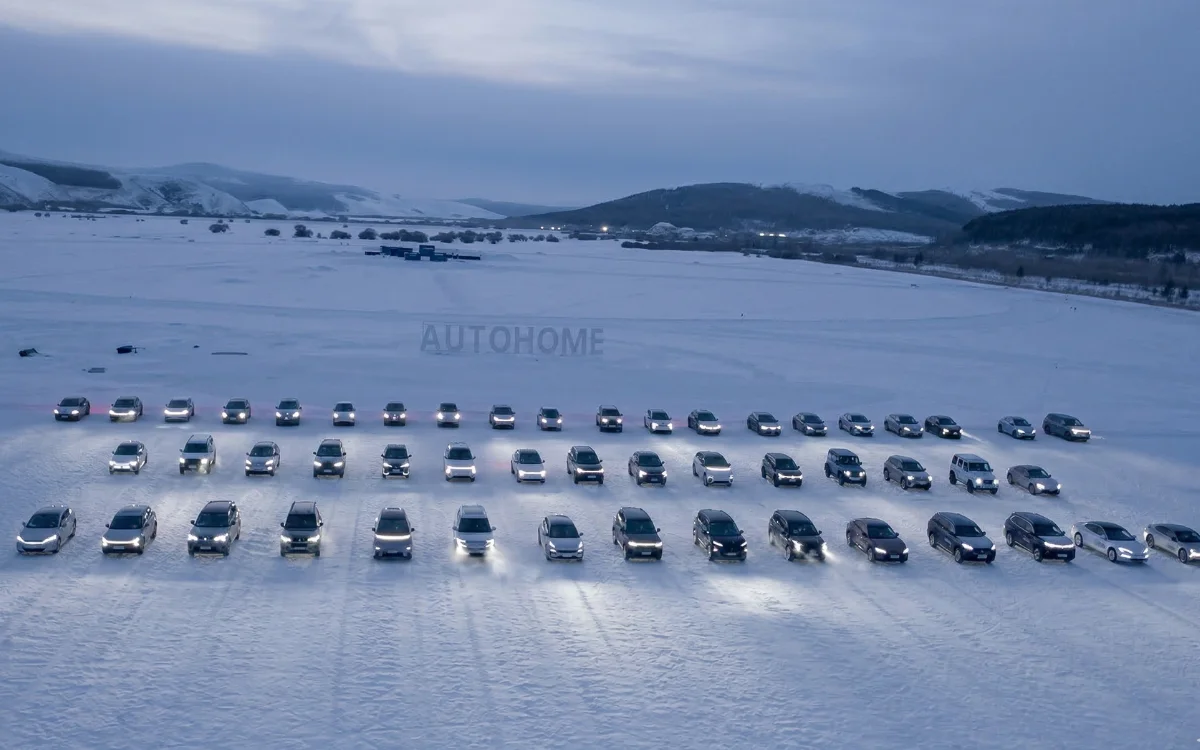

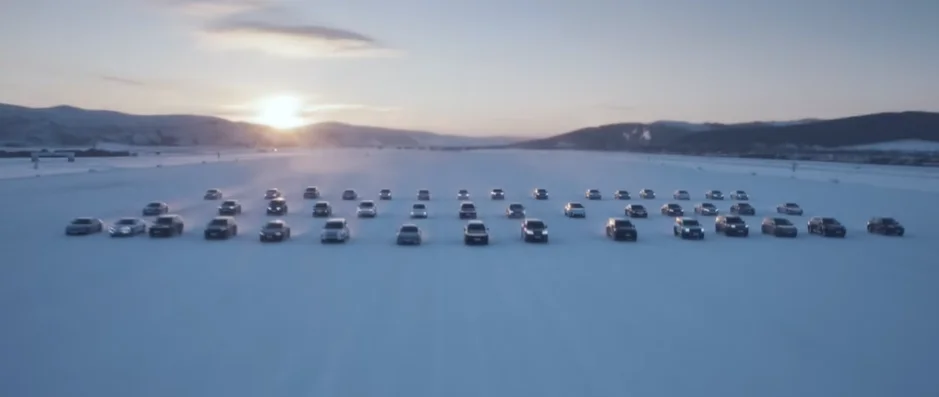
It was a true test of strength when these 67 electric cars were subjected to a range test in a brutal Mongolian winter.
The team at Autohome, a Chinese car website, wanted to see how these EVs would handle themselves out in -25°C conditions.
Along the way, they earned themselves a Guinness World Record for the largest winter car test ever conducted.
But which cars would prove to be the top dog in the end?
Click the star icon next to supercarblondie.com in Google Search to stay ahead of the curve on the latest and greatest supercars, hypercars, and ground-breaking technology
These 67 electric cars were pushed to their limit in a bitter Mongolian winter
EVs have long been known to struggle in cold temperatures.

In the deepest depths of Inner Mongolia, these 67 electric cars were subjected to a range test like no other.
Autohome wanted to see which cars performed best in the following categories: driving range, energy consumption, fast-charging behavior, cabin heating efficiency, automatic emergency braking (AEB), acceleration, and off-road capability.
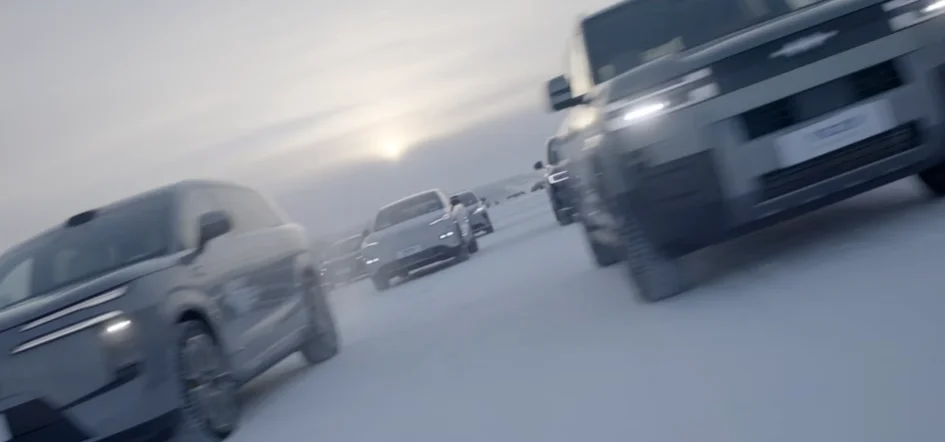
The Xpeng P7 emerged as the winner in the range test, covering 53.9 percent of its officially claimed CLTC (China Light-Duty Vehicle Test Cycle) range – 227 miles on a single charge in the bitter cold.
Following behind it was the BYD Yangwang U7 at 51.8 percent retention, and the Zeeker 001 at 49.6 percent retention.
When it came to energy consumption, the smaller and lighter cars performed best – with the BYD Seagull and Geely Xingyuan dominating at 23.5kWh per 62 miles.
In the charging speed category, the engineers wanted to see which cars could go from 30 percent to 80 percent in the fastest time.
The Avatar 07 came out on top at 15 minutes.
It wasn’t just Chinese brands being represented here – the Tesla Model Y was also put through its paces.
But unfortunately for the American brand, the Model Y struggled in the cold.
It finished in 31st place for range retention, achieving only 35 percent of its promised range, and it took 35 minutes to reach 80 percent charge.
It’s not the first time a Tesla has been subjected to this sort of test – just look what happened when it went up against three other EVs in sub-zero temperatures.
This test demonstrated how grueling the cold weather can be on EVs.
The fact that even the top performers lost nearly half of their advertised range says a lot.

The cold weather is not kind to EVs
A lot of time has been spent examining the issue of EVs and cold weather.
Expert advice has been dispensed on how to recover range or on which EVs are best to drive in these trying weather conditions.
Ultimately, being informed is the best defense somebody can have when it comes to buying an EV.
Because let’s face it, not everyone can afford to move to a tropical climate.
Ben joined Supercar Blondie in February 2025 after being published by international organizations including LADbible, The Sun, the New York Post, and the Daily Mail. He covers supercars, rare and collectible vehicles, aviation, luxury assets, and the fascinating people behind them. His reporting has explored everything from seven-figure supercars and historic Ferrari collections to unusual aircraft adventures and extraordinary automotive discoveries from around the world. Ben has also gained first-hand insight into vehicle craftsmanship and customization, including visiting specialist workshops to see bespoke vehicles up close.