Abandoned airline training center contains remnants of Boeing 747 planes parked forever in sealed blocked area
Published on Apr 10, 2026 at 5:50 AM (UTC-4)
by Alessandro Renesis
Last updated on Apr 10, 2026 at 12:07 PM (UTC-4)
Edited by
Emma Matthews
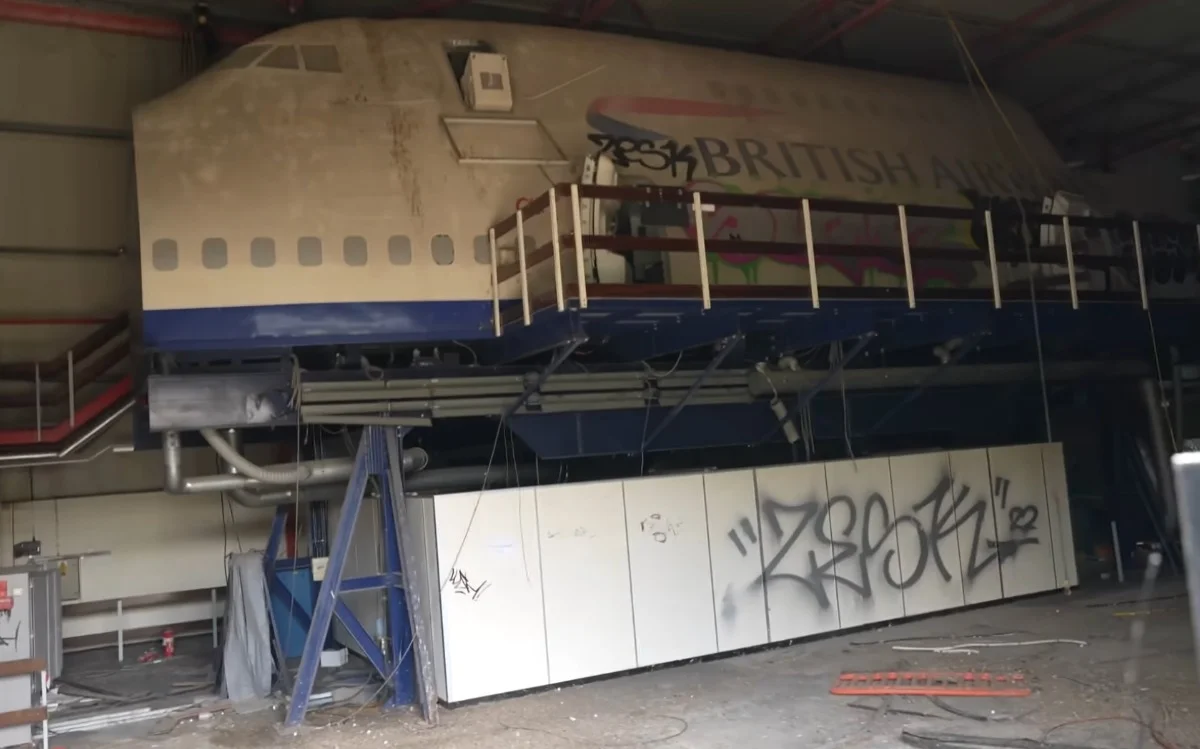

There’s an abandoned British Airways training center right next to Heathrow Airport in London that’s been rotting away for ages.
The building is falling apart, and the Boeing 747 simulators ‘parked’ in it are in even worse shape than the facilities.
It’s a shame, especially because no one seems to be doing anything about it.
The reasons, however, are pretty logical.
The reason why this Heathrow training center is now abandoned
Opened in the 1960s, Cranebank Training Center used to be a major ‘boot camp’ for British Airways pilots, cabin crew, and aviation staff in general.
It closed down in 2014, and it’s been left largely untouched for years.
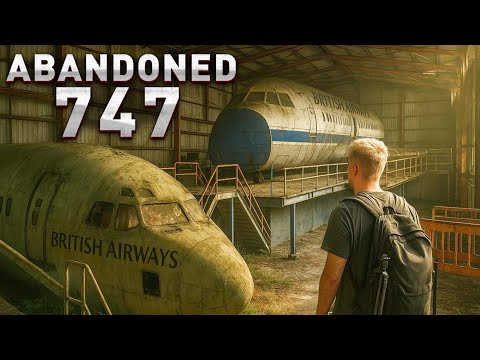
As we can see from the video shared by YouTuber Exploring with Josh, the facility is beyond saving.
The problem was that, pretty much overnight, the facility had to be left behind because the discovery of asbestos meant that it was considered too costly to redevelop.
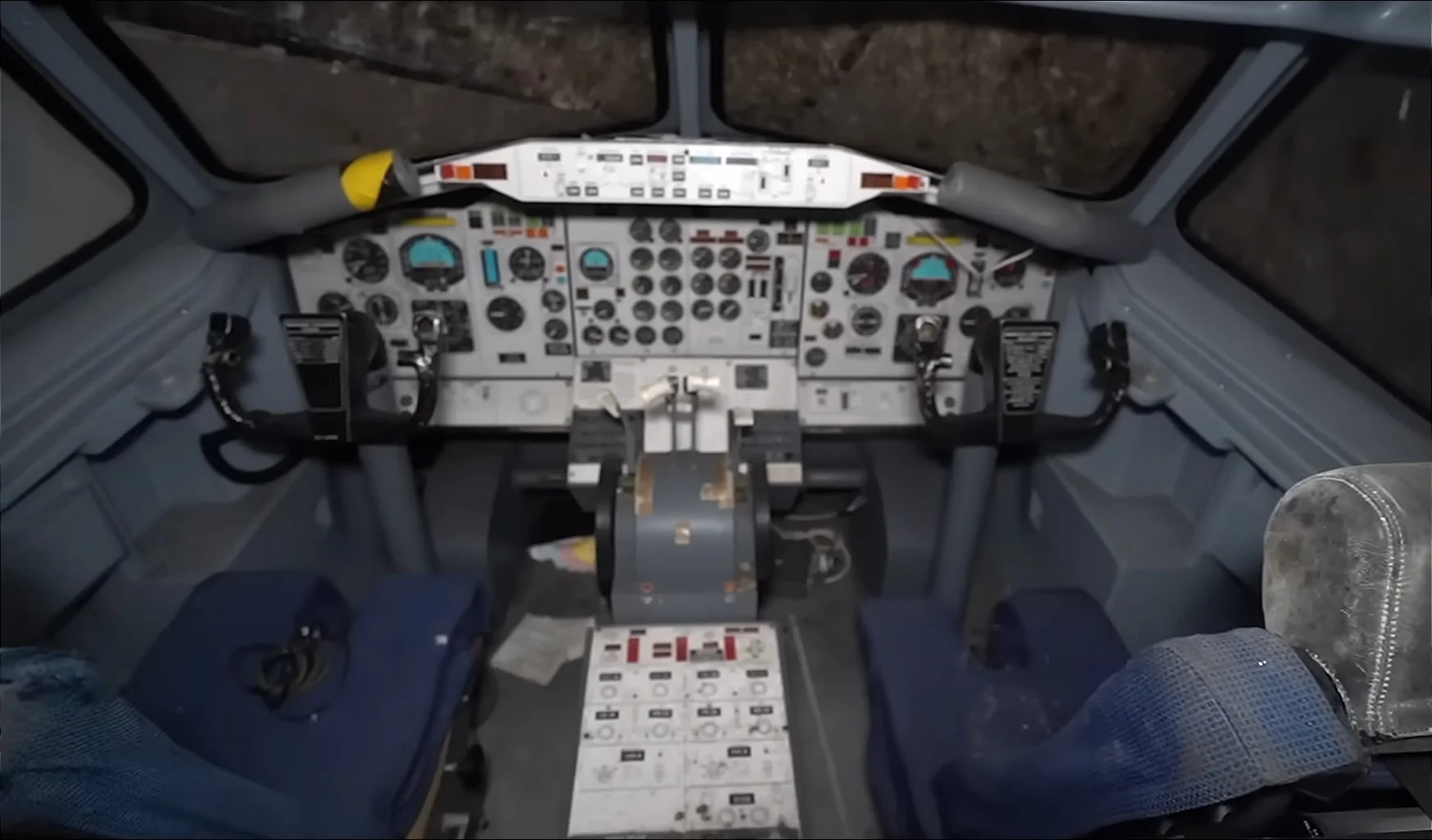
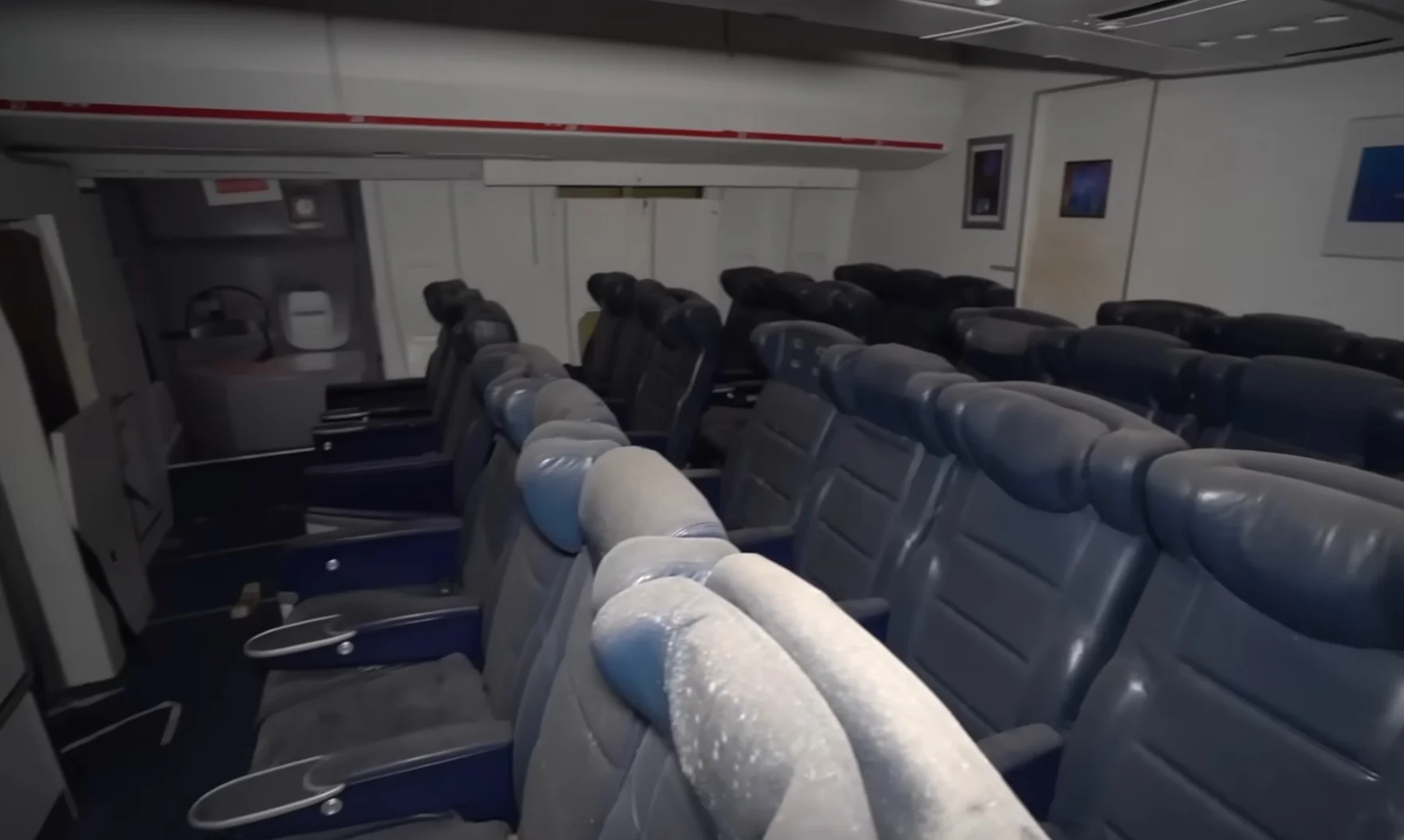
Many things inside that were deemed of no value were left in there, mock airplanes for pilots and cabin crew, and even some pretty high-tech simulators.
Historically, asbestos has been used to build objects and buildings because it’s naturally fireproof.
However, as the severe health risks, including aggressive cancers, became more widely understood, strict regulations were put in place.
Everyone stopped using it, which solved half the problem; the other half was identifying and managing existing buildings built with asbestos, which proved much more difficult.
This British Airways training center near Heathrow Airport was sadly a casualty of this process.
Related

The likely reasons why no one is doing anything about it
There are probably two reasons why no one seems to be doing anything about this abandoned training center.
These reasons are connected, and they come with a dollar or, rather, Pound Sterling, sign next to them, but not for the reasons you might think.
Older facilities used to be built using a variety of materials that, if not properly looked after, may cause health risks.
Safe removal of said materials is astronomically expensive, and for a facility of that size, the cost of clearing the hazardous materials will likely exceed the value of the land.
No one would ever dream of investing that kind of money, especially when we mention the other reason: Heathrow Airport’s mythological third runway.
Our go-to aviation expert, Robert Cullemore, explained that Heathrow’s third runway has been in the making for ages, and the cost keeps going up, which is why it remains a top priority whenever money is involved.
“[Heathrow’s proposed third runway] has been on the agenda forever. There are probably people in the aviation industry who graduated, got promoted, then retired and maybe spent most of their career on this project,” he said, with a sprinkle of irony.
Cullemore also noted that the cost is very high, and it keeps going up.
“In 2018, the estimated cost was £14 billion ($19 billion). It’s now £49 billion ($67 billion),” he noted.
As long as the ratio of land value to removal costs remains the same, and as long as Heathrow’s third runway remains the first thing on the agenda, Cranebank Training Centre will likely continue to rot away.
Alessandro is an automotive journalist with 10 years of experience covering supercars, automotive history, emerging vehicle technology, and luxury transportation. He wrote the first article published on SupercarBlondie.com when the website launched in 2022 and has since built a reputation for insightful reporting across the automotive and transportation industries. His expertise is grounded in hands-on experience. Alessandro has driven every Tesla model ever produced, from the original Roadster to the Cybertruck, and regularly covers the latest developments in electric vehicles and automotive innovation. His passion for transportation extends beyond cars, he has even flown a Boeing 787 Dreamliner simulator in Addis Ababa, Ethiopia. His reporting spans everything from classic American muscle cars and rare automotive discoveries to luxury yachts, private aircraft, high-end watches, and cutting-edge vehicle technology. Known for his deep knowledge of automotive history and ability to uncover the stories behind iconic vehicles, Alessandro brings readers a blend of historical context, technical expertise, and first-hand experience.