Airbus is trying to find a new home for its retired Beluga but it's a logistical nightmare
Published on Dec 29, 2025 at 9:34 AM (UTC+4)
by Jason Fan
Last updated on Dec 29, 2025 at 5:48 PM (UTC+4)
Edited by
Kate Bain
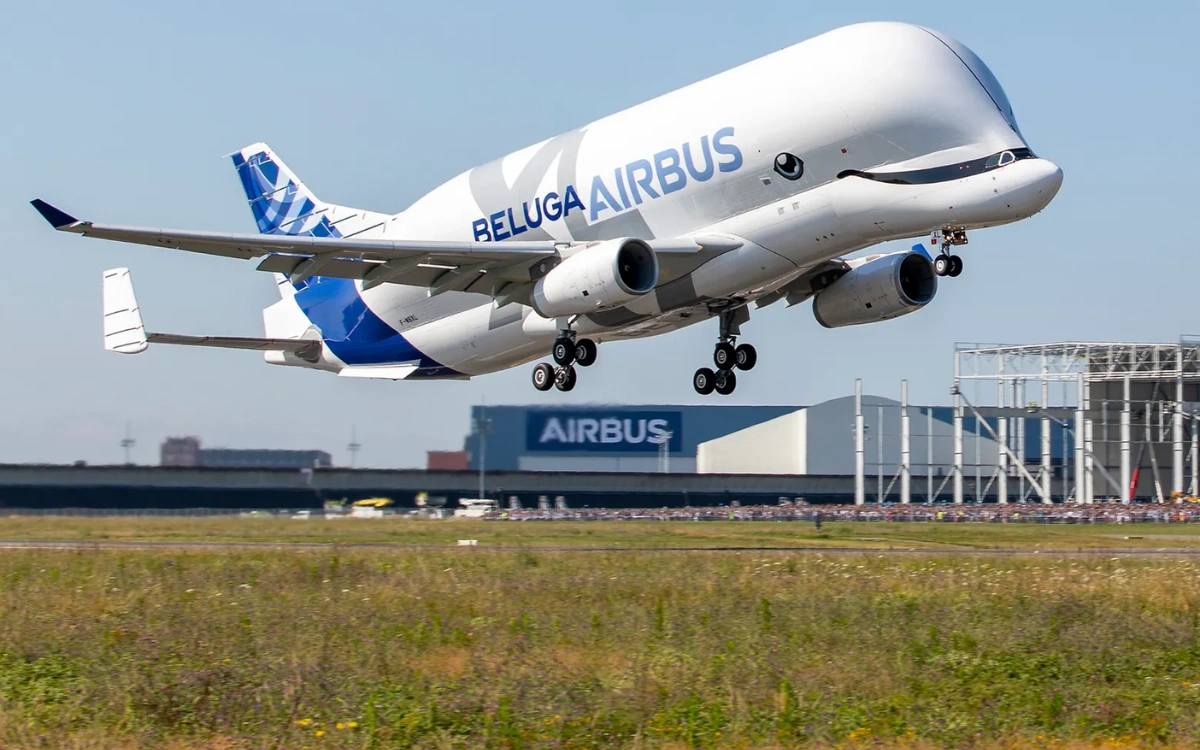

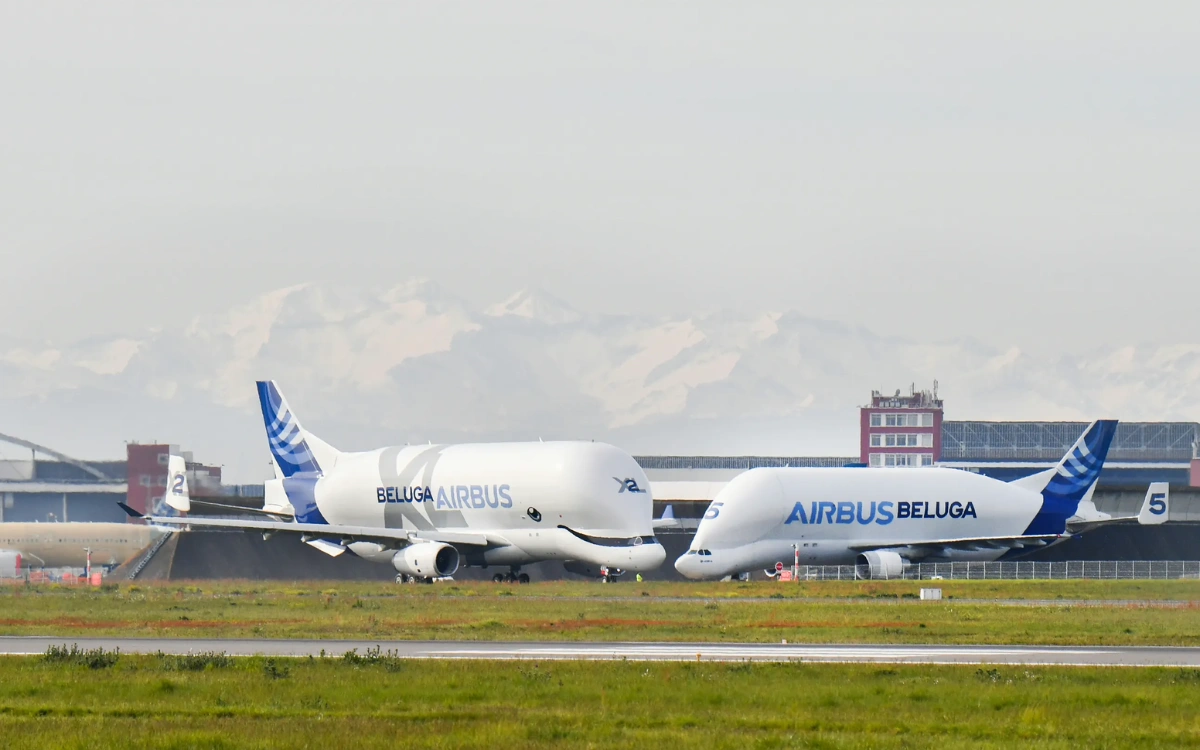
Few cargo planes turn heads like the Airbus Beluga, a flying whale that looks more like a cartoon than a proper commercial aircraft.
These bulbous giants have spent decades hauling airplane parts across Europe, quietly keeping Airbus production lines moving.
Now, as the original Belugas near retirement, the company is trying to give them a dignified second life.
However, as it turns out, moving one of the strangest-shaped aircraft ever built is anything but simple.
SBX CARS – View live supercar auctions powered by Supercar Blondie
The Beluga is one of the most recognizable aircraft for a reason
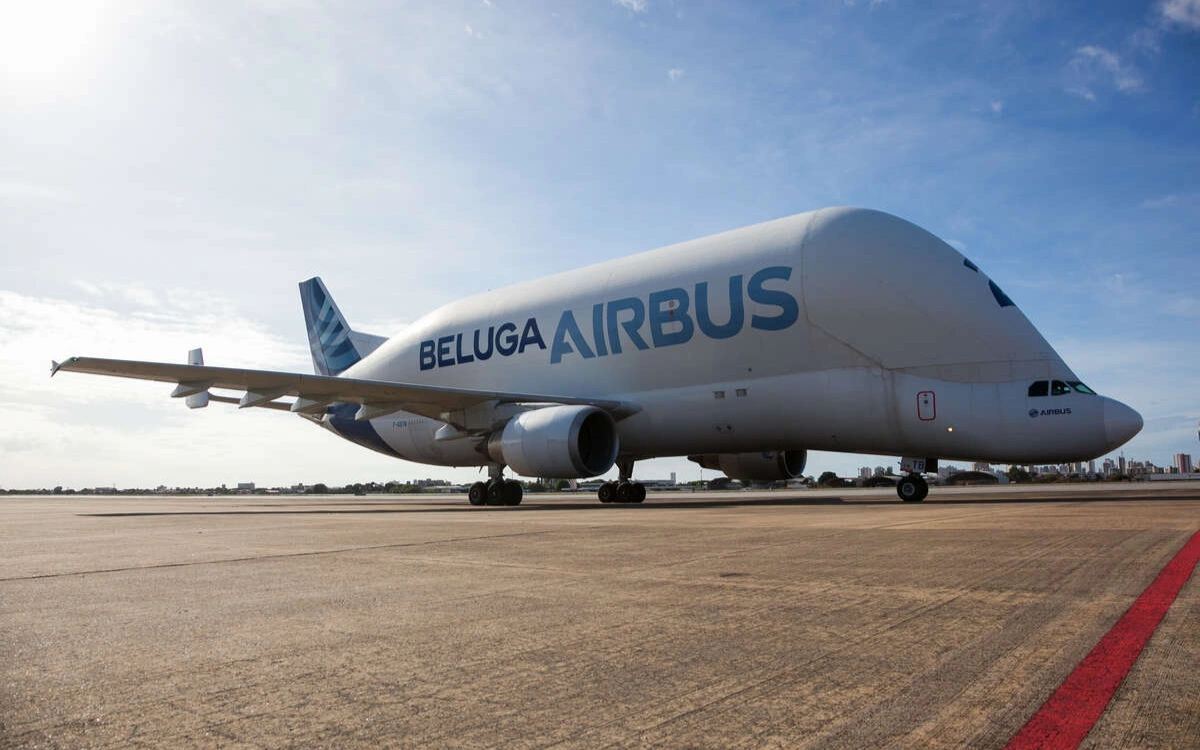
The original Airbus Beluga was officially known as the A300-600ST.
It was developed in the early 1990s to solve a specific problem: moving enormous aircraft components quickly between Airbus factories scattered across Europe.
Wings from the UK, fuselages from Germany, and noses from France all needed to arrive at final assembly lines on time.
Road and sea transport was slow, so the airplane manufacturer took the proven A300 airframe and grafted on an enormous, oversized fuselage that could swallow aircraft parts whole.
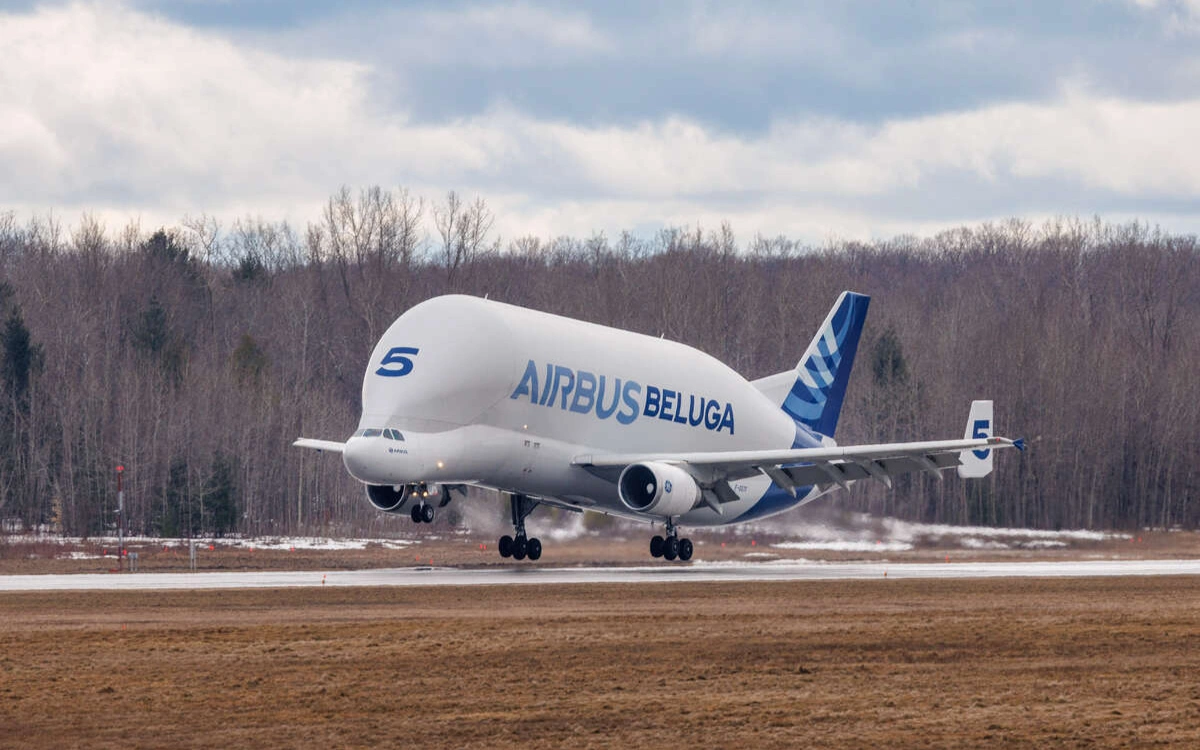
The result was a plane that could carry loads of up to 47 tons and items longer than a tennis court.
Airbus built five Belugas, and while they never carried paying passengers, they became some of the most recognizable aircraft in the sky.
The Beluga’s hinged cockpit is lowered beneath the cargo hold, so the nose could swing open.
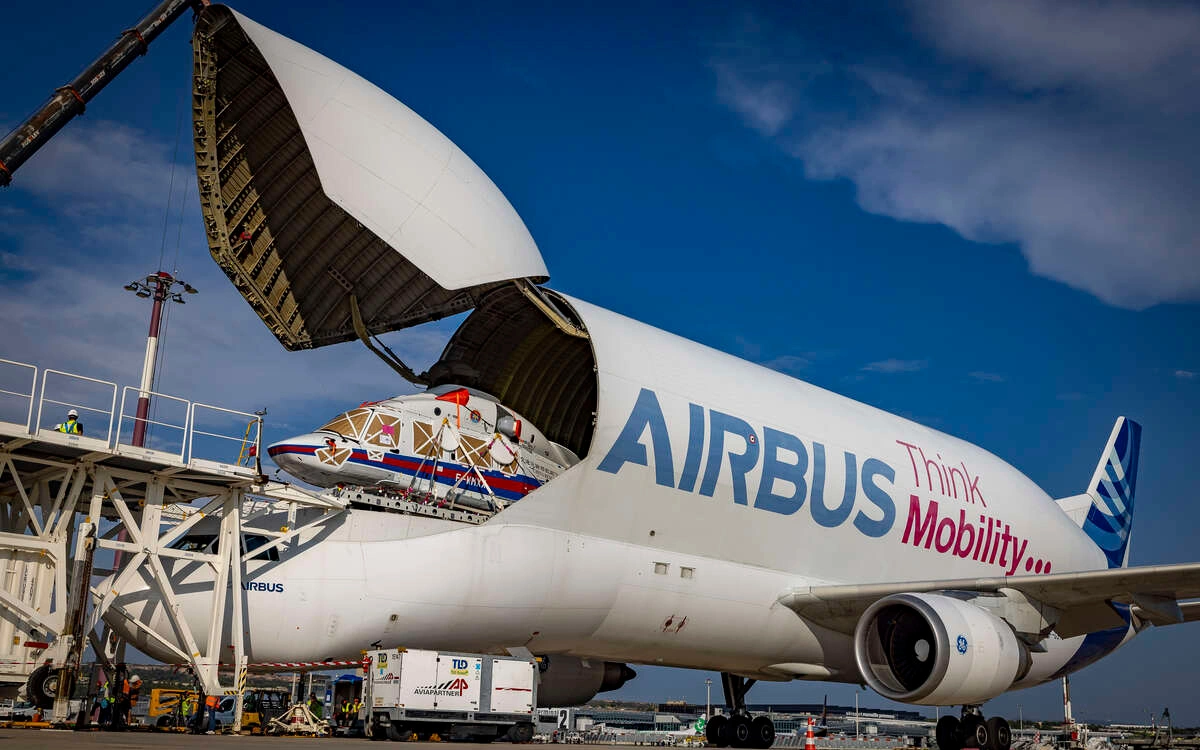
This made loading massive components possible.
The planes were so distinctive that they became flying mascots for Airbus, beloved by aviation enthusiasts and casual observers alike.
From 2016 onward, the company began replacing the originals with the BelugaXL, a larger, A330-based successor capable of carrying even bigger components.
What’s in store for the old planes?
That shift left the first-generation aircraft in a strange limbo.
They were briefly operated by Airbus Beluga Transport, a cargo airline offering spare capacity to external customers, but that operation has since shut down.
Today, the aircraft are considered to be surplus, with the company exploring options to exhibit them in museums or educational settings, primary across Europe.
However, this is easier said than done.
Unless they remain at airports, moving one of these planes means dismantling parts of the aircraft and transporting them by road.
A SpaceX rocket cruising down a Texas highway recently stopped cars in their tracks, and it’s likely that transporting the oversized cargo plane would be equally chaotic.

Still, if any aircraft deserves the effort, it’s the Beluga.
Few airplanes better represent the creativity and problem-solving spirit of modern aviation, and seeing one up close would be a dream come true for aviation fans everywhere.
DISCOVER SBX CARS: The global premium car auction platform powered by Supercar Blondie