Most people don’t know there are Airbus planes flying with tens of thousands of 3D-printed parts
Published on Feb 11, 2026 at 11:04 AM (UTC+4)
by Molly Davidson
Last updated on Feb 11, 2026 at 12:59 PM (UTC+4)
Edited by
Kate Bain

Most people still picture 3D printing as something experimental.
But that mental image hasn’t kept up with reality.
Modern aircraft, including Airbus planes, have already moved past the testing phase, and they did it years ago.
In fact, there’s a very good chance you’ve already flown with 3D-printed parts bolted into the plane around you.
DISCOVER SBX CARS – The global premium auction platform powered by Supercar Blondie
The 3D-printed parts are already flying on Airbus planes
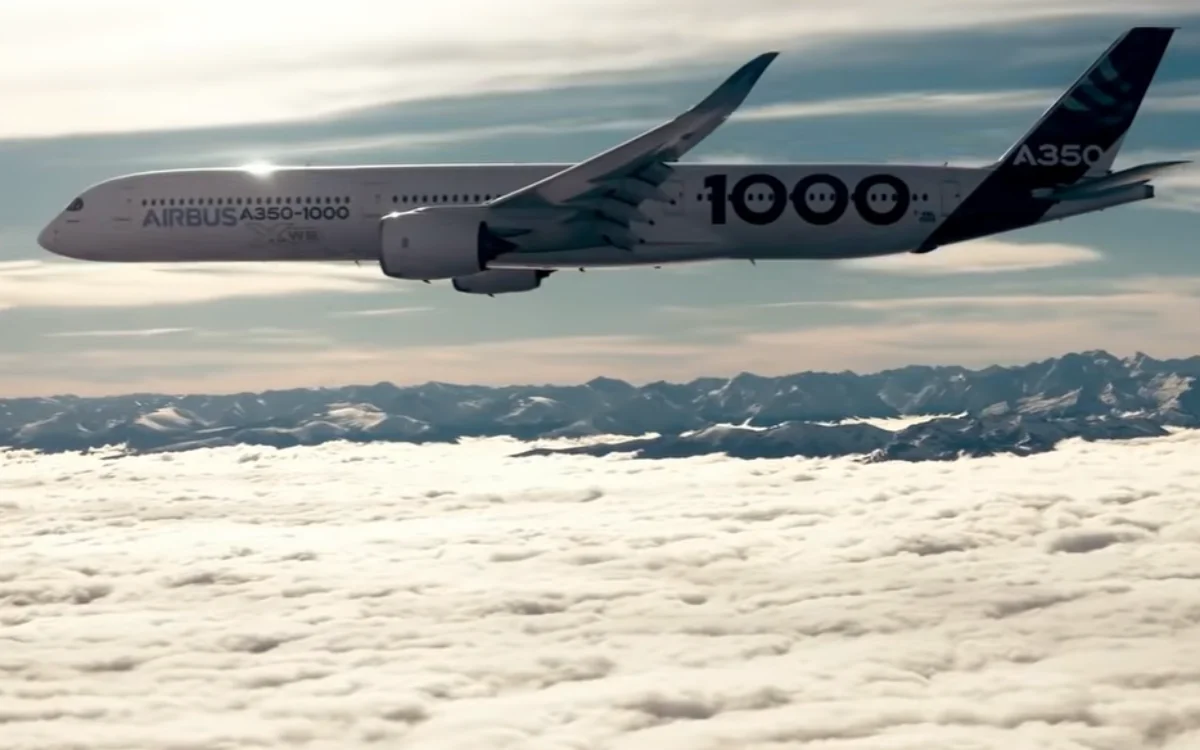
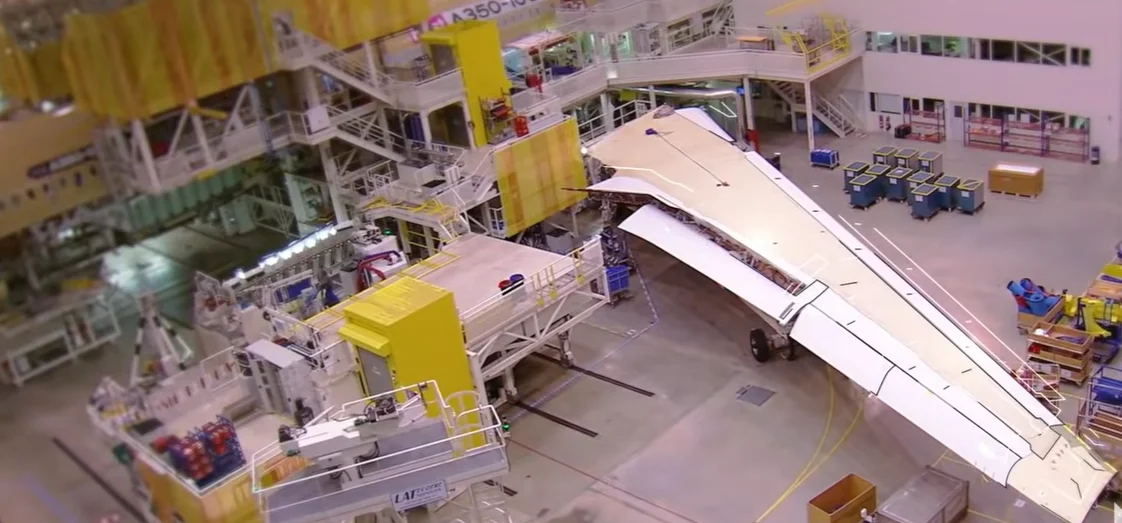
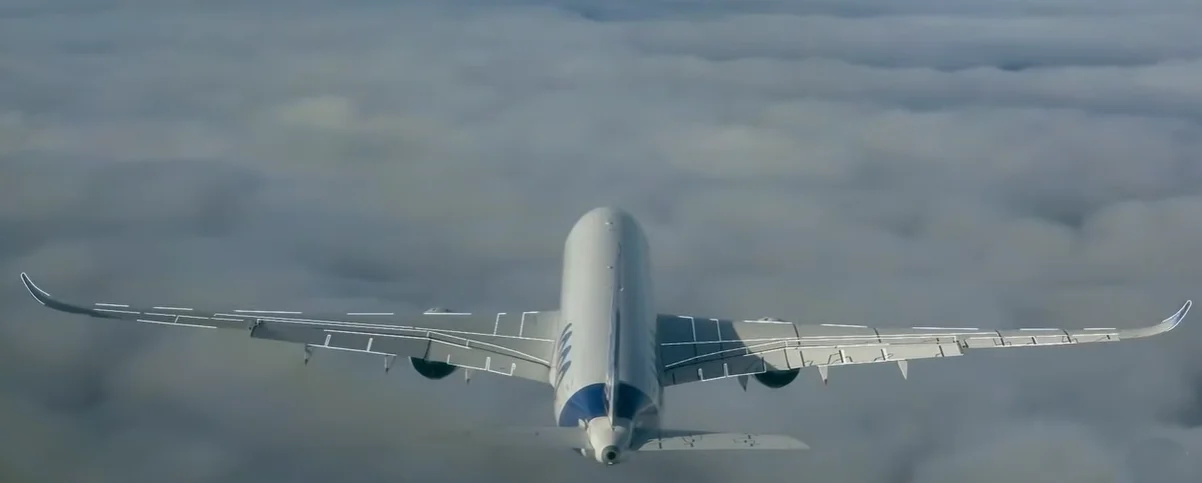
Commercial planes flying today already have hundreds, sometimes thousands, and in some cases tens of thousands of 3D-printed parts on board.
These aren’t test pieces or early experiments.
They’re certified, approved, and installed parts that airlines rely on every day.
One of the biggest users is Airbus, which has been using 3D printing as part of normal production for years.
Once a part gets certified for flight, it doesn’t get treated like a novelty.
It becomes just another part of how the plane is built.
A lot of confusion comes from what people imagine is being printed.
No one is 3D printing wings or the main body of the aircraft.
The real action is inside the plane.
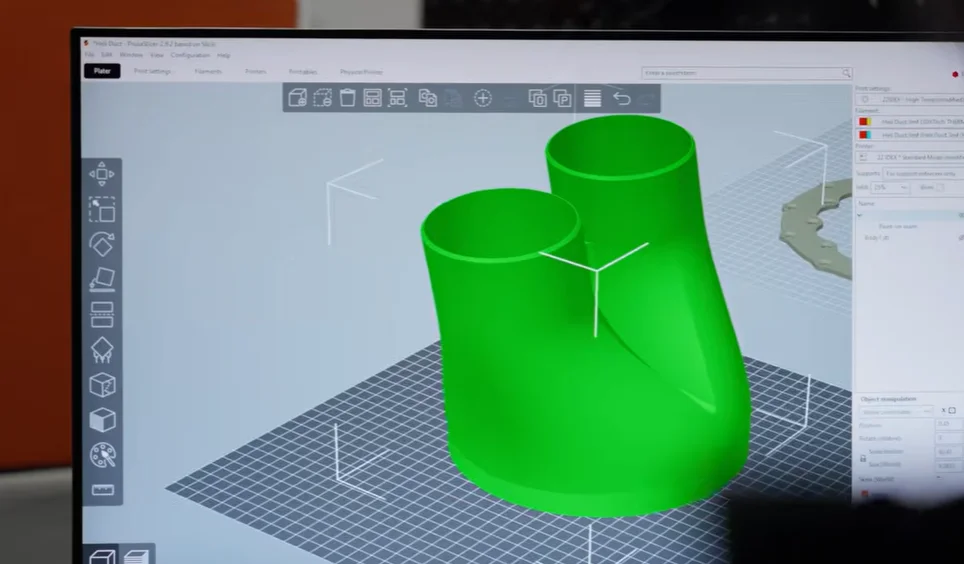
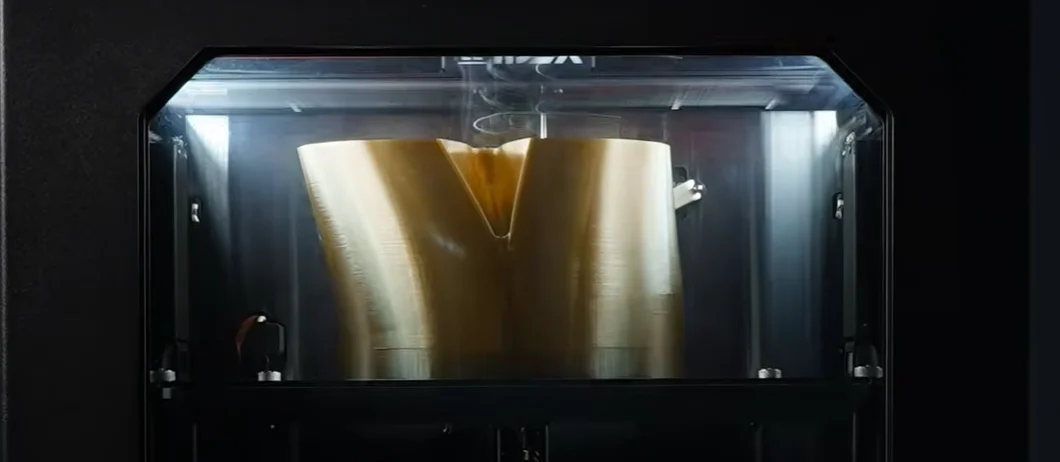
Things like brackets, panels, air ducts, housings, ventilation parts, interior structures, and replacement components are now commonly printed instead of machined or molded.
These parts are perfect for 3D printing because they often have tricky shapes, don’t need to be made in huge numbers, and benefit from being lighter.
If a design needs tweaking later, engineers can update a digital file instead of throwing away piles of unused parts or expensive tooling.
Instead of storing spare parts in warehouses for decades, manufacturers can just store the file and print what they need when they need it.
It’s faster, cheaper, and far less wasteful.
That’s why this shift didn’t come with fireworks.
It just made sense.
Click the star icon next to supercarblondie.com in Google Search to stay ahead of the curve on the latest and greatest supercars, hypercars, and ground-breaking technology
Aerospace changes how we should think about 3D printing
Aerospace is famously strict.
If something fails, the consequences are serious.
That means new manufacturing methods don’t get a free pass.
Everything has to be consistent, traceable, and repeatable.
If a process can’t deliver the same result every time, it doesn’t make the cut.
So when aerospace adopts 3D printing at scale, it’s not a gamble.
It’s proof that the tech has grown up.
New materials don’t earn trust because they are flashy.
They earn it by surviving heat, stress, and years of real use without issue.
And once aerospace signs off, other industries pay attention.
Defense, transportation, energy, and medical manufacturing – they all look to aviation as the ultimate test case.
This means that 3D printing in planes isn’t the future, it’s already cruising at 35,000 feet.
You just didn’t notice… because it worked.

DISCOVER SBX CARS: The global premium car auction platform powered by Supercar Blondie
With roles at TEXT Journal, Bowen Street Press, Onya Magazine, and Swine Magazine on her CV, Molly joined Supercar Blondie in June 2025 as a Junior Content Writer. Having experience across copyediting, proofreading, reference checking, and production, she brings accuracy, clarity, and audience focus to her stories spanning automotive, tech, and lifestyle news.