Man who flew 3,000 miles to Alaska for ultra-rare abandoned helicopter finishes restoring it after 200 days
Published on Jun 13, 2026 at 4:04 PM (UTC-4)
by Alessandro Renesis
Last updated on Jun 13, 2026 at 4:04 PM (UTC-4)
Edited by
Mason Jones
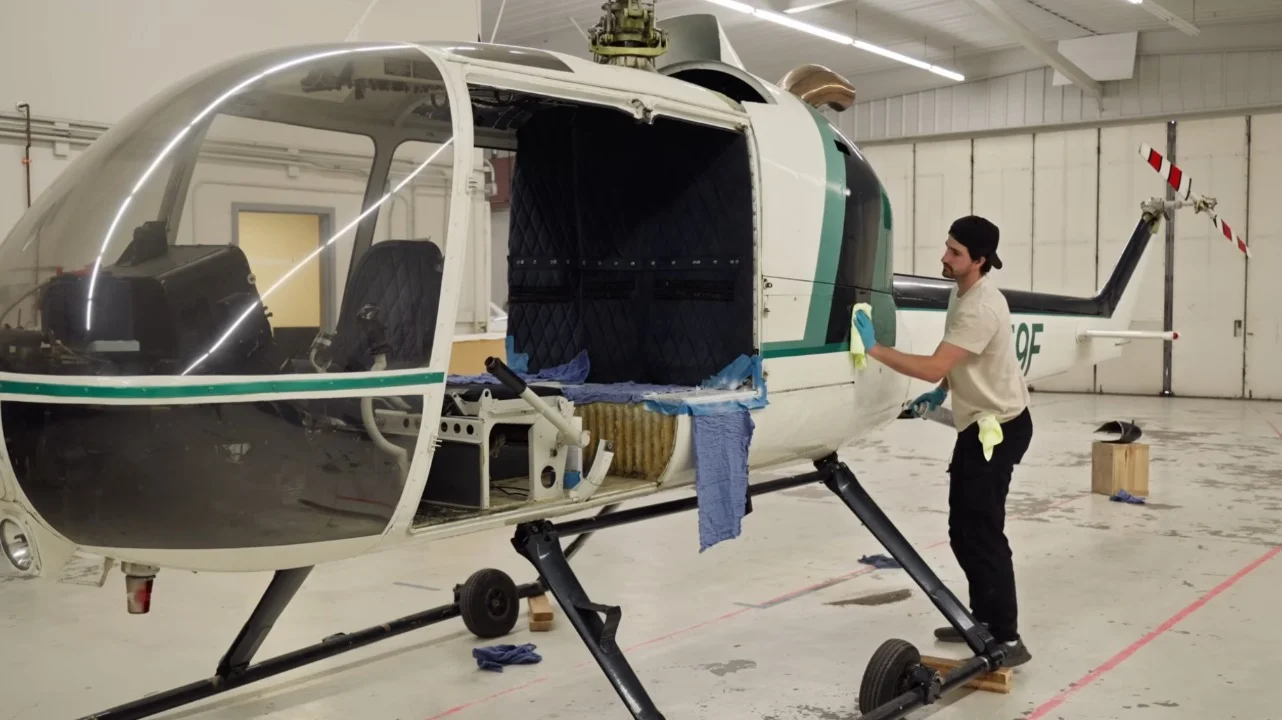

A man who decided to fly 3,000 miles to Alaska to inspect an abandoned helicopter has given an update on the restoration project.
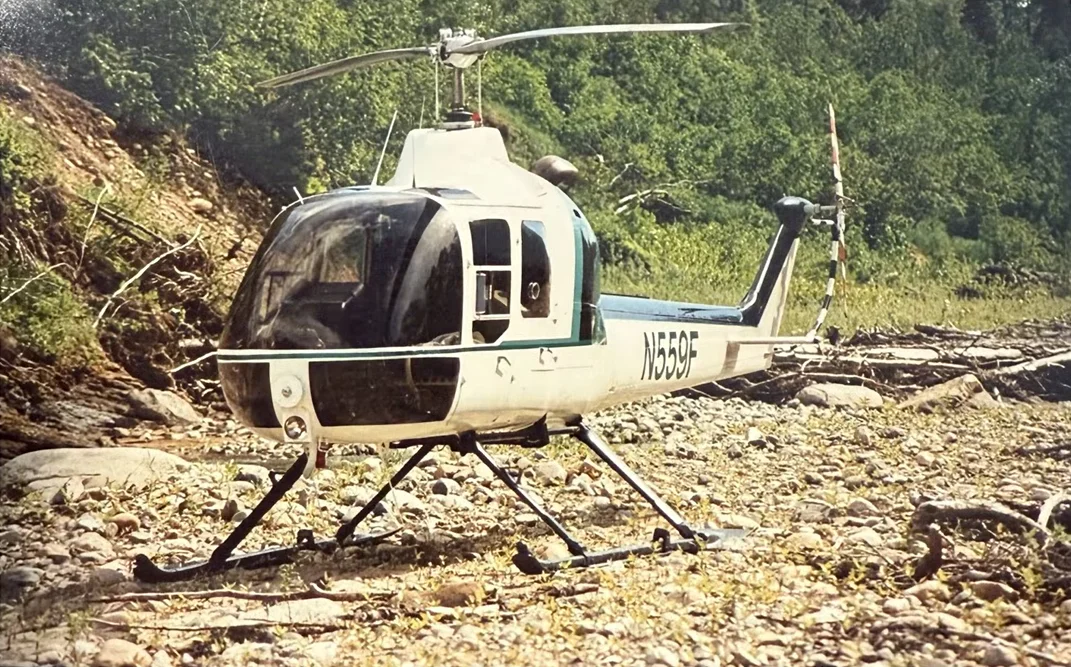
The helicopter was an FH1100, a model so uncommon that you rarely see one flying anymore.
The chopper had been sitting abandoned for around 20 years but, amazingly, it might be potentially still salvageable.
Now, after 200 days, it’s (almost) ready again.
This helicopter is a potential miracle
No vehicle can survive 20 years of neglect, especially anything that flies.
With a car or a motorcycle, you’d just replace whatever needs replacing and, a few swearwords and several checks later, it’ll work again.
Boats are a bit more complicated, but still sort of doable.
But anything aviation-related is a nightmare.
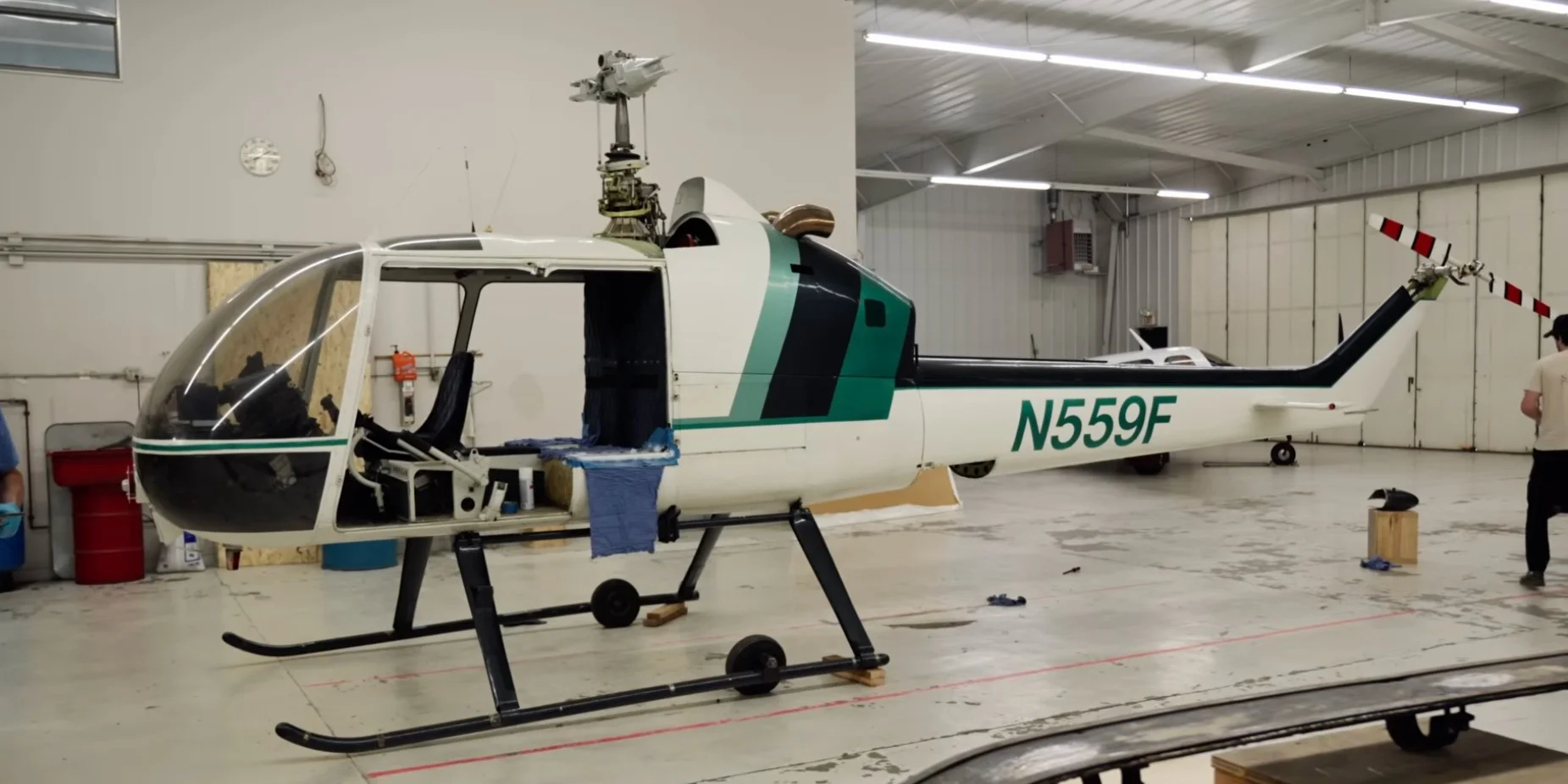
Leaving aircraft abandoned for 20 years is a great way of making sure they’ll never fly again.
And it’s not a technical problem, it’s a legal issue.
In general, aviation authorities err on the side of caution, which means they generally just call it no longer airworthy and then that’s it.
What you’re left with is a very heavy paperweight or, at best, a project to convert into an Airbnb or restaurant or an RV.
But this chopper, somehow, survived.
There is hope, but nothing is certain yet.
Related
It only took 200 days to fix it, but there’s a ‘but’
YouTuber Mattylp traveled from St. Louis, Missouri, to Anchorage, Alaska, to inspect the helicopter in person, saying he had been hunting for it for ages.
The helicopter of his dreams was the FH1100, a little turbine helicopter that you never see flying in the skies anymore.
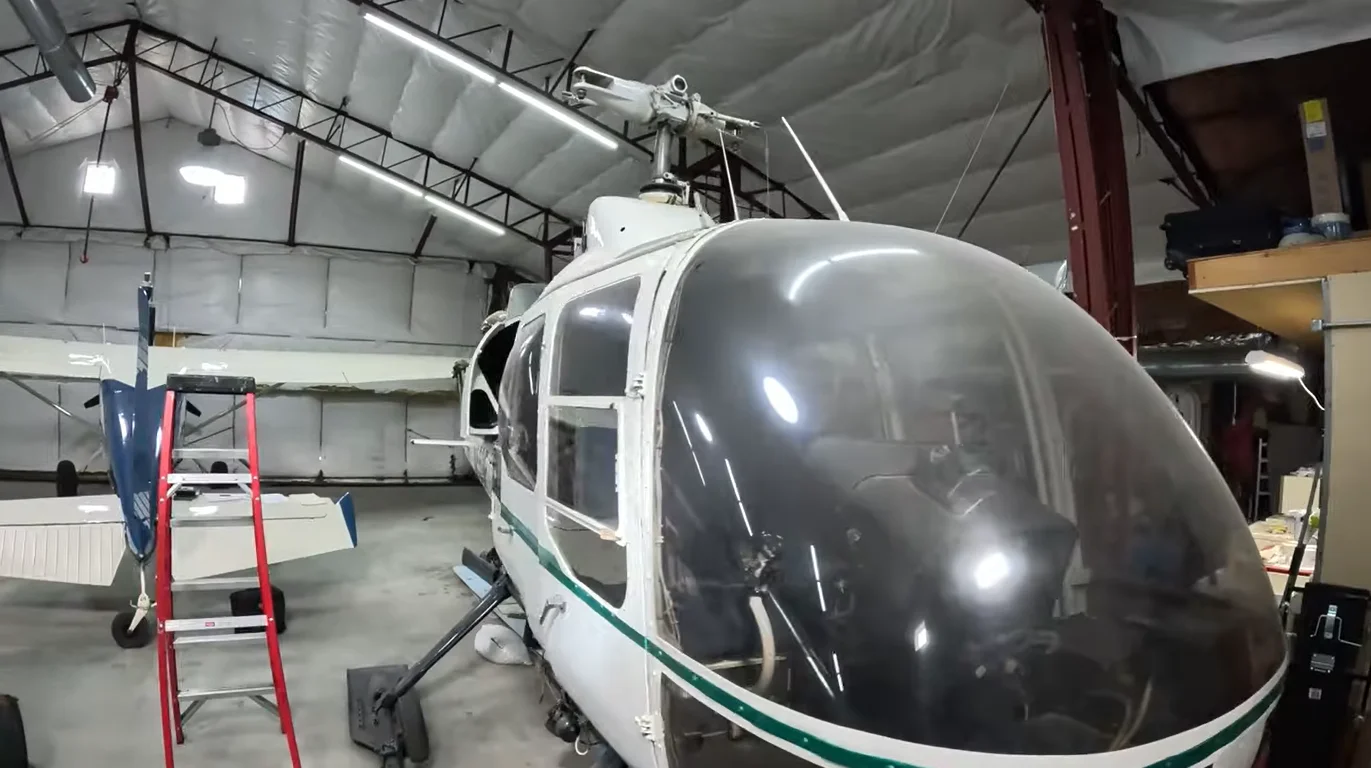
When he finally arrived in Alaska, the helicopter was in truly bad shape.
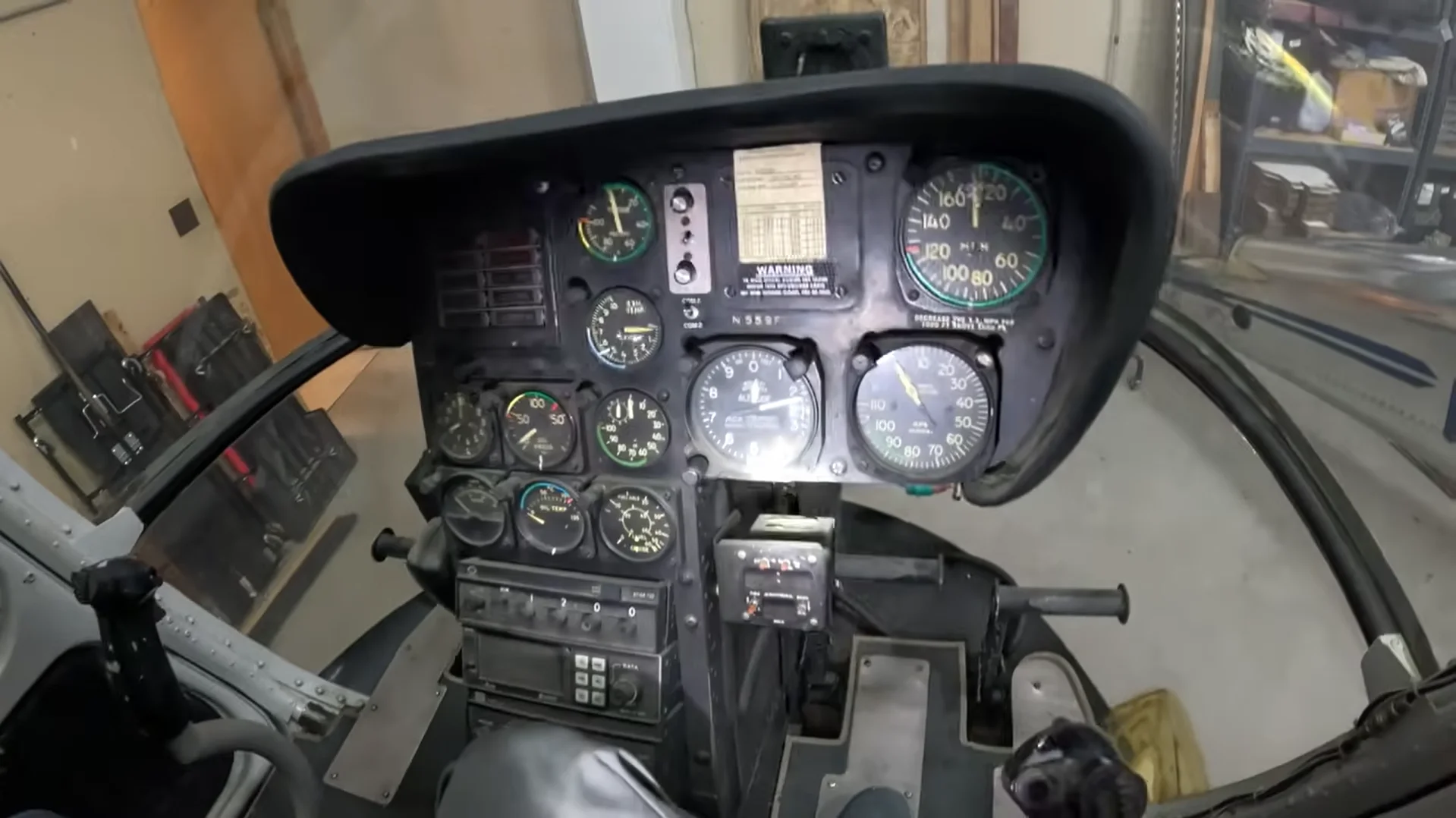
The cockpit of the abandoned helicopter also looked like a time capsule, with vintage gauges, warning panels, and radios that looked straight out of another era.
He started making notes of what would need replacing and it was a very long list.
And he knew the journey ahead would be tough.
“There are no little magic fairies that come in overnight to the hanger and fix stuff,” he said in the video.
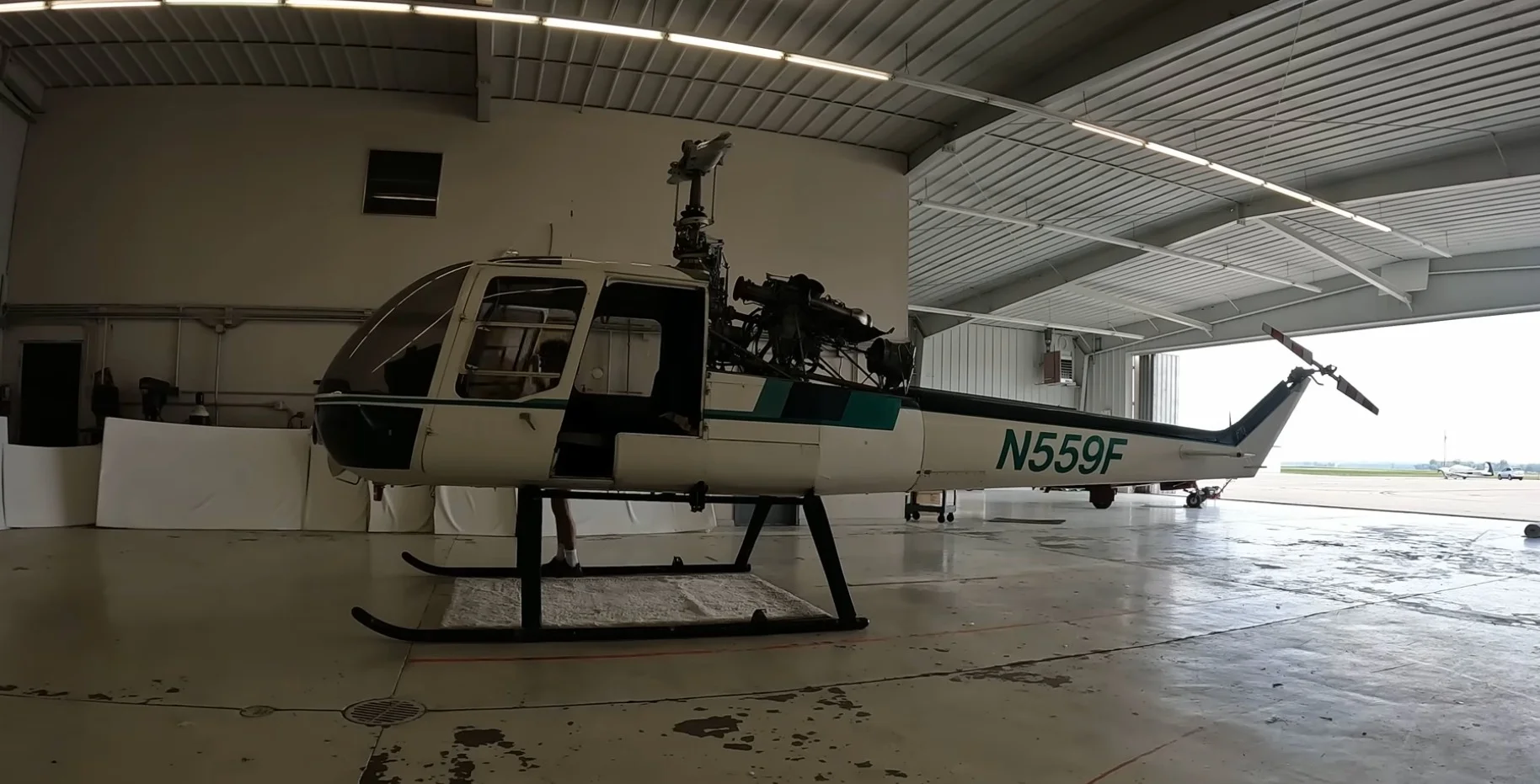
He and his team cleaned up the interior and exterior, installed new carpeting and a fresh headliner, a new glare shield, new seat belts, and new seats.
So far, so good.
But it’s not over yet.
The FH1100 is almost ready to fly, but it isn’t yet airworthy.
Matt is confident he’ll be able to fly it again, which is a win, but then he’ll need approval, and that’s going to be tough.
So stay tuned for that.

Alessandro is an automotive journalist with 10 years of experience covering supercars, automotive history, emerging vehicle technology, and luxury transportation. He wrote the first article published on SupercarBlondie.com when the website launched in 2022 and has since built a reputation for insightful reporting across the automotive and transportation industries. His expertise is grounded in hands-on experience. Alessandro has driven every Tesla model ever produced, from the original Roadster to the Cybertruck, and regularly covers the latest developments in electric vehicles and automotive innovation. His passion for transportation extends beyond cars, he has even flown a Boeing 787 Dreamliner simulator in Addis Ababa, Ethiopia. His reporting spans everything from classic American muscle cars and rare automotive discoveries to luxury yachts, private aircraft, high-end watches, and cutting-edge vehicle technology. Known for his deep knowledge of automotive history and ability to uncover the stories behind iconic vehicles, Alessandro brings readers a blend of historical context, technical expertise, and first-hand experience.