Aurora driverless trucks perform something humans legally can't do by completing 1,000-mile freight run without stops in 15 hours
Published on Feb 17, 2026 at 4:23 AM (UTC+4)
by Ben Thompson
Last updated on Feb 16, 2026 at 8:54 PM (UTC+4)
Edited by
Emma Matthews

Driverless trucks from Aurora Innovation have accomplished something that humans legally couldn’t – completing a 1,000-mile freight run in 15 hours without stopping once.
The Pittsburgh-based company has completed 250,000 miles of driverless travel overall, in what the CEO is heralding as ‘the dawn of a superhuman future’.
We’ve seen more and more driverless vehicles in recent years.
So that raises the question – why is this such a big deal?
EXPLORE SBX CARS – Supercar auctions starting soon powered by Supercar Blondie
Driverless trucks from Aurora have clocked in an impressive mileage
Currently, Aurora dispatches driverless trucks across routes between Dallas and Houston, Fort Worth and El Paso, El Paso and Phoenix, Fort Worth and Phoenix, and Laredo and Dallas.
Some of these trucks do contain a human observer, but all drive autonomously.
Covering a 1,000-mile journey takes these trucks around 15 hours.
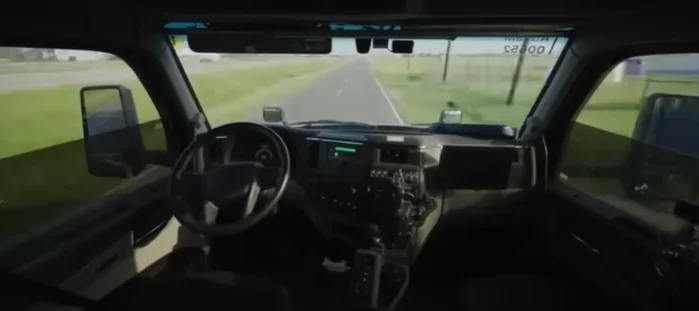
That is a lot quicker than it would have taken with a human driver, who is legally required by federal law to take breaks during such long journeys.
A semitruck can only be operated for a maximum of 11 hours, with a 10-hour break required after this threshold is reached.
Even a 8 hour journey requires a 30-minute break.
This is obviously done to give the drivers time to rest and to reduce the chances of an accident occurring due to exhaustion.
Driverless trucks need no such requirement.
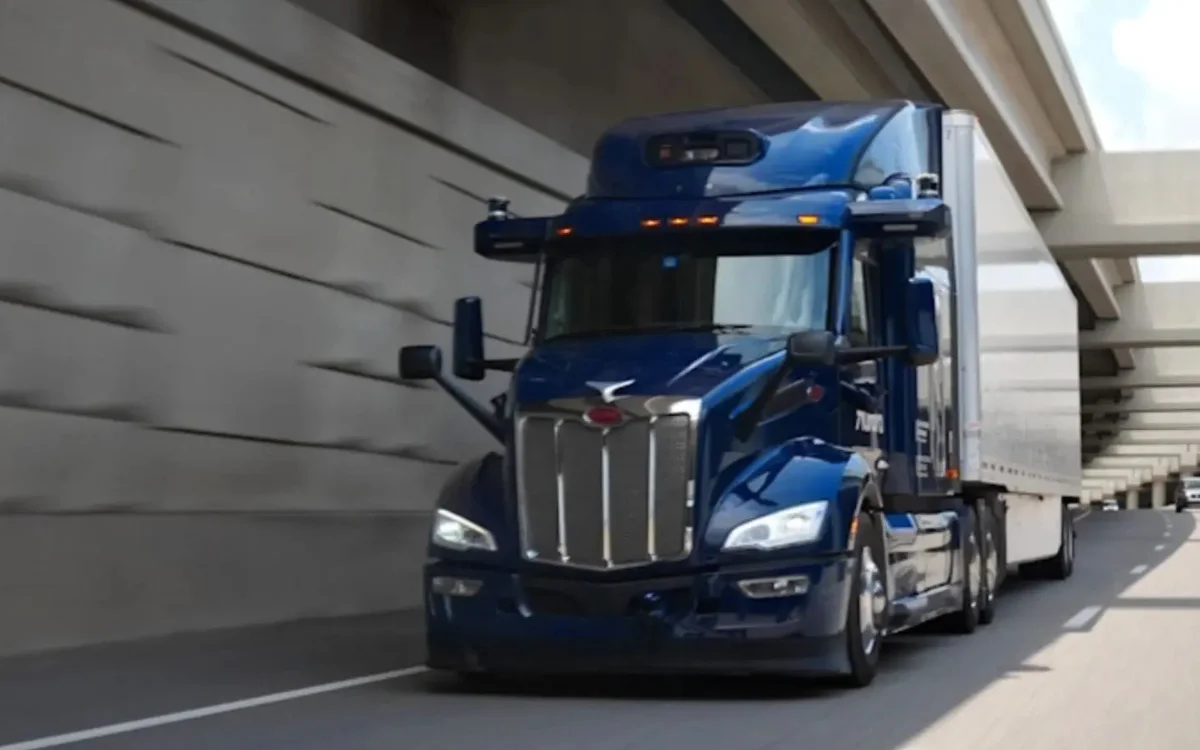
With clients like Uber Freight and FedEx, this recent achievement for Aurora Innovation marks a huge landmark in the ongoing transition to driverless vehicles.
Click the star icon next to supercarblondie.com in Google Search to stay ahead of the curve on the latest and greatest supercars, hypercars, and ground-breaking technology
Cars without drivers – the new normal?
These days, it seems that everywhere you look, there are cars being driven without humans at the wheel.
Waymo is perhaps the most prominent example of this, with Uber also competing for the mantle of self-driving taxis.
They’ve even made their way into Grand Theft Auto.
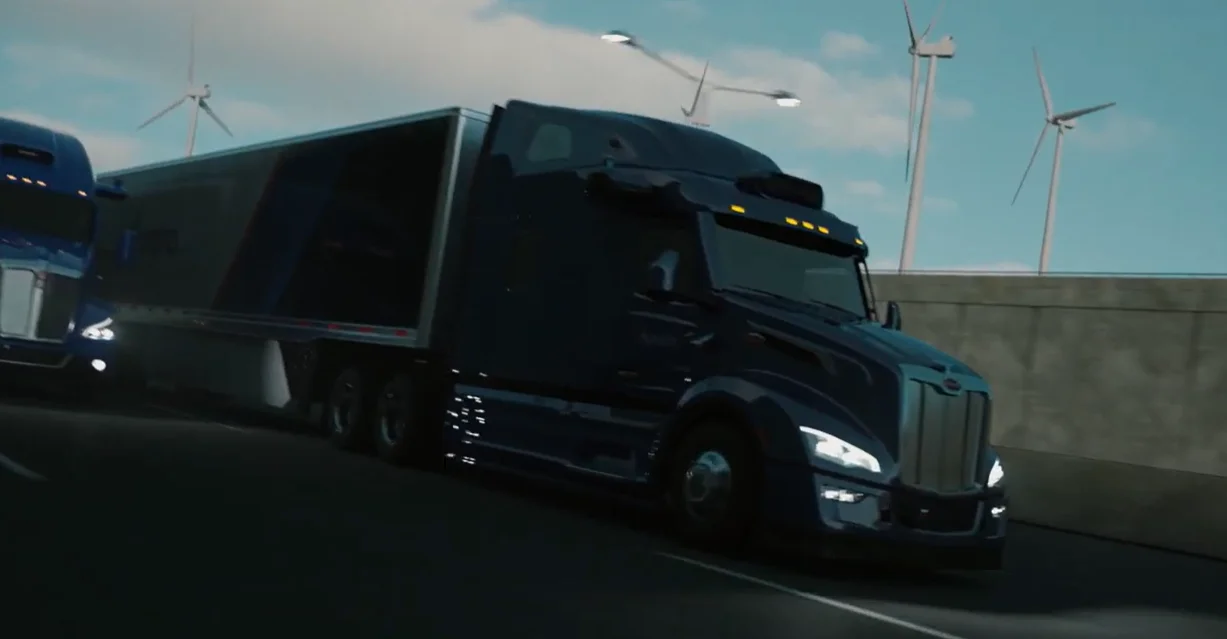
Although the concept will no doubt give many people pause for thought, work is being done to ensure that this is as safe as possible.
For example, a new self-driving car chip has been unveiled, which could detect danger four times faster than humans.
Timeline of driverless cars
1984-1987: First autonomous prototypes are developed by Carnegie Mellon University and Mercedes-Benz/Bundeswehr University Munich.
1994: A Mercedes autonomous vehicle drives long highway distances in traffic.
2004-2007: The DARPA Grand Challenge is hosted, intending to accelerate the development of self-driving vehicles for military use.
2009: Google launches a self-driving car project, which later becomes Waymo.
2013-2014: Tesla introduces Autopilot.
2016: Uber begins autonomous taxi trials.
2018: Waymo launches its first limited commercial robotaxi service.
2020: Waymo opens driverless services with no safety driver in Phoenix.
2024: Driverless freight pilots expand in the US.
DISCOVER SBX CARS: The global premium car auction platform powered by Supercar Blondie
Following stints at LadBible, The Sun, The New York Post, and the Daily Mail, Ben joined the team full-time in February 2025. In his role as Senior Content Writer, his sparkling copy, the ability to sniff out a good story at 100 paces, and a GSOH quickly led to him becoming an integral and invaluable member of the writing staff.