Engineers build a fully autonomous DIY submarine that navigates underwater without GPS
Published on Feb 03, 2026 at 5:55 AM (UTC+4)
by Molly Davidson
Last updated on Feb 03, 2026 at 5:55 AM (UTC+4)
Edited by
Molly Davidson
Engineers have been trying to crack true underwater autonomy for years, and most attempts hit the same wall.
The ocean doesn’t care about GPS, remote controls, or second chances.
So when a DIY team decided to build a submarine that could navigate on its own, they knew this wouldn’t be a casual weekend project.
What they ended up creating is one of the most ambitious home-built underwater robots we’ve seen.
DISCOVER SBX CARS – The global premium auction platform powered by Supercar Blondie
A submarine that drives itself
Until now, the team behind CPSdrone had only built underwater drones that needed constant human control.
If you wanted it to move, turn, or dive, someone had to be on the sticks the entire time.
This build flipped that idea.
The goal was to drop the submarine into the water, press start, and let it handle the rest on its own.
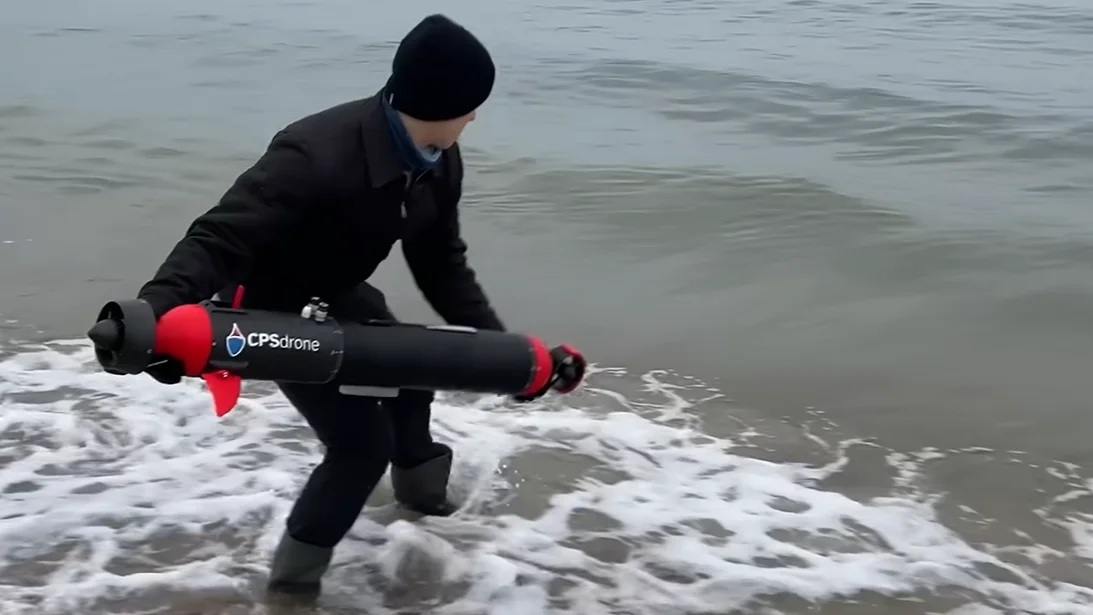
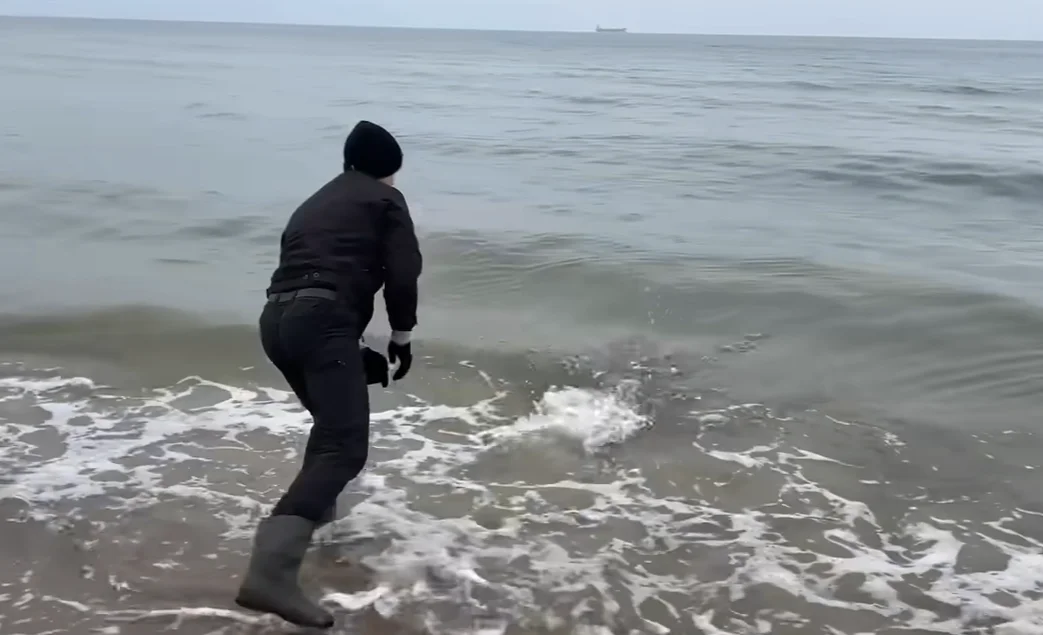
That’s where things got tricky.
GPS doesn’t work underwater, radio signals fade almost instantly, and this submarine needed to travel much farther than anything they’d built before.
While staying powered for up to 12 hours.
But it turns out the design solution was surprisingly simple.
They built the submarine around a long aluminum tube.
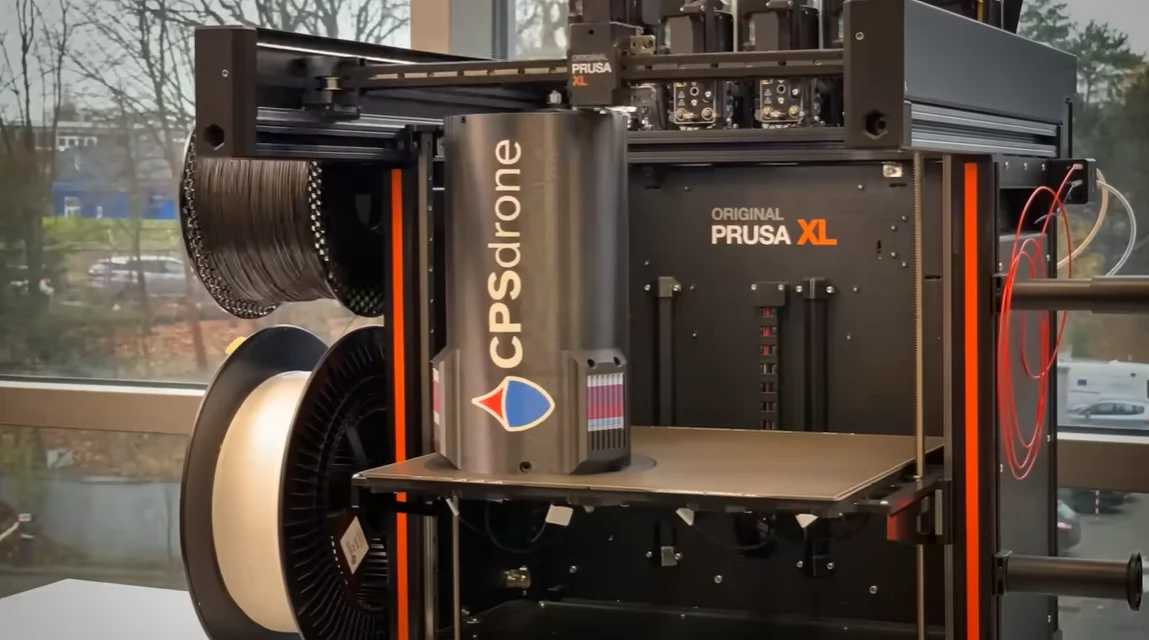
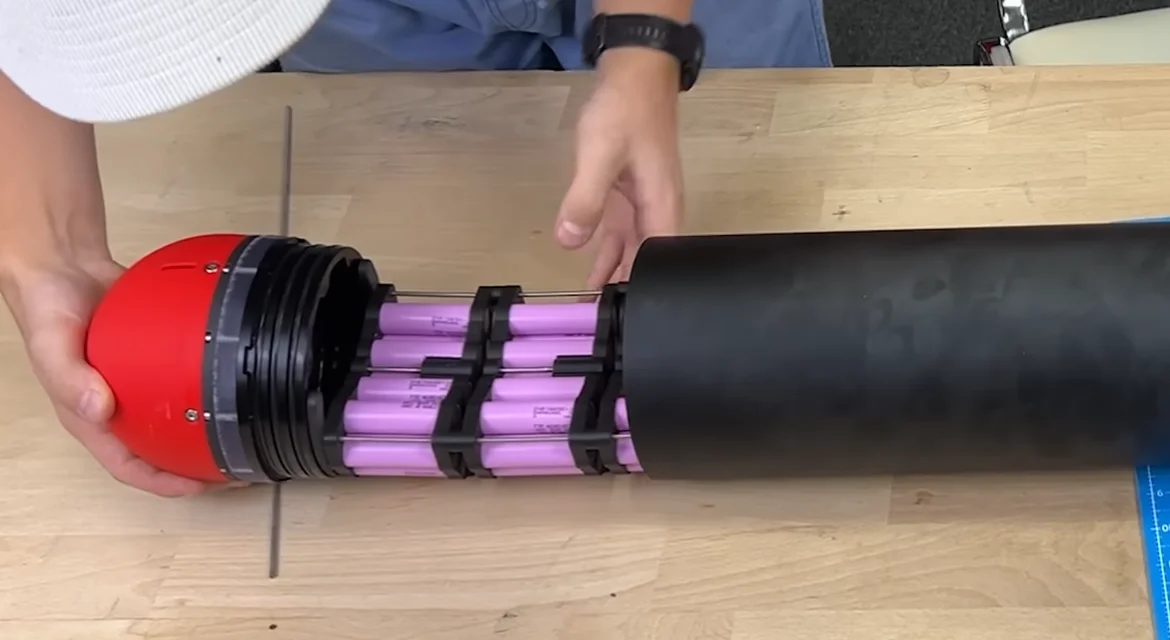
It’s slim, efficient in the water, and leaves plenty of room inside for batteries without creating extra drag.
To save energy, they kept the hardware minimal.
One main motor pushes it forward, and fins handle steering.
Fewer moving parts means less power use and fewer chances for something to fail.
Navigation was the hardest problem to solve.
Professional underwater tracking systems are extremely expensive, so the team used a floating GPS buoy attached by a short tether.
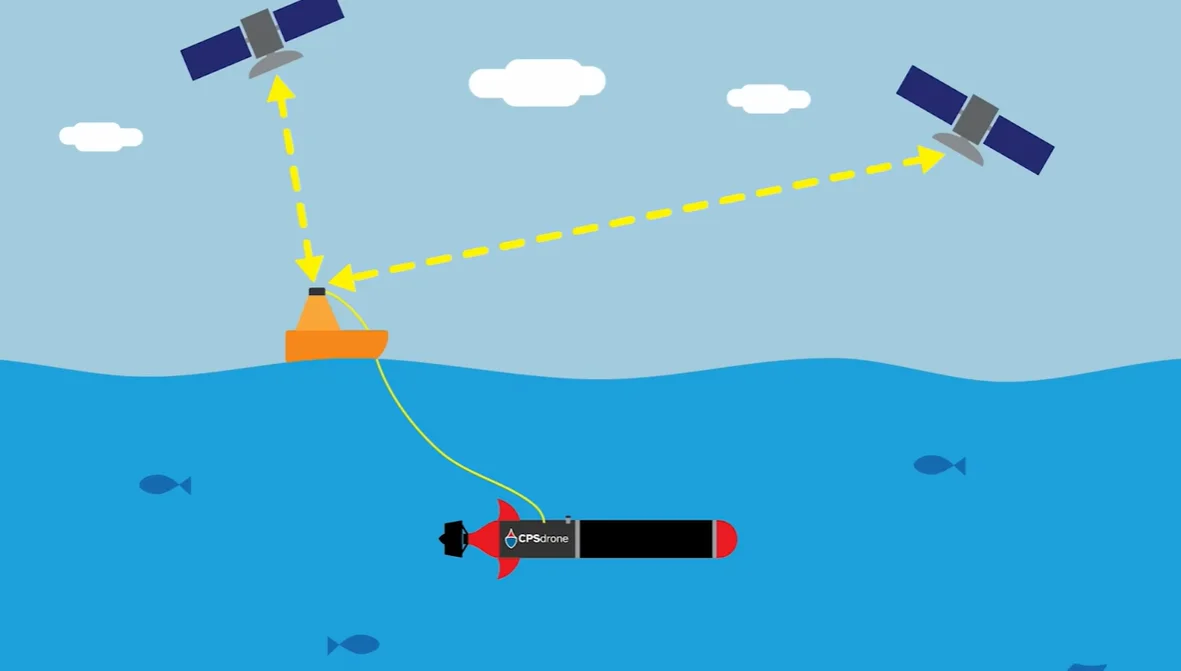
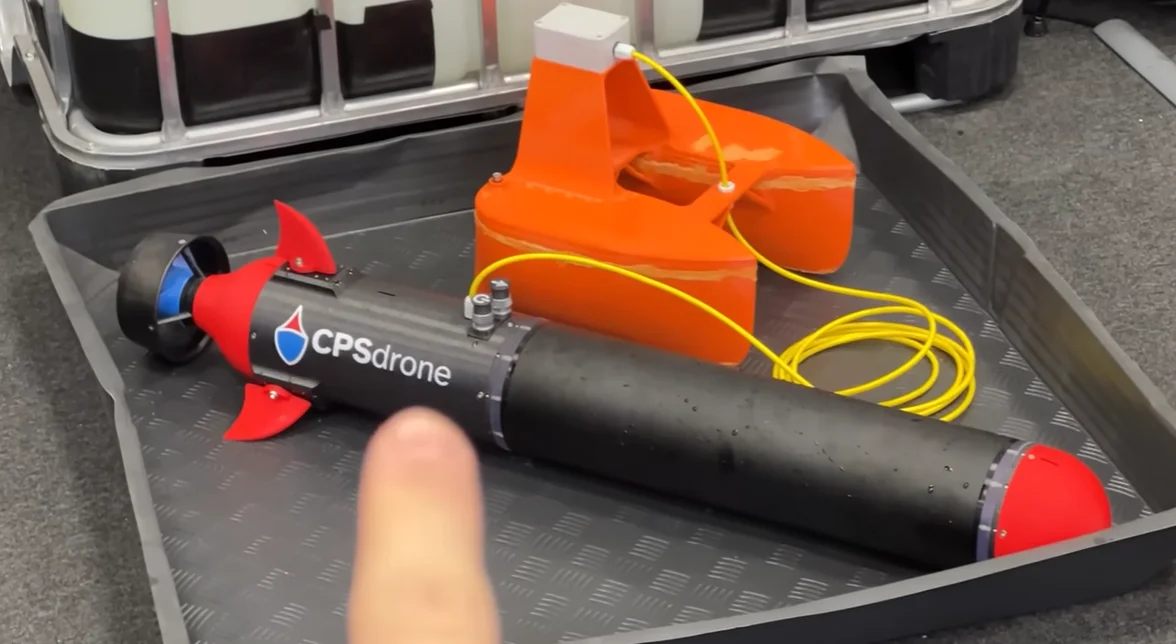
The buoy stays on the surface, tracks position, and gives the submarine a usable sense of where it is.
Early tests were messy, but after some quick fixes, the submarine completed its first fully autonomous mission.
No hands required.
Click the star icon next to supercarblondie.com in Google Search to stay ahead of the curve on the latest and greatest supercars, hypercars, and ground-breaking technology
Autonomous underwater robots are no longer sci-fi
What makes this project special isn’t just that it worked.
It’s that it didn’t rely on million-dollar tech.
By using affordable parts and smart shortcuts, the team showed that long-range underwater robots aren’t just for governments and research labs anymore.
Right now, the buoy limits how deep it can go, but future upgrades like sonar could change that.
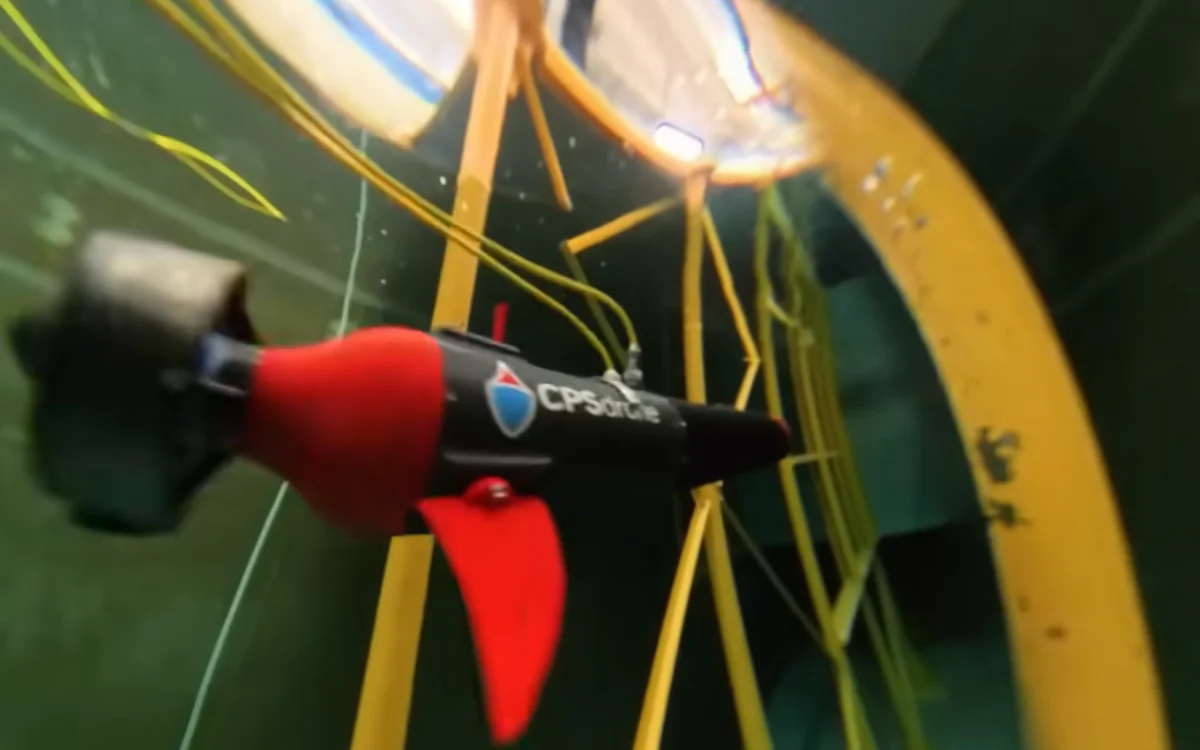
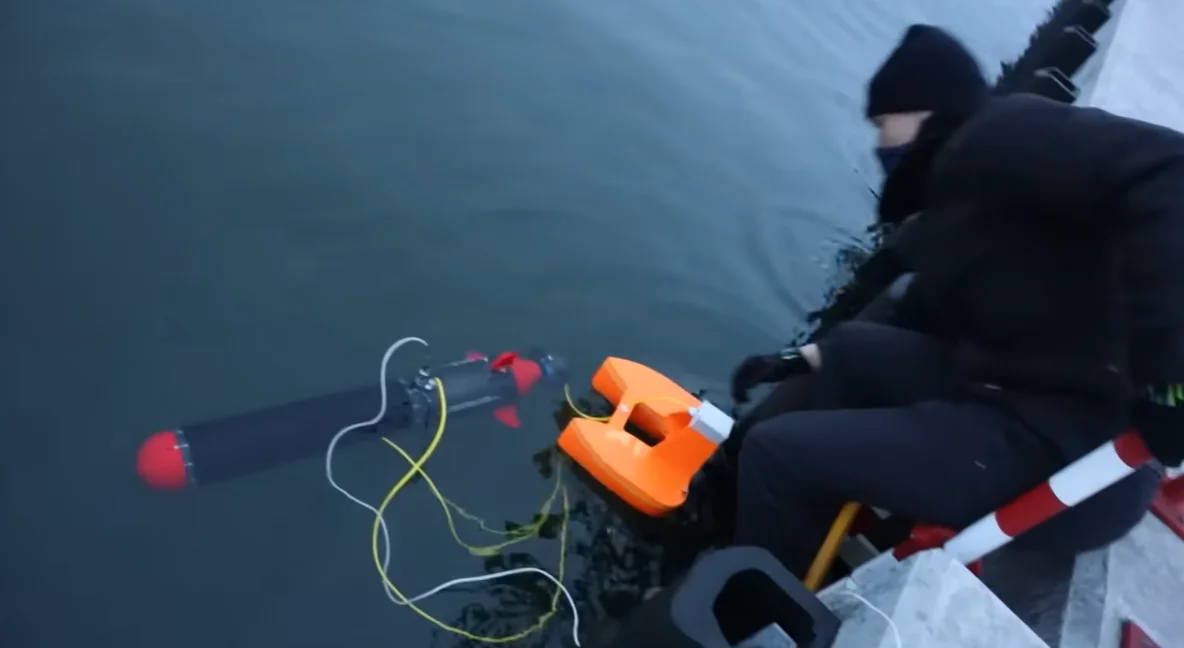
Next up, they plan to cut the safety tether and let the submarine roam farther on its own.
At that point, the project shifts from a controlled test to something that has to survive on its own.
Out in open water, there’s no backup plan.
The submarine either works, or it’s gone.

DISCOVER SBX CARS: The global premium car auction platform powered by Supercar Blondie
With roles at TEXT Journal, Bowen Street Press, Onya Magazine, and Swine Magazine on her CV, Molly joined Supercar Blondie in June 2025 as a Junior Content Writer. Having experience across copyediting, proofreading, reference checking, and production, she brings accuracy, clarity, and audience focus to her stories spanning automotive, tech, and lifestyle news.