Bill Gates imported a banned supercar but after 13 years of it being impounded, the law changed and he finally drove it
Published on Feb 27, 2026 at 1:21 PM (UTC+4)
by Alessandro Renesis
Last updated on Feb 27, 2026 at 9:35 PM (UTC+4)
Edited by
Mason Jones


Back in the 1980s, Bill Gates bought a banned luxury vehicle, but he ended up spending a fortune on this supercar twice.
First, he clearly spent a pretty penny when he bought it.
But then he had to spend almost the same amount again due to an annoying bureaucratic hurdle.
But he never gave up, and, believe it or not, this led to a major legal change in the US.
DISCOVER SBX CARS: The global premium car auction platform powered by Supercar Blondie
Bill Gates’ stubbornness shaped the law
In the 1980s, Bill Gates imported the then-illegal Porsche 959 from Europe.
The car was not street-legal in the US, which is why it was impounded immediately upon arrival.
According to US customs, it failed to meet federal safety and emission rules, which is why authorities were happy to seize it and park it in a container at the docks.
Gates refused to send his Porsche 959 back, and he started a major legal battle that cost him a small fortune.
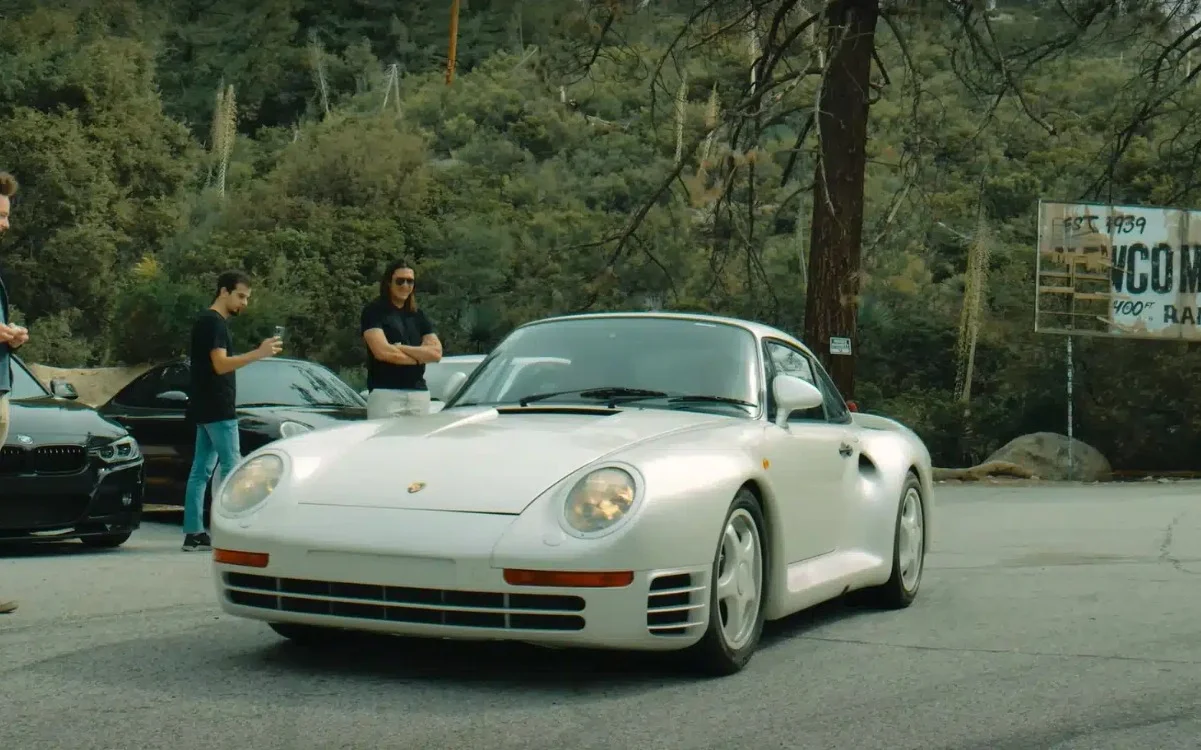
Gates ended up paying $28 every day the car remained seized, plus a $500 annual bond.
And he did that for a grand total of 4,747 days, so basically over 13 years.
Over a decade and $133,000 later, Congress relented and brought in a law for such cases.
It’s called the ‘Show and Display‘ rule, which allows collectors to import any car they want as long as the vehicle is ‘historically and technologically significant’, and as long as you keep the car mileage below 2,500 miles per year.
Click the star icon next to supercarblondie.com in Google Search to stay ahead of the curve on the latest and greatest supercars, hypercars, and ground-breaking technology
Not to be confused with another similar rule
The Show and Display rule is often confused with a similar rule that everyone colloquially calls the ’25-year’ import rule.
Both rules serve the same purpose – they allow you to make imported cars street-legal – but they’re different for two reasons.
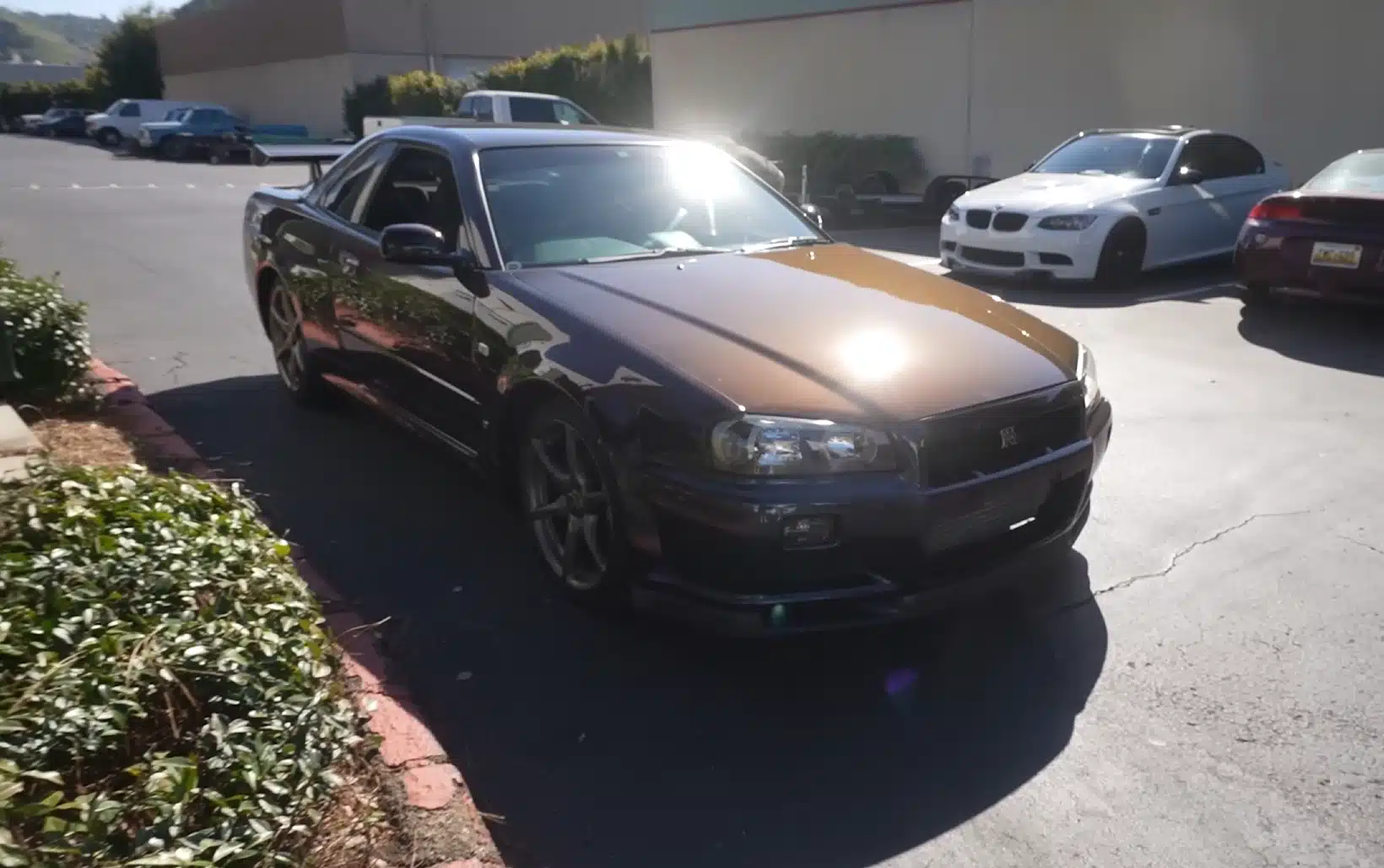
First, unlike the Show and Display rule, the 25-year import rule imposes no limits on how much you can drive the car.
You don’t have to stick to 2,500 miles per year: you can drive the car as much as you want.
Second, the 25-year import rule allows you to import basically any car you want – from iconic classics like the Lotus Exige or the Nissan Skyline (above) to unusual Japanese minivans.
A 1990s Suzuki Carry van is just as legal as a Ferrari.
Timeline of Porsche
1931: Ferdinand Porsche founded Dr. Ing. h.c. F. Porsche GmbH in Stuggart as an engineering consultancy.
1945 – 1947: After WWII, the company relocated temporarily to Austria.
1948: The first car to bear the brand’s name is completed – the Porsche 356.
1950: Porsche returned to Stuggart-Zuffenhausen, rolling out production of the 356.
1963: The Porsche 911 debuts at the Frankfurt Motor Show.
1964: 911 production begins, as it becomes the brand’s defining model.
Late 1960s: Models like the 908 and 917 dominate endurance racing.
1974: Introduction of the 911 Turbo (930) brings turbocharging to road cars.
1986: The company wins Le Mans with the 962.
1996: The Boxster (986) helps put the company back on steady ground after a few years of financial difficulties.
2001: Porsche enters the SUV market with the Cayenne.
2009: The Panamera is launched as the company’s first four-door sports sedan.
2020: The company’s first fully electric sports car, the Taycan, is launched
2021 – 2024: The hybrid and EV lineups are expanded.
After beginning his automotive writing career at DriveTribe, Alessandro has been with Supercar Blondie since the launch of the website in 2022. In fact, he penned the very first article published on supercarblondie.com. He’s covered subjects from cars to aircraft, watches, and luxury yachts - and even crypto. He can largely be found heading up the site’s new-supercar and SBX coverage and being the first to bring our readers the news that they’re hungry for.