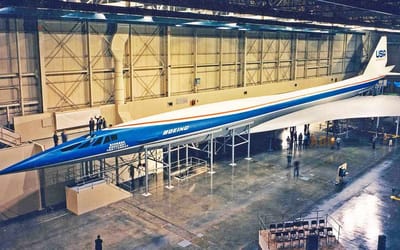
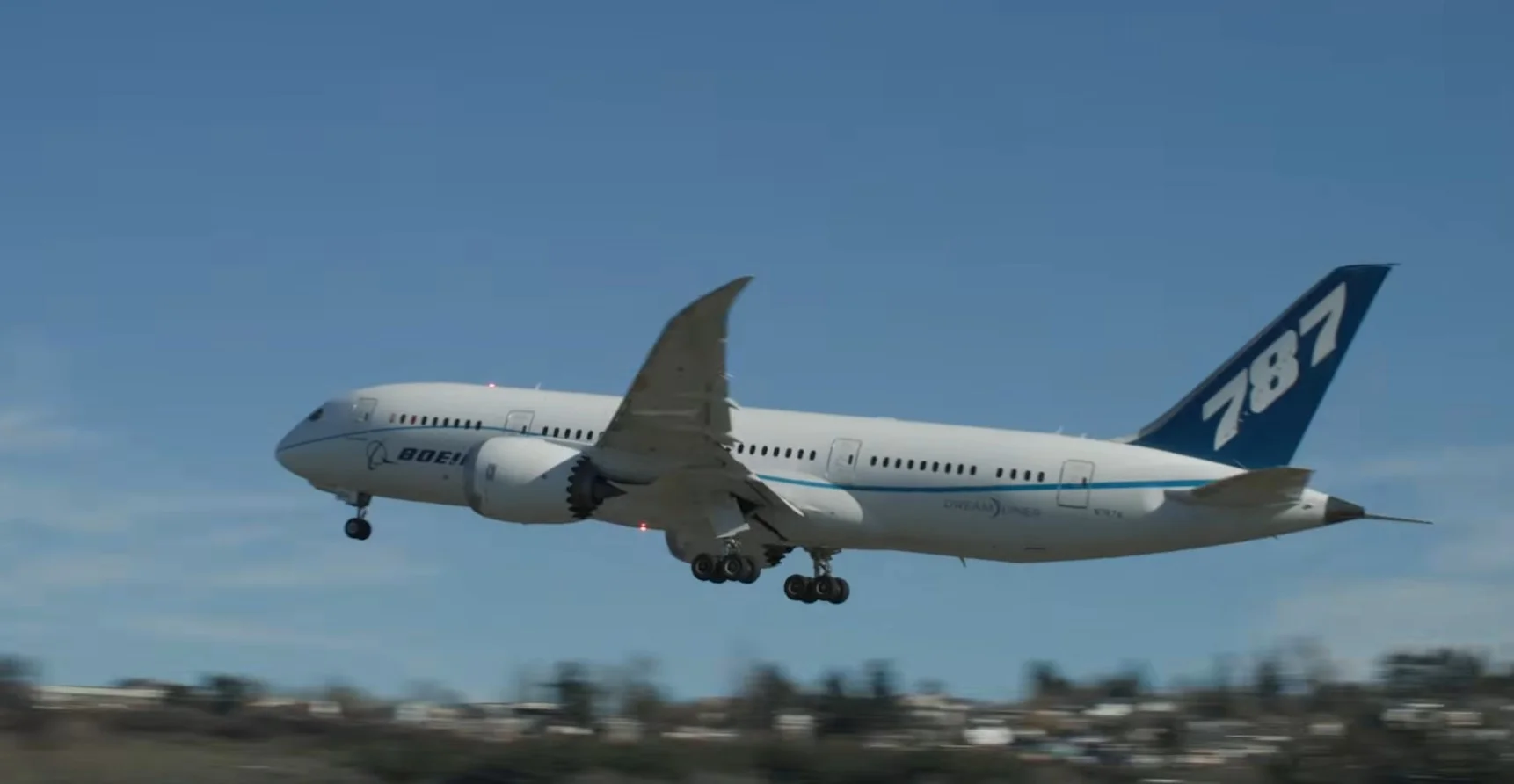
Boeing 787-8 test airplane takes to the skies for its final ever flight
Published on Feb 17, 2026 at 2:07 PM (UTC+4)
by Callum Tokody
Last updated on Feb 17, 2026 at 9:36 PM (UTC+4)
Edited by
Emma Matthews

The Boeing 787-8 test aircraft that spent years doing the hard, repetitive work of Dreamliner flight testing has taken to the skies for a final time.
This plane never carried passengers and never flew scheduled routes, instead serving as the primary test bed for the Boeing Dreamliner programme.
Over its life, it helped refine many of the technologies that now feel standard on modern airliners.
Its final flight closes a long, steady chapter in Dreamliner history, and raises a simple question about what comes next once the flying stops.
VISIT SBX CARS – View live supercar auctions powered by Supercar Blondie
Boeing 787-8 and life inside Dreamliner test flying
The Boeing 787-8, known inside Boeing as ZA004, joined the Dreamliner test fleet back in 2010.
In practical terms, that meant it did what other jets never do. It flew the same routes, followed the same profiles, and logged hours that nobody outside the industry ever saw.
Across more than 670 flights, the Boeing 787-8 built up over 2,250 flight hours.
That was part of a much bigger machine. The wider Dreamliner programme has delivered more than 1,200 jets that have flown millions of flights around the world.
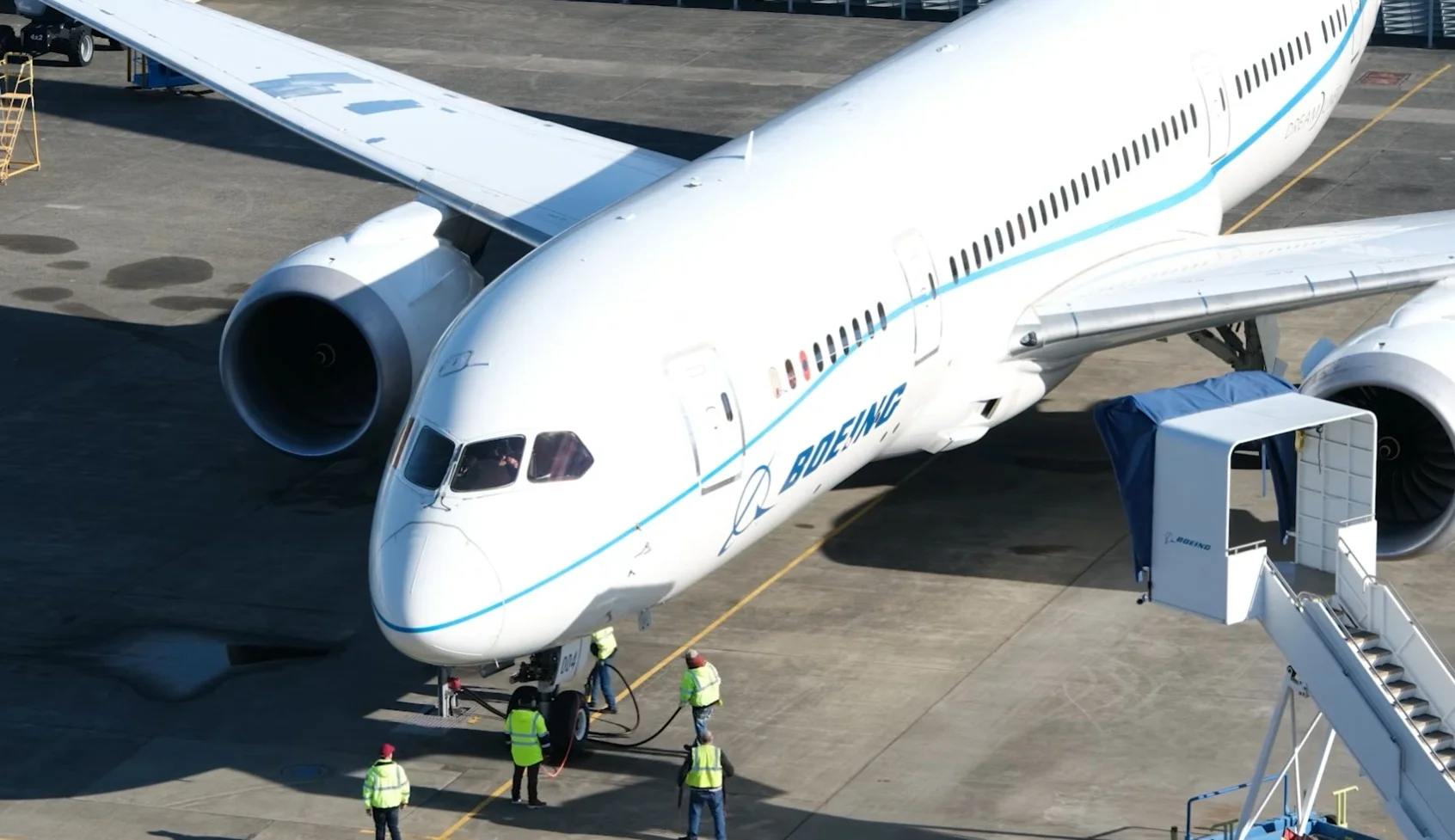
As of 2025, the Dreamliner family has carried more than one billion passengers across nearly five million flights and more than 30 million hours in the air.
Today’s commercial 787s are known for quieter cabins, longer range, and improved fuel economy.
Boeing says the aircraft family was designed to be significantly more efficient than earlier jets.
That real-world performance emerged from a mix of new materials, aerodynamics, and engine work that the Boeing 787-8 helped test and confirm.
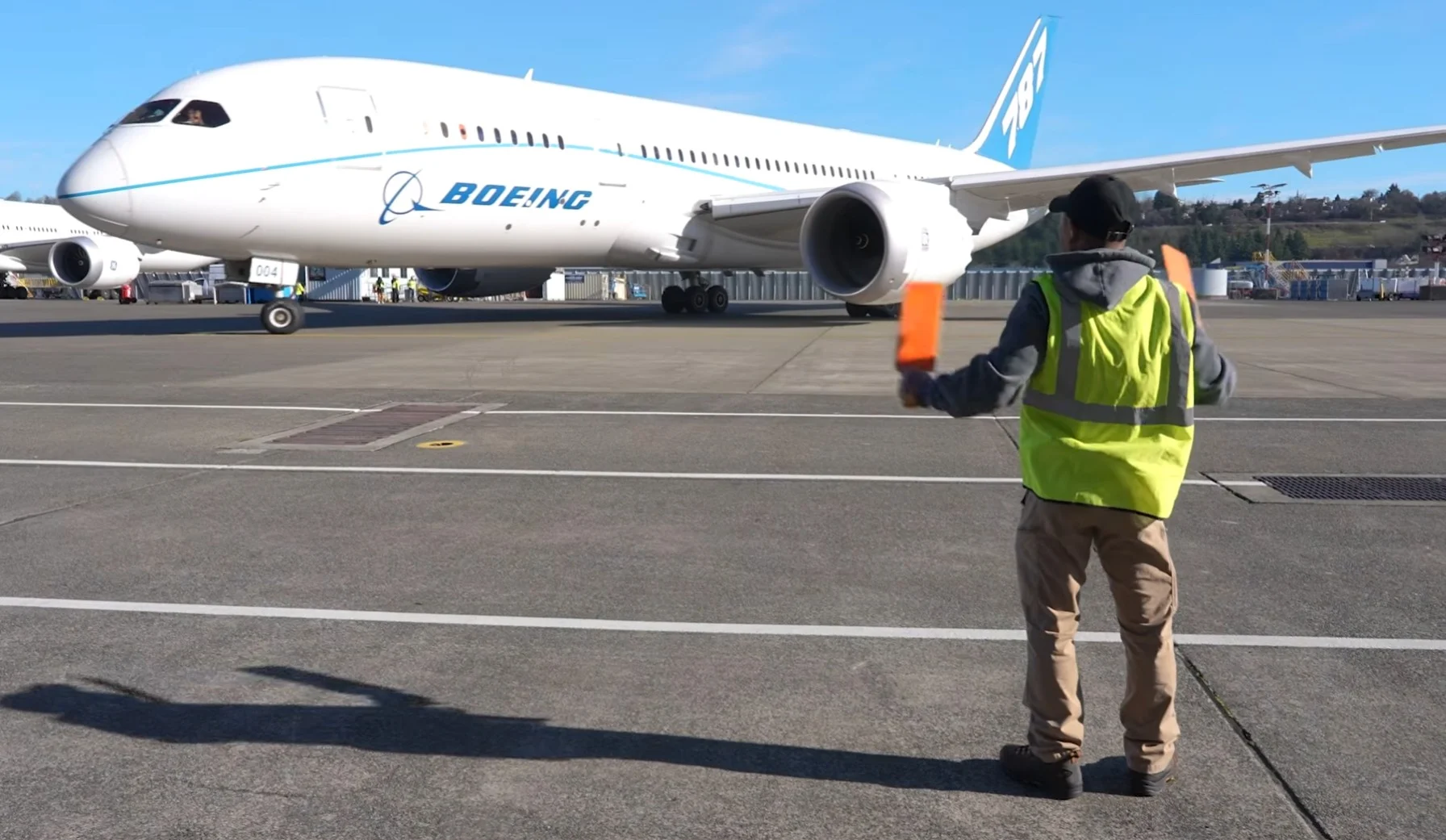
The Boeing 787-8 also carried much of the early problem-solving work.
When software or system updates were needed, this aircraft was often the first to fly them.
And when engineers needed fresh data, it was the Boeing 787-8 that went back out.
That kind of testing isn’t glamorous, but it is essential. One aircraft keeps flying until questions are answered and results are clear.
Engines were another big part of the routine.
Over its life, the Boeing 787-8 flew with several Rolls-Royce Trent 1000 engines. Some flights were about seeing how those engines held up over long hours in the air.
That kind of work helped airlines gain confidence in using the Dreamliner on long routes that few aircraft could manage before.
In 2014, the Boeing 787-8 also joined Boeing’s ecoDemonstrator programme.
On those flights, crews tried ideas aimed at making future jets cleaner and more efficient.
They tested lighter systems, surface coatings to reduce ice buildup, and tweaks to landing approaches aimed at reducing fuel use.
This was quiet work that most passengers would never notice, but the outcomes fed into tweaks across the fleet.
What happens once flight testing stops
As the Boeing 787-8 approached a major maintenance milestone, Boeing chose not to keep it flying.
Instead, it made one last trip from Seattle to storage in Arizona. By then, its role in Dreamliner flight testing had run its course.
But even on the ground, the Boeing 787-8 still has a use.
Parts from the aircraft will go to training and act as spares for jets still flying. Engineers can also study parts that spent years in everyday use to improve maintenance planning and long-term reliability.
This Boeing 787-8 never carried paying passengers or flew scheduled routes.
Its value came from showing up, every day, and doing the same job until there were no more questions left to answer.
Years of flight testing helped shape how the Dreamliner performs today. That work barely showed itself to the flying public, but it is there every time a 787 lifts off.
DISCOVER SBX CARS: The global premium car auction platform powered by Supercar Blondie