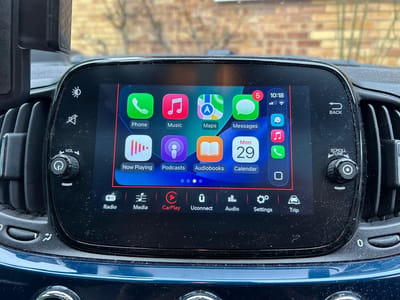
Bugatti CEO Mate Rimac issues blunt message to European automakers and takes aim at screens in cars
Published on Nov 28, 2026 at 9:00 PM (UTC-5)
by Alessandro Renesis
Last updated on Nov 28, 2026 at 9:00 PM (UTC-5)
Edited by
Mason Jones


Bugatti CEO Mate Rimac has a message for European automakers and involves big screens in cars.
In his view, many automakers are playing catch-up, and they can’t win.
What should they do? There are a couple of options, according to the CEO of Bugatti.
But some people are saying that still wouldn’t be enough.
What Mate Rimac said about European automakers
In Mate’s view, focusing on the same things China is focusing on – big screens, tech, volume – is a losing strategy.

He believes that spending millions on consultants is a waste of money.
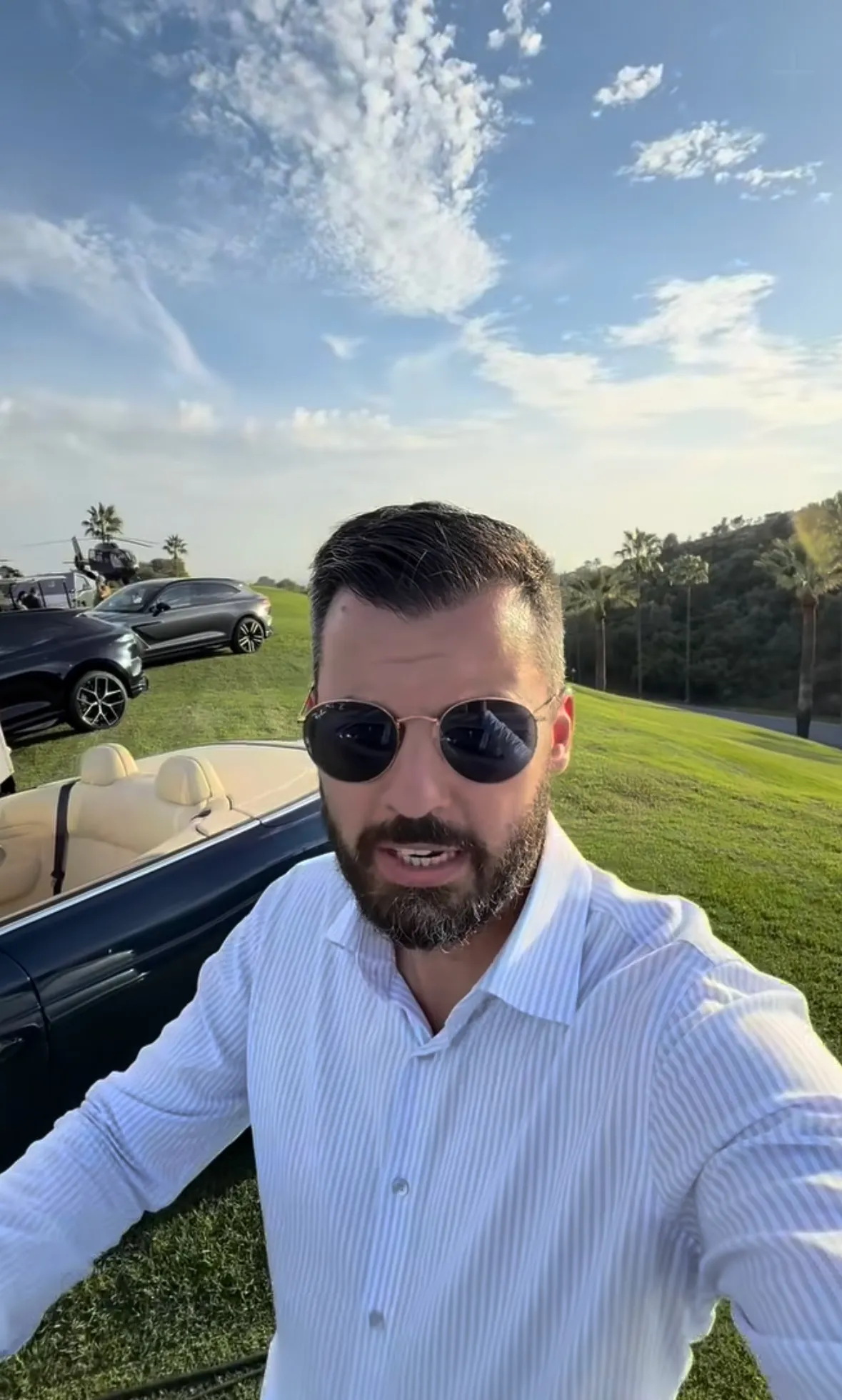
“[European automakers] are running around paying tens of millions or hundreds of millions to consultants. I’ll save you that money,” Rimac said before gesturing toward a Rolls-Royce at a car event.
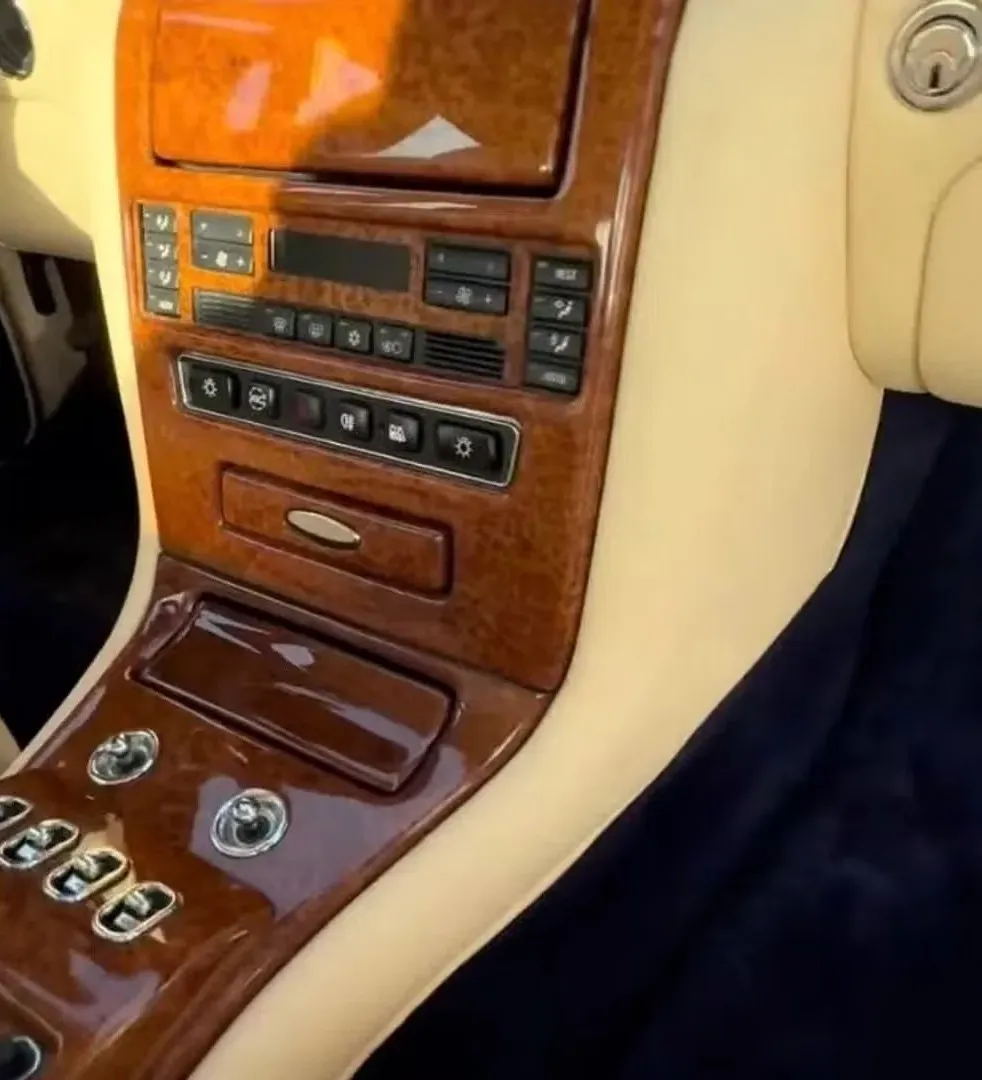
“What you should not do is what everyone else is doing and where the Chinese will be very hard to beat – big screens, faster charging times – and instead, you should be doing this.”
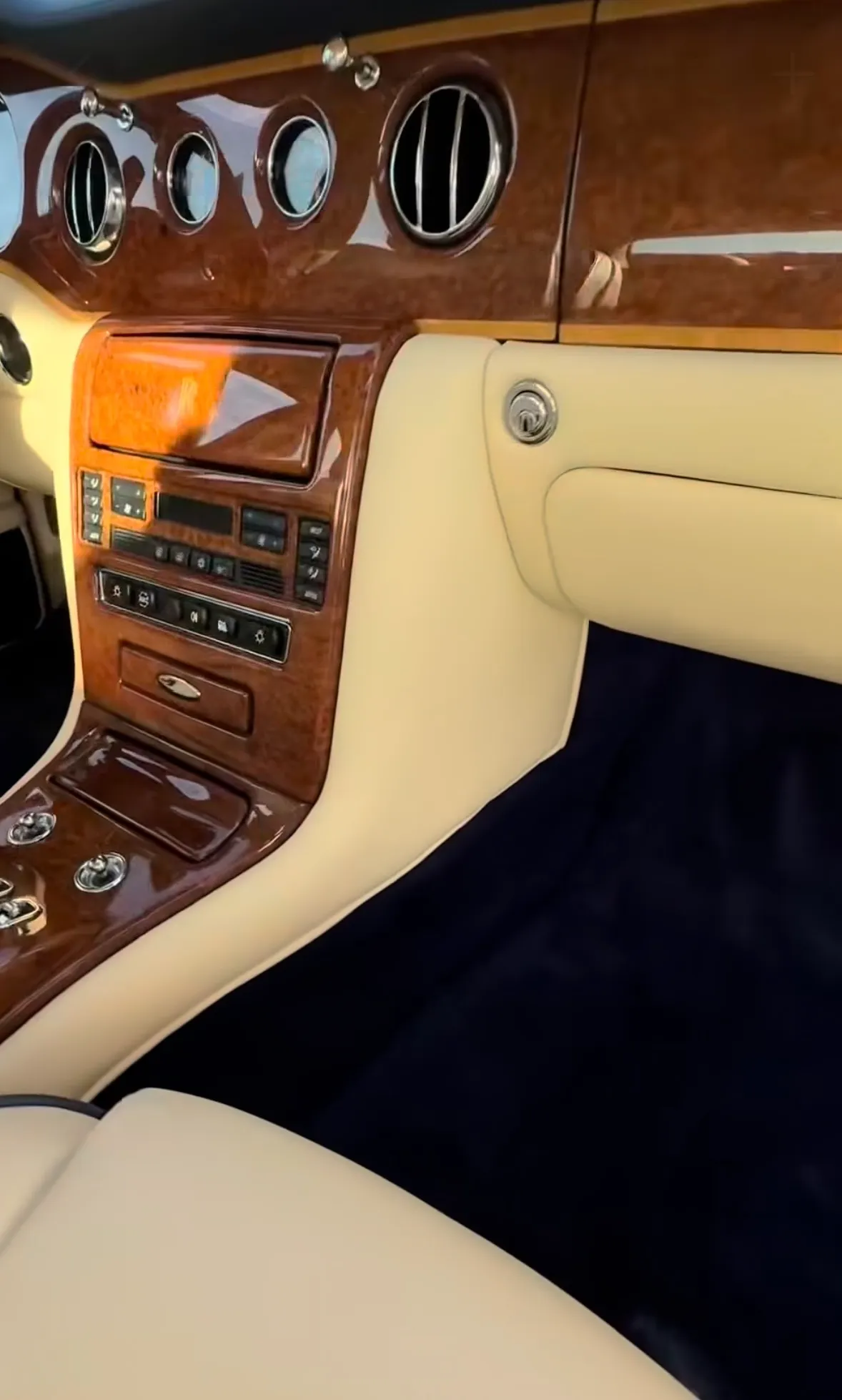
And by ‘this’, he was referring to the build quality of the Rolls-Royce he was standing beside.
Mate Rimac also made his point visually by highlighting the craftsmanship of the metal air vents, the wood trim, and the soft carpeting.

Why Mate Rimac keeps returning to the Swiss watch analogy
The Bugatti CEO made a point he’s made before and that’s because this analogy correctly highlights the problem.
On more than one occasion, Rimac has said that Swiss watchmakers still capture around 90 percent of the industry’s profit even though they command only roughly 5 percent of global watch volume.
He’s often compared everyday electric cars with incredible tech to an Apple Watch.
“An Apple Watch or any kind of smartwatch can do many more things. But no one will pay 200,000 dollars for that,” Rimac said.
Why trying to match the Chinese is a losing game
For several reasons, Chinese automakers occupy a position no other industry can match.
As Rimac noted, trying to imitate Chinese rivals on cost structure and tech is difficult.
Two key factors stand out: population and vertical integration.
Population-wise, when you have more than 1.4 billion people who share a common language and are rowing in the same direction, it is easier to find good engineers.
And the Chinese are now learning from previous mistakes.
One area where they initially lagged was design, which is why they’re hiring European or European-trained designers.
Then there’s vertical integration.
When a European manufacturer builds a car, supply chain managers have to coordinate with suppliers across dozens of countries, languages, and regulations.

Most legacy automakers are still struggling to bring all of that in-house.
Chinese automakers build almost everything in-house, or at the very least domestically.
BYD, for example, owns and operates cargo ships to transport its own cars.
There’s a point that Mate Rimac did not make, though
Some industry observers pointed out that while Rimac’s principle is sound, there’s a flaw in this strategy.
Even if all of the above is true, two problems remain, and they’re interconnected.
Profit is good, but you still need volume.
Not everybody needs a watch, but most people need a car.
For the last 20 years or so, European automakers have relied on China for scale – alongside markets like Japan, the Middle East, the UK, Germany, and North America for high profit margins.
Now, the Chinese are buying their own cars.
And yes, some European manufacturers have established mildly successful joint ventures in the country, but that production and those profits remain mostly outside Europe.
With a huge market no longer easily accessible and legacy markets struggling amid tighter consumer budgets, the volume problem remains.
European manufacturers can still build high-end or ultra-high-end cars and sell them, but for every Bugatti there are thousands of VWs.
And it’s still unclear how automakers can replace millions of low- or mid-budget buyers who simply aren’t there anymore.
The best of Supercar Blondie, every Sunday
The week's best car stories, straight to your inbox. Free.
Alessandro is an automotive journalist with 10 years of experience covering supercars, automotive history, emerging vehicle technology, and luxury transportation. He wrote the first article published on SupercarBlondie.com when the website launched in 2022 and has since built a reputation for insightful reporting across the automotive and transportation industries. His expertise is grounded in hands-on experience. Alessandro has driven every Tesla model ever produced, from the original Roadster to the Cybertruck, and regularly covers the latest developments in electric vehicles and automotive innovation. His passion for transportation extends beyond cars, he has even flown a Boeing 787 Dreamliner simulator in Addis Ababa, Ethiopia. His reporting spans everything from classic American muscle cars and rare automotive discoveries to luxury yachts, private aircraft, high-end watches, and cutting-edge vehicle technology. Known for his deep knowledge of automotive history and ability to uncover the stories behind iconic vehicles, Alessandro brings readers a blend of historical context, technical expertise, and first-hand experience.