Chinese EV giant, BYD, is bringing chargers to Europe that go from 10 to 70 percent in five minutes and they are open to everyone
Published on Apr 14, 2026 at 3:20 AM (UTC-4)
by Molly Davidson
Last updated on Apr 14, 2026 at 11:48 AM (UTC-4)
Edited by
Emma Matthews
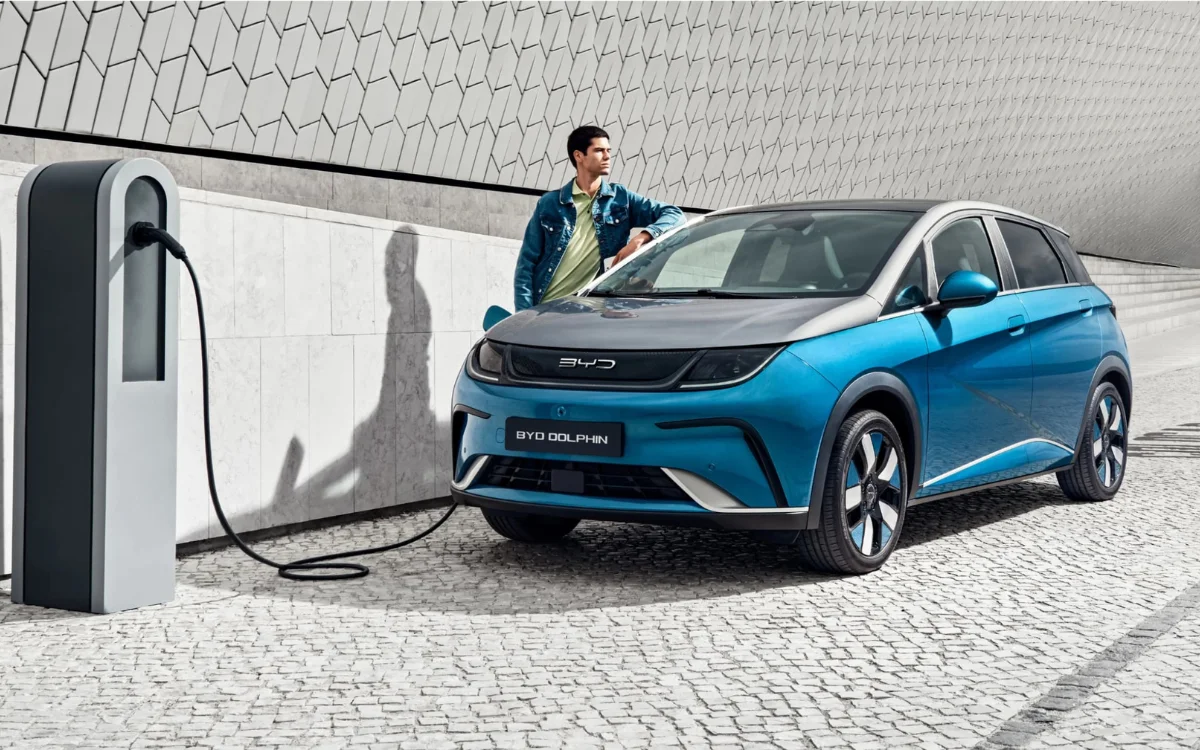

BYD is bringing some of the fastest EV charging ever seen to Europe.
The numbers sound almost unrealistic, with claims of adding most of a battery in the time it takes to grab a coffee.
It’s the kind of leap that could finally put one of the biggest EV concerns to bed.
But according to people who already drive electric, that problem might not exist anymore anyway.
The BYD breakthrough that promises to change everything
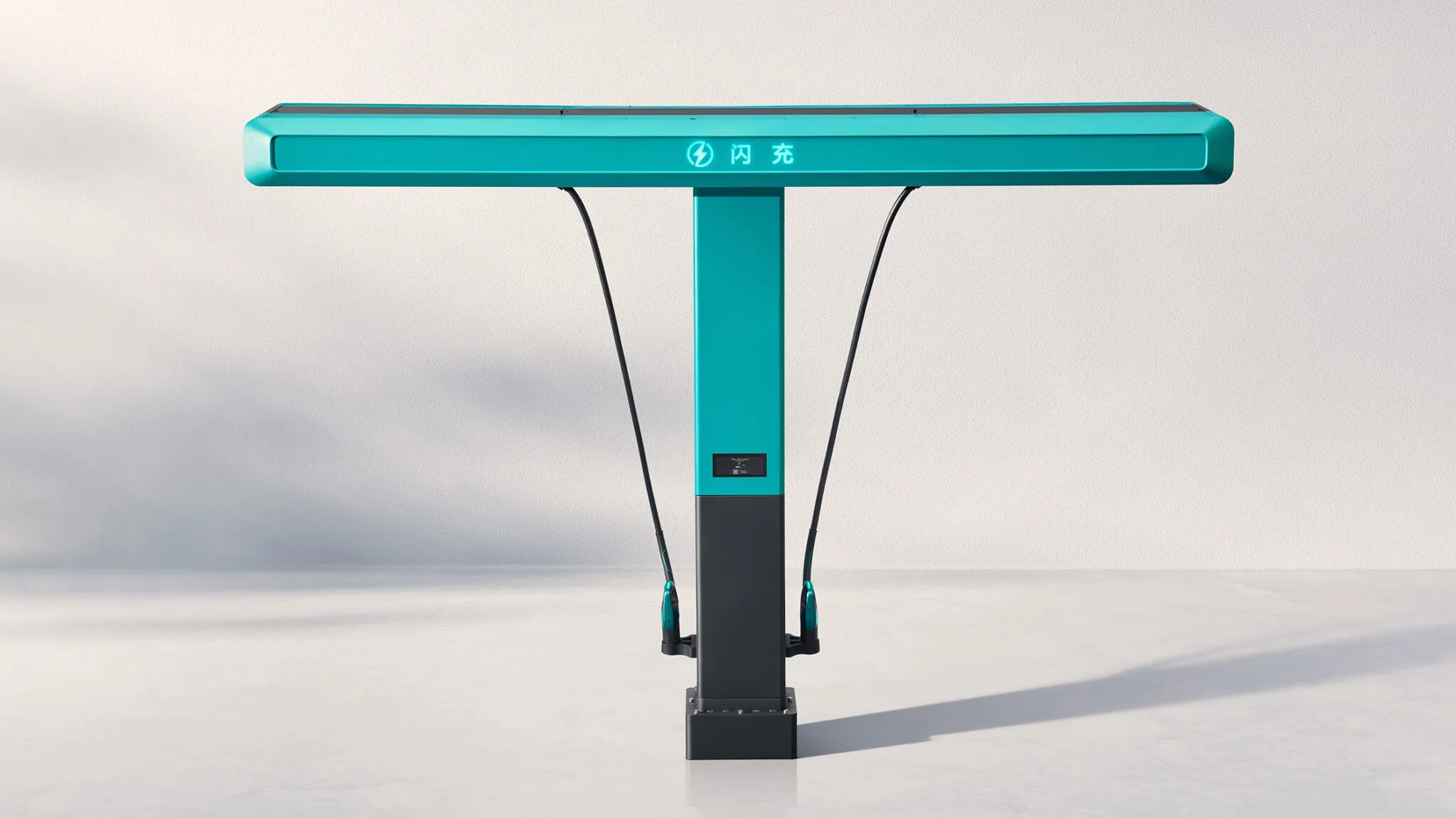
BYD has confirmed it’s rolling out its new megawatt ‘Flash Charging’ network across Europe, with plans for 3,000 stations in the next 12 months as part of a wider 6,000-site global push.
The hardware is on another level.
These EV chargers can deliver up to 1,500kW, and paired with BYD’s latest battery tech, the company says compatible cars can go from 10-70 percent in just five minutes, or up to 97 percent in nine.
Just as important, this won’t be locked to one brand.
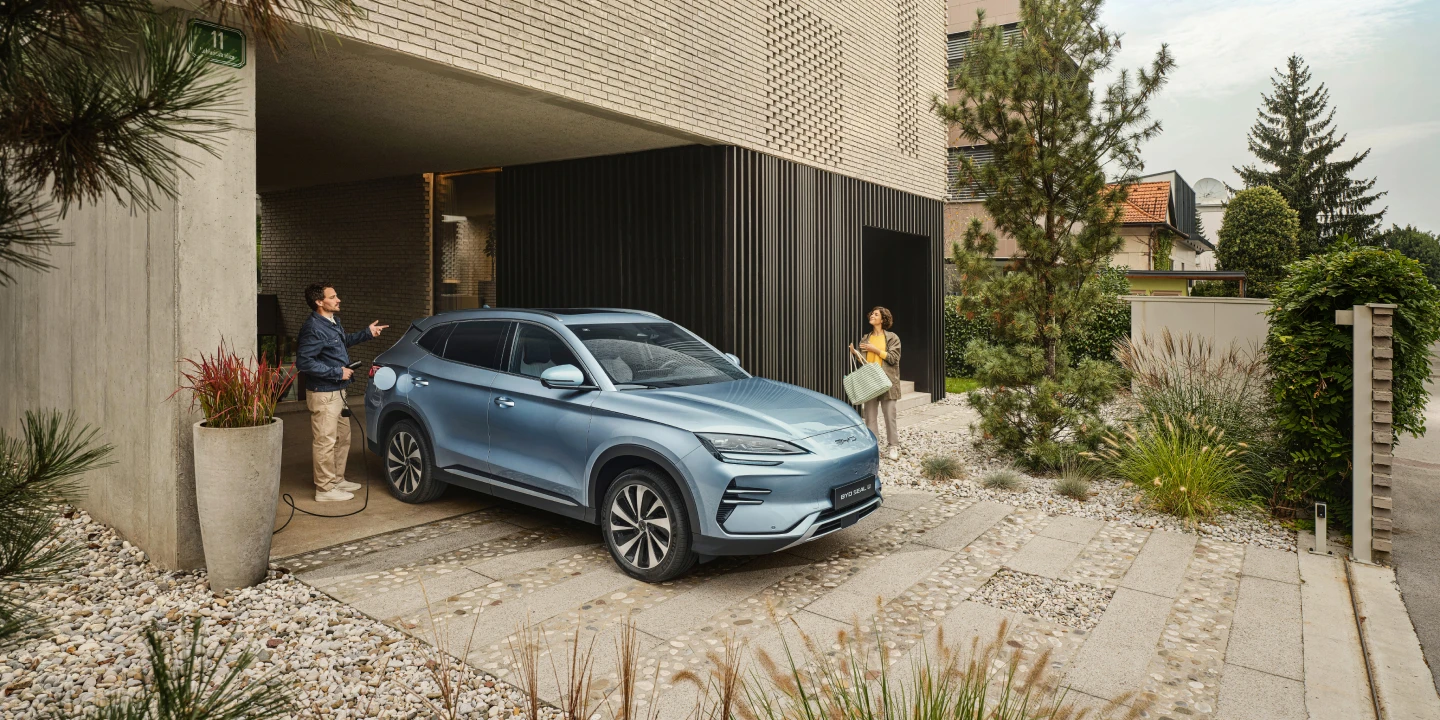
The network will use CCS2 connectors, meaning it’s open to other EVs, not just BYD models.
On paper, that sounds like the moment charging finally catches up with refueling.
But Ben Elliston, chair of the ACT branch of the Australian Electric Vehicle Association, told Supercar Blondie that speed isn’t actually the issue most drivers are dealing with anymore.
“You have to stop, eat, and rest at some point,” he said.
“And when charging strategically… you will sometimes charge for much less than 18 minutes.”
He’s already tested that in the real world.
In a recent piece for The Driven, Elliston documented a 621-mile (1,000km) round trip in a Hyundai IONIQ 5 completed with three short charging stops – nine minutes, 20 minutes, and 14 minutes – totaling just 43 minutes across the entire day.
Of those stops, he told us the bigger issue isn’t speed – it’s how charging fits into a real trip.
“If I could halve these charging times, it would not make much difference to me,” he said.
In Ben’s view, the problem is that ultra-fast charging can actually disrupt the natural rhythm of a long drive, turning what should be a proper break into a quick stop where you’re stuck waiting by the car.
Which raises a bigger question – if charging already fits the way people drive, what does going even faster actually fix?
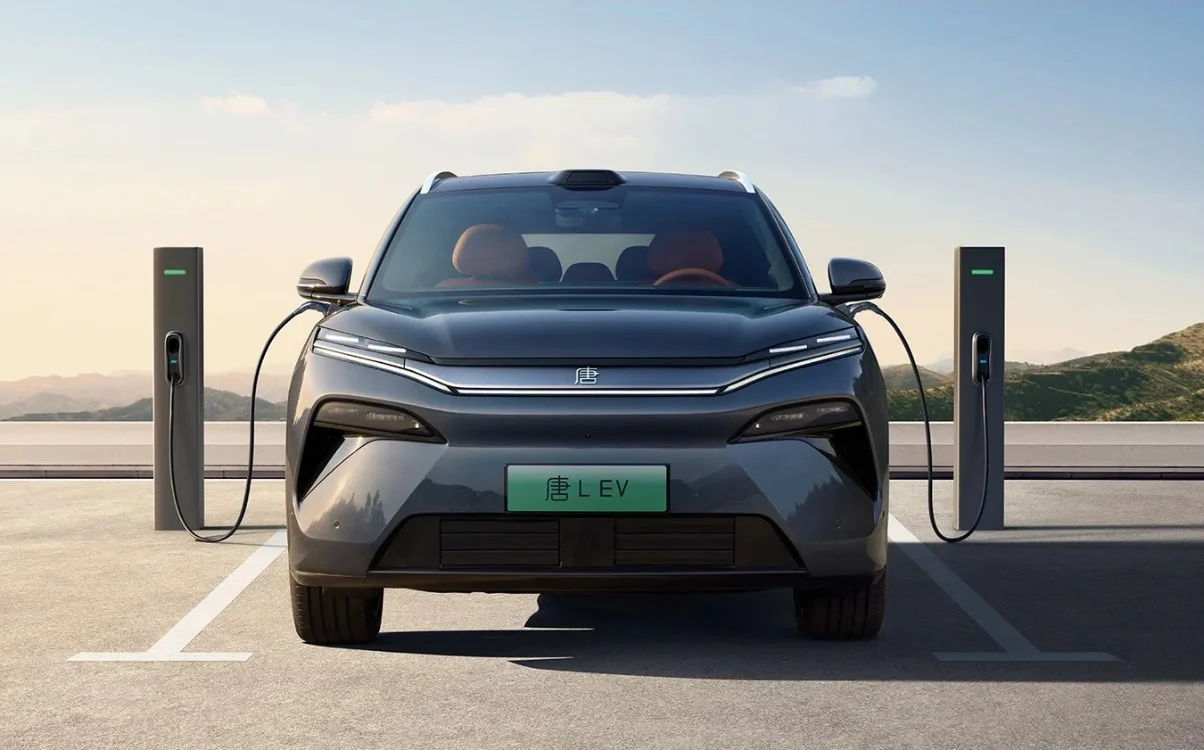
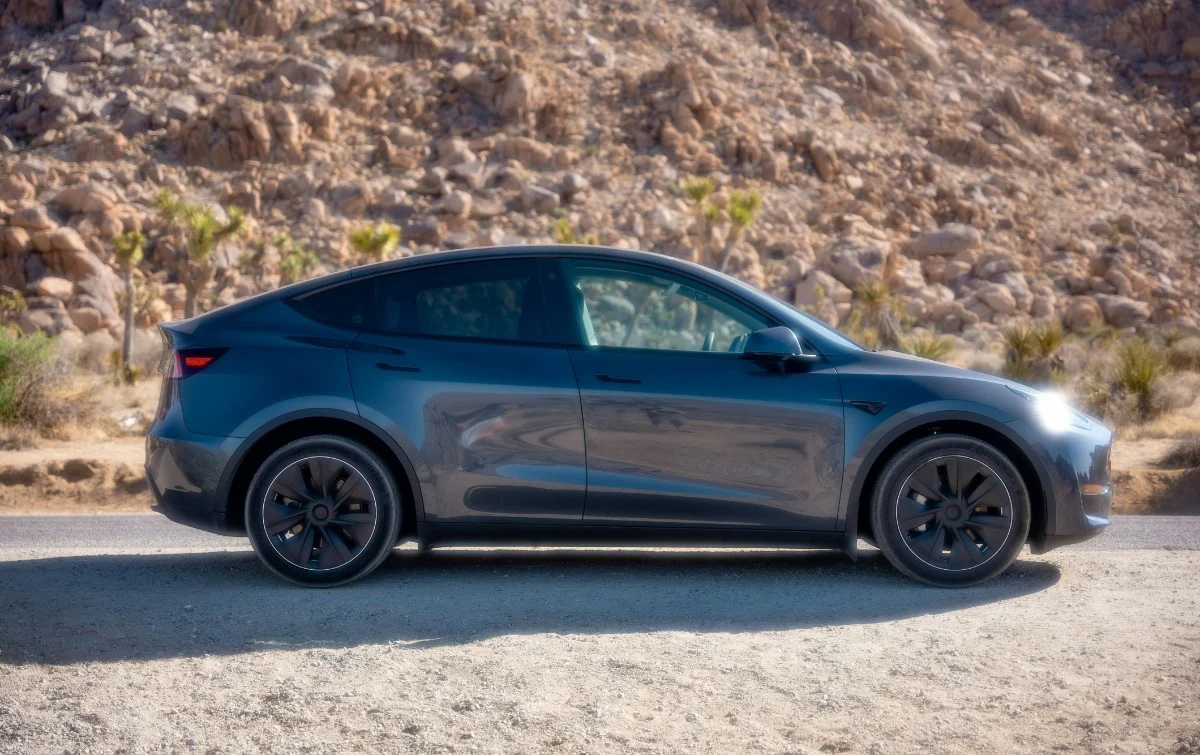
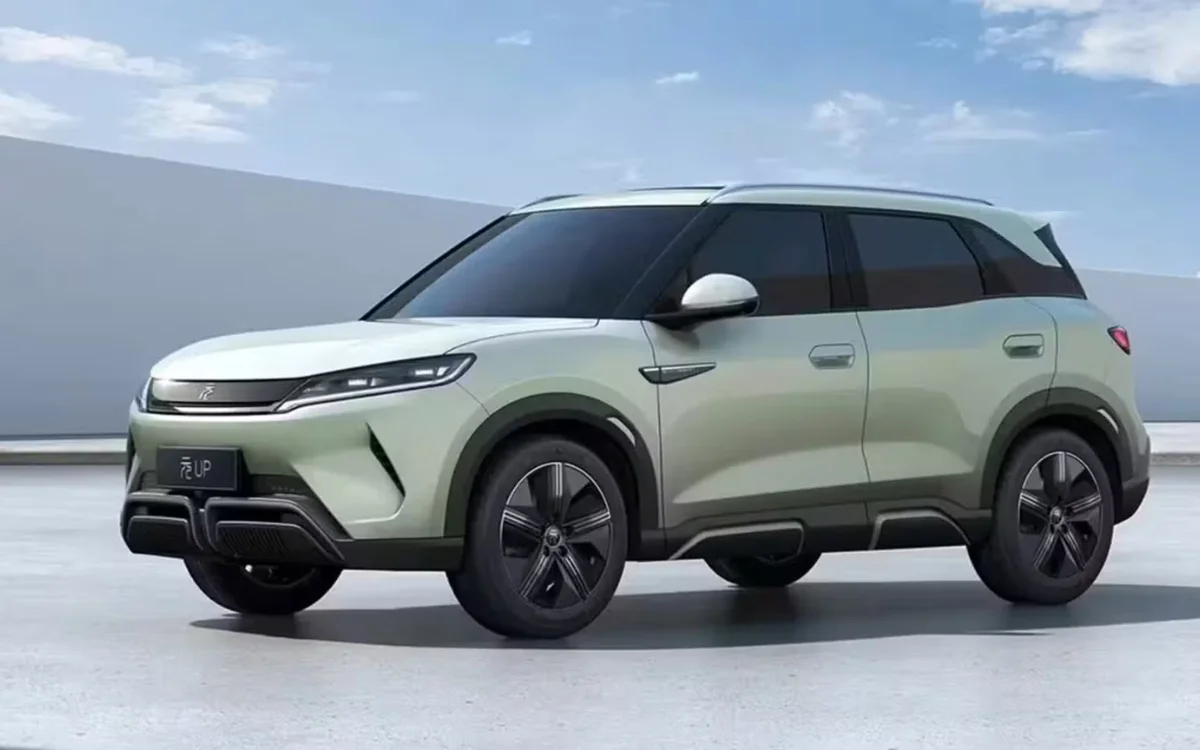
The EV charging race isn’t just about speed anymore
And BYD isn’t the only company trying to answer that.
Rival brands are chasing even faster charging, with companies like Geely claiming their latest tech can go further still.
At the same time, not everyone is convinced that faster is always better.
BMW’s battery production boss, Markus Fallböhmer, has warned that focusing on peak charging speeds can come with trade-offs, particularly when it comes to long-term battery health and overall reliability.
Because of that, the conversation is starting to shift.
For many drivers, the bigger questions now aren’t how quickly a car can charge, but how easy it is to find a working charger, how much it costs, and whether the experience is consistent.
BYD’s five-minute claim still pushes the industry forward.
But if charging already fits into the natural rhythm of a long drive, the real breakthrough might not be speed anymore.
It might be everything around it.
With roles at TEXT Journal, Bowen Street Press, Onya Magazine, and Swine Magazine on her CV, Molly joined Supercar Blondie in June 2025 as a Junior Content Writer. Having experience across copyediting, proofreading, reference checking, and production, she brings accuracy, clarity, and audience focus to her stories spanning automotive, tech, and lifestyle news.