BYD unveils major 10,000 cycle breakthrough in its solid state and sodium EV battery technology
Published on Feb 11, 2026 at 11:25 AM (UTC+4)
by Jason Fan
Last updated on Feb 11, 2026 at 1:13 PM (UTC+4)
Edited by
Mason Jones

BYD has put solid-state and sodium battery tech at the center of its strategy, and it is aiming to change what drivers expect from EVs.
The Chinese auto and battery giant says it is developing two next-generation battery paths at once, instead of betting on just one chemistry.
One focuses on high-performance solid-state cells, while the other targets ultra-long-life sodium batteries aimed at affordability and durability.
Together, the strategy paints a picture of EVs that charge faster, travel farther, and last dramatically longer than what most drivers know today.
DISCOVER SBX CARS – The global premium auction platform powered by Supercar Blondie
BYD is hedging its bets with two very different types of batteries
According to claims discussed by EV-focused YouTuber The Electric Viking, BYD’s solid-state batteries are targeting energy densities in the 400 to 500 Wh/kg range.
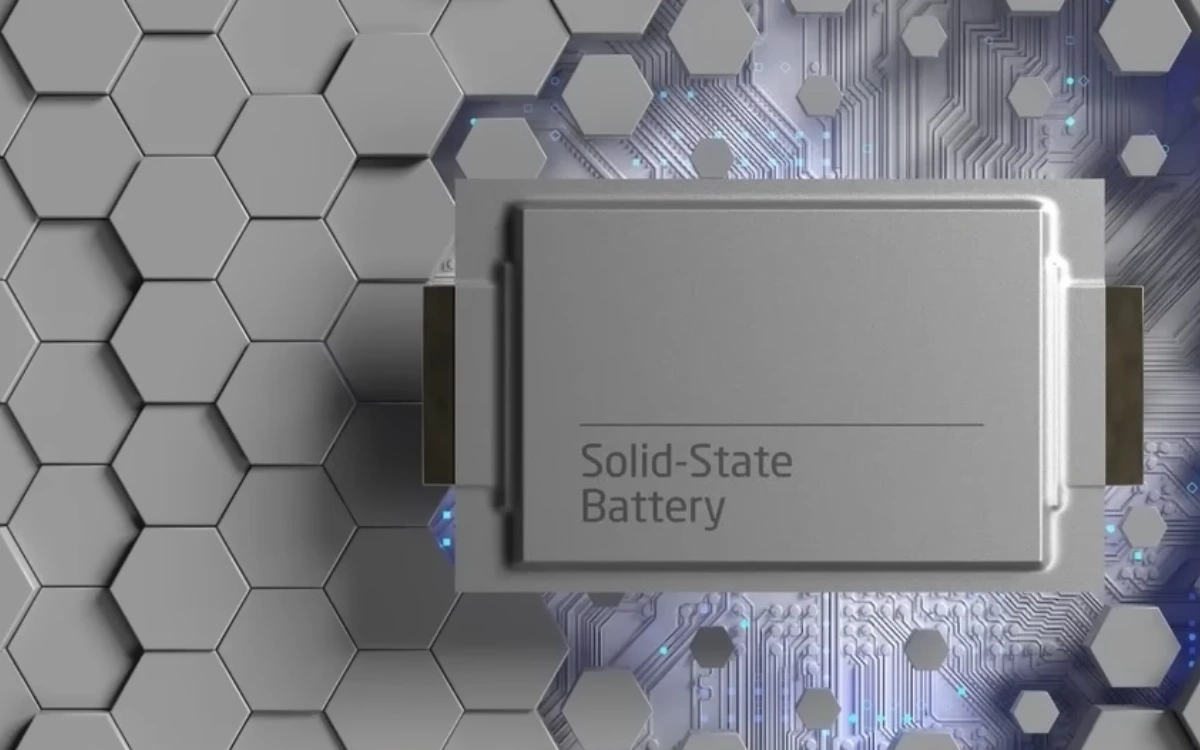
That is roughly two to three times higher than many current lithium iron phosphate packs, which could translate into significantly lighter batteries or far greater driving range.
In theory, a midsize EV with a modest pack could approach 1,000 kilometers (621 miles) of range, while also benefiting from faster charging and improved cold-weather performance.
Early production is expected to begin in small batches around 2027, with broader adoption closer to the end of the decade, likely starting in high-end or specialty vehicles.
At the same time, BYD is also advancing sodium-ion batteries, which trade some energy density for lower cost and extreme longevity.
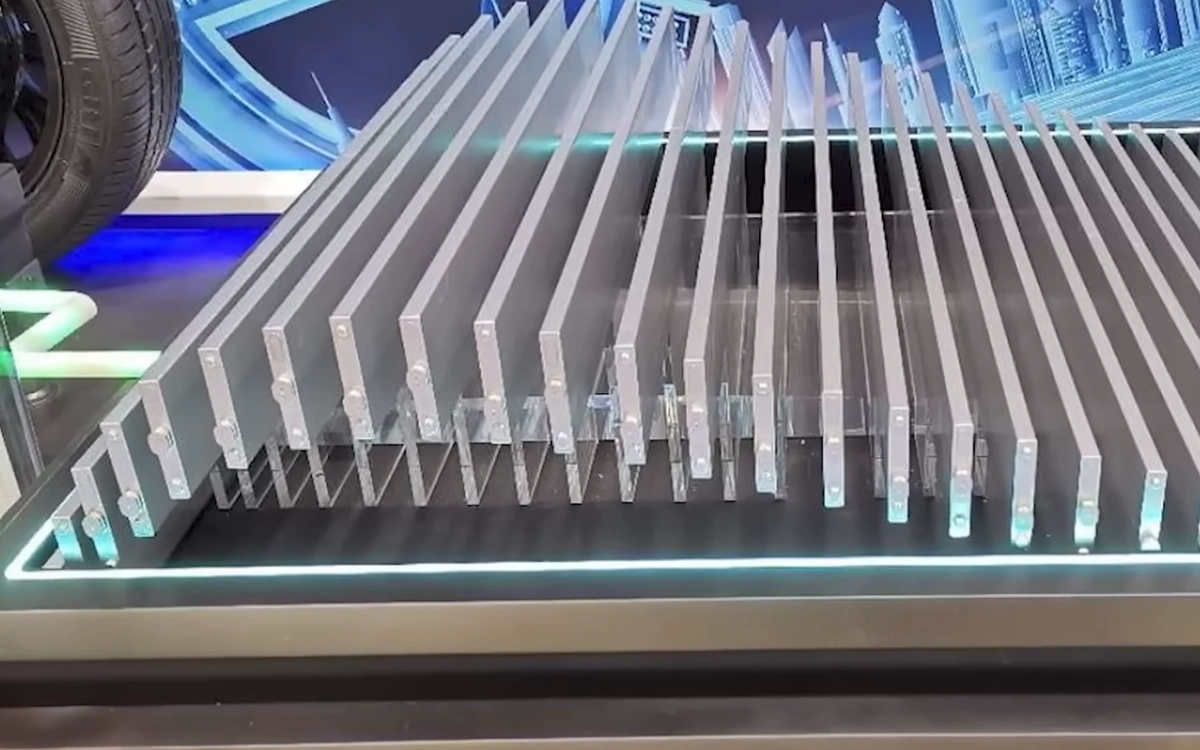
The standout figure here is a claimed 10,000 charge cycles, far beyond the lifespan most drivers ever reach.
For reference, if you charge your car daily (and most people don’t), the battery will last more than 27 years.
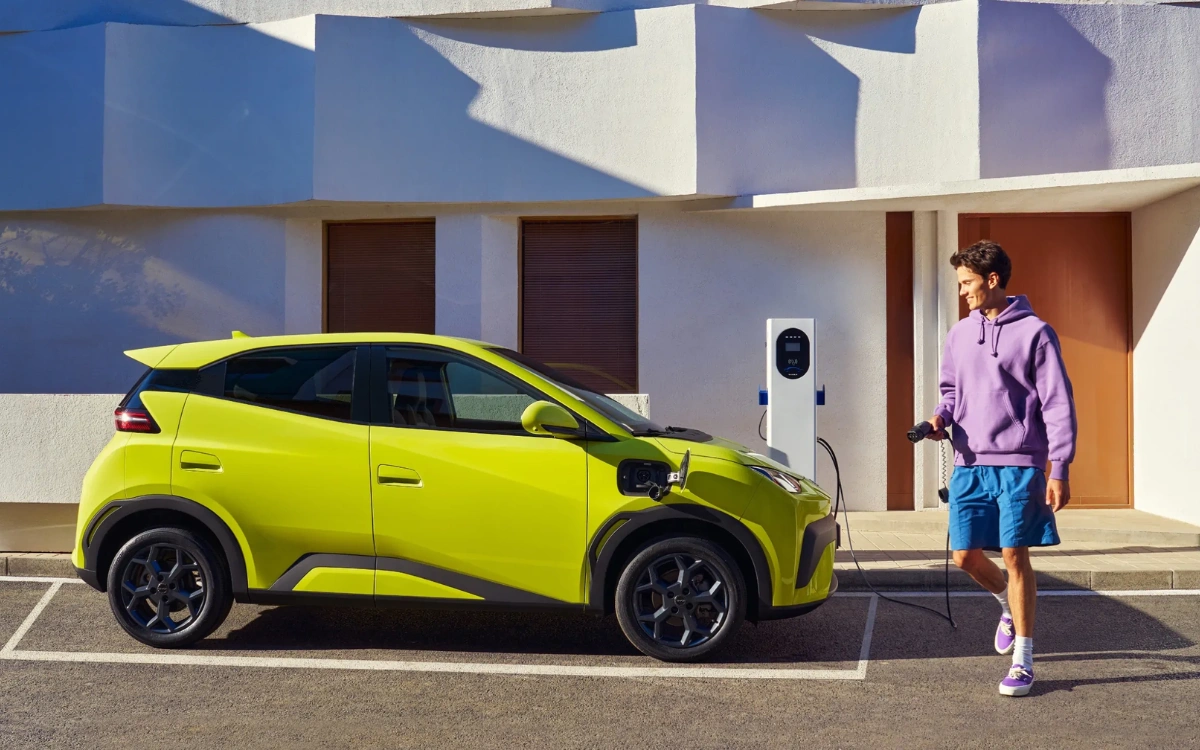
This opens the door for batteries to be reused in other vehicles or second-life applications like home or industrial energy storage.
Sodium battery technology also avoids some of the more expensive materials used in traditional lithium chemistries, which could help push EV prices closer to, or even below, comparable gasoline cars.
Click the star icon next to supercarblondie.com in Google Search to stay ahead of the curve on the latest and greatest supercars, hypercars, and ground-breaking technology
Accelerating the shift away from gas cars
The broader implication is that BYD is not just building cars anymore.
Instead, the company is positioning itself as a dominant battery supplier for multiple industries, from passenger vehicles to commercial transport.
While many legacy automakers are still working to make today’s EV tech more profitable, BYD appears focused on the next leap forward.
After all, BYD’s electric supercar is now the fastest EV in the world, proving that the company is really ahead in terms of innovation.

If these timelines and performance targets hold, the combination of long life, lower costs, and better performance could accelerate the shift away from combustion engines faster than many expect.
Checkout the full analysis from The Electric Viking below:

DISCOVER SBX CARS: The global premium car auction platform powered by Supercar Blondie