California startup Sparq plans a never-before-seen AI integration for your car that’ll save you headaches
Published on Jan 09, 2026 at 7:31 PM (UTC+4)
by Alessandro Renesis
Last updated on Jan 09, 2026 at 9:12 PM (UTC+4)
Edited by
Emma Matthews
A California startup called Sparq wants to fully integrate AI into your car in a way that’s never been done before.
The goal is to ‘translate’ industry jargon mechanics might use and make it understandable to the average car buyer and driver.
This should reduce the number of headaches you’re going to have to face as a car owner.
And there’s something else they’re working on.
DISCOVER SBX CARS: The global premium car auction platform powered by Supercar Blondie
Sparq wants to simplify your experience as a car owner
Sparq is a California-based startup founded by Codrin Cobzaru and Daniel Nieh.
The idea is to create an AI tool that allows your car to tell you what’s wrong with it and how to fix it.
Technically, the car’s ‘brain’ is already able to do that, but that’s only possible using a set of tools that aren’t available to the average car owner.
And more importantly, the response comes out as a series of numbers, inputs, outputs, and data – not simple words.
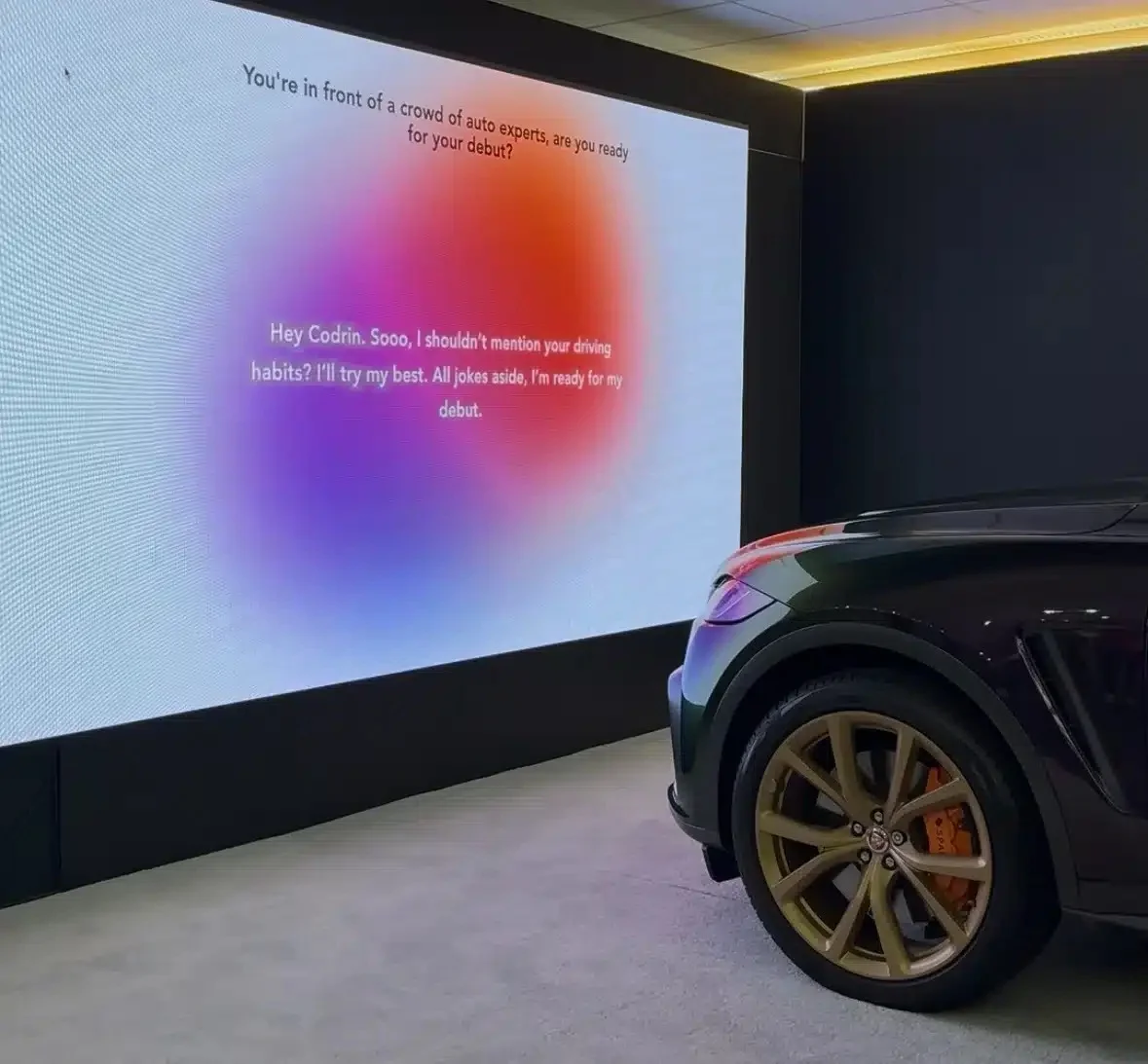
By contrast, with Sparq, the car will speak plain English to you – literally.
As in, your car will eventually tell you something along the lines of: ‘one of my spark plugs is fried, the mechanic will have to change it, expect to pay around $150 for that’.
How the idea behind this California startup came to be
Sparq co-founder Codrin Cobzaru explained that it all started after a breakdown, which put Codrin and his wife in a situation that felt more complicated than it had to be.
“We realized that the person who runs diagnostics [on the car] often doesn’t coincide with the person who has to do the work later.
“And then maybe there’s a third person that’ll tell you what’s wrong and so on. The industry is so fragmented,” he told Supercar Blondie.
The entire process is anything but straightforward, which makes it difficult for the average Joe and Jane Doe to understand what’s actually going on with the car.
Both Daniel and Codrin made it clear that the ultimate goal is to become a one-stop shop for the car owner, essentially filtering out the various frustrations that the experience tends to generate.
Daniel also added that they thought it would make sense to fully integrate AI into existing things, not future things.
“Everybody thinks about things like self-driving cars, and that’s good, but we figured there had to be a reason to integrate artificial intelligence into existing technology – ie, cars – to make it better,” he said.
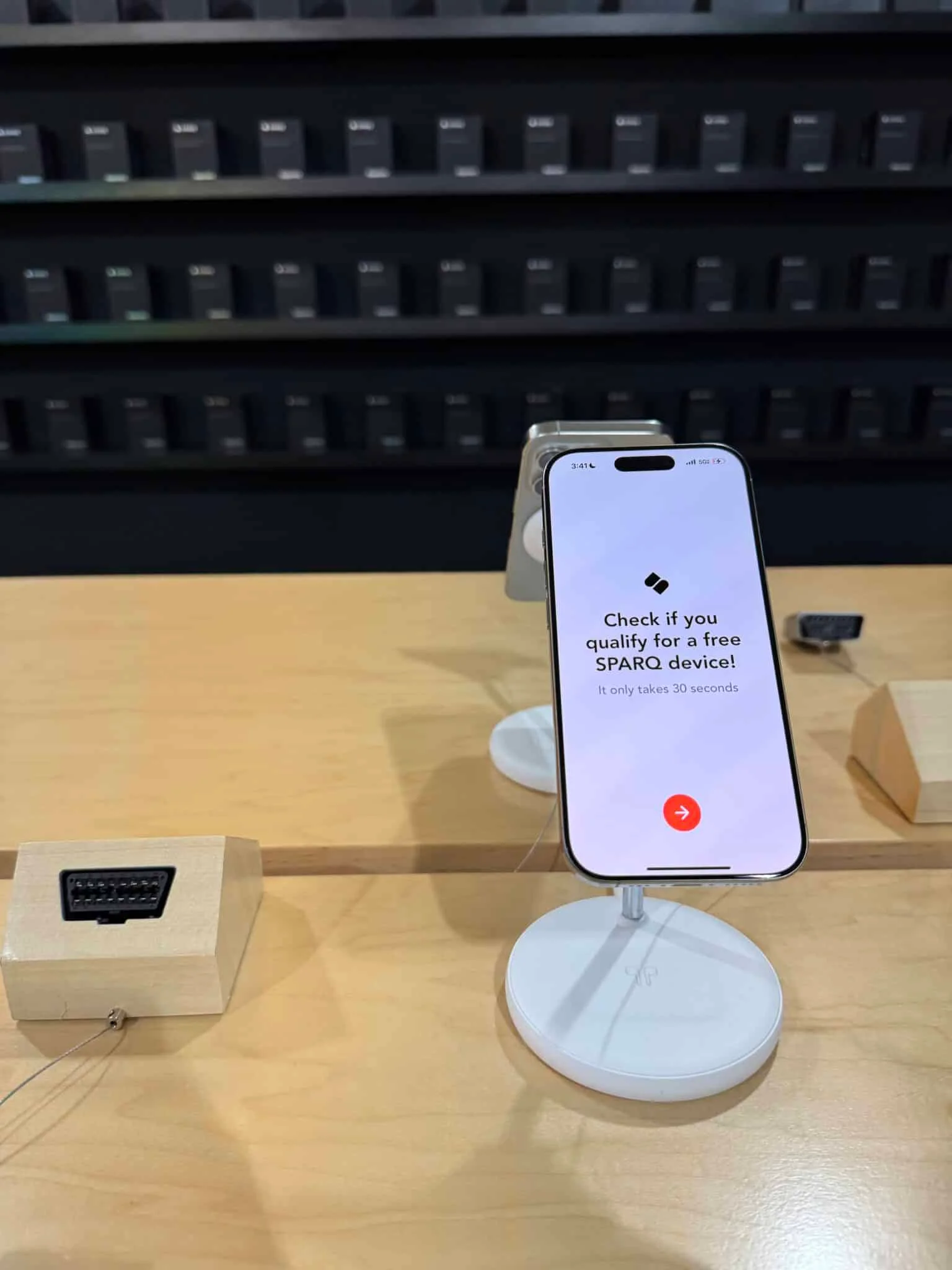
For now, Sparq is only available in the US, and only for vehicles with internal combustion engines.
This is for technical reasons.
EVs are not yet supported because when it comes to electric cars, most issues come from the battery pack, not the powertrain.
As for the location restriction, the reason only US-spec vehicles are supported is a bit more geeky and comes down to regional differentiation in standards, and age of the car.
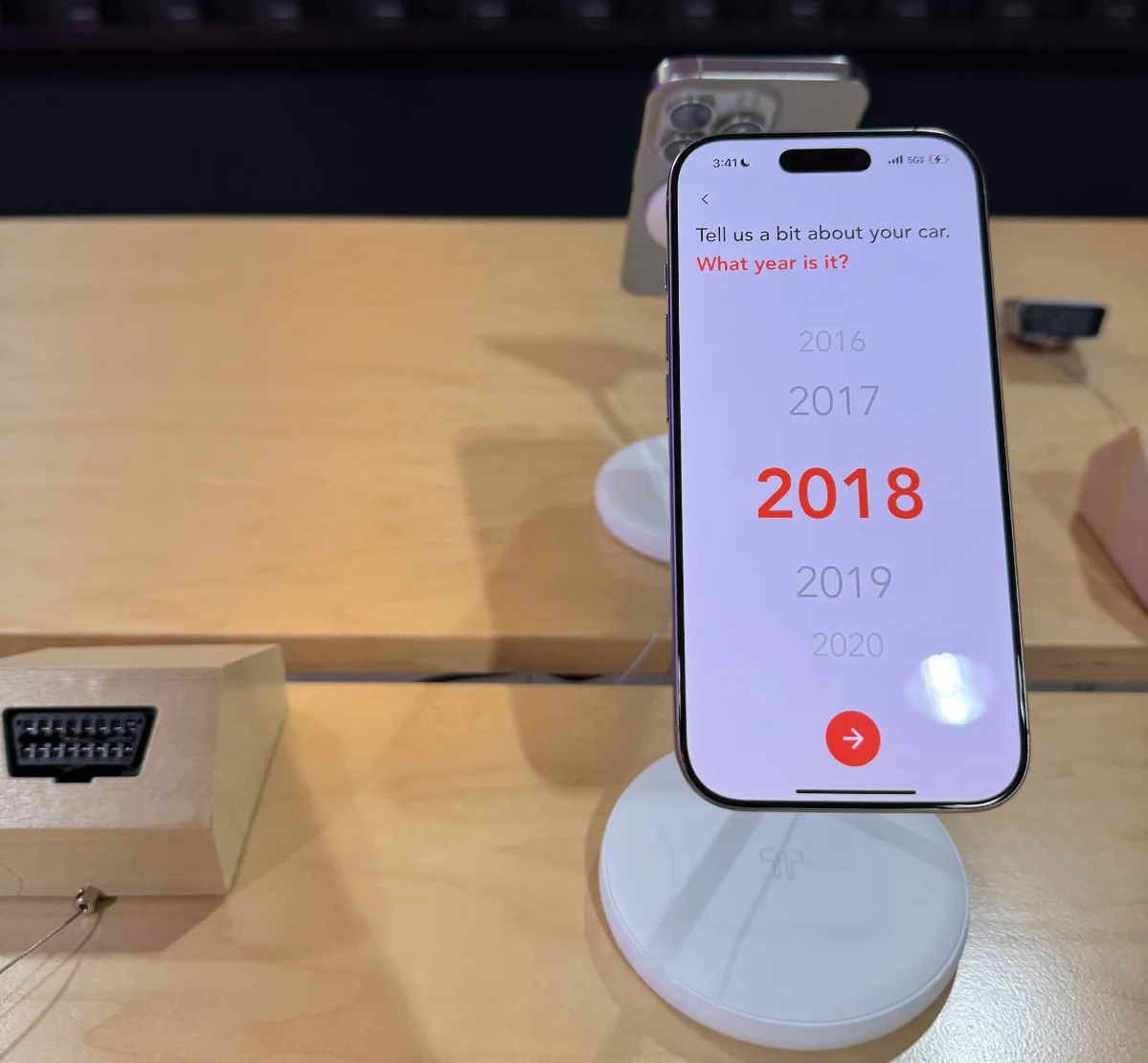
Without getting too technical, there are three types of vehicles as far as Sparq’s technology is concerned.
First and foremost, all vehicles built before 1996 are out, and that’s just because tools like Sparq AI require ports that didn’t exist before 1996.
The second category concerns vehicles built between 1996 and 2008-2009.
Those might be compatible in terms of hardware, but the protocol is too slow for Sparq’s AI capabilities.
Then there’s the third category: vehicles built after 2009, which are generally always compatible.
Sparq’s most ambitious feature might help drivers more than we imagine
Daniel and Codrin explained that, ideally, they’d like to get to a point where the technology can actually predict future mechanical issues based on the driver’s behavior.
Reliability depends on a variety of factors, including the way drivers use (and maintain) their cars.
Some drivers neglect tire maintenance, others forget about oil changes, and then others take their vehicles off-road on a regular basis, and so on and so forth.
The goal is to be able to accurately predict such eventualities and do something about it.
Proactively and ahead of time, if possible.
Both Daniel and Codrin acknowledge there’s still a long way to go, but the future looks bright for the California startup.
“We’re still nowhere near where we’d like to be, but we’ve certainly made a lot of progress, and we’re proud of that,” they concluded.
After beginning his automotive writing career at DriveTribe, Alessandro has been with Supercar Blondie since the launch of the website in 2022. In fact, he penned the very first article published on supercarblondie.com. He’s covered subjects from cars to aircraft, watches, and luxury yachts - and even crypto. He can largely be found heading up the site’s new-supercar and SBX coverage and being the first to bring our readers the news that they’re hungry for.