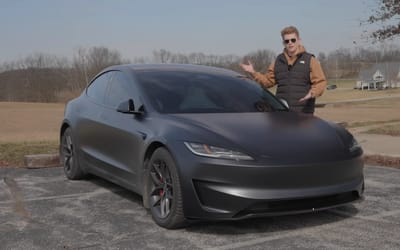
Canada man tries to build an electric car with infinite range by using solar panels
Published on Jan 24, 2026 at 2:46 AM (UTC+4)
by Jason Fan
Last updated on Jan 22, 2026 at 8:05 PM (UTC+4)
Edited by
Mason Jones

Could an infinite range electric car powered by solar panels actually work?
A Canadian YouTuber is putting the concept to the test with a custom-built rig that combines a small electric vehicle with a trailer full of solar panels.
Last year, he experimented with a solar-powered go-kart that managed more than 60 miles on a sunny day, but that wasn’t nearly enough to reach ‘infinite’ range.
This time, he went bigger and bolder, creating a trailer-mounted solar array to supercharge his experiment.
SBX CARS – View live supercar auctions powered by Supercar Blondie
The custom vehicle just kept on going
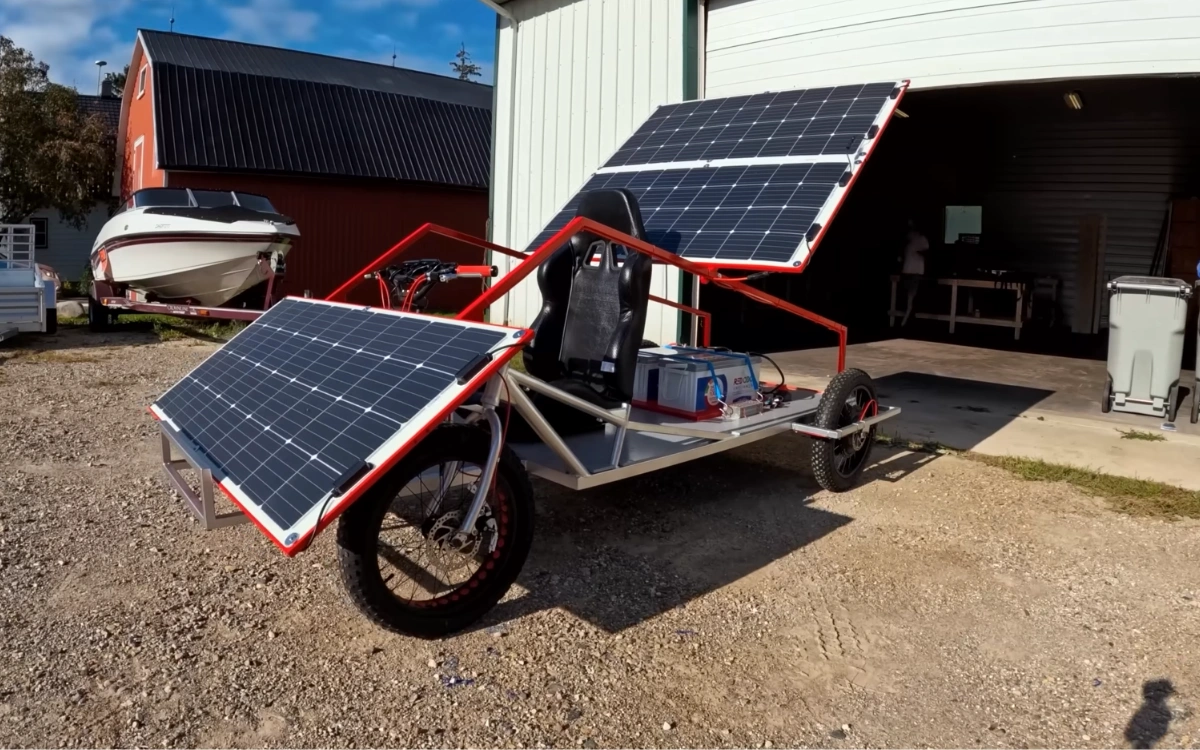
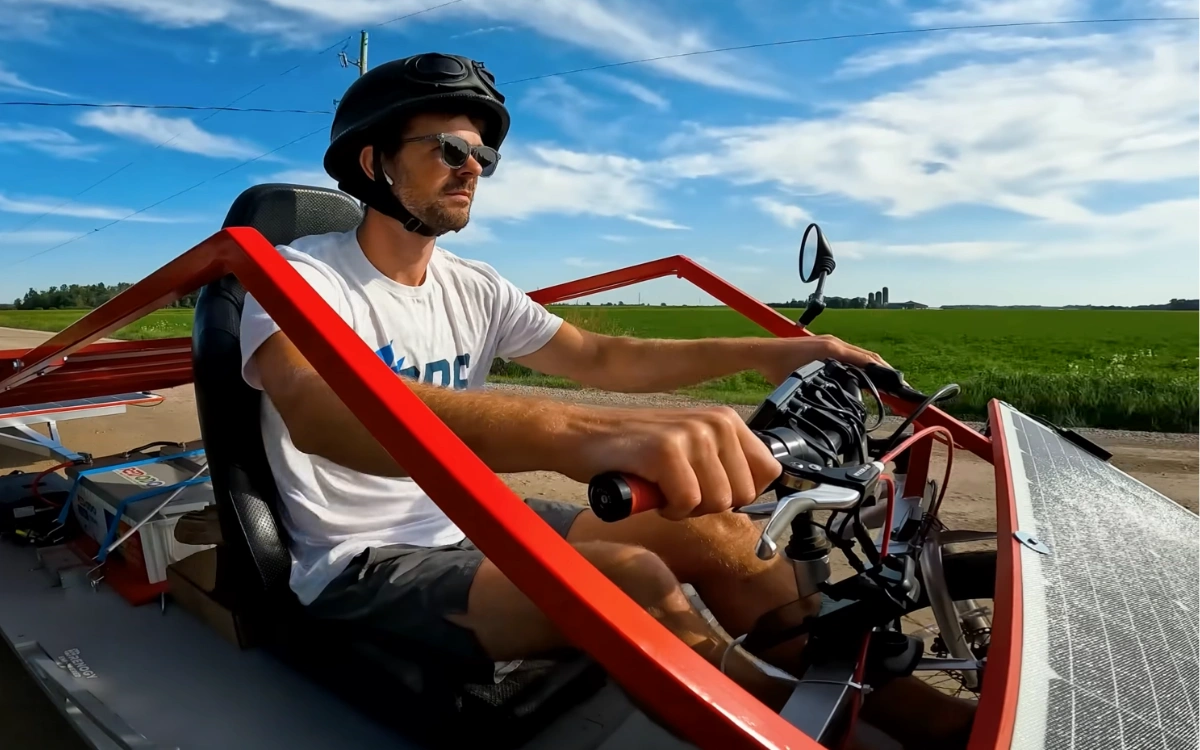
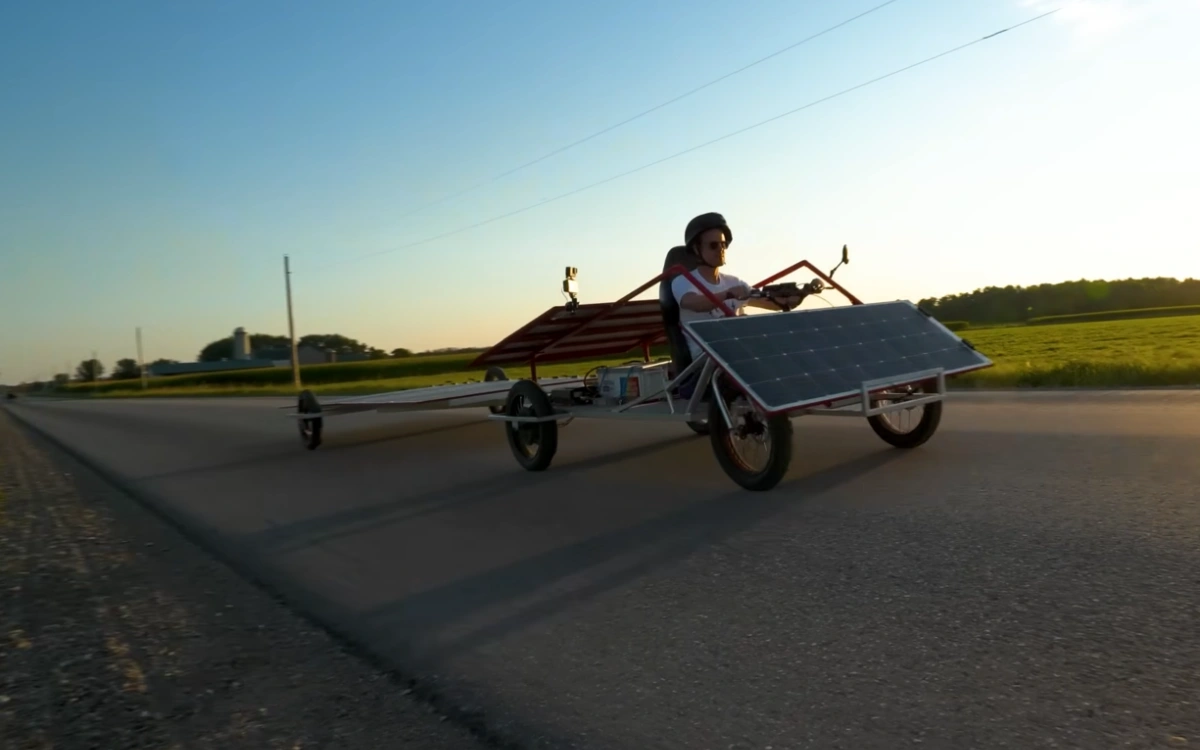
YouTuber Drew Builds Stuff‘s latest setup included six flexible solar panels on a 14-foot trailer, which boosted the potential solar output to 1,575 watts.
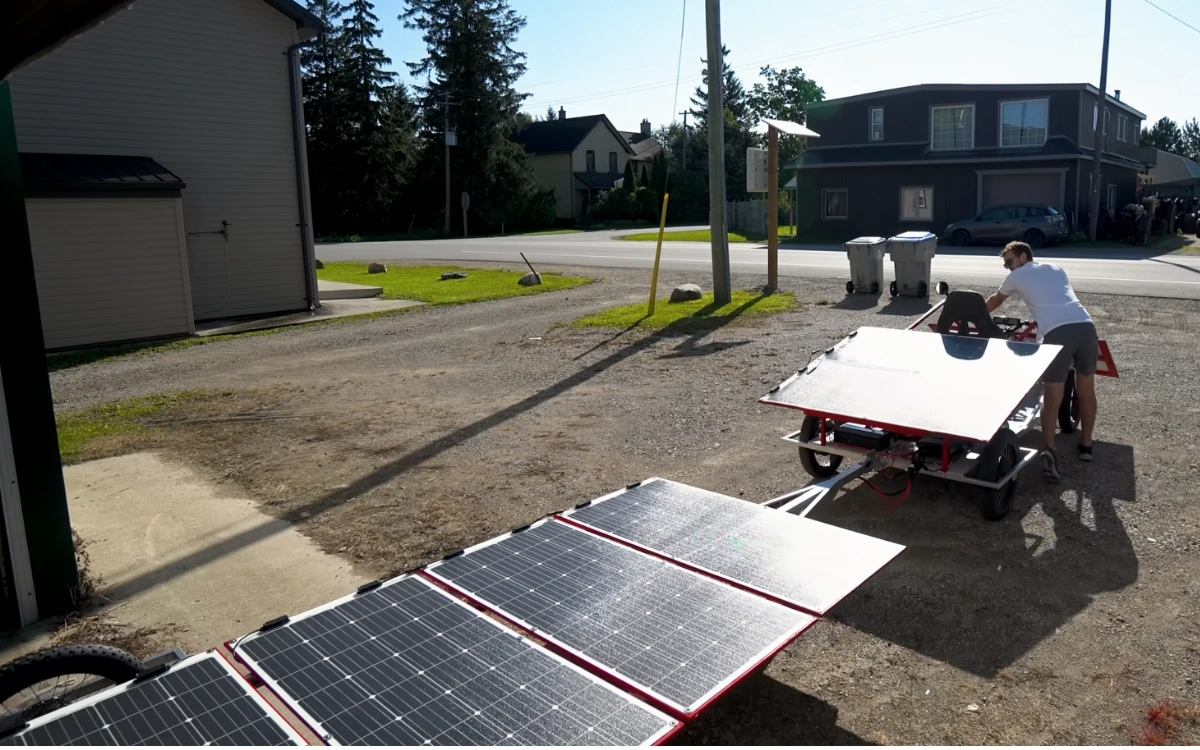
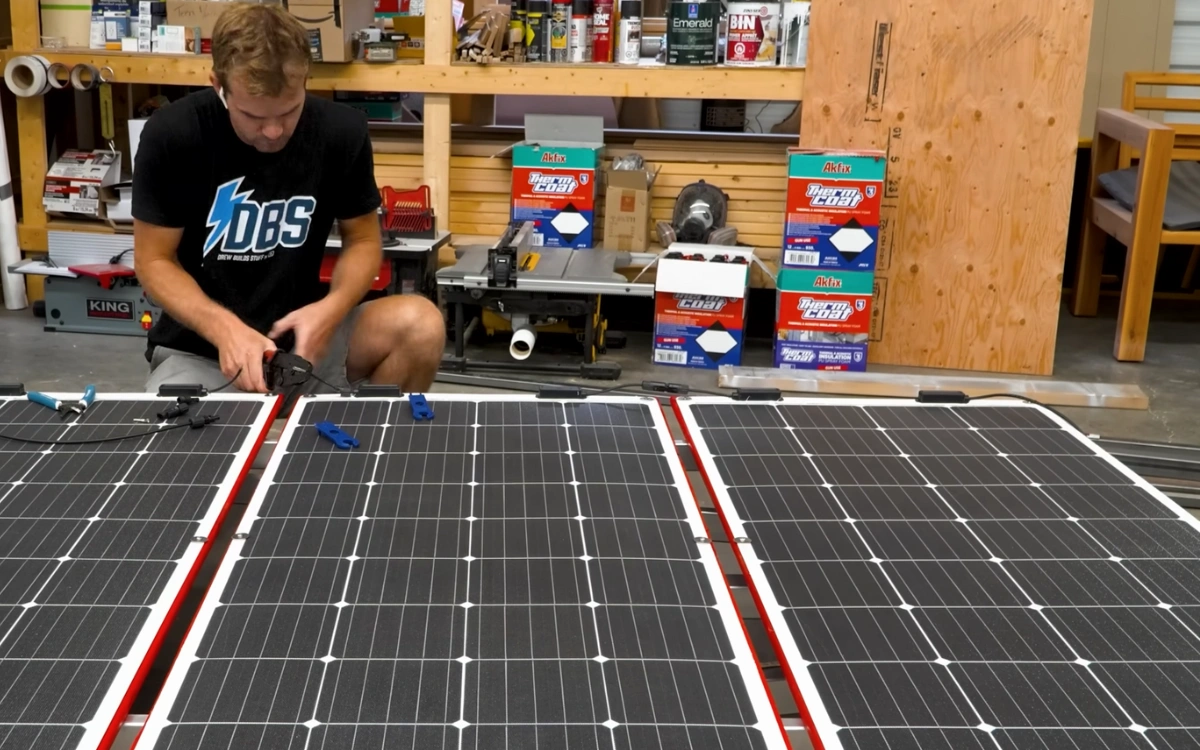
Drew wired the panels cleverly in series and parallel, connecting them to the car’s battery to feed power efficiently while minimizing weight.
He also upgraded the brakes to hydraulics, added a rearview mirror, and installed a battery voltage monitor to keep a close eye on the energy flow.
The goal was simple: generate more energy from the sun than the car consumes, keeping it driving indefinitely.
On a bright, clear day, the system worked remarkably well.
By midday, Drew was generating around 1,350 watts, keeping the battery near full while driving laps around side roads.
Over the course of several hours, he covered 250 km (155miles) with minimal battery depletion.
Eventually, clouds and the setting sun limited power.

However, Drew estimated that he could have pushed the range to around 300 to 400km (186 to 249 miles) with perfect timing and peak sunlight.
This is astounding for a vehicle that only has a range of up to 43 miles with batteries alone.
The future of solar-powered EVs
Typical solar panels are only around 15 to 22 percent efficient, meaning only a fraction of the sunlight hitting the panel becomes usable electricity.
To generate enough power, the car would need huge solar panels.
However, adding these panels would increase weight and drag, which in turn would raise energy consumption.
Instead of putting the solar panels on the vehicles themselves, many places are choosing to cover carparks with solar panels instead.
Lastly, as Drew’s experiment showed, sunlight isn’t consistent.
No matter how efficient your solar-powered car is, you would lose range the moment the sun isn’t at full strength.

Still, Drew’s project demonstrated the creative possibilities of renewable energy and hands-on engineering.
He isn’t alone either.
Aptera is a startup that has been developing its own solar-powered EV.
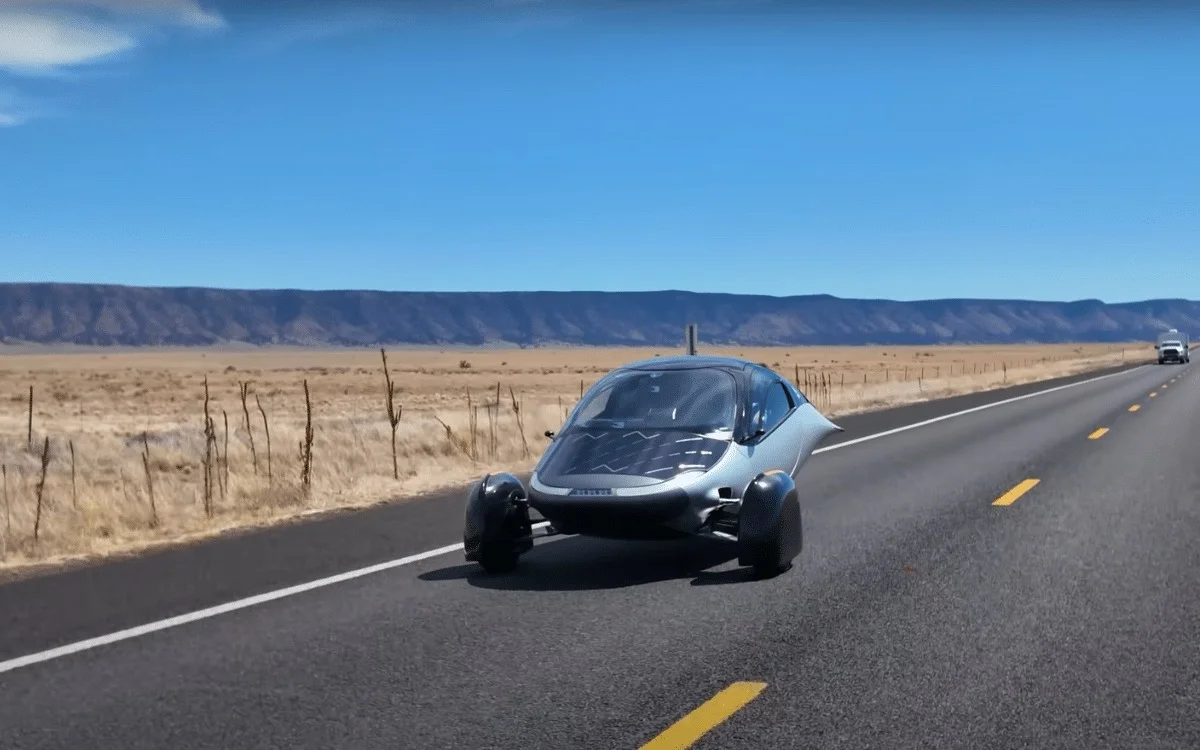
With the company’s launch edition recently taking on a 300-mile journey without stopping to charge, it’s proof that solar power has a lot of potential in the automobile industry.
If you want to see the full process of trying to build an infinite range electric car, you can check out Drew’s video below:

DISCOVER SBX CARS: The global premium car auction platform powered by Supercar Blondie