Man gives ChatGPT $6,300 and asks it to buy the most profitable cars at an auction and the result is surprising
Published on Nov 26, 2026 at 5:50 AM (UTC-5)
by Alessandro Renesis
Last updated on Nov 26, 2026 at 5:50 AM (UTC-5)
Edited by
Mason Jones
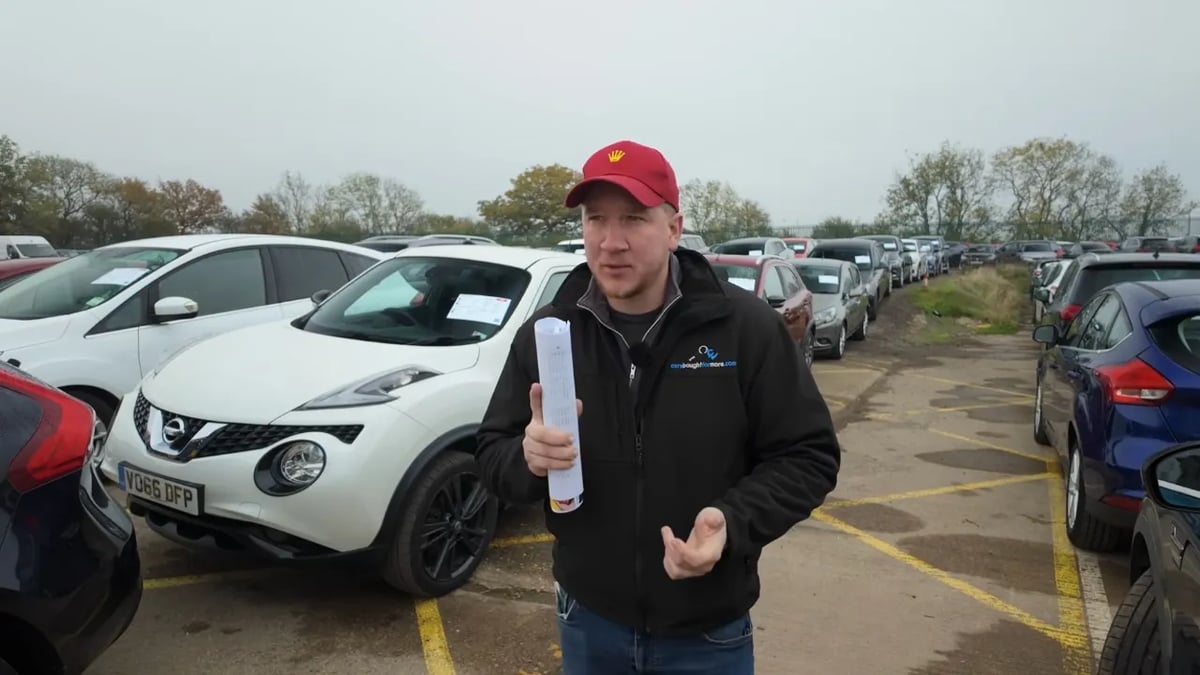

This YouTuber gave ChatGPT $6,300, an auction catalog, and asked it to do its best and find some profitable cars.
The result was quite intriguing.
Specifically, there was one thing ChatGPT was really good at.
But there was something else it got wrong.
Why this YouTuber let an AI spend $6,300 at a car auction
Artificial intelligence can write code and pass bar exams, but this YouTuber – Shifting Metal – wanted to find out if it could survive the fast-paced floor of a used car auction.
The YouTuber gave ChatGPT a virtual wallet of £5,000 (roughly $6,300) and tasked it with turning a profit at a vehicle auction.
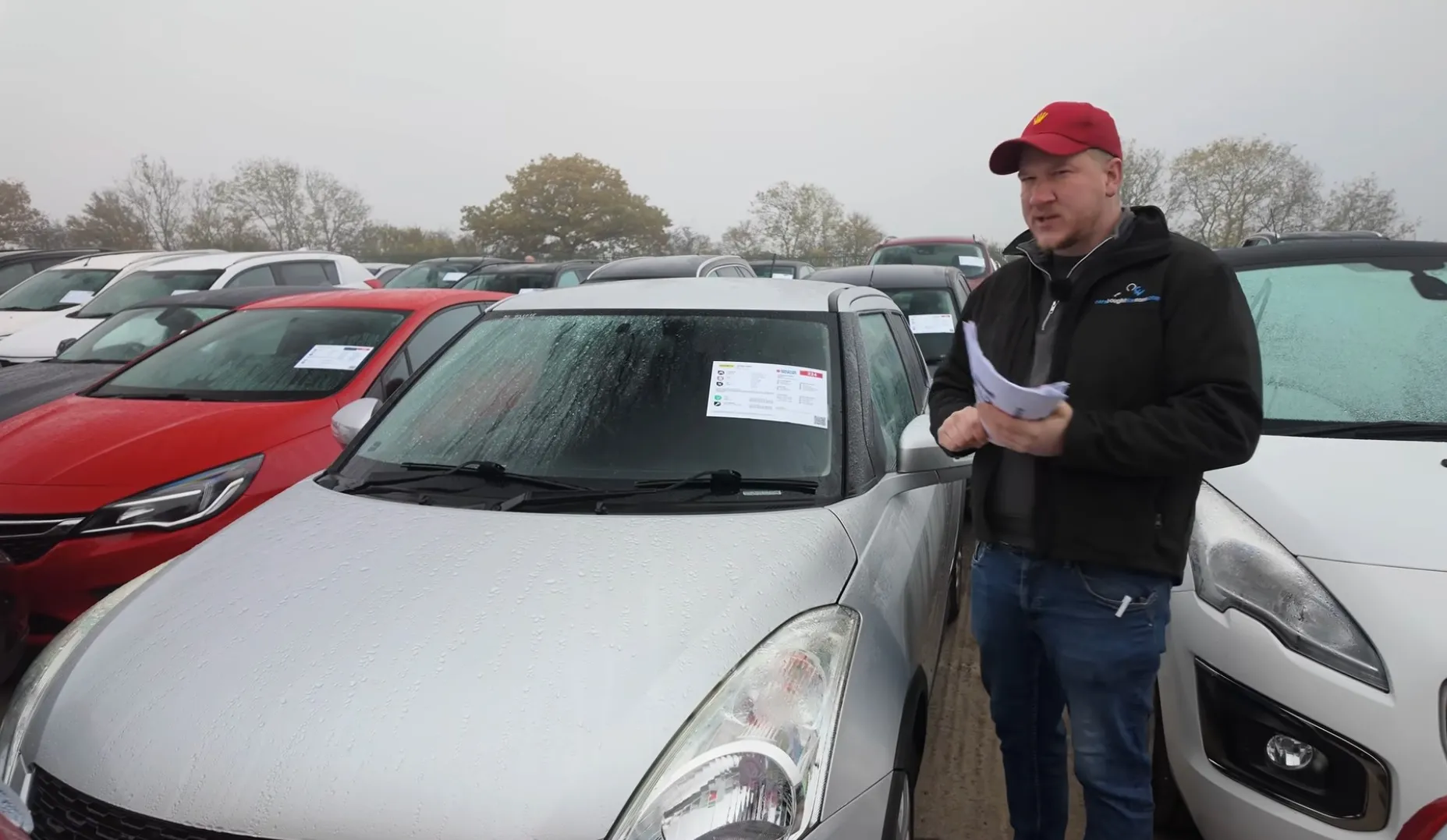
The instructions were clear – identify the five most profitable vehicles, factor in potential mechanical warnings, estimate resale values on Facebook Marketplace, and establish strict maximum bid prices to protect profit margins.
The experiment basically pitted AI logic against human intuition, and it went exactly as expected.
But let’s start with what went well.
The AI’s top five picks
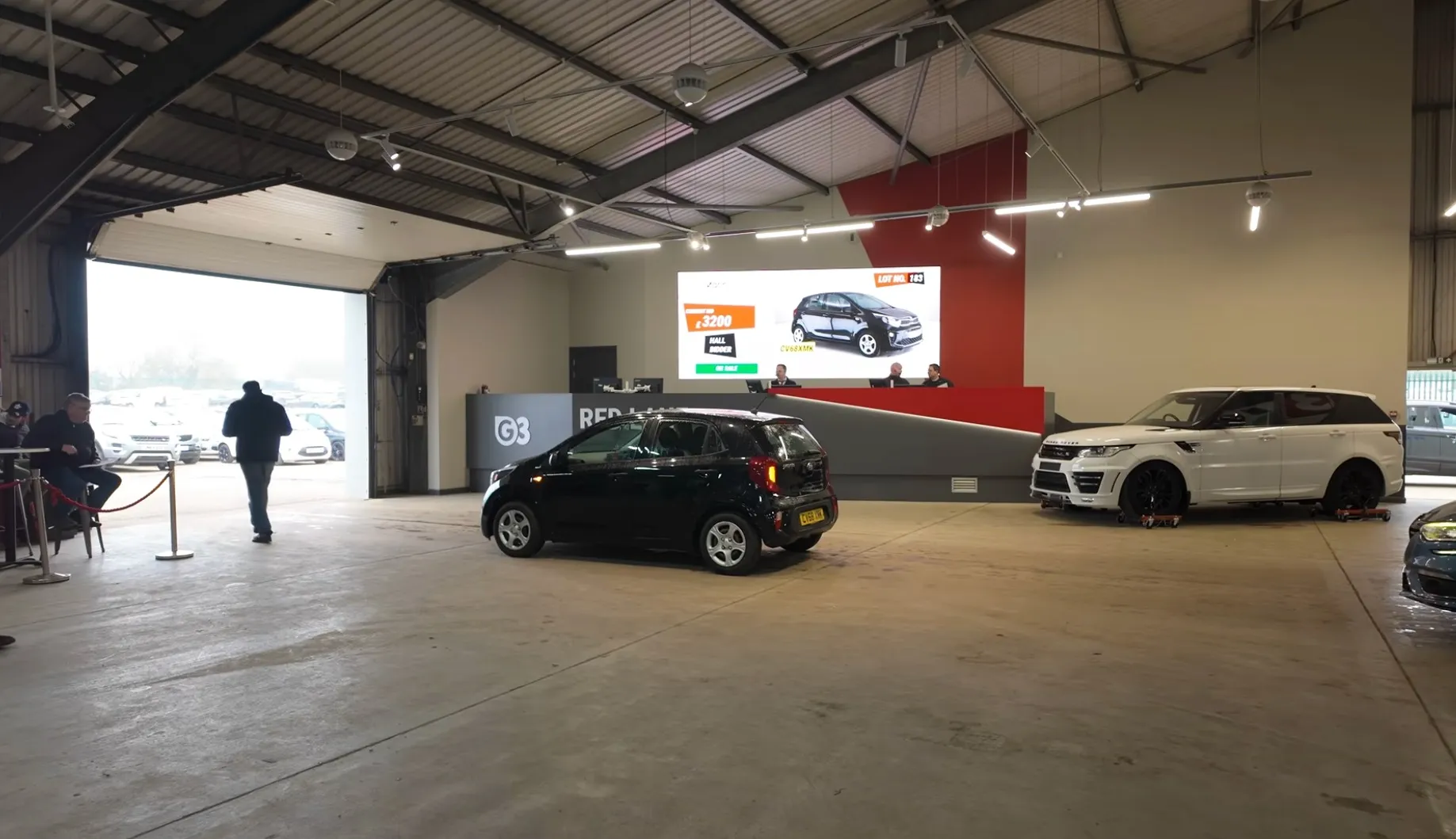
True to its programming, ChatGPT simply followed the YouTuber’s clear (and strict) instructions and acted as a cautious, data-driven buyer.
It immediately filtered out high-risk vehicles – including a BMW 520d flagged with an engine warning light – and narrowed the list down to five everyday contenders: Nissan Juke, Suzuki Swift, Kia Picanto, VW Jetta, and Citroën DS4.
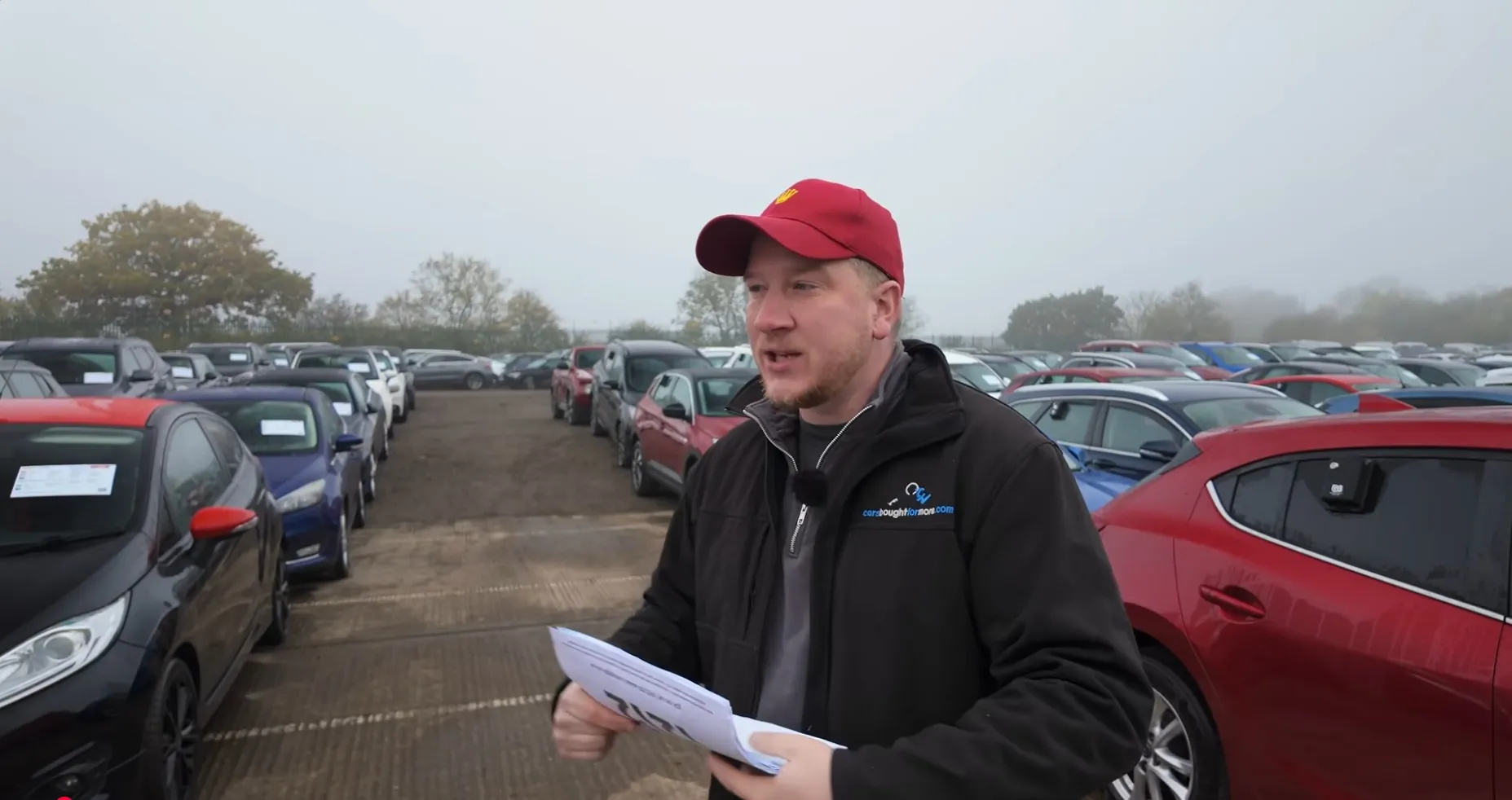
The YouTuber admitted that ChatGPT pointed him to vehicles he’d have probably otherwise overlooked.
“It didn’t just pick the cars that had the biggest spread. It actually ruled out all the cars that had warnings first off. Saved me pain and money,” the YouTuber admitted.
On paper, the strategy looked foolproof.
In practice, it ignored one crucial fact.
Where the ChatGPT algorithm fell short
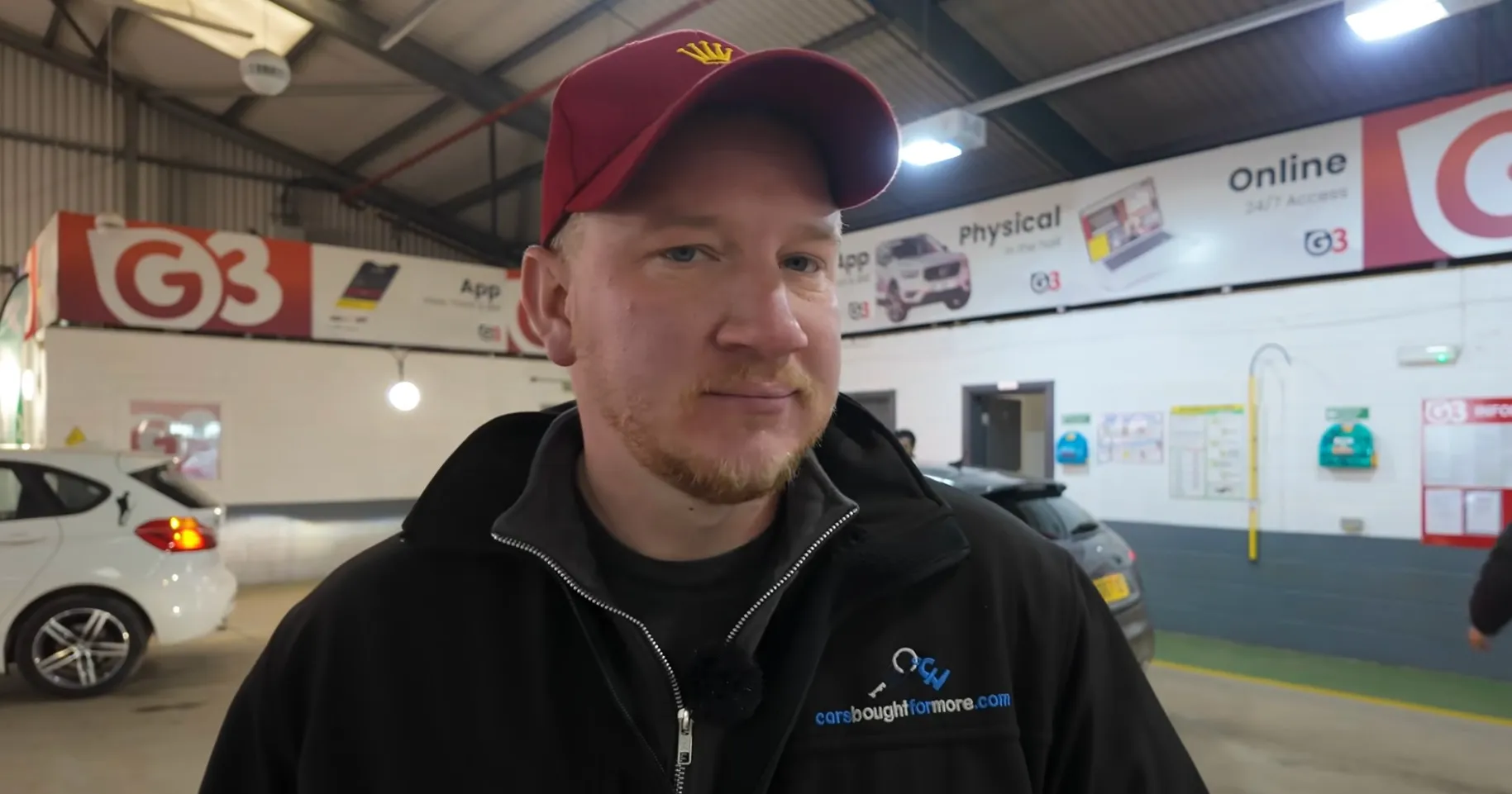
ChatGPT did well when it came to avoiding risk and reading the catalog, but it failed to understand (or take into account) the dynamics of an auction floor.
This could’ve probably been expected.
The AI’s valuation model ended up being too conservative, too textbook, and as the bidding went live, every car the AI had chosen sailed past its theoretical price ceiling within minutes.
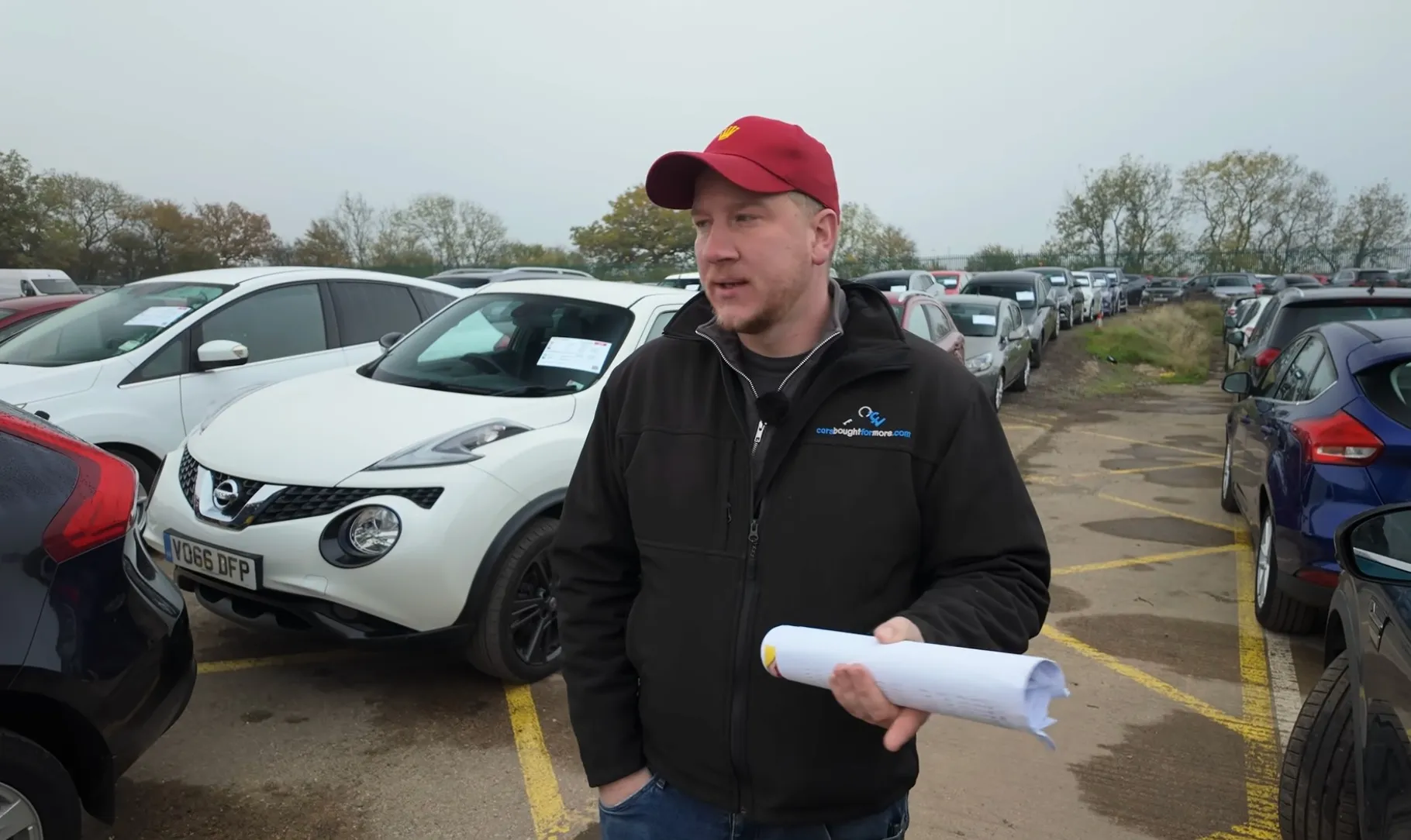
Because the algorithm ignored real-time competition, the YouTuber couldn’t buy anything and admitted the experiment was a bit of a dud.
Other similar auctions had gone much better for him without AI.
“While the AI gave me some kind of direction, I wouldn’t rely on it. [It] didn’t really help us much today, it expected us to buy these cars really cheaply,” he said.

Put simply, ChatGPT delivered estimates that it thought made sense, while real-time reality proved they were not.
AI couldn’t quantify irrational human emotion – nostalgia for the car you went on a first date with, absurd last-second hunches, or even a burning desire to simply outbid that one competitor you never liked personally.
The best of Supercar Blondie, every Sunday
The week's best car stories, straight to your inbox. Free.
Alessandro is an automotive journalist with 10 years of experience covering supercars, automotive history, emerging vehicle technology, and luxury transportation. He wrote the first article published on SupercarBlondie.com when the website launched in 2022 and has since built a reputation for insightful reporting across the automotive and transportation industries. His expertise is grounded in hands-on experience. Alessandro has driven every Tesla model ever produced, from the original Roadster to the Cybertruck, and regularly covers the latest developments in electric vehicles and automotive innovation. His passion for transportation extends beyond cars, he has even flown a Boeing 787 Dreamliner simulator in Addis Ababa, Ethiopia. His reporting spans everything from classic American muscle cars and rare automotive discoveries to luxury yachts, private aircraft, high-end watches, and cutting-edge vehicle technology. Known for his deep knowledge of automotive history and ability to uncover the stories behind iconic vehicles, Alessandro brings readers a blend of historical context, technical expertise, and first-hand experience.