This is how much cheaper cars are in China compared to the US and Europe and the difference is truly staggering
Published on Nov 24, 2026 at 5:57 AM (UTC-5)
by Ben Thompson
Last updated on Nov 24, 2026 at 5:57 AM (UTC-5)
Edited by
Mason Jones

When you see how much cheaper cars are in China than they are in the US and Europe, you’ll be stunned.
There’s been a lot of talk about the rise of the Chinese automotive industry.
But often, that conversation centers around the innovative technology used in the cars.
Not as much attention has been given to the disparity in costs – and believe us when we say it’s a staggering difference.
Why Chinese automakers have been dominating the headlines
Virtually every corner of the automotive world has been discussing Chinese cars in recent years.
Whether it’s Richard Hammond or the CEO of Ford, the country’s increasing success hasn’t been far from the lips of the movers and shakers of the industry.
And it’s not hard to see why it’s generated such interest.
These cars aren’t just highly advanced, they’re top-sellers around the world from Australia to South America.
But even leaving aside the tech aspect, there’s one area in which Chinese cars appear extremely attractive of their western counterparts – their cost.
How do Chinese car prices compare to the US?
The average new car in America cost $51,456 in March, according to Kelley Blue Book figures cited by Carscoops.
By way of comparison, the average new car now sits at around 180,000 yuan [$26,325], according to figures cited by Jalopnik.
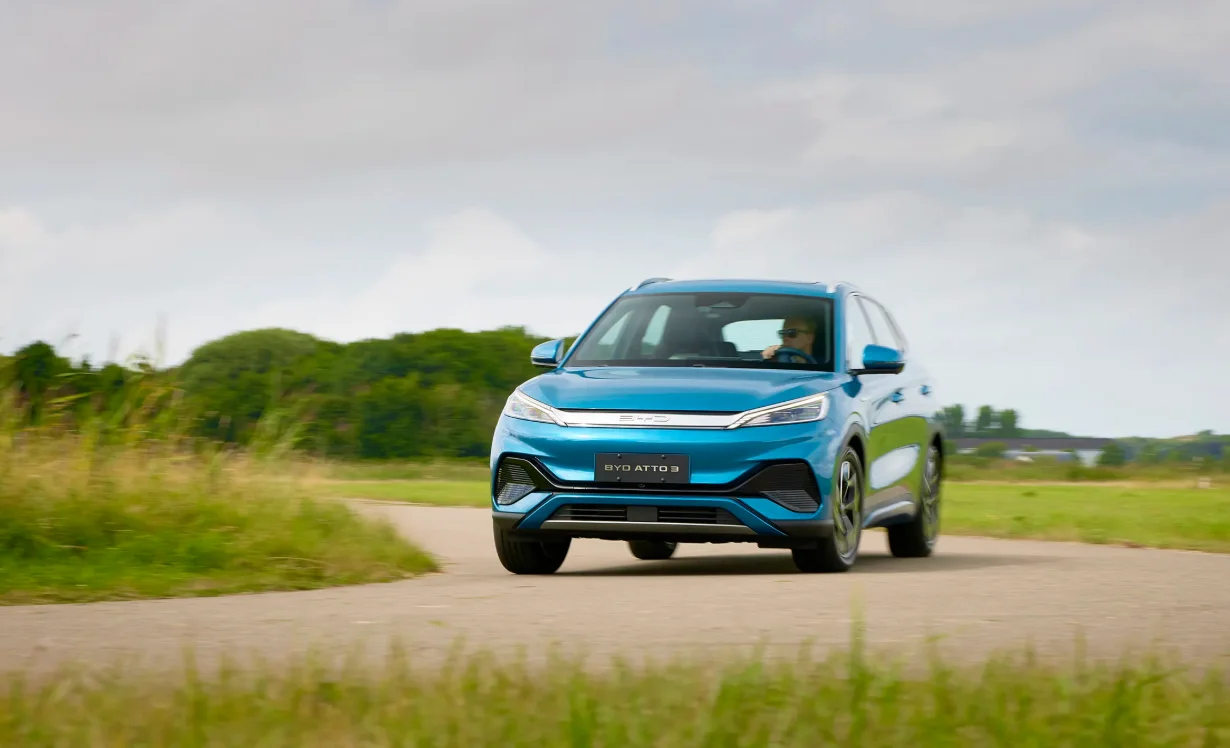
That means the average US car is twice as expensive as those in China.
You can even seen this happen with legacy brands.
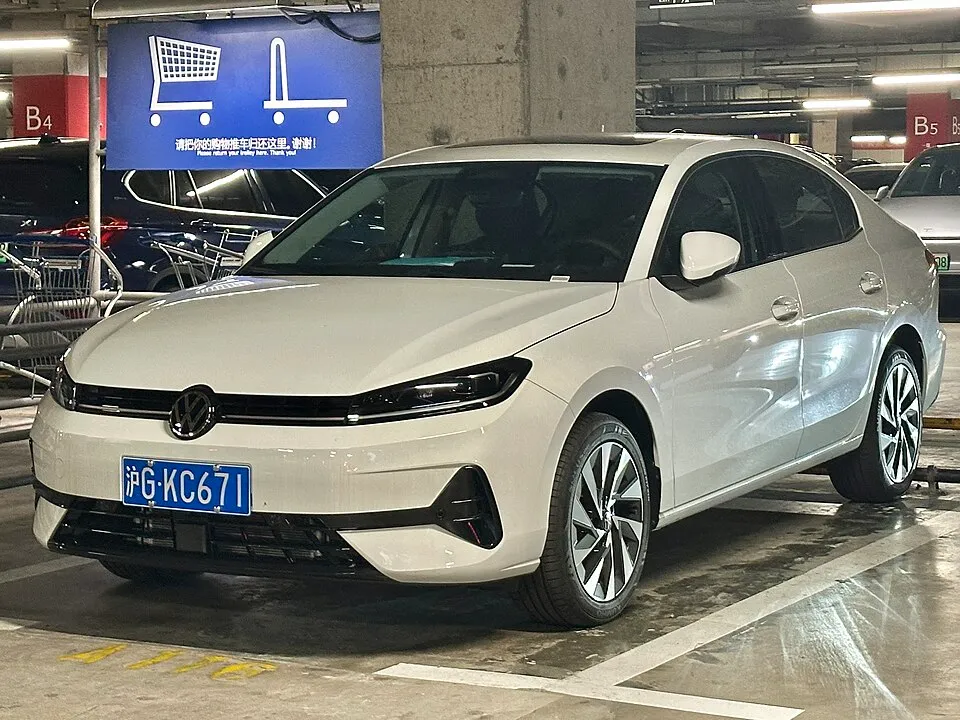
For example, Volkswagen’s Sagitar S has a starting price roughly equivalent to $11,600 when sold in China.
In the US, a Jetta costs around $23,995.
Does Europe fare any better against cheaper cars from China?
Things don’t look much better in Europe.
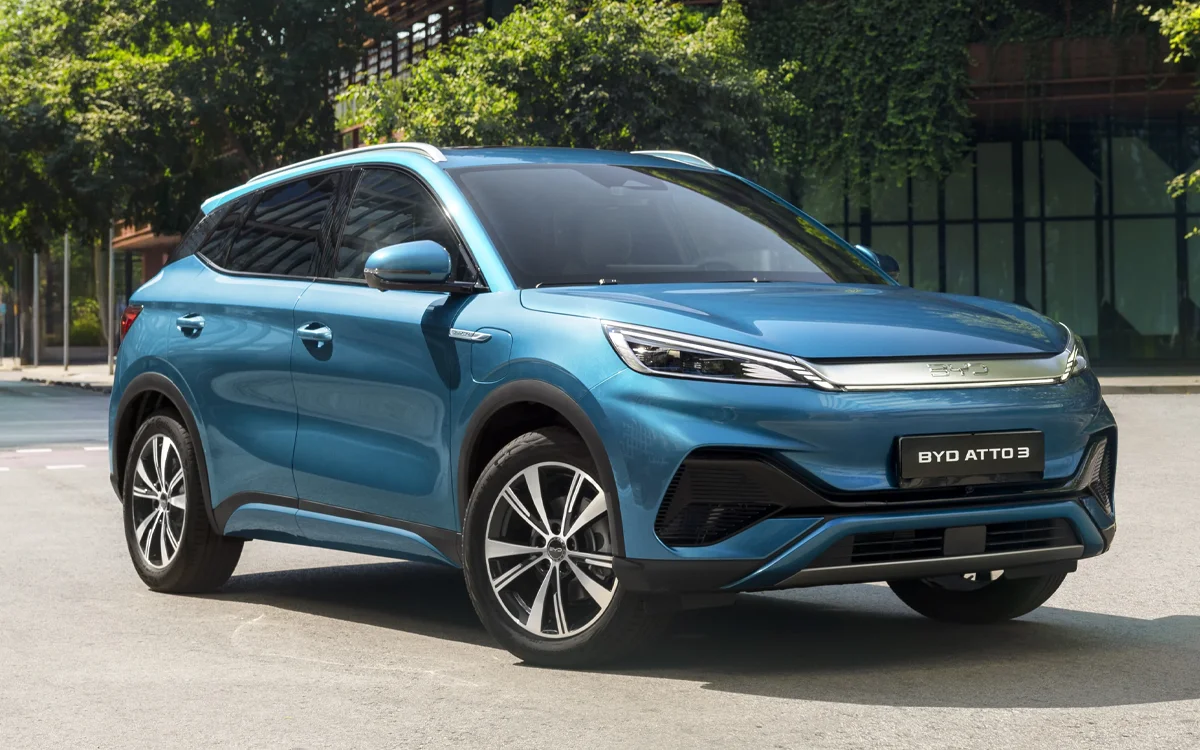
Take the BYD Dolphin as a perfect case study of that – it costs $16,524 in China, but $37,439 in Germany.
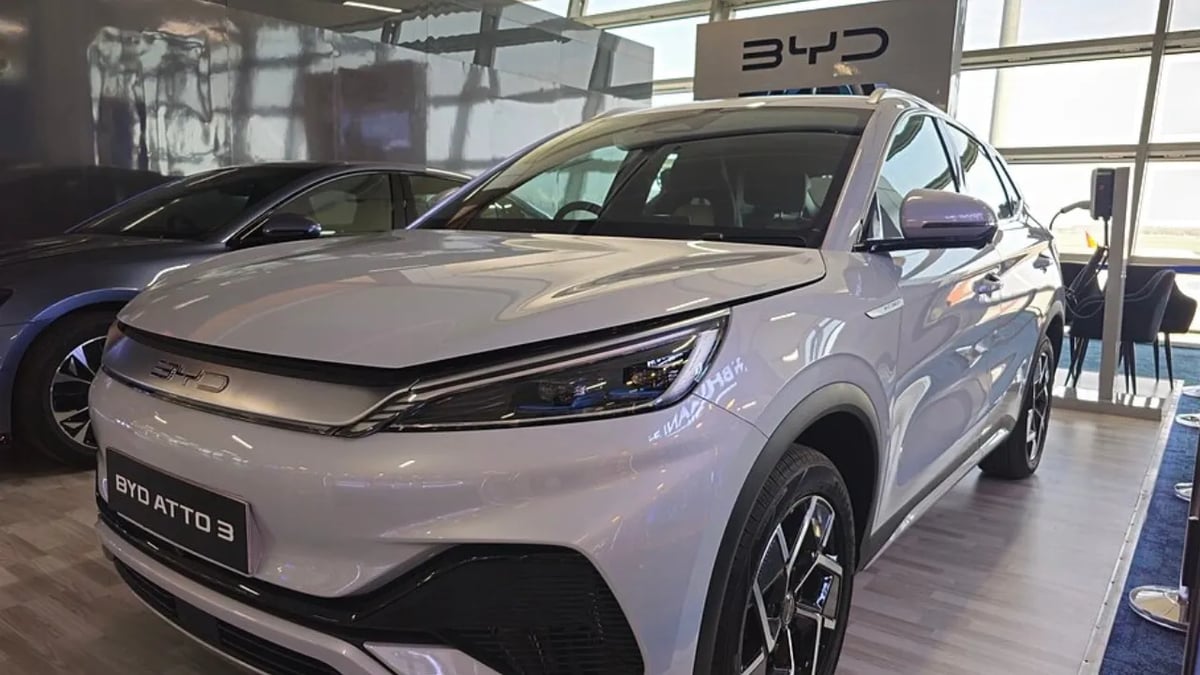
The Atto 3 jumped from $19,283 to $42,789, more than doubling once it left China.
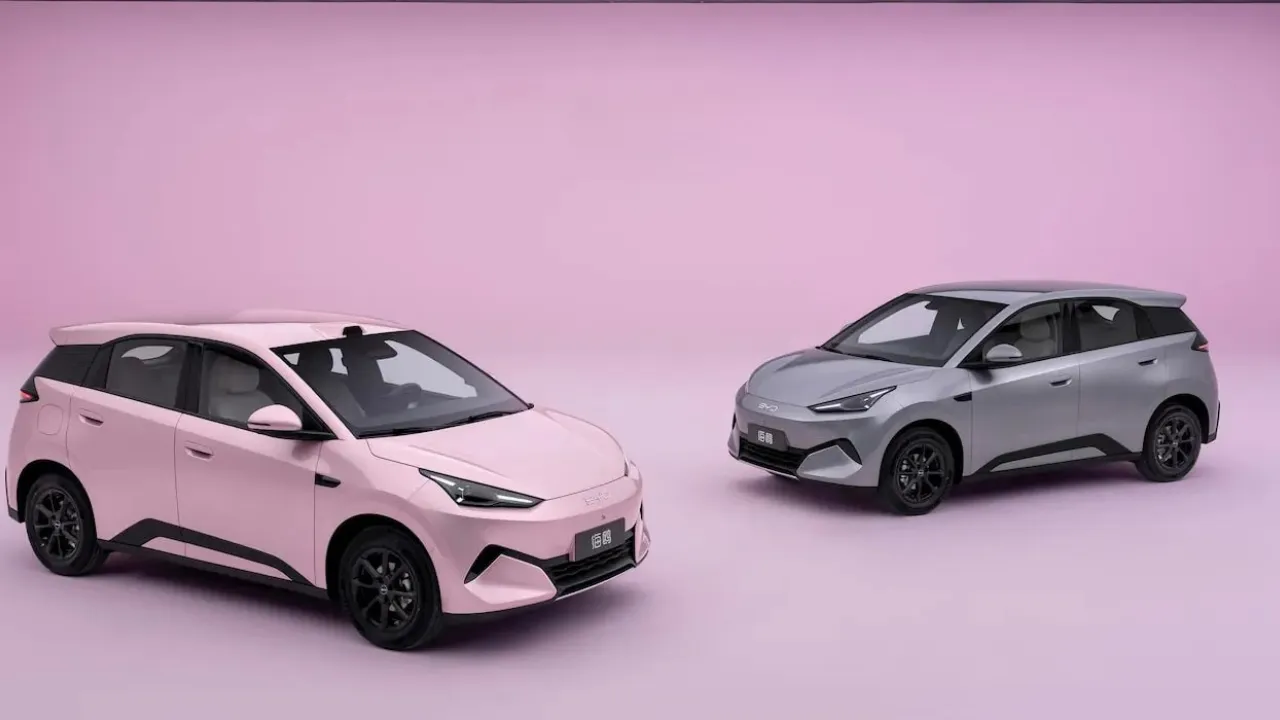
It’s a similar story in the UK, where the Dolphin Surf has a starting price of £18,650 [$24,366].
Over in China, that same car – sold as the Seagull – goes for around 65,900 yuan [$9,000].
What explains this disparity in cost?
Why are there cheaper cars in China?
For a start, electricity is cheaper in China than it is in the US.
That might seem like an irrelevant factor at first glance, but cheap energy really does impact everything.
Making materials and parts requires a lot of energy, and factories obviously need it to run.
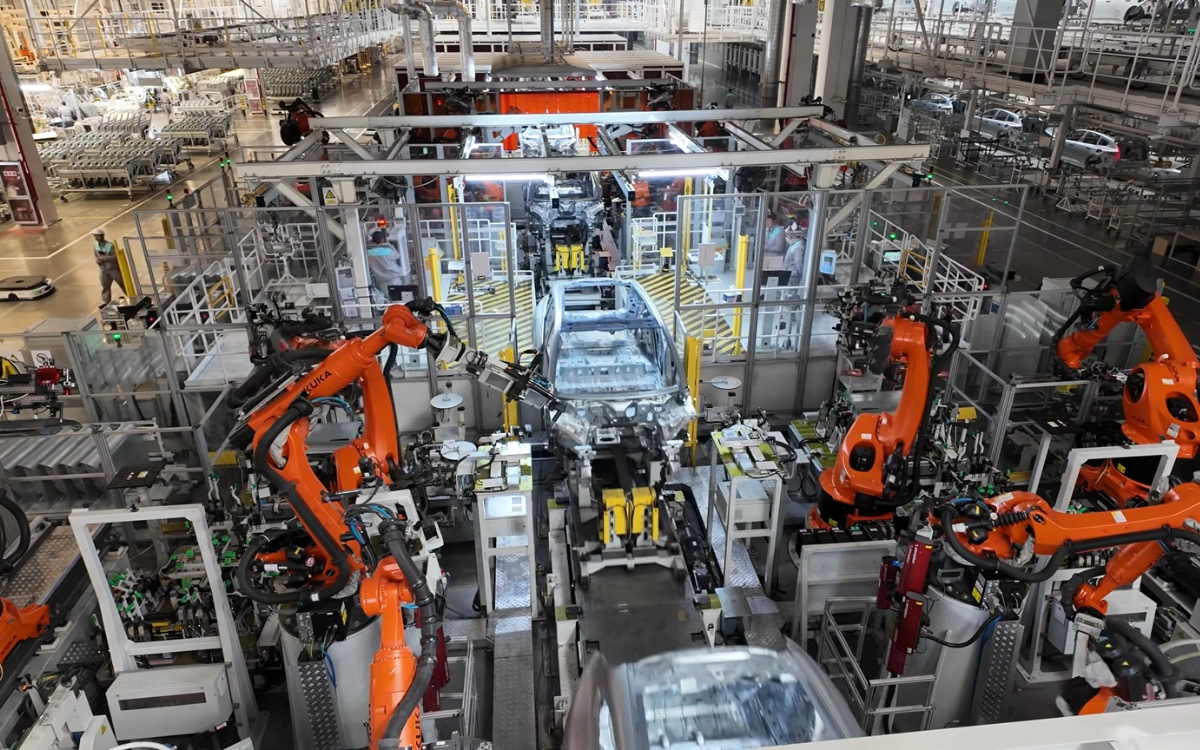
Other factors such as cheaper labor and subsidized land also factor into lower manufacturing costs.
Battery prices are also roughly 18 percent lower than they are in Europe.
Cheaper R&D doesn’t hurt either.
But increasingly, Chinese cars in foreign markets are more expensive – or next to impossible to obtain.
Tariffs of more than 100% have kept Chinese cars out of the American market, while in Europe, higher EU duties have made Chinese brands price more cautiously than at home.
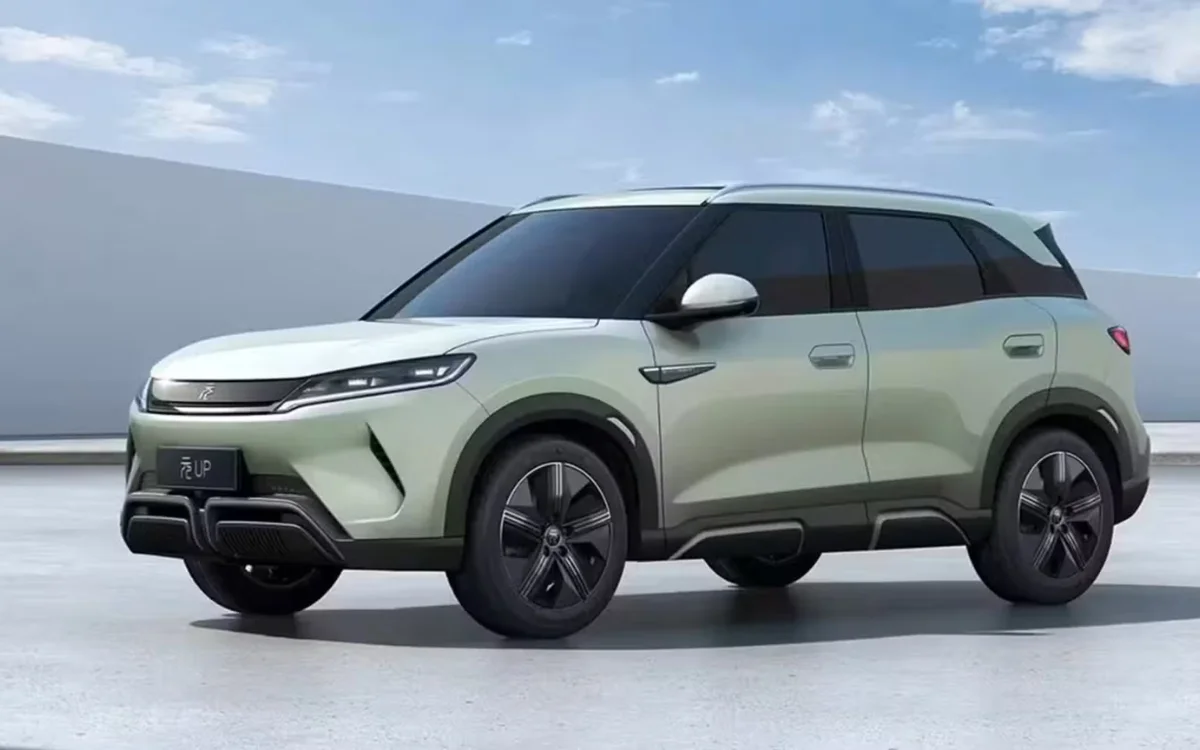
There’s a lot of nuance to consider – many of the cheaper cars would be considered ‘city runabouts’, so it may not be a like-for-like comparison in all cases.
But the direction of travel is clear – Chinese cars are on the rise.
And the cheaper prices make them look all the more appealing.
The best of Supercar Blondie, every Sunday
The week's best car stories, straight to your inbox. Free.
Ben joined Supercar Blondie in February 2025 after being published by international organizations including LADbible, The Sun, the New York Post, and the Daily Mail. He covers supercars, rare and collectible vehicles, aviation, luxury assets, and the fascinating people behind them. His reporting has explored everything from seven-figure supercars and historic Ferrari collections to unusual aircraft adventures and extraordinary automotive discoveries from around the world. Ben has also gained first-hand insight into vehicle craftsmanship and customization, including visiting specialist workshops to see bespoke vehicles up close.