China has made an ‘artificial sun’ which could lead to a nuclear fusion breakthrough
Published on Jan 14, 2026 at 5:04 PM (UTC+4)
by Ben Thompson
Last updated on Jan 14, 2026 at 9:22 PM (UTC+4)
Edited by
Emma Matthews
Scientists in China have created an ‘artificial sun’ which could be the key to a nuclear fusion breakthrough.
The Experimental Advanced Superconducting Tokamak isn’t quite the big ball of fire you have probably pictured in your head, but it’s still significant nonetheless.
Nuclear fusion has long been a desired goal of scientists around the world.
Many have tried to make it a reality, but none have succeeded so far – could this artificial sun be the turning point?
EXPLORE SBX CARS – Supercar auctions starting soon powered by Supercar Blondie
How does this artificial sun work, and why might it bring about nuclear fusion?
Before we go any further, it’d help if we just clarify what nuclear fusion is.
To quote the International Atomic Energy Agency:
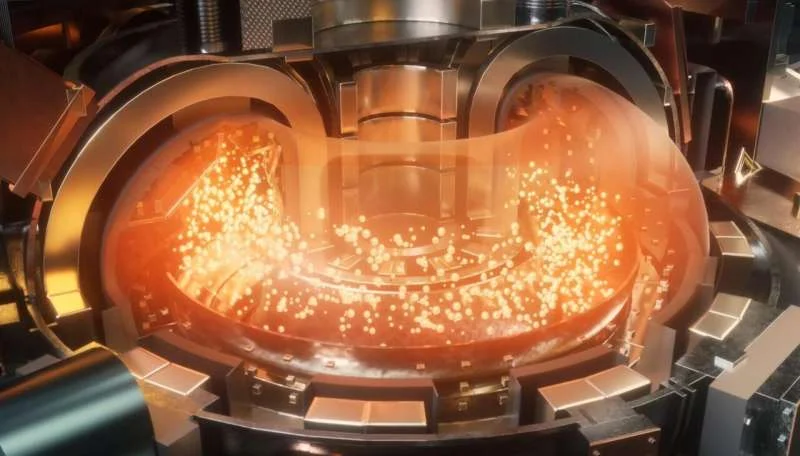
“Nuclear fusion is the process by which two light atomic nuclei combine to form a single heavier one while releasing massive amounts of energy.
“Fusion reactions take place in a state of matter called plasma – a hot, charged gas made of positive ions and free-moving electrons with unique properties distinct from solids, liquids, or gases.”
Ever since this theory came about in the 1930s, scientists and engineers have been working hard to harness it.
Doing so would provide limitless amounts of clean, safe, and affordable energy.
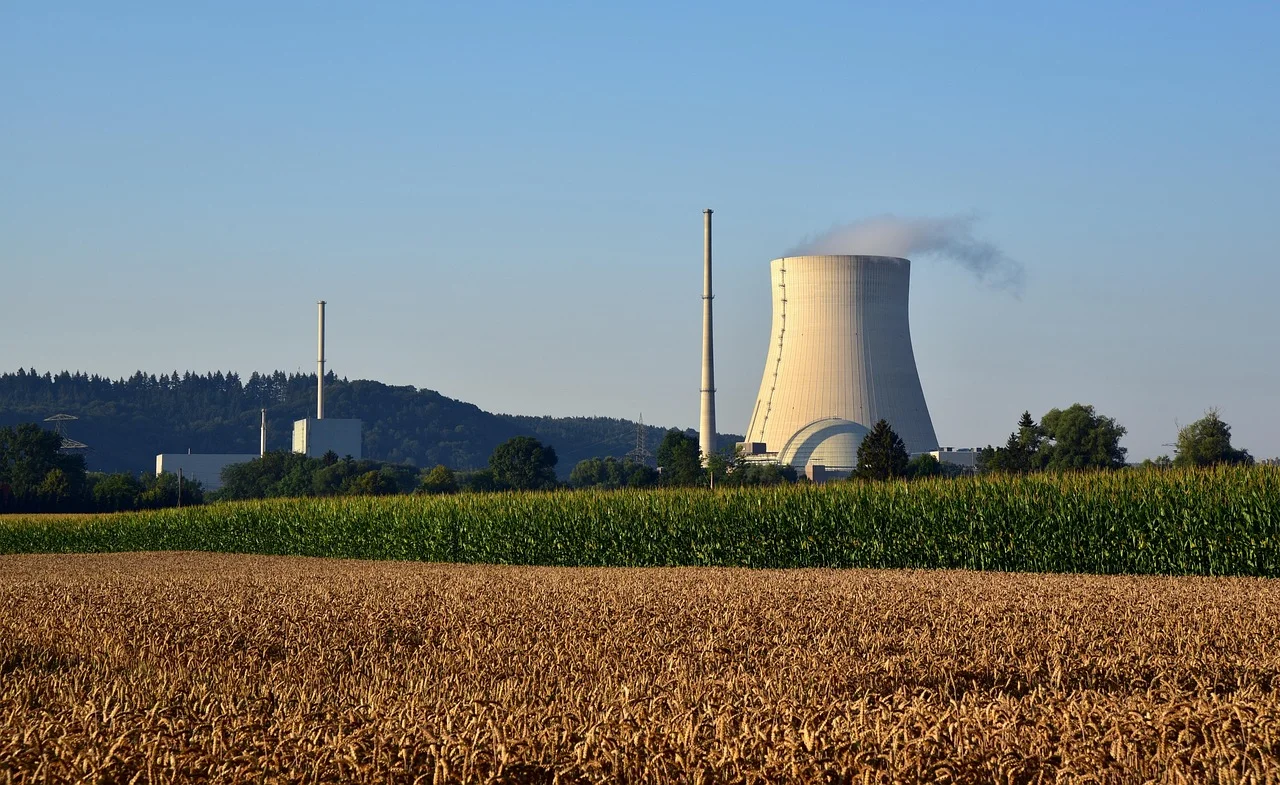
Nuclear power plants currently use fission, but fusion would produce four times more energy per kilogram of fuel than that.
Not to mention, four million times more energy than oil or coal.
So you can see why it’s in our interests to study this.
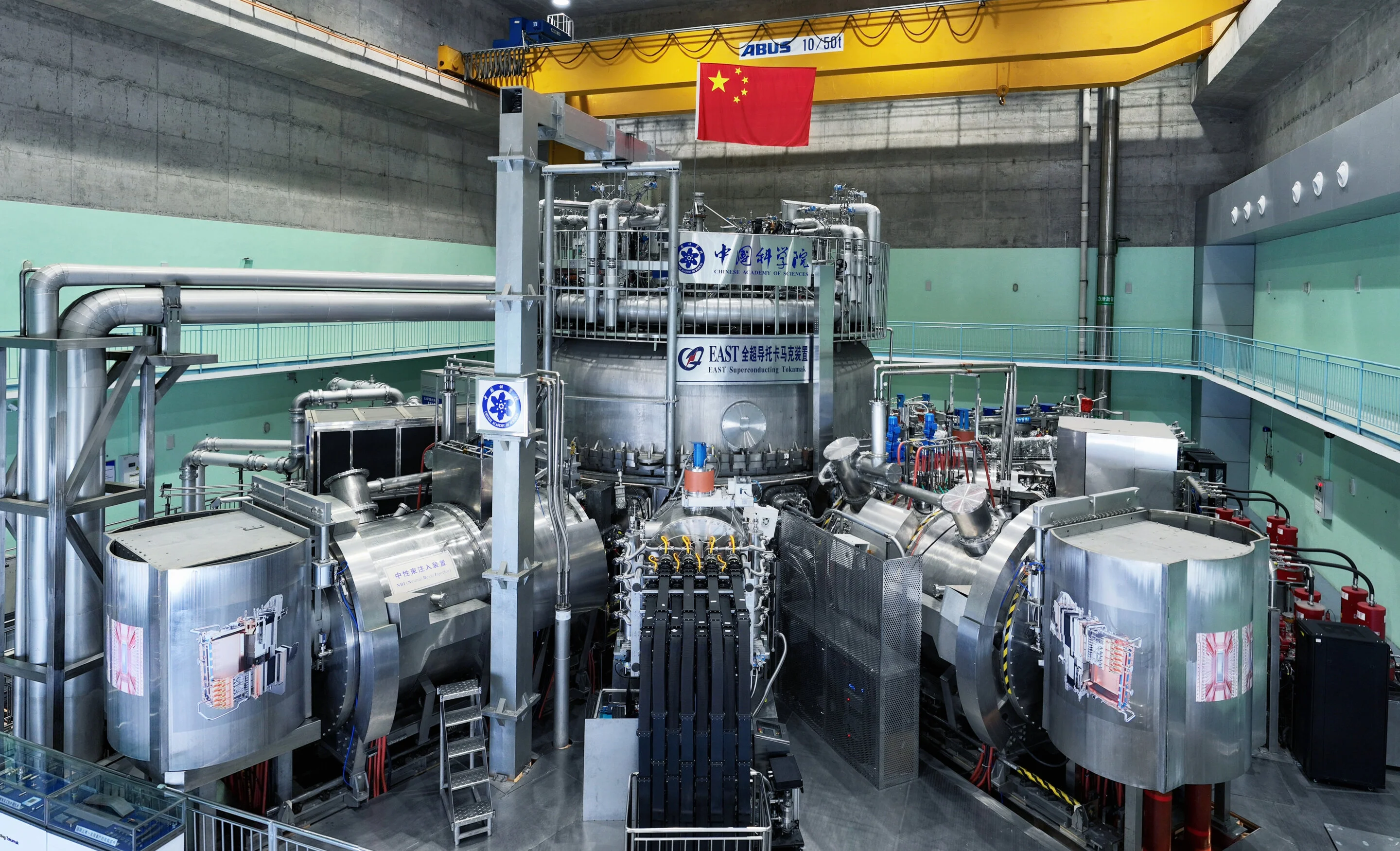
Scientists in China have certainly been giving their best shot, with the creation of the Experimental Advanced Superconducting Tokamak (EAST), known widely in the media as an ‘artificial sun’.
The name probably owes something to our own sun, which, like all other stars, is powered by fusion reactions.
Since its inception in 2006, EAST has been a testing platform for scientists in and outside of China.
There’s been a lot of hard work, and a milestone has recently been achieved.
A long-standing density barrier was broken, confirming that plasma can remain stable if its interactions with the reactor walls are kept under control.
This is a big deal, as keeping plasma under control has been a huge barrier in achieving nuclear fusion.
And this isn’t the only accomplishment this team of scientists has to its name.
Nuclear energy presents a lot of challenges, but offers a lot of opportunities
In 2025, EAST maintained ‘steady-state high-confinement plasma operation’ for 1,066 seconds.
This beats the previous record of 403 seconds, also achieved by EAST in 2023.
What’s the end goal? To create an artificial sun that could recreate the nuclear fusion processes that take place in the real sun.
If this could be done, humans would gain a practically limitless energy source.
Achieving this is a big challenge, but the scientists at the Chinese Academy of Sciences are determined, while also being encouraged by their accomplishments.
It looks like they’ve got some competition, though, as South Korean scientists are working on something similar.
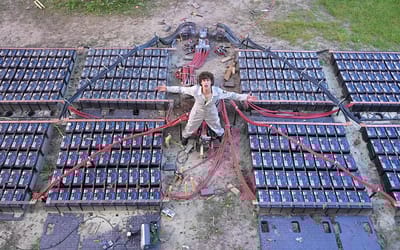
And then there’s Jackson Oswalt, the 12-year-old from Memphis, who achieved fusion before his 13th birthday.
You’ll have no doubt heard a lot about nuclear energy, whether it’s Rolls-Royce developing a nuclear reactor to power rockets, or abandoned concept cars from the 1950s.
But it looks like nuclear energy is just getting started.
DISCOVER SBX CARS: The global premium car auction platform powered by Supercar Blondie
Following stints at LadBible, The Sun, The New York Post, and the Daily Mail, Ben joined the team full-time in February 2025. In his role as Senior Content Writer, his sparkling copy, the ability to sniff out a good story at 100 paces, and a GSOH quickly led to him becoming an integral and invaluable member of the writing staff.