China is banning all touchscreen-only car controls so physical buttons have to be used instead
Published on Oct 24, 2026 at 6:11 PM (UTC-4)
by Ben Thompson
Last updated on Oct 24, 2026 at 6:11 PM (UTC-4)
Edited by
Mason Jones
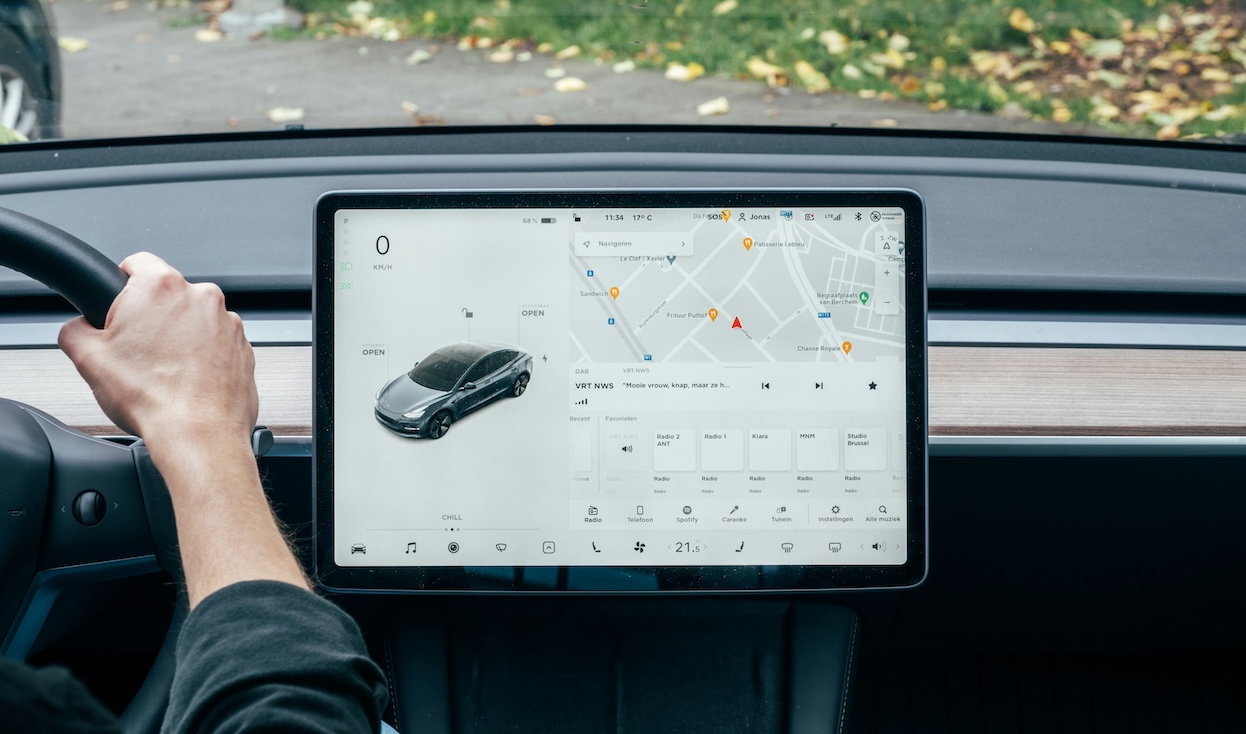

China has cracked down on touchscreen-only car controls, potentially bringing physical buttons back in vogue.
The Chinese Ministry of Industry and Information Technology has identified several features it wants to veto in cars.
This follows on from an order which banned Tesla-style pop-out door handles.
So why are touchscreen-only car controls being lined up for extinction?
Car features being banned in China
China is often looked to as a country that’s lightyears ahead of the rest of us.
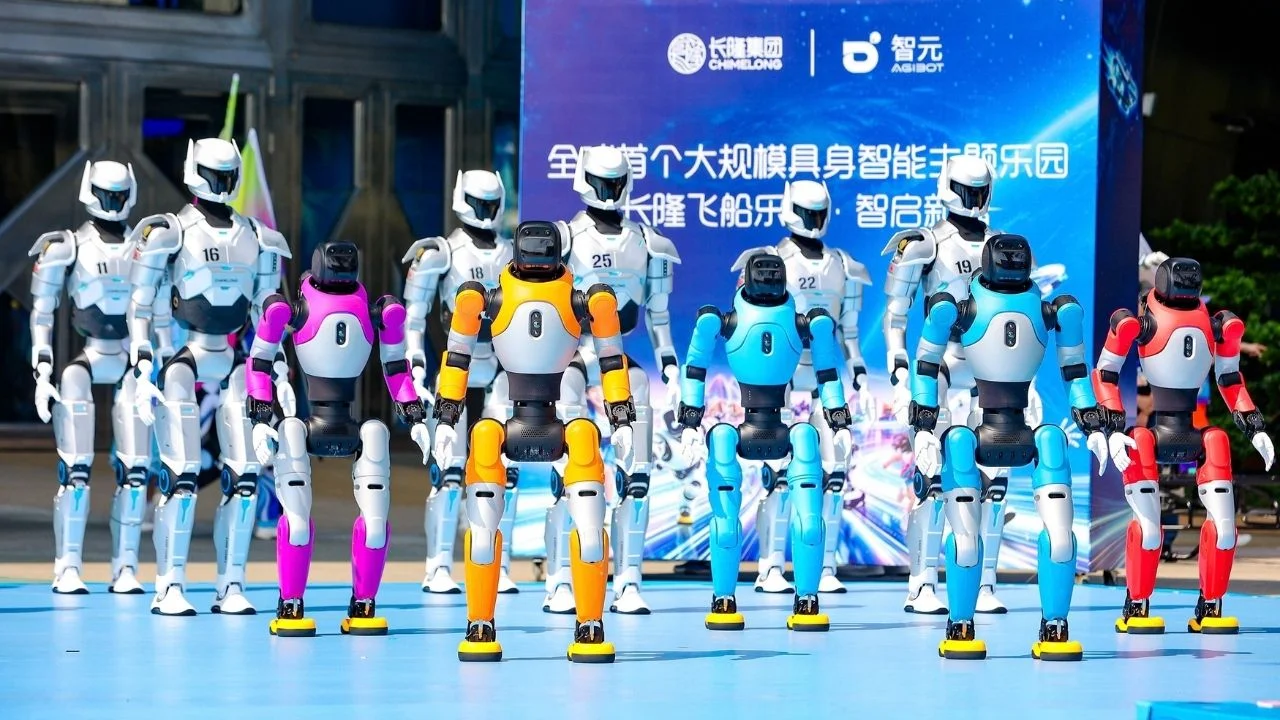
It’s easy to see why that would be, when you see operational railways running through apartment buildings and the world’s fastest supercomputer coming out of it.
So you’d think this is a country always revolutionizing and thinking about the future.
But in recent months, there’s been a lot of headlines about the country banning different cars features.

China has been moving to ban different features that we would often think of as being futuristic – whether that be yoke steering wheels or hidden door handles.

Safety concerns are often cited, with Chinese officials pointing to the yoke steering wheel as the cause of 46 percent of driver injuries.
At any rate, more features now face extinction in the country.
This is why touchscreen-only car controls look likely to be banned in China
China’s Ministry of Industry and Information Technology (MIIT) is targeting distracting infotainment screens for termination.
Critical functions such as gear selection, window defrosters, and headlight controls must be adjustable via physical buttons or switches.
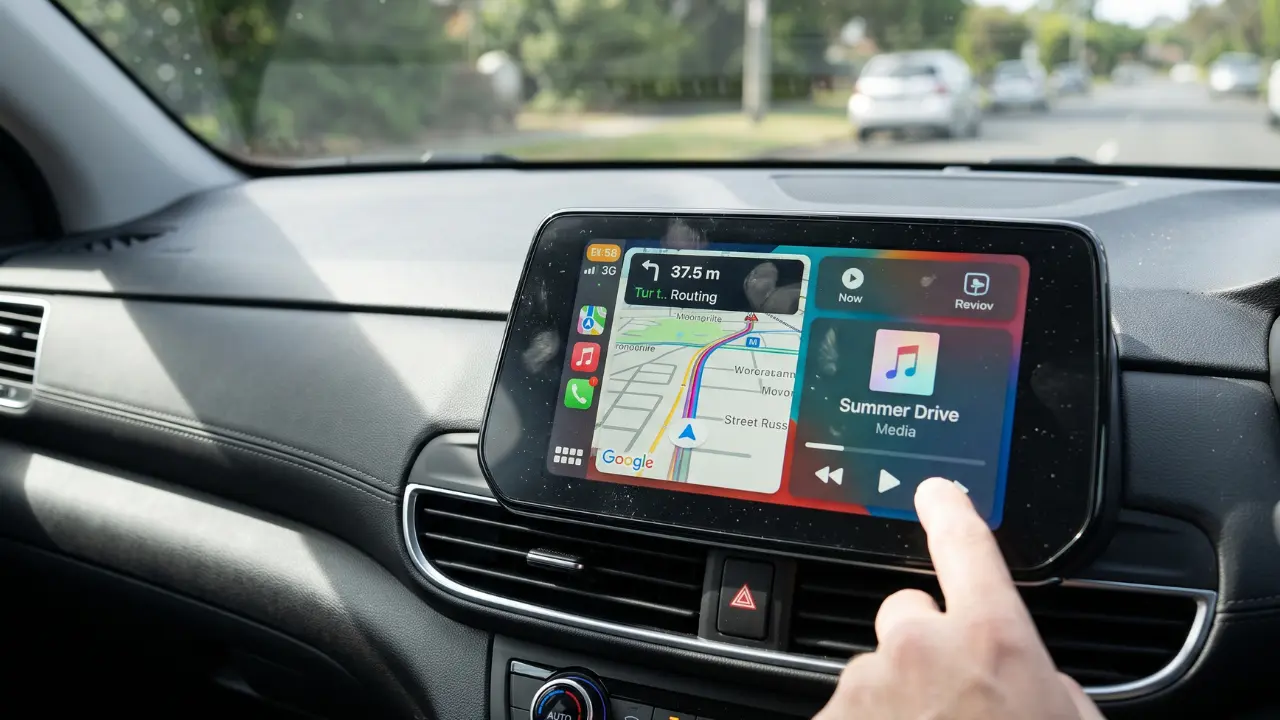
Other features would no longer be solely on screen, including emergency calls, and horns.
All in all, there were 19 functions listed which would require physical controls.
Reports indicate that this ban would come into effect in 2027, with buttons required to be at least 10mm by 10mm.
And as if that wasn’t specific enough, Chinese characters are required alongside the usual graphics – a simple ‘AC’ won’t cut it.
This move has been praised in some corners, with a writer at The Independent declaring that the rest of the world should follow suit.

“The issue has always been the things you use constantly while driving: temperature, demisting, volume, wipers, driving modes,” the writer argued.
“Things where a quick glance can become a longer one, and where a simple knob, button or stalk does the job far better.”
What other features are on the chopping block?
If you like your fully reclining seats and you live in China, you’re out of luck – they’re facing a ban too.
Folding and flexible screens are also up for termination.
Screens in general are facing tighter scrutiny, with MIIT proposing that cars with large displays or complex head-up displays should undergo safety evaluations.

The idea is to test how distracting they are for drivers and see how they fare in collisions.
If judged to be too distracting, these screens should be slapped with a ban.
While this is China-specific for now, these bans could have wider ramifications for the rest of the world.
Lest we forget, it’s a huge market and a growing force in the car world.
These ripples will undoubtedly pass over into other countries as time goes on.
Ben joined Supercar Blondie in February 2025 after being published by international organizations including LADbible, The Sun, the New York Post, and the Daily Mail. He covers supercars, rare and collectible vehicles, aviation, luxury assets, and the fascinating people behind them. His reporting has explored everything from seven-figure supercars and historic Ferrari collections to unusual aircraft adventures and extraordinary automotive discoveries from around the world. Ben has also gained first-hand insight into vehicle craftsmanship and customization, including visiting specialist workshops to see bespoke vehicles up close.




