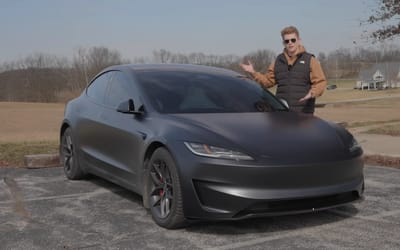
China's EVs have come up with a solution to range anxiety and it's not batteries with extended range
Published on Jan 02, 2026 at 8:59 AM (UTC+4)
by Jason Fan
Last updated on Jan 02, 2026 at 5:15 PM (UTC+4)
Edited by
Kate Bain

For drivers still losing sleep over range anxiety, China is showing that extended-range EVs may not be the safety net everyone assumed they were.
For years, adding a gasoline engine as a backup felt like the logical answer to charging worries.
But Chinese carmakers are increasingly solving the problem without adding anything under the hood.
Instead, drivers are plugging into something much bigger: infrastructure.
SBX CARS – View live supercar auctions powered by Supercar Blondie
What China’s doing to lead the way for EV drivers
Extended-range EVs (EREVs) and plug-in hybrids once looked like the perfect bridge between combustion and full electrification.
That compromise made sense when chargers were sparse, and battery ranges were modest.
But recent sales data shows a clear shift.
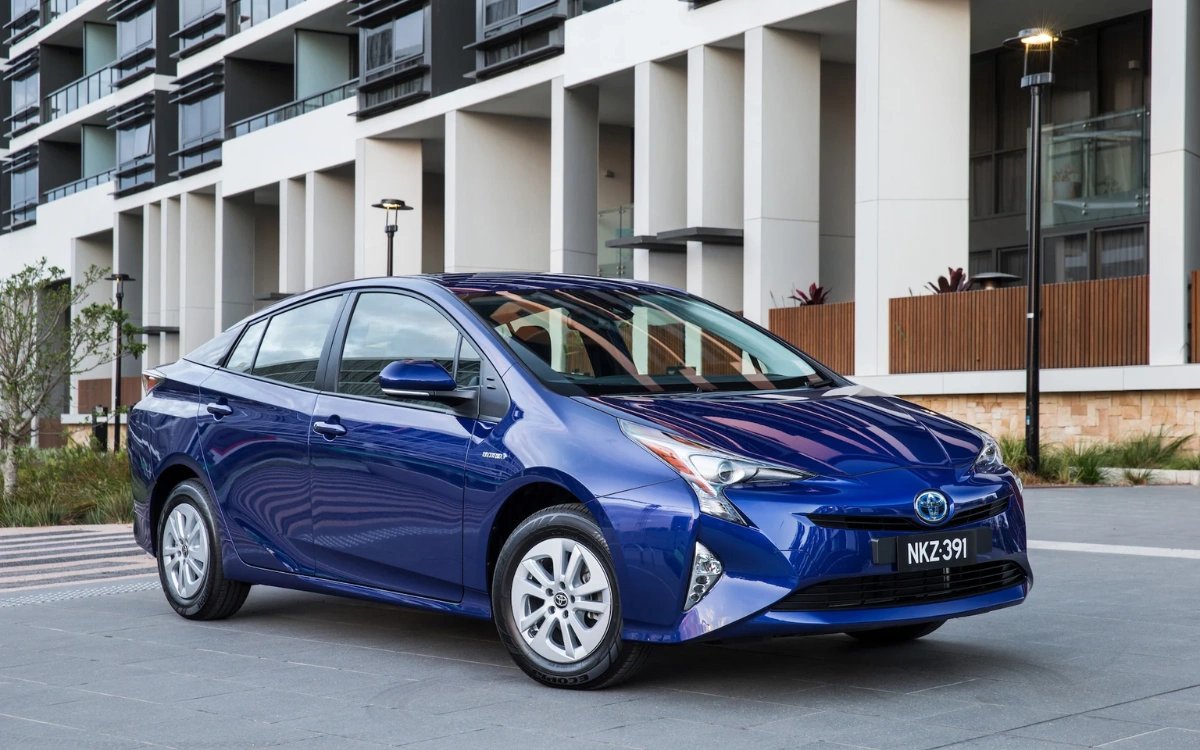
In November last year, 57 percent of buyers chose pure battery-electric vehicles, while 43 percent opted for EREVs.
This year, that gap widened dramatically, with 73 percent choosing full EVs and just 27 percent going for range extenders.
The reason is simple: charging in China has become fast, dense, and almost unavoidable.
The country now has more than 19 million active EV charging stalls, representing a 52 percent increase over 2024.
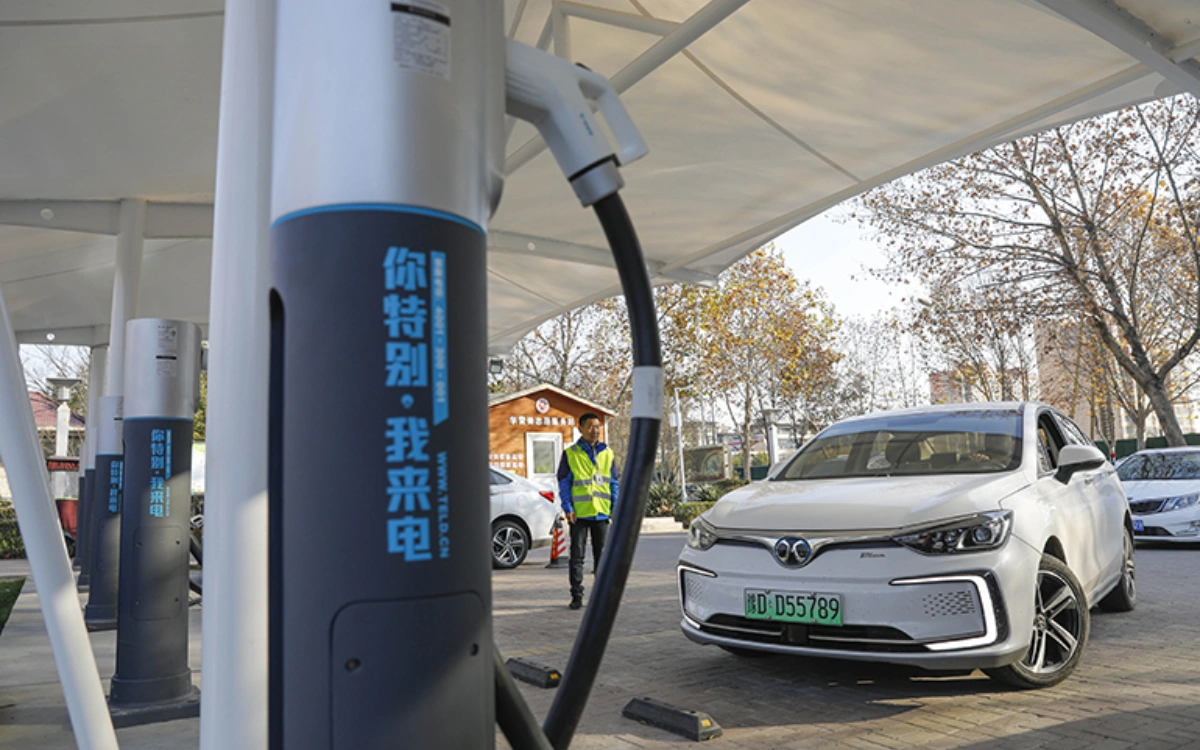
That works out to roughly two chargers for every five EVs on the road.
Even more impressive is the quality of that network.
Public chargers delivering up to one megawatt of power are already in operation, and there are production EVs capable of accepting that power and adding significant range in about five minutes.
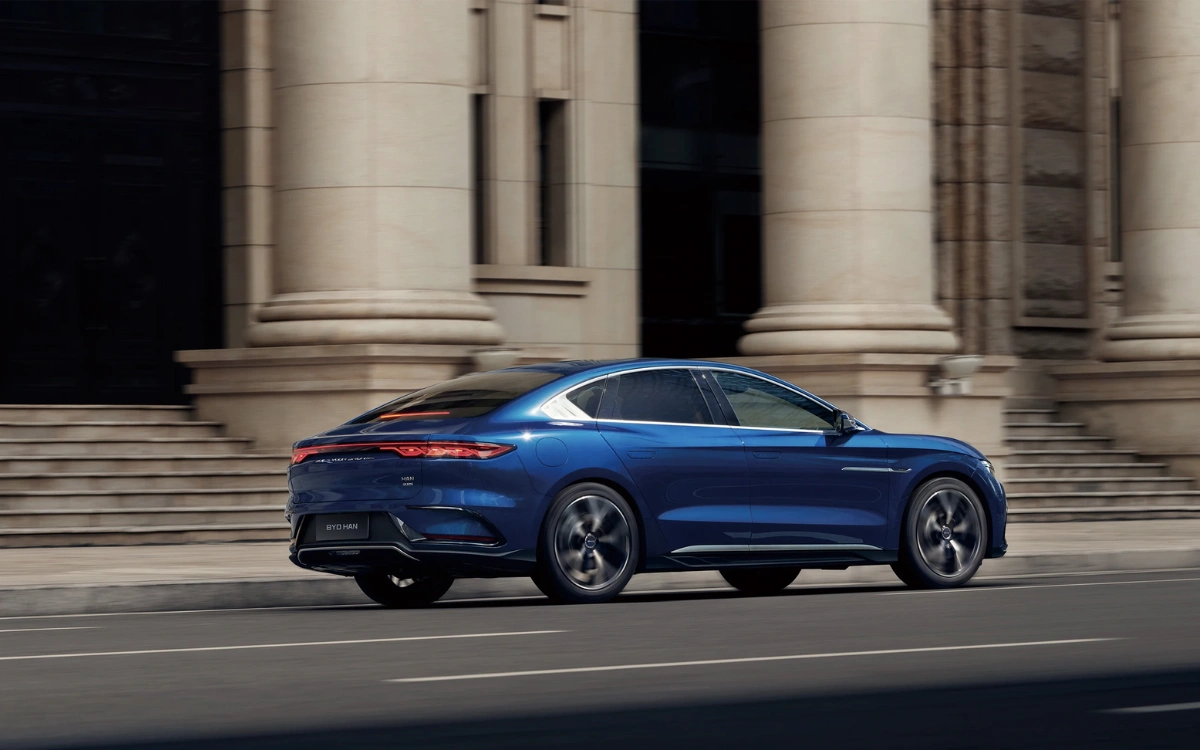
Once charging becomes as quick as filling up with gas, carrying around a gasoline generator starts to feel unnecessary.
Battery technology is offering an end to range anxiety
Many modern EVs now offer 300 miles of range as a baseline.
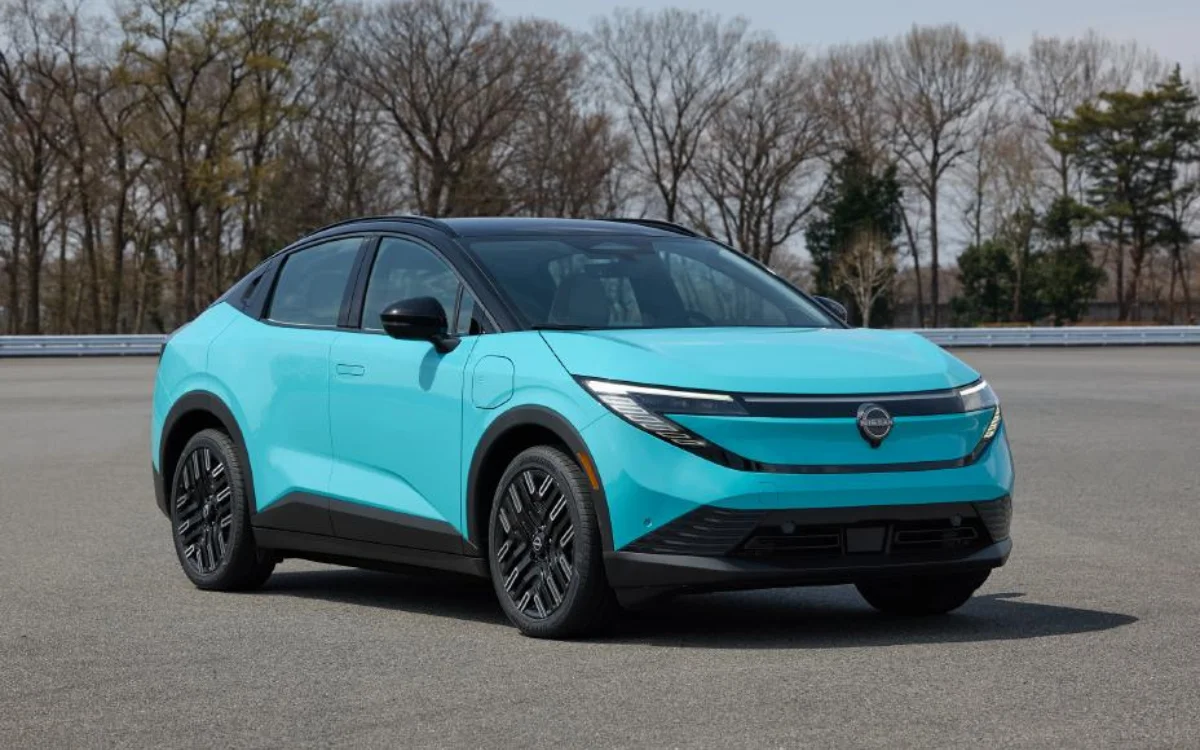
Even the Nissan Leaf, which is perhaps the most basic EV out there, recently exceeded 300 miles in a real-world range test.
Solid-state batteries promise even longer ranges, faster charging, and better durability.
At the same time, falling battery costs are making pure EVs cheaper, eroding one of the last economic advantages EREVs held.
Unsurprisingly, while EREV sales in China are still growing, that growth has slowed sharply year over year.
This is often a sign that a technology is nearing its peak.
However, that doesn’t mean extended-range EVs are doomed everywhere.
In rural areas or regions with limited charging, having a combustion engine as backup still makes sense to alleviate range anxiety.

After all, the last thing you want is to find yourself stranded thanks to having no battery.
DISCOVER SBX CARS: The global premium car auction platform powered by Supercar Blondie