Jeremy Clarkson, Richard Hammond, and James May did a $10k Italian supercar challenge that's completely impossible to do today
Published on Nov 28, 2025 at 12:08 PM (UTC-5)
by Alessandro Renesis
Last updated on Dec 01, 2025 at 9:49 AM (UTC-5)
Edited by
Emma Matthews
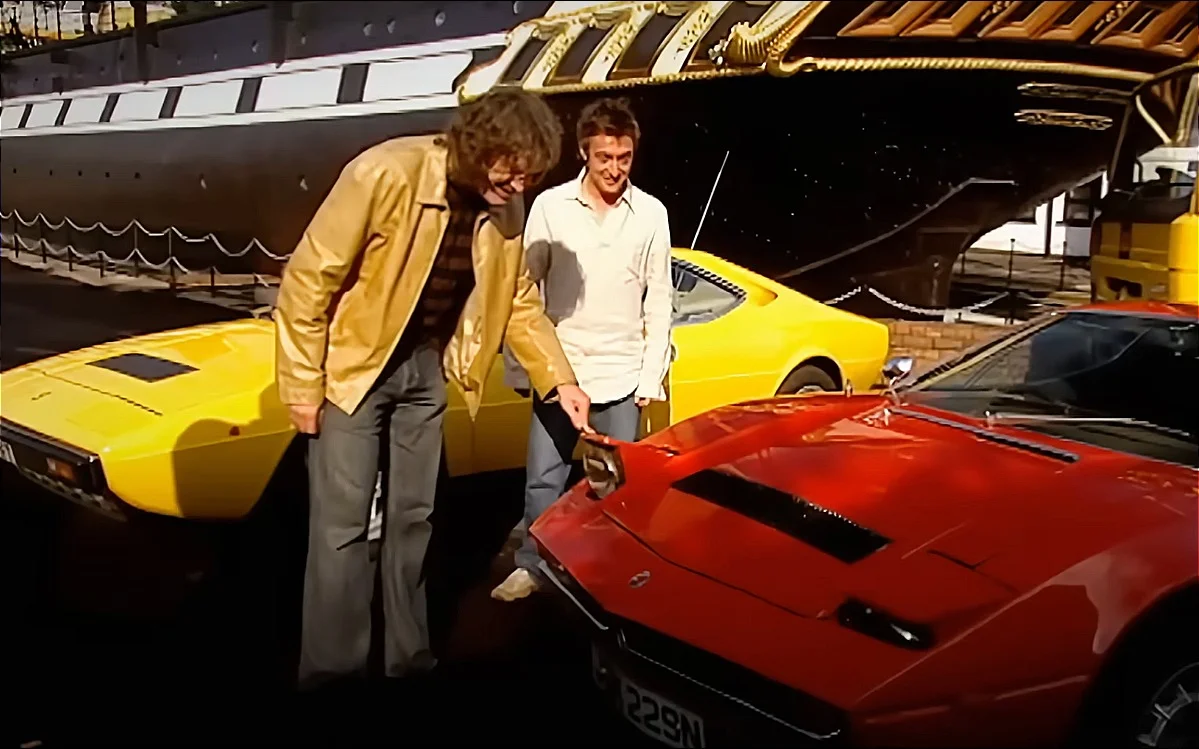

Jeremy Clarkson, Richard Hammond, and James May did a lot of interesting things on Top Gear, including some that would be impossible today.
They drove across countries that are no longer safe, and they occasionally bent and stretched health and safety rules in a way that wouldn’t be allowed now.
But they also did things that would be impossible simply because the car world has changed.
Including buying three Italian supercars for the price of a new Toyota Camry.
DISCOVER SBX CARS: The global premium car auction platform powered by Supercar Blondie
How Clarkson, Hammond, and May managed to buy three supercars for a grand total of around $30,000
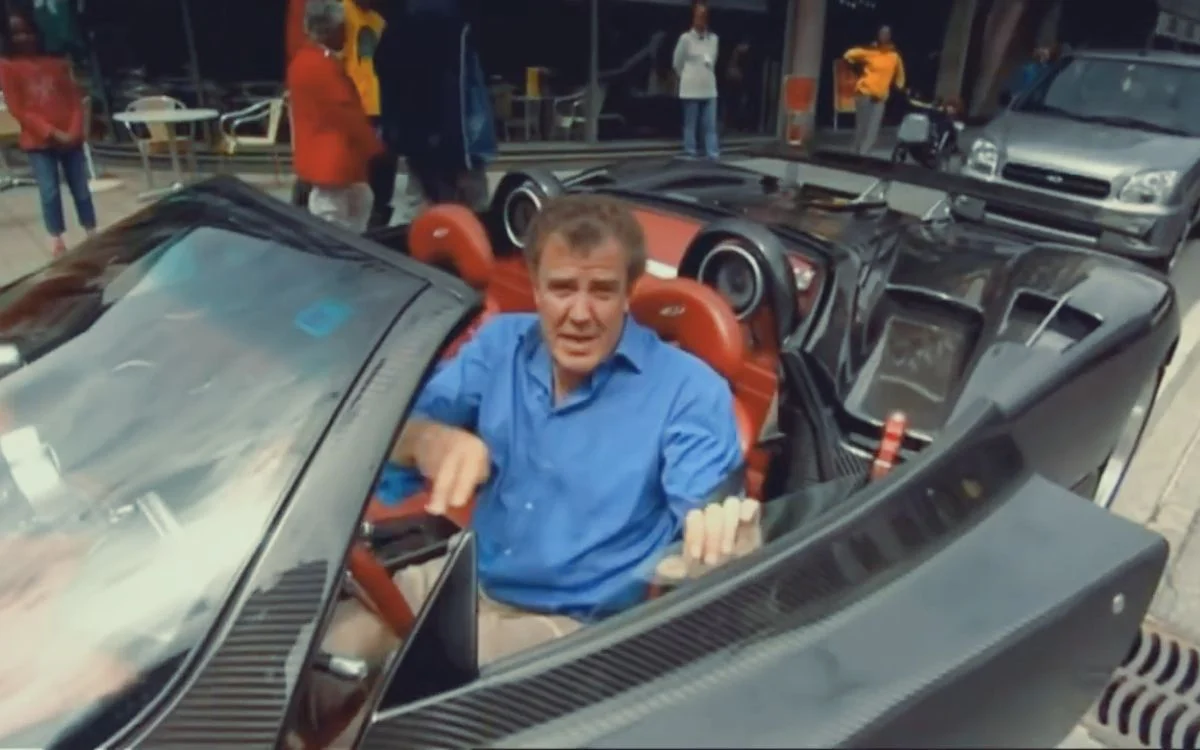
Exactly 20 years ago, the BBC gave Jeremy Clarkson, Richard Hammond, and James May $13,000 (£10,000) each and told them to buy three second-hand Italian supercars for a Top Gear Challenge.
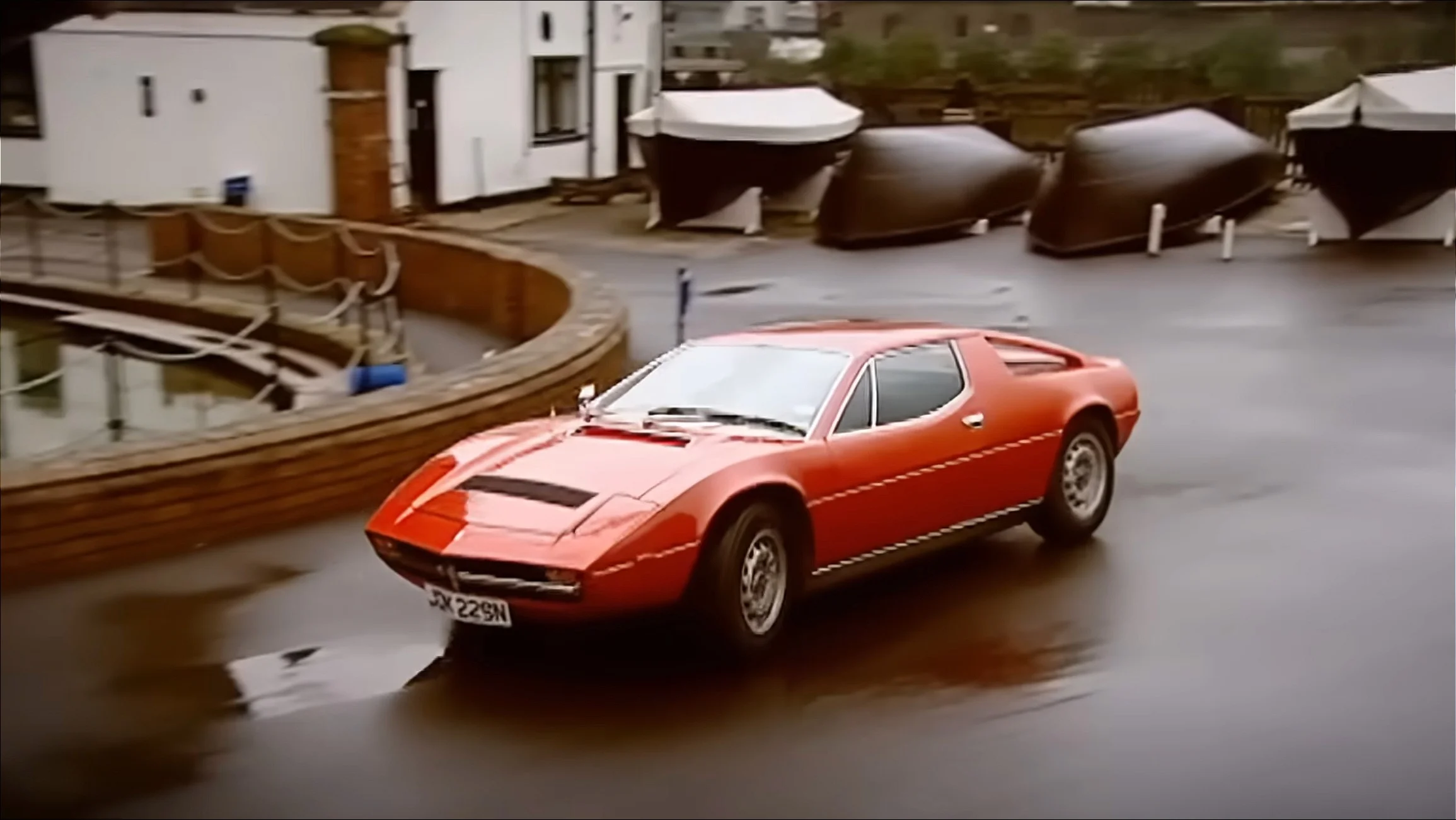
Clarkson bought a Maserati Merak, Hammond bought a Ferrari 308, and May bought a Lamborghini Urraco.
Not only were they able to do that, but they managed to stay well under the budget.
Jeremy only paid $9,200 (£7,000).

All three have appreciated in market value since.
Jeremy Clarkson only paid $7,000 for his, whereas now you can expect to pay anywhere between $50,000 and $80,000 for a Merak in good condition
The Ferrari 308 is next.
Richard Hammond spent around $13,000 on one, but it has a current market value usually just south of $100,000.
You can still find one for $80,000-$90,000.
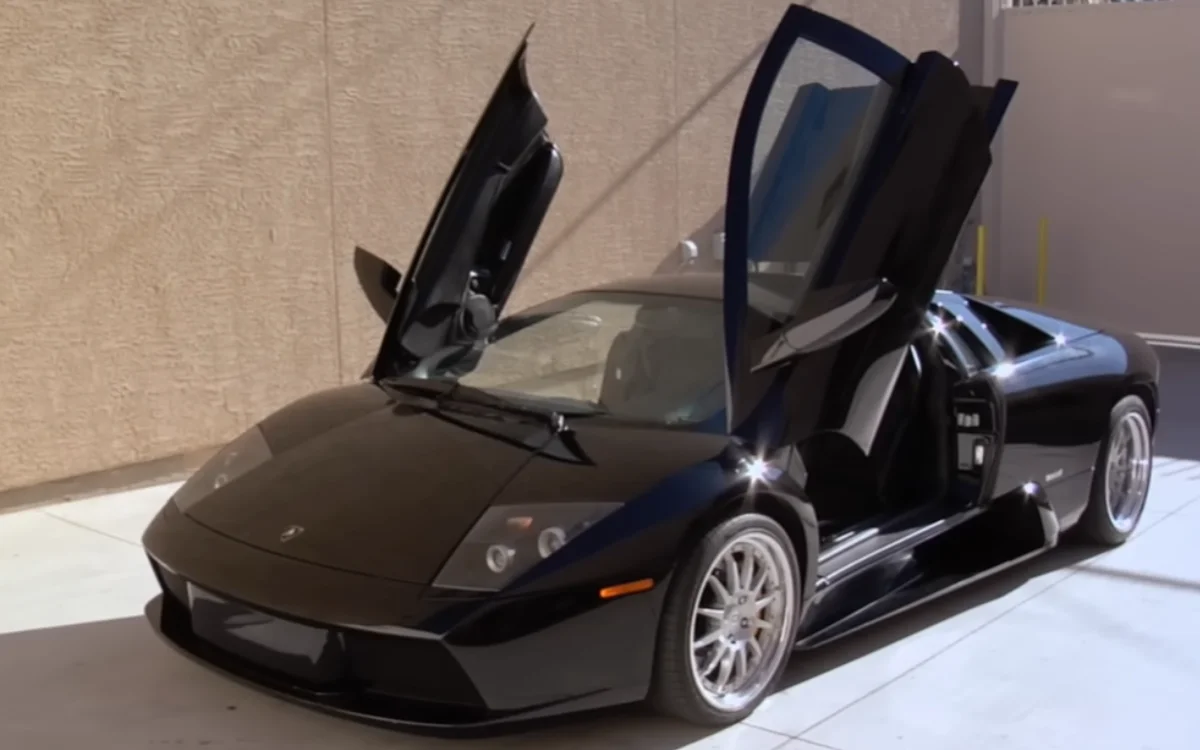
As for the Urraco, it costs 10 times what James May paid for it.
You won’t find one for less than $100,000.
Related
How did this happen?
Inflation has been around forever, but money-printing accelerated in the 2010s and even more so in the 2020s, which is why people stopped having faith in cash.
This is why everyone started buying all kinds of assets, from supercars to watches, and even NFTs – even though that craze is basically dead now.
Simultaneously, the internet turned local markets global overnight.
Every barn-find Ferrari is now visible to millions of buyers worldwide.
And there’s one more thing.
As cars go electric, collectors turn to analog cars because it feels like supply might be limited, which it is.
For example, only 791 Urracos were built, and it gets harder and more expensive to keep them in good condition.
This is also the reason why every vaguely relevant old car model seems to be going up in price these days.
People start with the true icons, like the Lamborghini Miura, then move on to ‘second best’ once the original icon becomes unattainable, and so on and so forth.
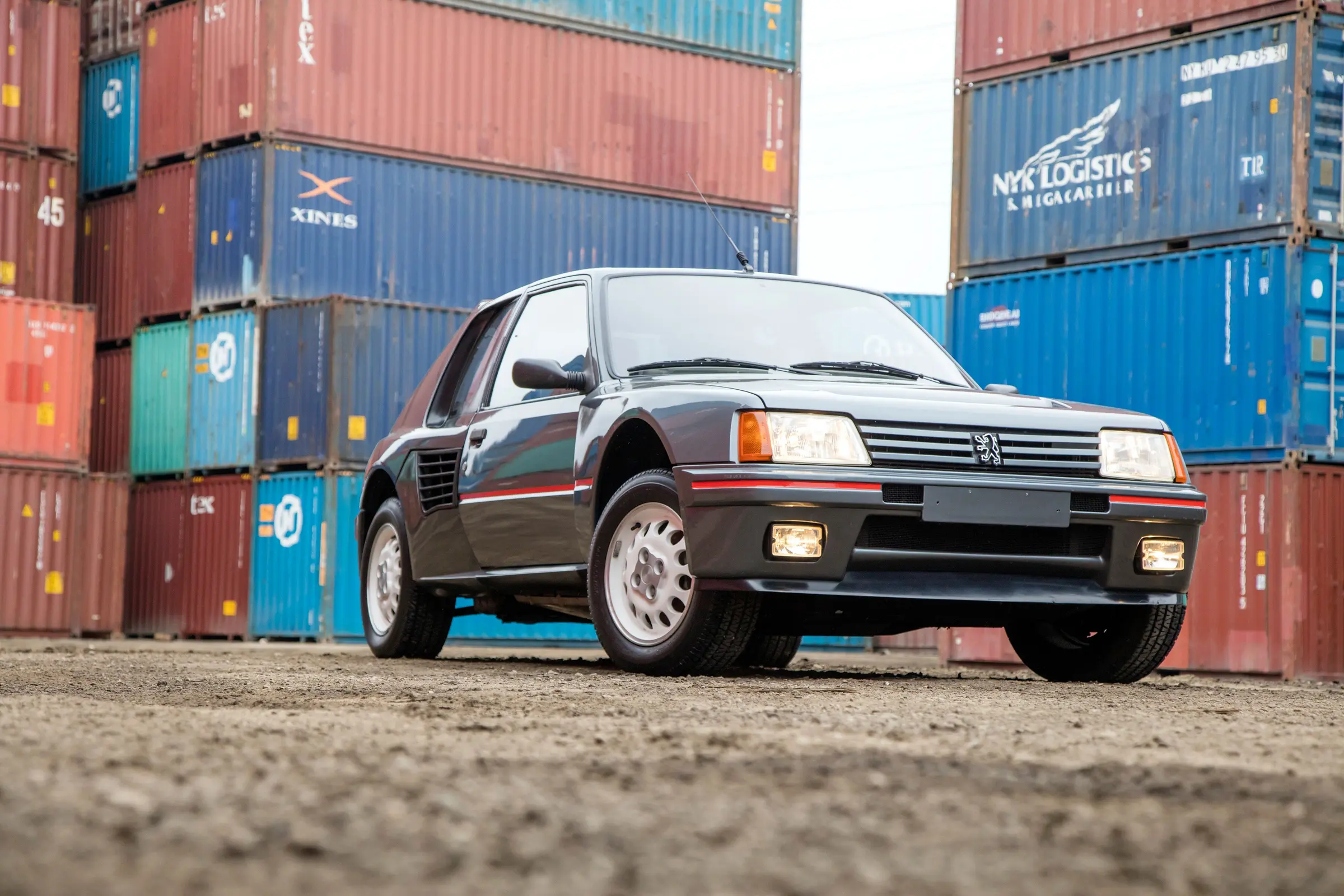
And before you know it, you end up with a 1985 Peugeot, like the one above, selling for $198,000.
This is a true story, by the way.
It really happened.
Alessandro is an automotive journalist with 10 years of experience covering supercars, automotive history, emerging vehicle technology, and luxury transportation. He wrote the first article published on SupercarBlondie.com when the website launched in 2022 and has since built a reputation for insightful reporting across the automotive and transportation industries. His expertise is grounded in hands-on experience. Alessandro has driven every Tesla model ever produced, from the original Roadster to the Cybertruck, and regularly covers the latest developments in electric vehicles and automotive innovation. His passion for transportation extends beyond cars, he has even flown a Boeing 787 Dreamliner simulator in Addis Ababa, Ethiopia. His reporting spans everything from classic American muscle cars and rare automotive discoveries to luxury yachts, private aircraft, high-end watches, and cutting-edge vehicle technology. Known for his deep knowledge of automotive history and ability to uncover the stories behind iconic vehicles, Alessandro brings readers a blend of historical context, technical expertise, and first-hand experience.