Cleetus McFarland fires up Mullet's new 4,000hp big block engine for the very first time and its huge power is wild to see
Published on Oct 18, 2026 at 5:52 AM (UTC-4)
by Alessandro Renesis
Last updated on Oct 18, 2026 at 5:52 AM (UTC-4)
Edited by
Mason Jones
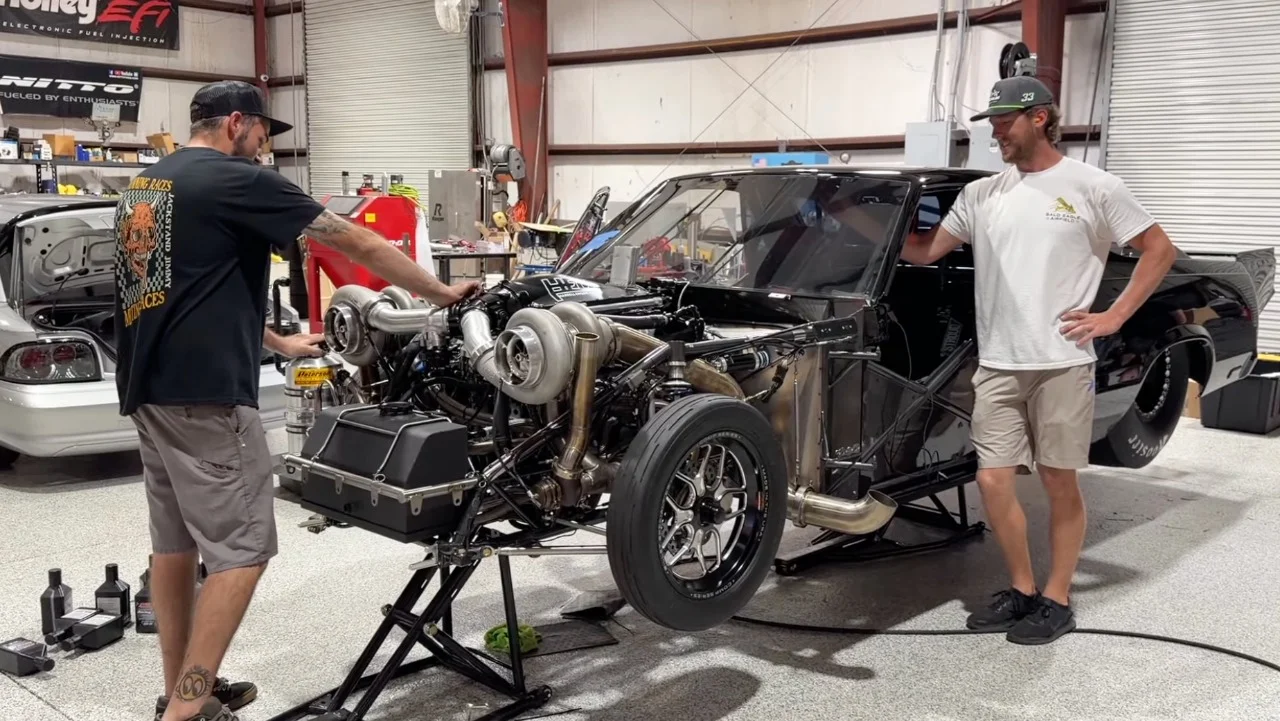

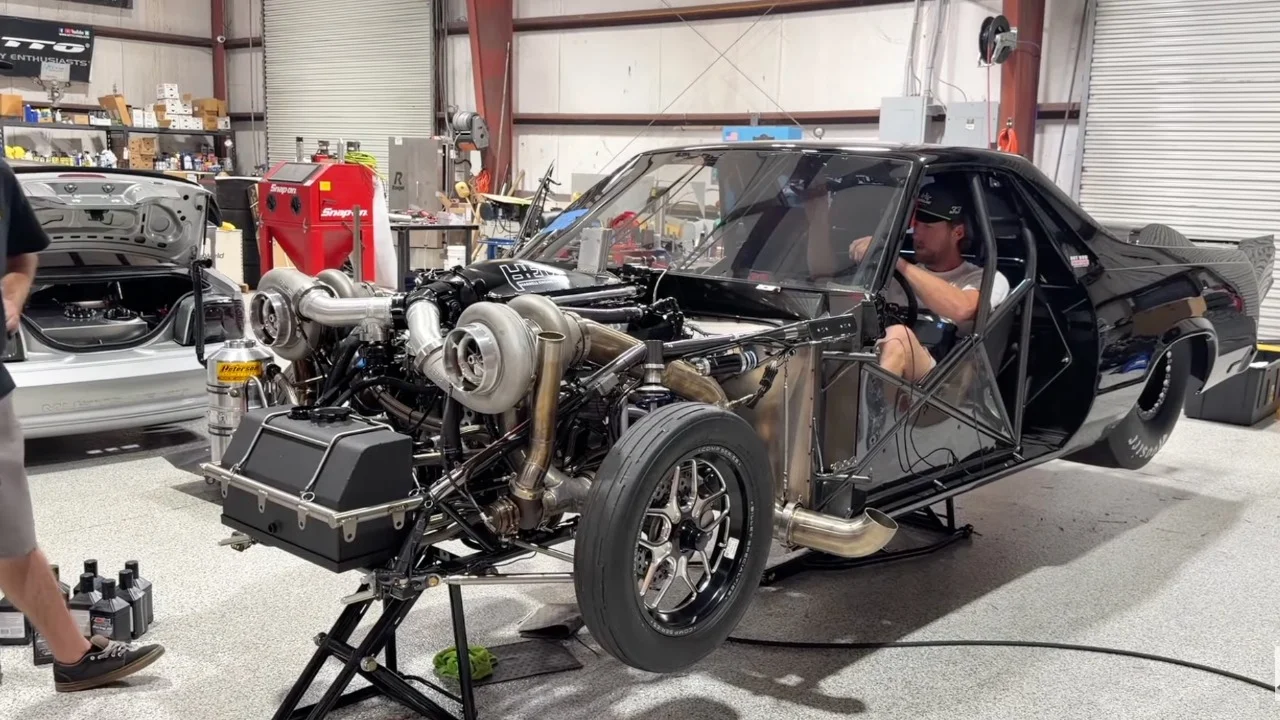
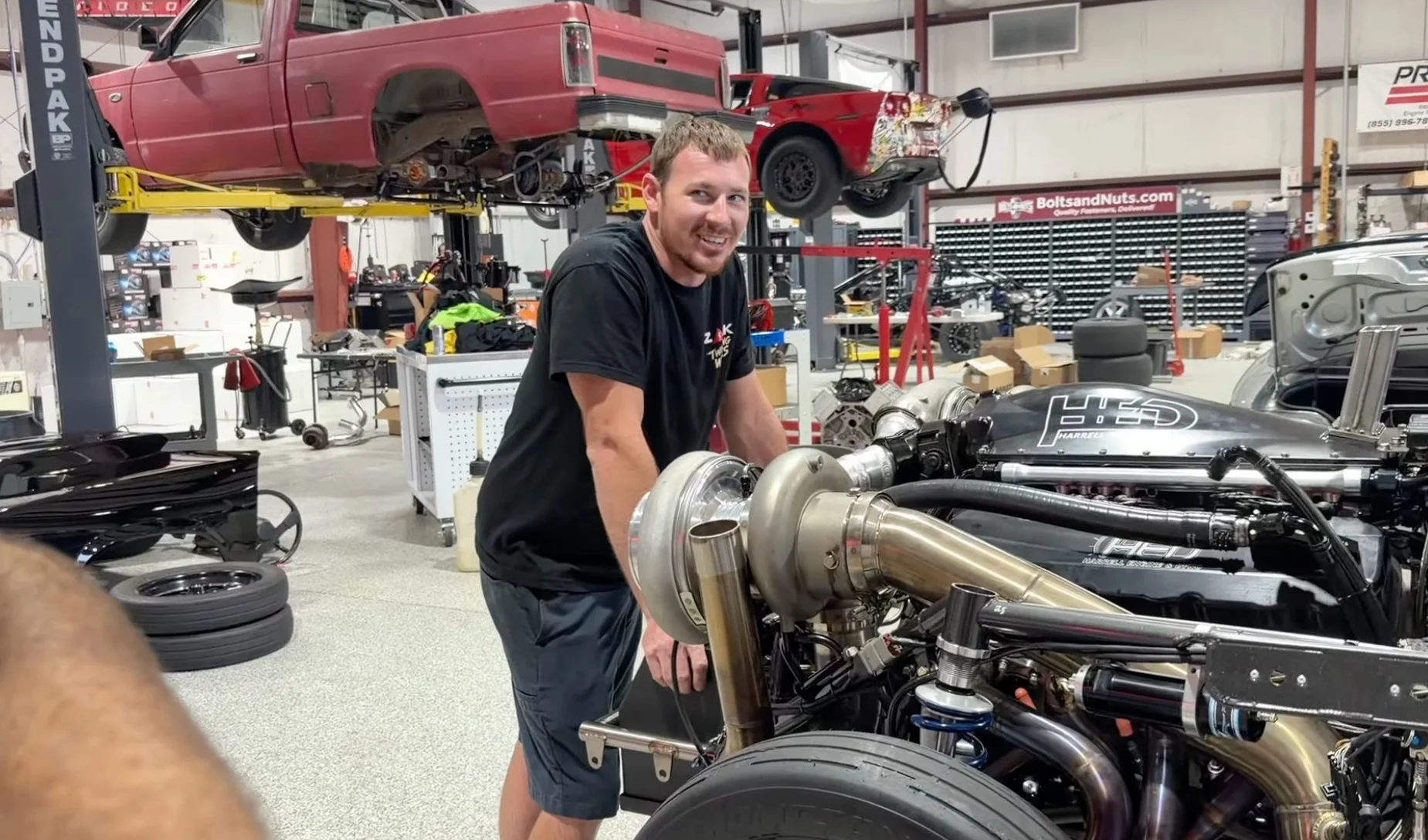
Cleetus McFarland has just unveiled yet another one of his crazy creations: a 4,000-horsepower big block engine.
It’s massive, it’s powerful, and it’s loud.
Very loud.
But, amazingly, they somehow managed to get it to work.
The main problem with oversized engines
Cleetus McFarland built his YouTube channel around crazy builds, including aircraft and vehicles with engines that are way, way too large to function normally.
That’s certainly the case here.
The idea was to build a project car, called the Mullet, and give it a big block V8.
So far, so normal.
Apart from the fact that the V8 in question delivers around 4,000 horsepower.
No one has even ever thought about building a 4,000-horsepower V8 car, and there’s a reason why.
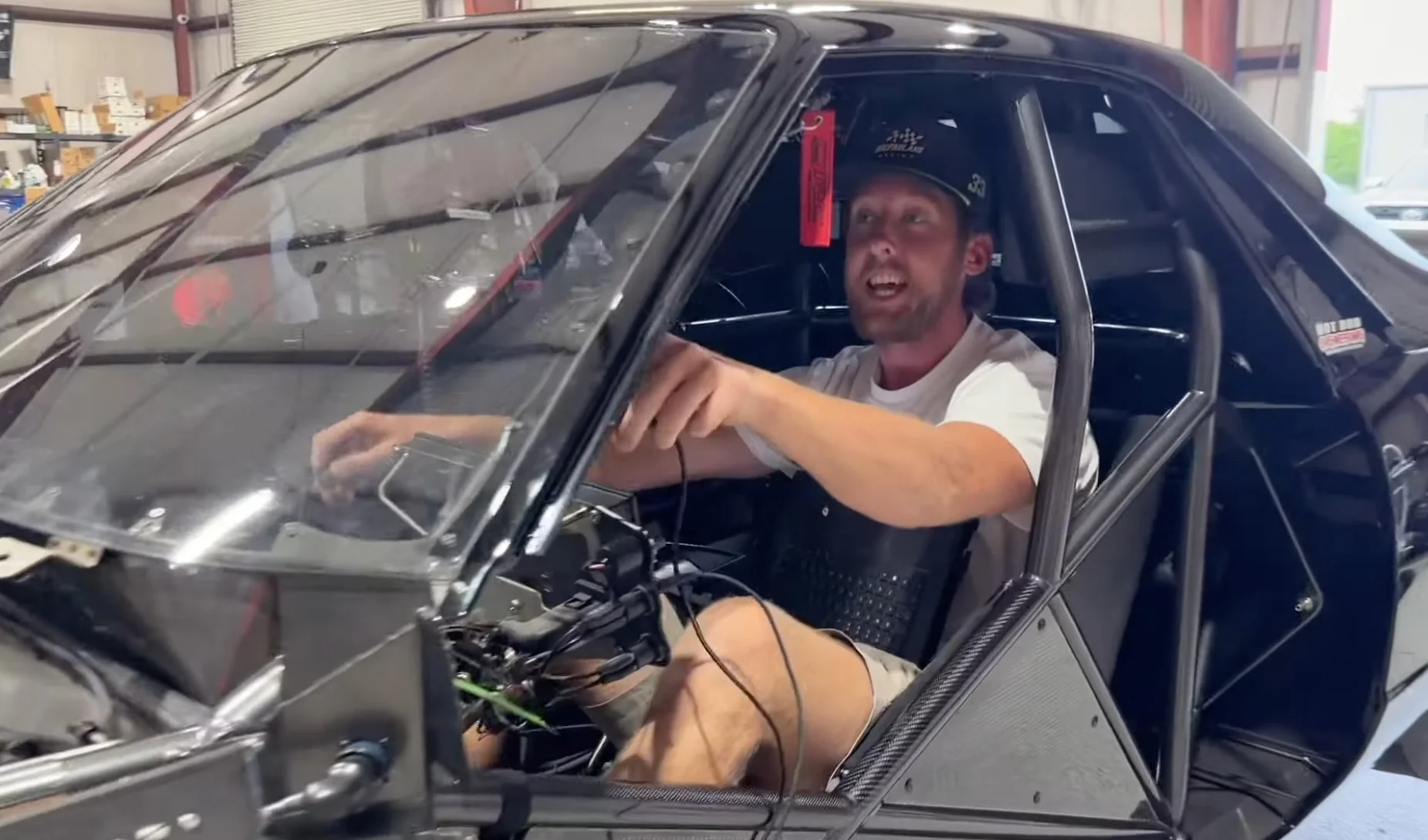
The main problem with an engine like that is nearly every component has to be either custom-built or modified, and even then, these components rarely lost long enough.
Big block V8s are as common as peanut butter in the US, but they’re designed to withstand certain stress levels.
And giving it 4,000 horsepower goes way above and beyond those levels.
Assembling the engine was a mess, partly because of the fuel injectors, which were a nightmare to install, and partly because of a rear-end fluid leak.
Still, they finally managed in the end.
And the next step went better than expected.
Related
The big block worked better than anyone could’ve imagined
What’s crazy is that after correcting some fuel-related issues, the team successfully fired up the engine, and it worked.
They managed to hit 5,000 RPM and keep the car running for a bit.
They did so by using what is known as the two-step engine rev limiter, which is a launch control system that holds an engine at a specific, lower RPM while a vehicle is stationary so the driver can apply full throttle for a clean start.
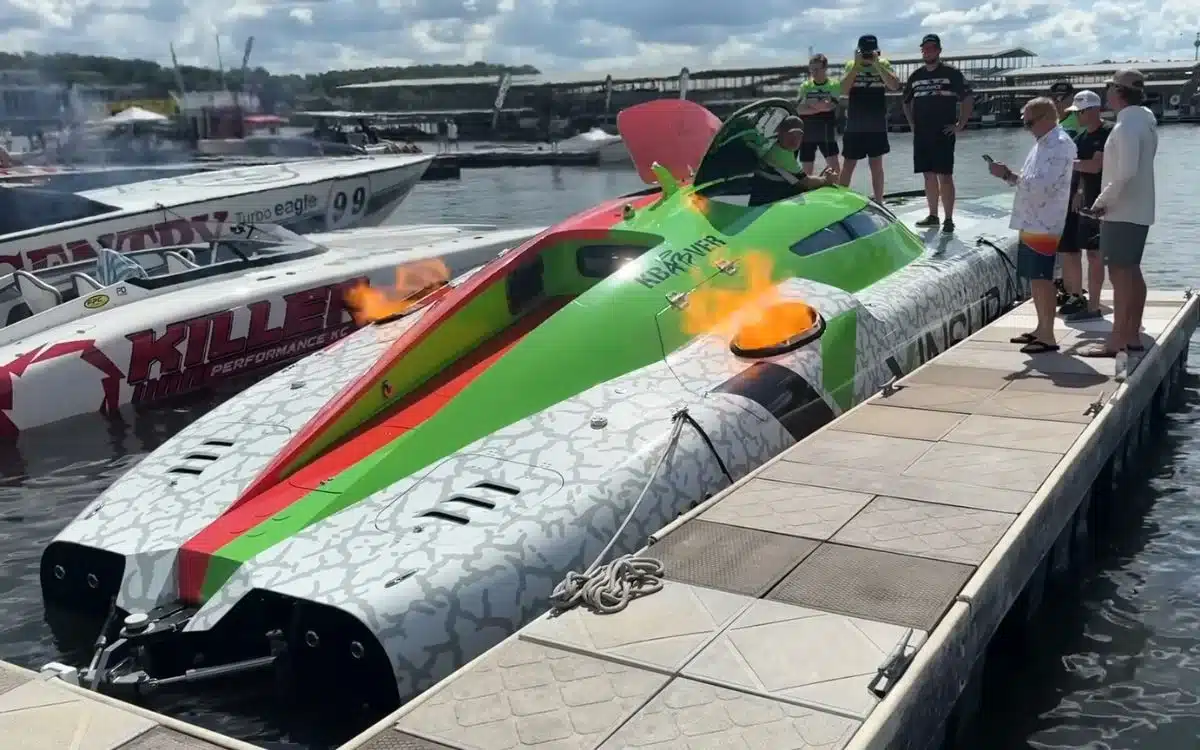
It was loud as heck, and it looked like it was about to set everything around the car on fire, but it worked.
“She was shooting blue flames out,” one of McFarland’s pointed out.
To which McFarland replied: “I forgot how loud the two-step is.”
Well, he’ll certainly remember that now.
The reason why these builds almost always fall apart in the long term
Automakers spend billions of dollars on R&D, trying to find the perfect balance between performance, usability, reliability, and efficiency.
Efficiency is not always a priority – the average owner of a Bugatti won’t care about MPG, presumably – but reliability and usability always are.
All cars need to be usable in the real world, and not for just 10 or 100 miles but for 100,000 miles.
A 4,000-horsepower V8 makes the car unusable.

There’s a reason why so many of these crazy creations barely survive long enough to give YouTubers enough footage to edit a full video.
In most cases, even if you managed to make fully street-legal – which most times you couldn’t – they wouldn’t last a week.
In some cases a day. But it’s certainly fun to watch.
Alessandro is an automotive journalist with 10 years of experience covering supercars, automotive history, emerging vehicle technology, and luxury transportation. He wrote the first article published on SupercarBlondie.com when the website launched in 2022 and has since built a reputation for insightful reporting across the automotive and transportation industries. His expertise is grounded in hands-on experience. Alessandro has driven every Tesla model ever produced, from the original Roadster to the Cybertruck, and regularly covers the latest developments in electric vehicles and automotive innovation. His passion for transportation extends beyond cars, he has even flown a Boeing 787 Dreamliner simulator in Addis Ababa, Ethiopia. His reporting spans everything from classic American muscle cars and rare automotive discoveries to luxury yachts, private aircraft, high-end watches, and cutting-edge vehicle technology. Known for his deep knowledge of automotive history and ability to uncover the stories behind iconic vehicles, Alessandro brings readers a blend of historical context, technical expertise, and first-hand experience.