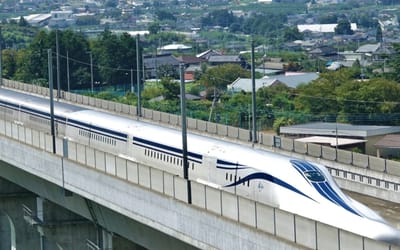
Inside China's flying car revolution where commuting by air could happen a lot sooner than you might expect
Published on Jan 17, 2026 at 6:04 AM (UTC+4)
by Jason Fan
Last updated on Jan 13, 2026 at 9:41 PM (UTC+4)
Edited by
Amelia Jean Hershman-Jones

For most of the world, the idea of a flying car still sounds like science fiction, but in China, it’s quickly becoming a real, regulated industry, thanks to companies like Ehang.
From pilotless air taxis to road-going vehicles that unfold into aircraft, the country is betting big on life above traffic jams.
Backed by government support and fast-moving regulators, China’s ‘low-altitude economy’ is taking shape at remarkable speed.
And if current momentum continues, short-hop air commutes could arrive far sooner than anyone expected.
SBX CARS – View live supercar auctions powered by Supercar Blondie
The company argues automation reduces pilot errors
At the center of this shift is EHang, whose autonomous electric air taxi has already achieved a global first.
The company’s two-seat, vertical takeoff and landing aircraft has become the first pilotless eVTOL certified by a national aviation authority for commercial use.
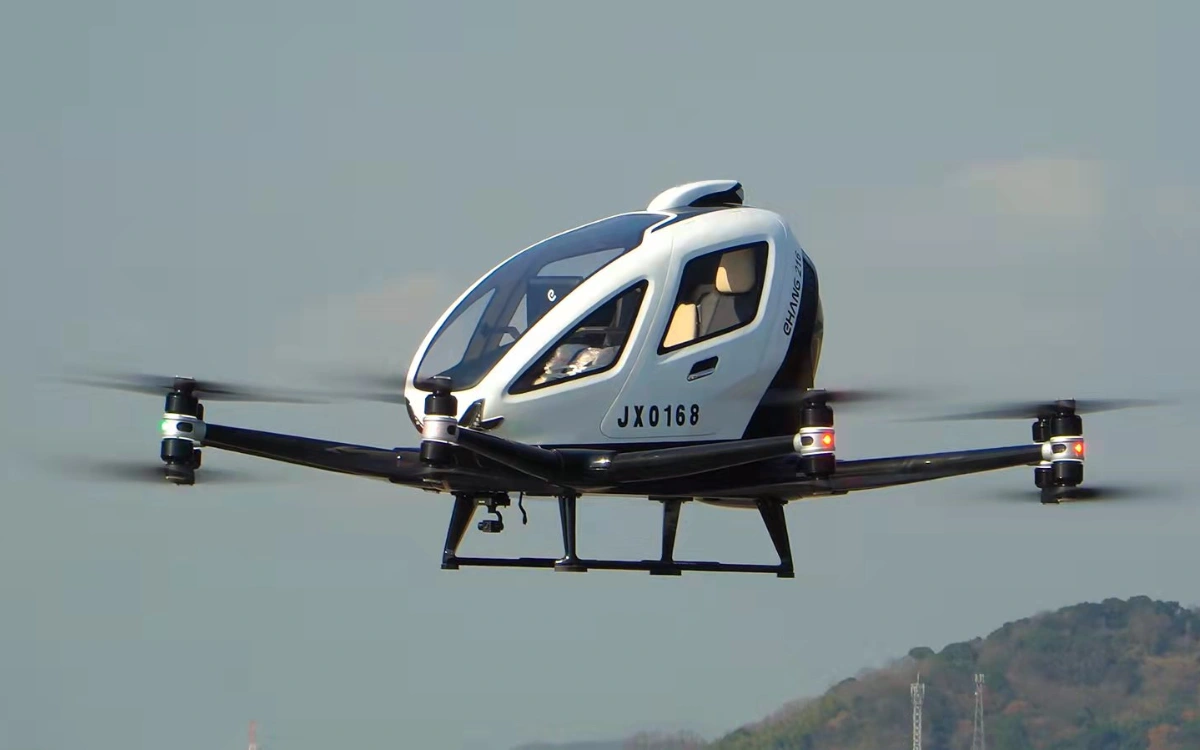
In fact, the EH216-S has already made history last year, by making the first pilotless passenger flight in Africa.
Designed to fly below 1,000 meters, it requires no runway, no pilot, and minimal user input.
Passengers simply sit inside a sparse but reassuring cabin, which comes complete with navigation screens, emergency communications, and pre-programmed flight routes.
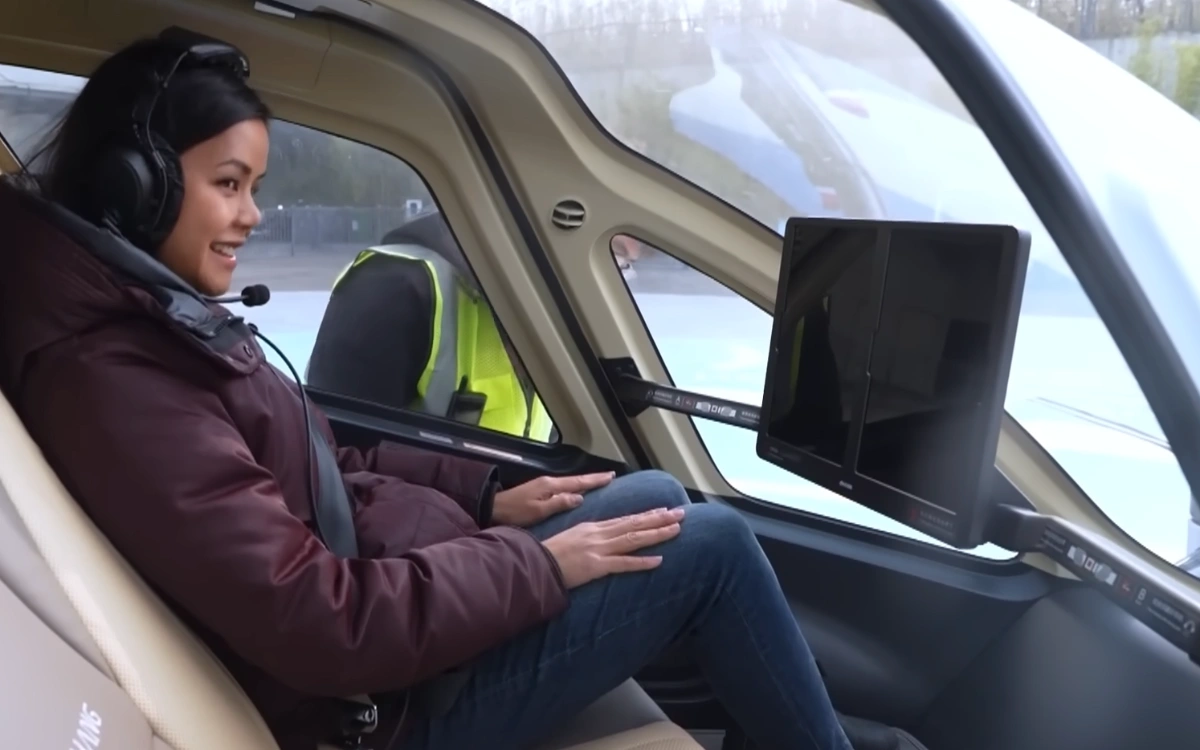
There’s no need to do anything else, as the aircraft handles everything automatically.
Performance-wise, the EHang air taxi can reach speeds of up to 56mph with a range of around 80 miles.
This is more than enough for urban hops, sightseeing routes, or regional shuttles.
While the lack of controls might feel unsettling, the company argues that automation significantly reduces accidents caused by human error.
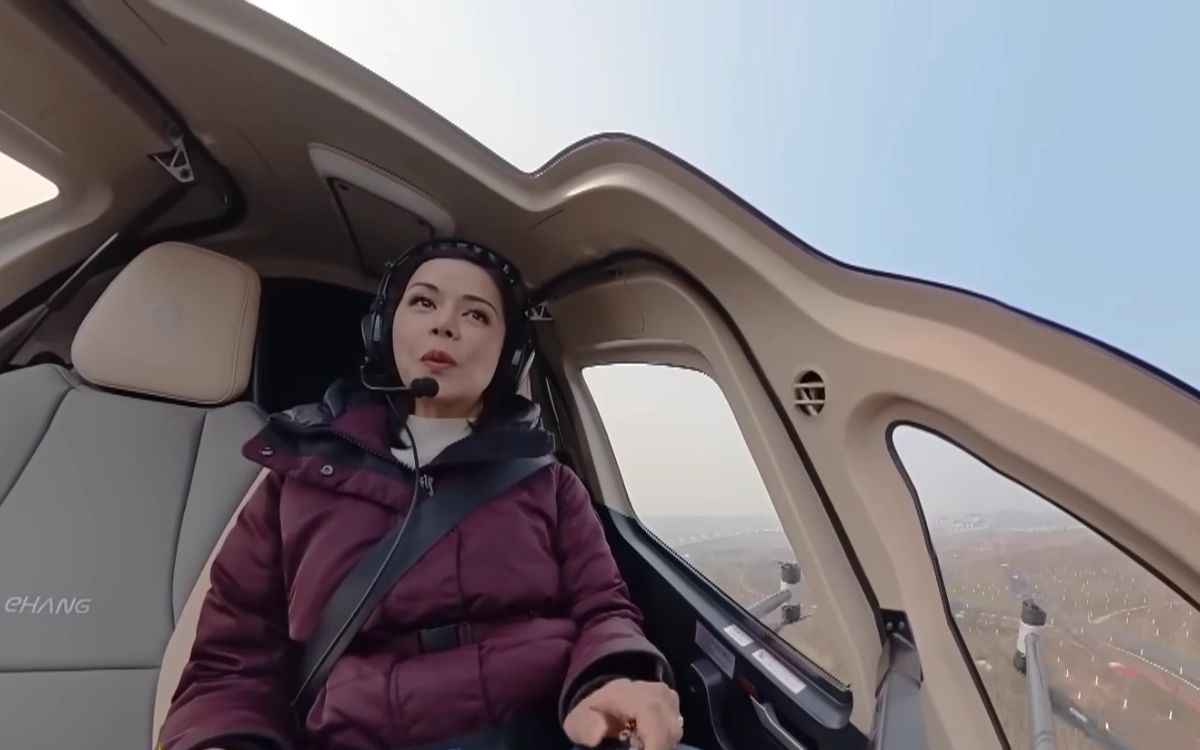
That safety-first pitch has resonated with early adopters, including tourism operators and local governments, which are already using the aircraft for patrols, emergency response, and aerial monitoring.
You may soon be commuting to work in a flying car
EHang isn’t alone.
Chinese firm Xpeng AeroHT is developing what it calls a ‘land aircraft carrier’: a van-like road vehicle that stores a folding aircraft inside.
Drive to a launch site, deploy the flying module, and take off.
Xpeng’s flying car has already secured 600 pre-orders in the Middle East, proving that there is plenty of demand.
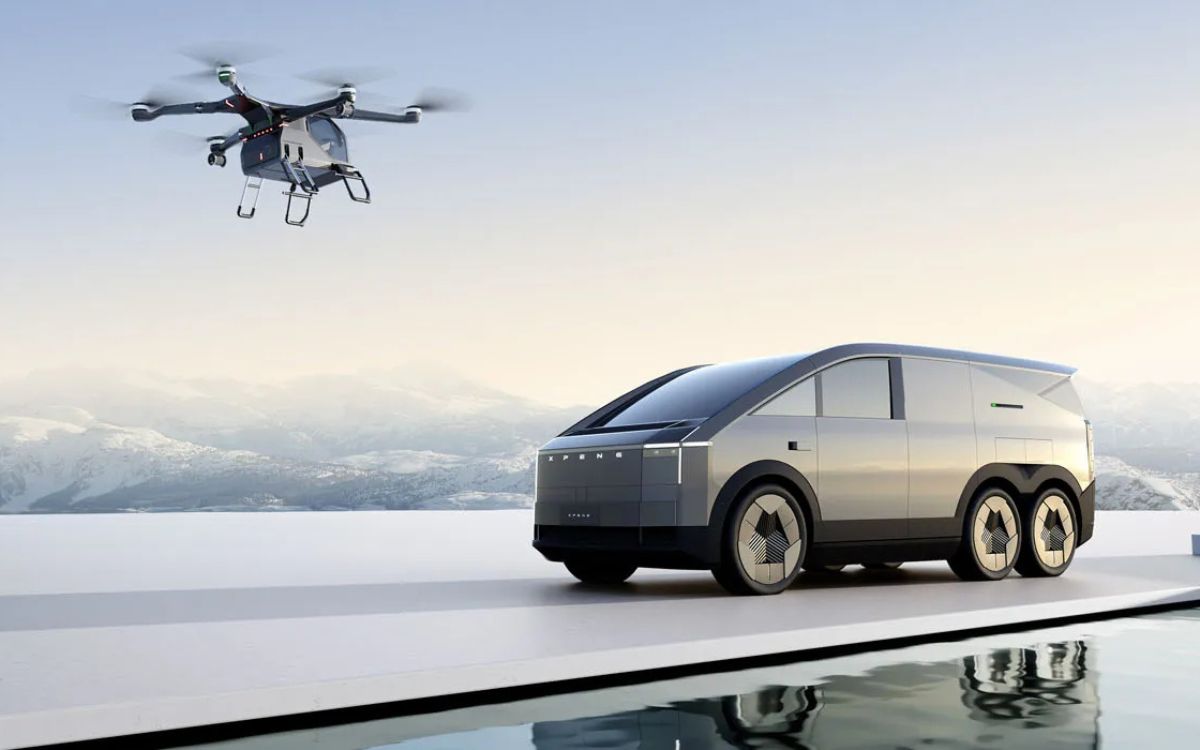
Other companies are exploring hybrid concepts that can be flown autonomously or manually using joystick-style controls.
Prices remain steep, typically between $300,000 and $400,000, but advocates argue costs will fall as production scales and infrastructure improves.
Crucially, the Chinese government is actively encouraging this sector as part of its broader push into advanced mobility.
Cities are designating test zones, regulators are streamlining approvals, and manufacturers are racing to commercialize their designs.
Experts say the early focus will remain on tourism, logistics, and emergency services.
However, everyday commuting is clearly on the roadmap.
Flying cars may still sound futuristic, but in China, they’re already certified, airborne, and inching closer to daily life.
All that’s left is conquering the fear of heights.
DISCOVER SBX CARS: The global premium car auction platform powered by Supercar Blondie