Man has never seen anything as extraordinary as a Concorde cockpit, especially with an ex-captain there to explain everything
Published on Dec 29, 2025 at 6:39 AM (UTC+4)
by Grace Donohoe
Last updated on Dec 29, 2025 at 9:24 AM (UTC+4)
Edited by
Emma Matthews

Concorde is one of the most iconic passenger airplanes around, and this guy got a front seat in the cockpit.
The jet had the ability to hit the speed of sound and cut travel time across the Atlantic to almost nothing.
Sadly, though, the jets were retired at the start of the Noughties, leaving behind a heap of unanswered questions for aviation enthusiasts.
Now, though, a real-life captain who flew the unique aircraft has revealed some secrets that will leave you wanting to know more.
VISIT SBX CARS – View live supercar auctions powered by Supercar Blondie –
The cockpit of a Concorde will blow your mind
Concorde made travel from New York to London in record time possible, but have you ever wondered what it was really like in a cockpit?
Well, fear not as histluketomes has you covered.
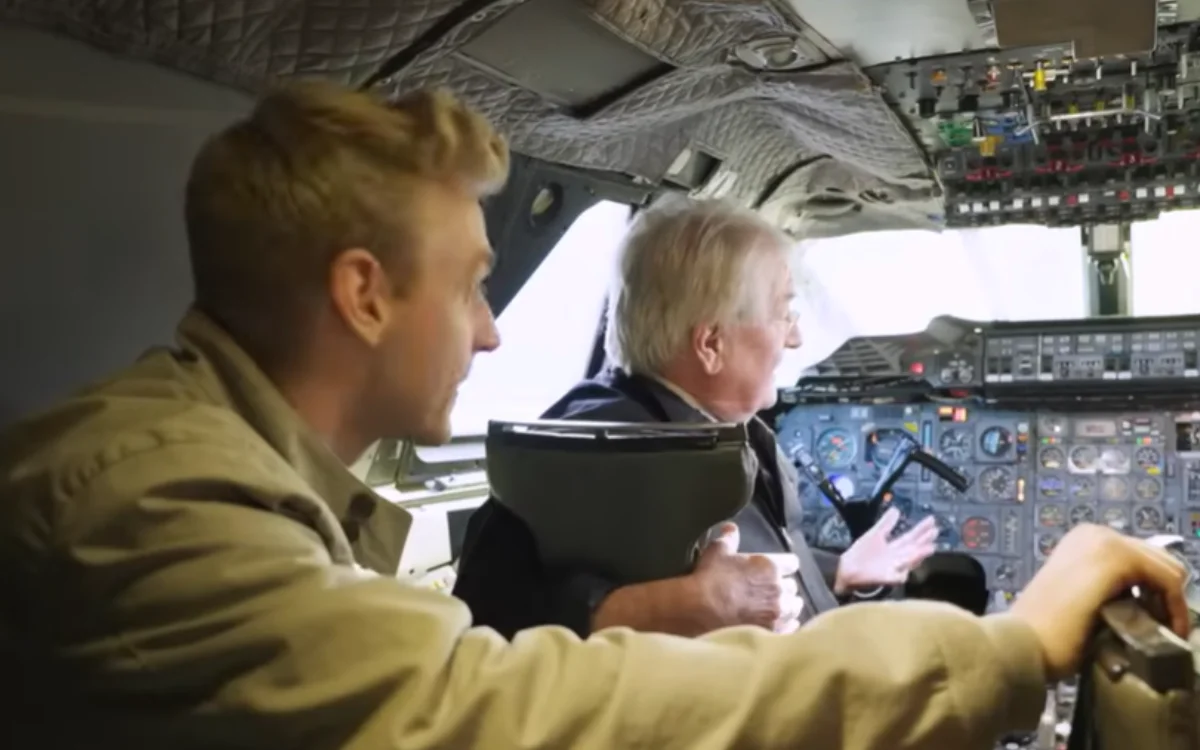
The lucky history enthusiast took a tour of the airplane at Britain’s Brooklands Museum and was left amazed at the heart of the magic – the flight deck.
“I’ve never seen so many buttons in my life,” he said as he sat in the hot seat, and he wasn’t wrong either.
Accompanied by an ex-captain, the creator discovered that the cockpit was home to 365 buttons, switches, and captions on the Engineer’s panel alone, with the pilot joking that there was ‘one for every day of the year’.
It won’t come as a surprise that so many buttons were needed to operate the airplane, after all, the fastest ever New York to London crossing recorded in a British Airways Concorde was under three hours.
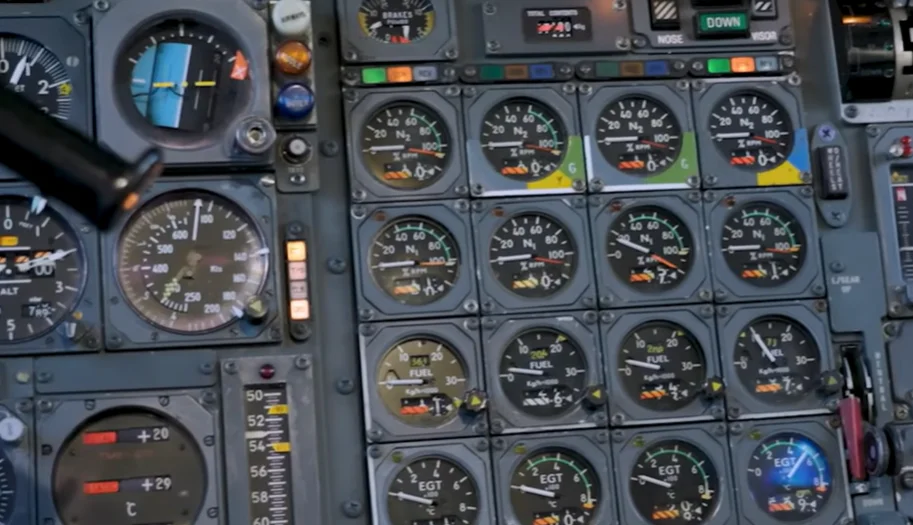
The powerful output was made possible by reheat technology within the four engines.
That means that fuel could be pumped to the ‘final stage of the engine’, and allowed the magic of taking off and switching to supersonic speeds to be possible.
To make sure that the influx of power was safe for both passengers and crew, the jet underwent some 5,000 hours of testing before commercial flights could begin.
Concorde: four airplanes in one shell
After chatting to the captain, there was one huge revelation.
It turns out that flying Concorde was just like flying four jets in one.
“A fast one, a slow one, a high one, a low one, we’re traveling supersonically, so we need many more systems, so the crew needs to manage all those systems,” explained the pilot.
And it turns out that the main difference between standard jets today and Concorde was the sheer amount of information presented, all in an analogue setting.
After exploring the cockpit, the creator was even treated to flying a simulator to experience the magic for himself.
Key milestones in Concorde’s supersonic story
1956: UK and France begin discussions for a supersonic passenger aircraft
1962: Official Anglo-French treaty signed to develop Concorde
1969: First Concorde prototype takes flight in Toulouse
1973: Concorde hits Mach 2 for the first time during testing
1976: First commercial flights launch with British Airways and Air France
1985: Concorde used for transatlantic VIP trips and iconic charters
1996: Fastest transatlantic crossing set – New York to London in 2h 52m
2003: Final commercial Concorde flight marks the end of supersonic travel
DISCOVER SBX CARS: The global premium car auction platform powered by Supercar Blondie
Beginning her career as a lifestyle reporter and social-media manager, Grace joined Supercar Blondie in February 2025. Since coming on board, has thrown herself into the busy daily writing schedule. Her editorial sweet spots include writing about luxury properties and the quirky features inside them that the one percent are investing in, as well as groundbreaking advancements in space exploration.