These are all the wild rewards Concorde passengers used to get just for flying on the supersonic jet
Published on Jun 09, 2026 at 5:56 AM (UTC-4)
by Alessandro Renesis
Last updated on Jun 10, 2026 at 5:31 AM (UTC-4)
Edited by
Mason Jones
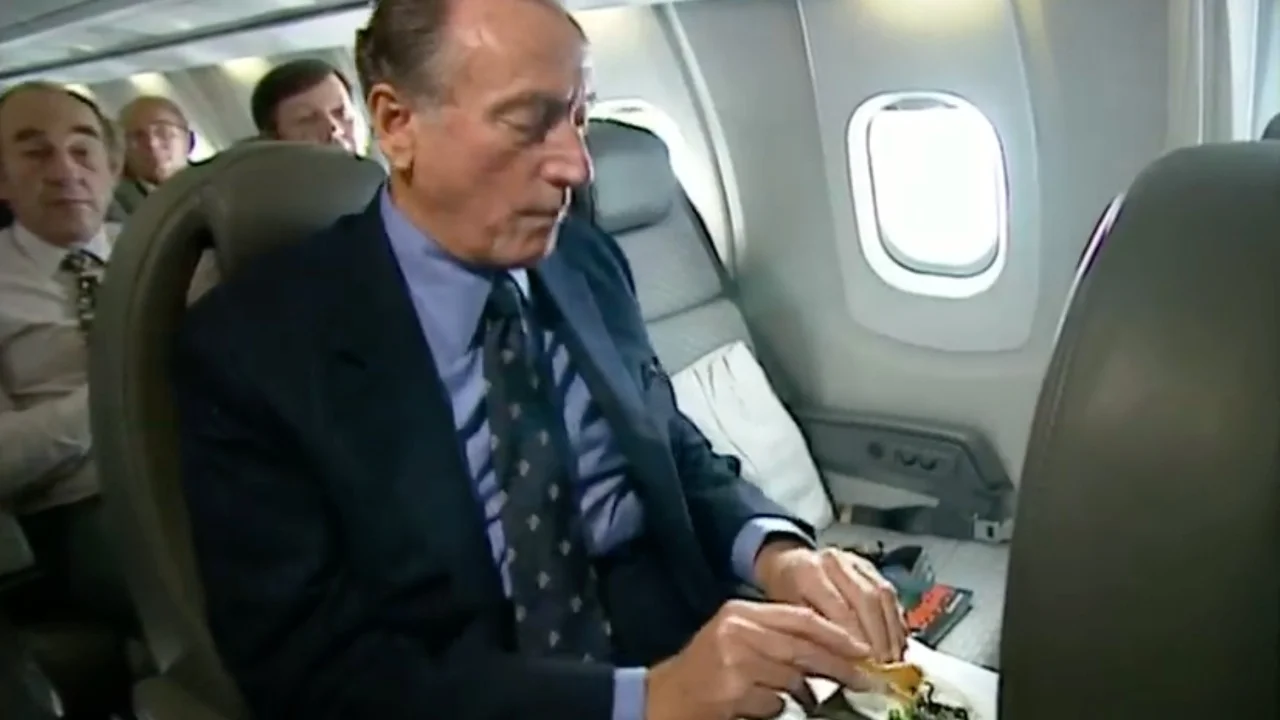

Concorde passengers used to travel across the Atlantic in just three hours, but the flight also came with extra perks.
Aside from the plane’s supersonic speed, the experience offered so much more.
Once on board, you’d get all sorts of gifts and freebies.
A Concorde ticket cost a fortune, but at least you did get a lot for your money.
Concorde merged all three classes in one
Modern aircraft come with one or two classes or, sometimes, three classes.
The upcoming Project Sunrise – the longest flight in the world – will have four.
Interestingly, though, Concorde bypassed the traditional class system entirely by offering a single, uniform cabin.
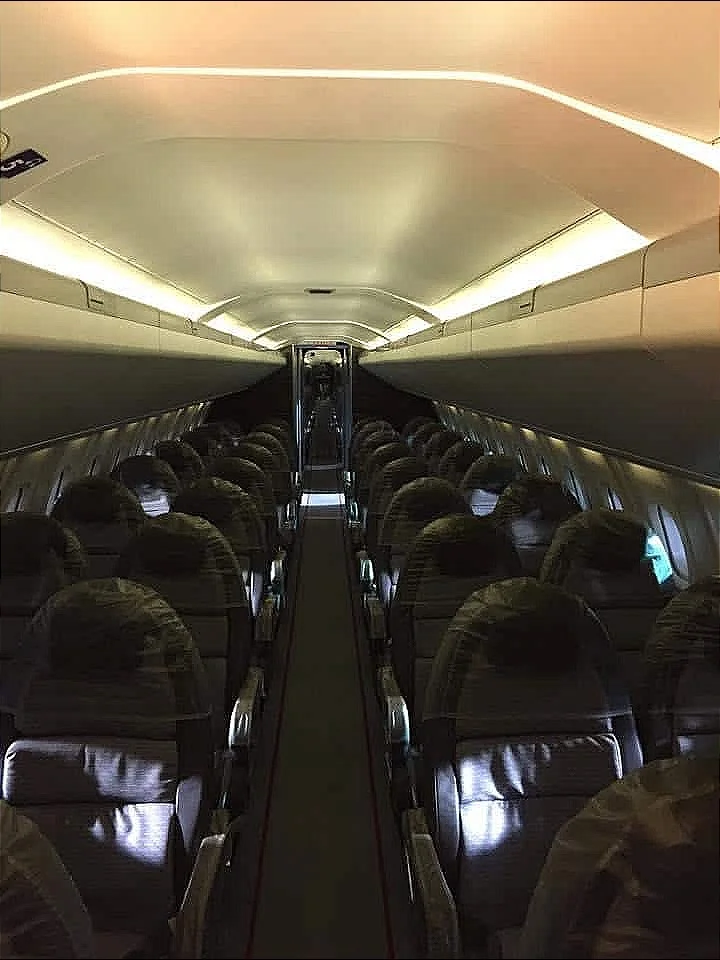
The seats were plush and comfortable, but they looked more like economy seats than business or first class.
However, you did get Champagne and caviar, and you also received ‘free stuff’ – and we’re talking about a little bit more than an eye mask, disposable slippers or a small tube of toothpaste.
These are the perks that came with Concorde
Concorde remained in service for 27 years across different routes, which means that different passengers would’ve received different perks.
And it also varied depending on whether you were a one-time flyer or a frequent flyer.
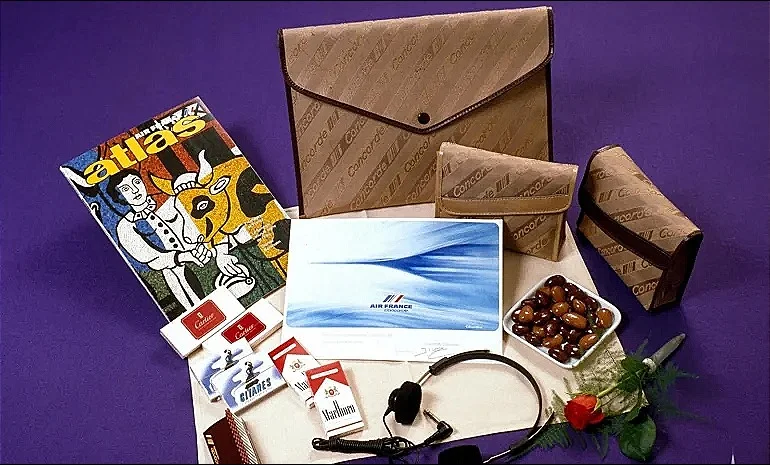
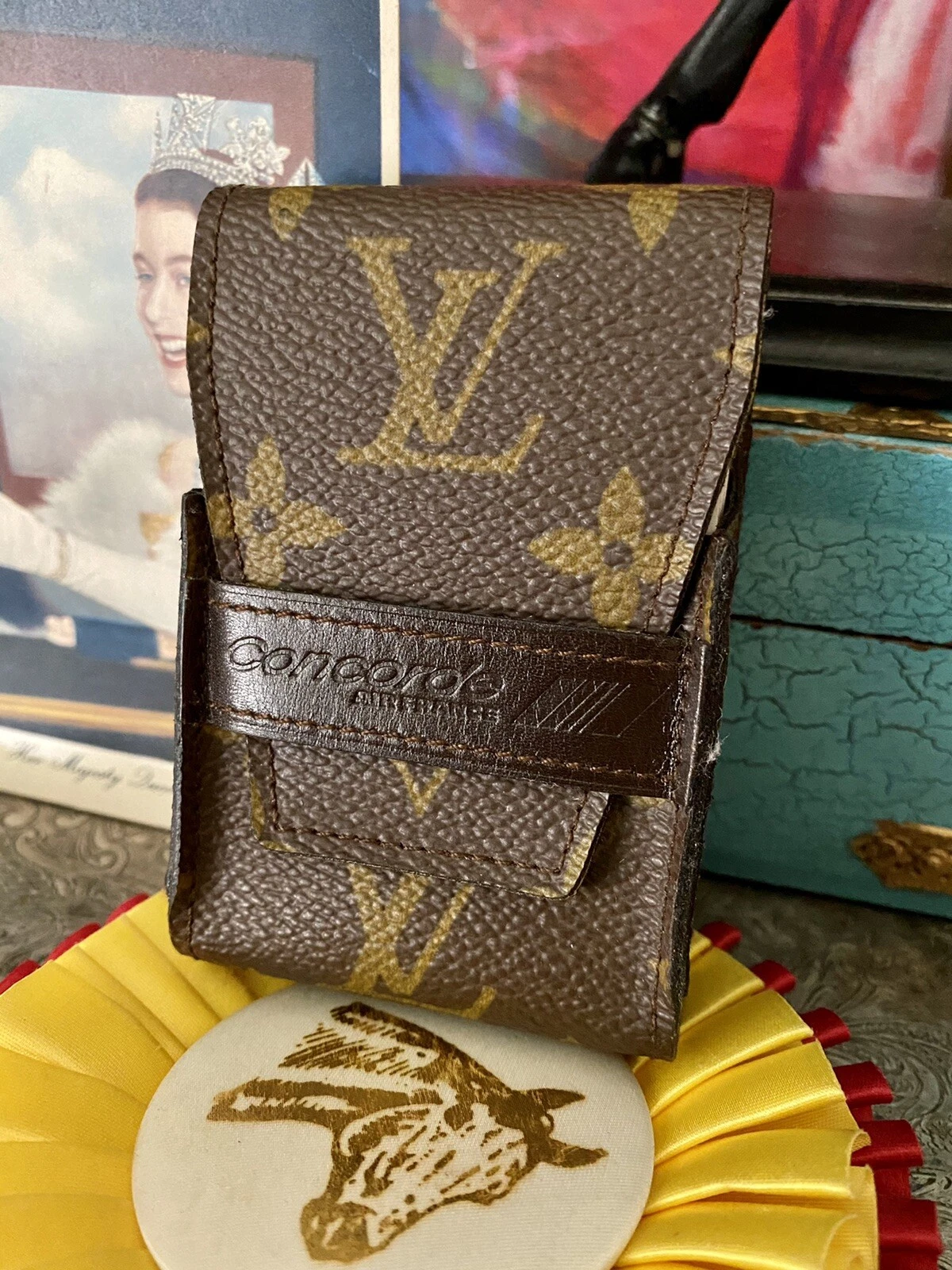
But in general, when flying from Paris to New York in the 1980s or 1990s, you could expect Louis Vuitton leather goods, Christofle Christmas decorations, an Edouard Rambaud travel alarm, a Concorde comfort kit, and cigarettes – because back then, smoking on board was still allowed.
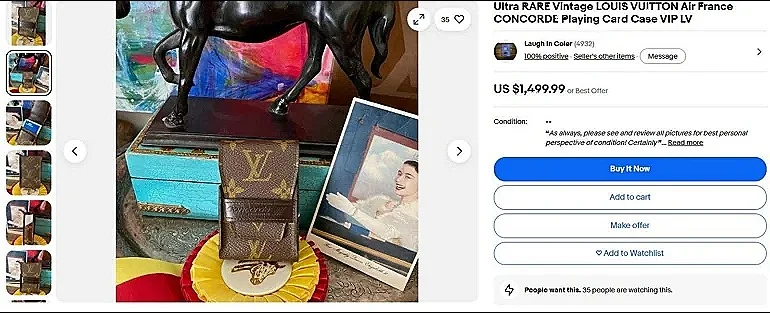
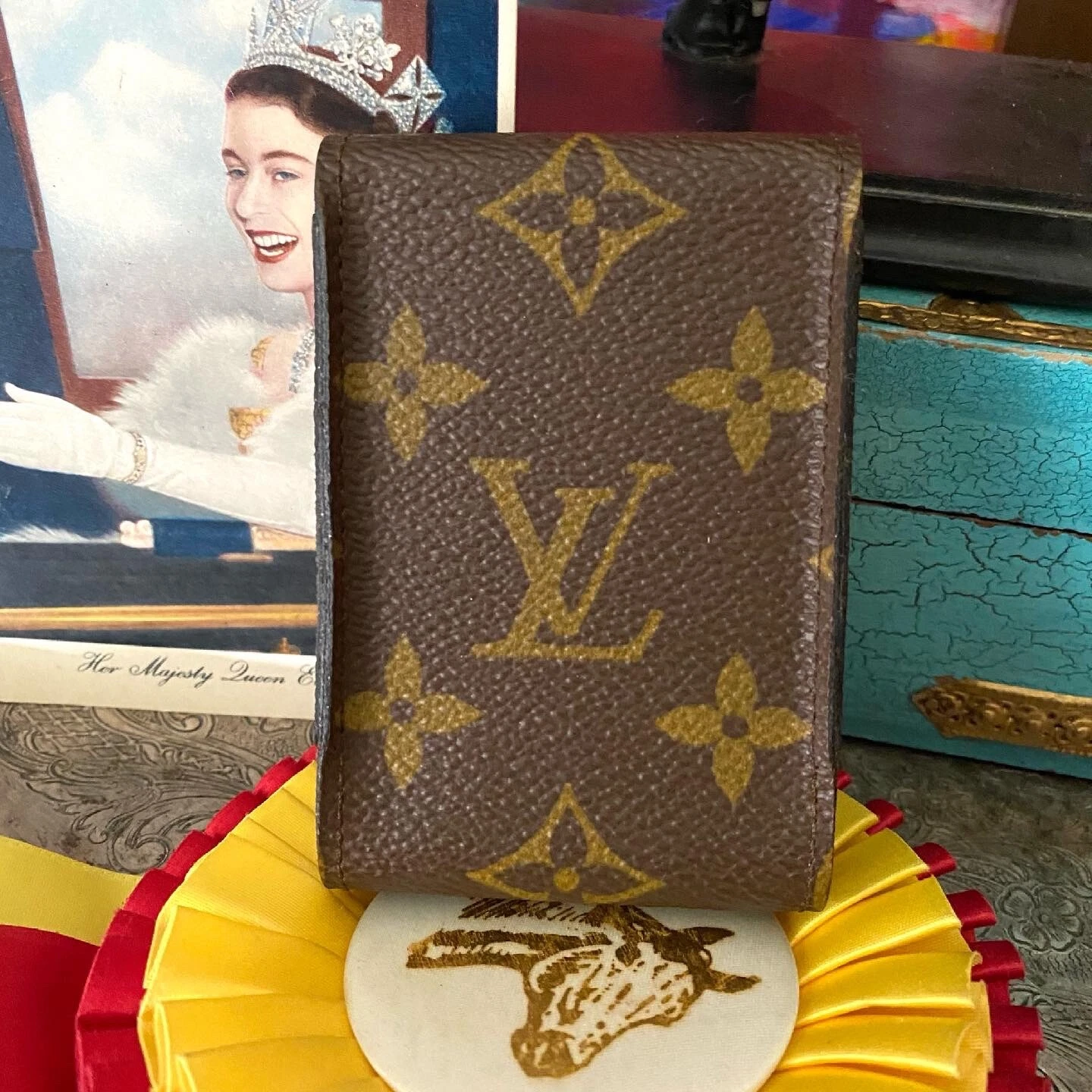
Some of these LV purses and pouches still survive to this day, and are often listed on eBay for thousands of dollars.
What do you normally get on today’s planes?
So what do passengers get on a flight today?
The answer ranges from ‘absolutely nothing’ to ‘some pretty cool stuff.’
If you’re flying from A to B on a low-cost carrier like EasyJet or Ryanair, you’ll get nothing for free, not even a snack or water.
Then you’ve got economy class on flag/non-low-cost carriers, and that varies a lot.
Several independent companies and outlets rank the top 10 airlines for economy and the list is almost always composed only of Asian airlines, along with Turkish Airlines, which is officially categorized as a European airline.
Flying Turkish, you get a little pouch (below) with useful items which, ironically, are sometimes similar to the sort of things you get when flying business class on other airlines.
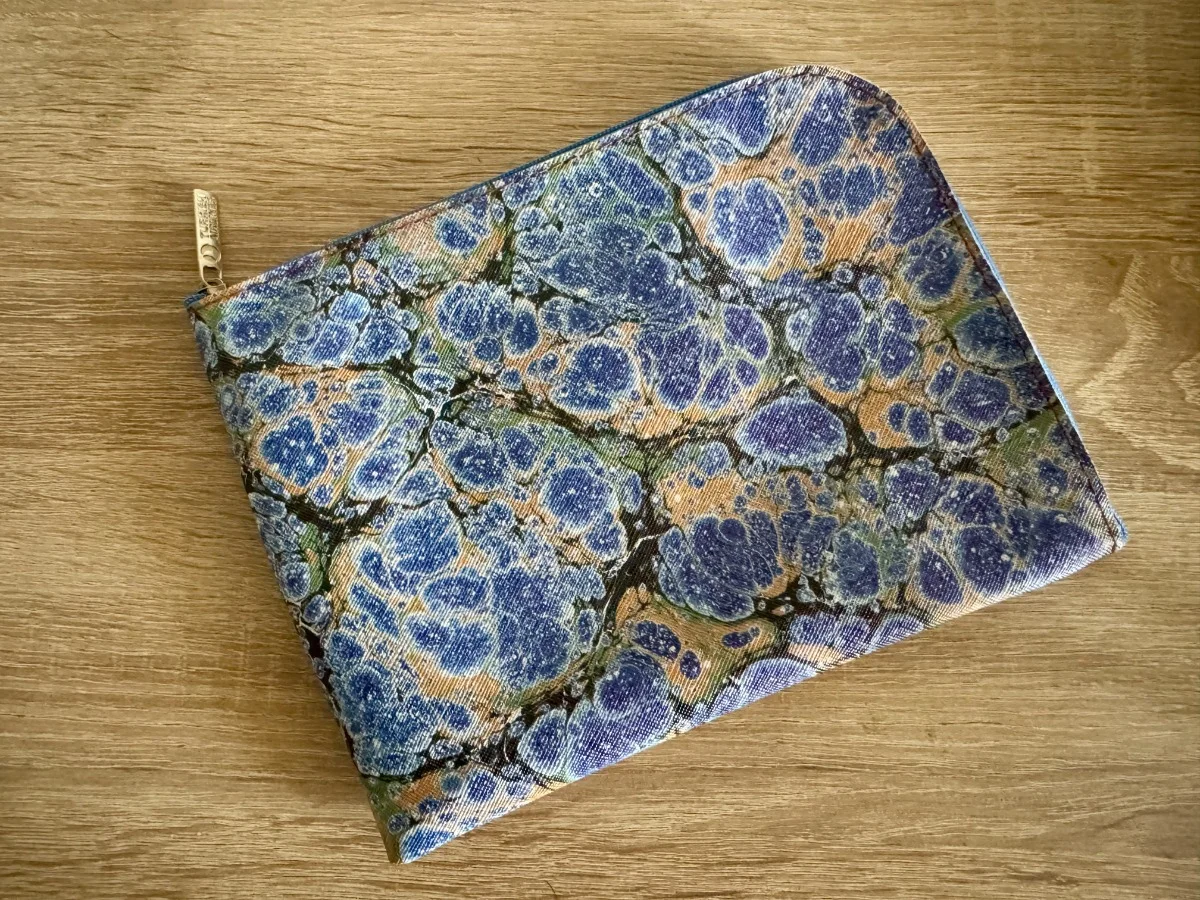
There’s no law that says you have to provide this or that service or amenity in economy versus business, which means airlines use this as a strategic tool.
And, in turn, this means that some airlines’ economy class can end up looking nearly as good as the business class of others.
Then you’ve got all-business carriers like BeOnd, and then you have first class.
Not every airline offers first class, largely because you need a massive aircraft to accommodate it.
With Air France, for example, first class is only available for certain routes.
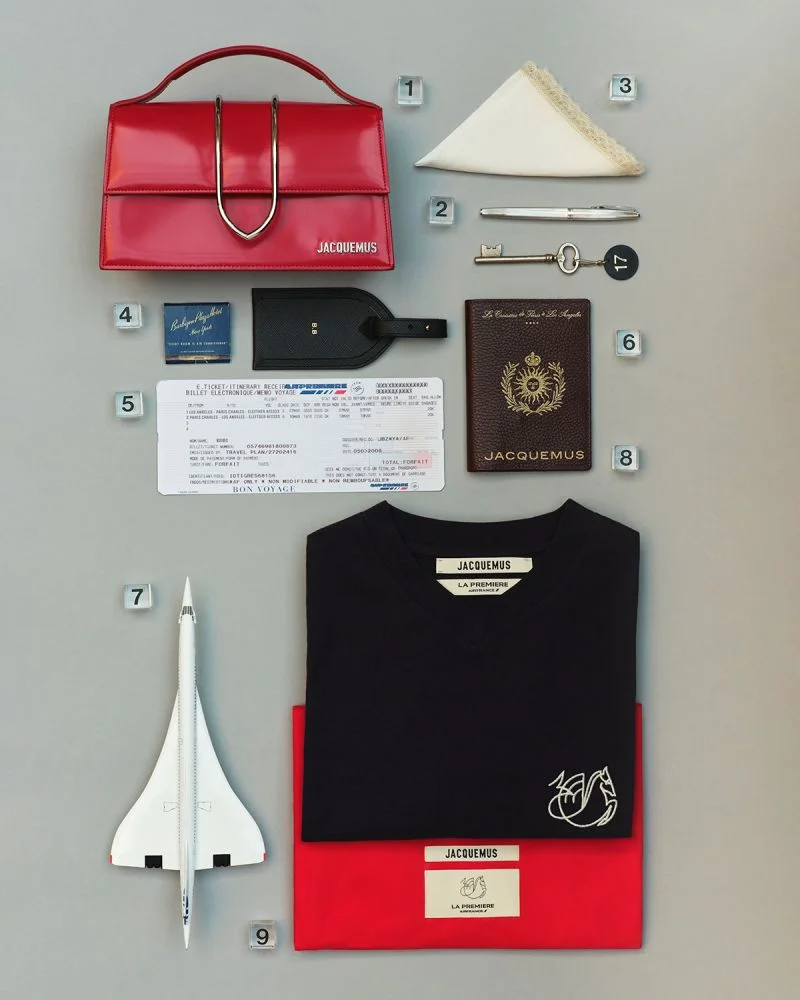
You do get a lot for your money, though.
Air France travelers in ‘La Première’ – their first class – get a Sisley travel kit, garments made by Jacquemus, and, ironically, a miniature Concorde.

Alessandro is an automotive journalist with 10 years of experience covering supercars, automotive history, emerging vehicle technology, and luxury transportation. He wrote the first article published on SupercarBlondie.com when the website launched in 2022 and has since built a reputation for insightful reporting across the automotive and transportation industries. His expertise is grounded in hands-on experience. Alessandro has driven every Tesla model ever produced, from the original Roadster to the Cybertruck, and regularly covers the latest developments in electric vehicles and automotive innovation. His passion for transportation extends beyond cars, he has even flown a Boeing 787 Dreamliner simulator in Addis Ababa, Ethiopia. His reporting spans everything from classic American muscle cars and rare automotive discoveries to luxury yachts, private aircraft, high-end watches, and cutting-edge vehicle technology. Known for his deep knowledge of automotive history and ability to uncover the stories behind iconic vehicles, Alessandro brings readers a blend of historical context, technical expertise, and first-hand experience.